Heat Rash: Symptoms, Causes, And 5 Fast Treatment Tips
Everything you need to know about heat rash: causes, symptoms, prevention, and effective treatments for prickly heat relief.
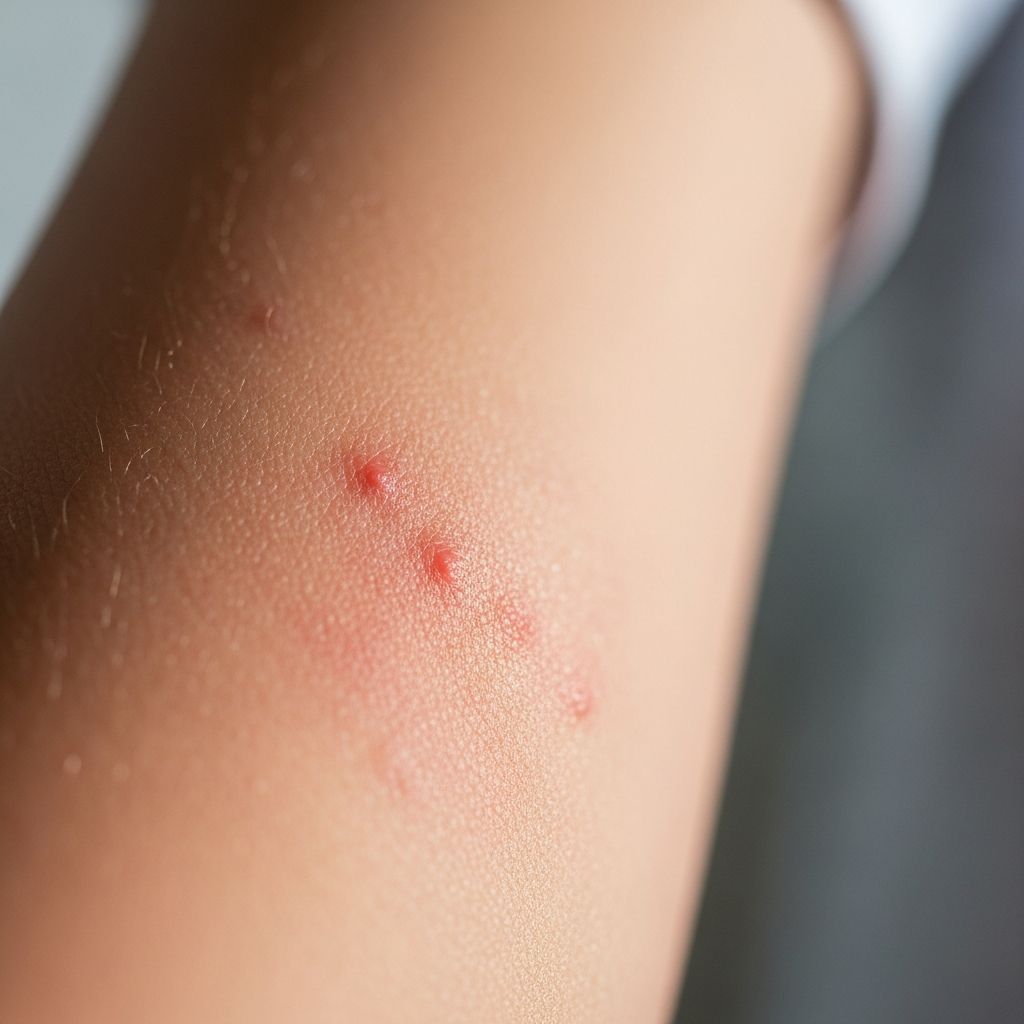
Heat rash, also known as prickly heat or miliaria, is a common skin condition that develops when sweat ducts become blocked, trapping sweat beneath the skin and causing irritation, redness, and bumps. It frequently occurs in hot, humid environments and affects people of all ages, though infants and those in tropical climates are particularly susceptible. Cooling the skin and avoiding further heat exposure typically resolves mild cases quickly.
What Is Heat Rash?
Heat rash arises from blocked sweat ducts, preventing sweat from reaching the skin’s surface to evaporate and cool the body. This trapped sweat irritates the skin, leading to inflammation. There are different types, including miliaria crystallina (clear, fluid-filled blisters), miliaria rubra (red, itchy bumps), and miliaria profunda (flesh-colored, deeper inflammation). It commonly appears in areas prone to sweat accumulation, such as skin folds.
While uncomfortable, heat rash is usually benign and self-limiting. However, scratching can lead to secondary bacterial infections, emphasizing the need for prompt care.
Symptoms of Heat Rash
Symptoms vary by type and severity but generally include:
- Small red or pink bumps, often in clusters
- Itching, prickling, or stinging sensation
- Mild swelling or tenderness around affected areas
- Clear blisters in mild cases (miliaria crystallina)
- Deeper, flesh-colored lesions in severe forms
Affected areas typically include the neck, chest, back, armpits, groin, elbow creases, and under the breasts in adults. In infants, it often appears on the face, scalp, neck, and diaper area due to immature sweat glands.
Symptoms worsen with continued heat exposure and sweating. If the rash becomes painful, pus-filled, or accompanied by fever, it may indicate infection requiring medical attention.
Causes of Heat Rash
The primary cause is occlusion of sweat ducts, where sweat builds up instead of evaporating. Common triggers include:
- Hot, humid weather that promotes excessive sweating
- Tight, non-breathable clothing that traps heat and moisture
- Heavy physical activity or exercise
- Prolonged bed rest in warm conditions
- Immature sweat ducts in infants and young children
- Friction from skin folds or heavy creams/ointments
Risk factors heighten susceptibility: frequent exercisers, residents of warm climates (up to 30% prevalence), babies (due to developing glands and bundling), and those on bed rest. Hormonal changes or certain medications can also contribute by altering sweat production.
Heat Rash in Babies and Children
Infants are especially prone because their sweat glands are underdeveloped, making ducts easily blocked. Overdressing, fever, or applying thick ointments (e.g., for colds) exacerbates risk, even in winter. Common sites include neck, shoulders, chest, and diaper regions.
Older children may develop it during exercise in heat. Symptoms mirror adults but clear faster with cooling—usually in 2-3 days. Pediatricians recommend loose clothing and avoiding irritants.
Heat Rash vs. Other Rashes
| Condition | Key Features | Difference from Heat Rash |
|---|---|---|
| Heat Rash | Small bumps, prickly itch, heat-related | Resolves with cooling; no vesicles usually |
| Contact Dermatitis | Red, weepy, from irritants/allergens | Triggered by substances, not heat |
| Hives | Large welts, widespread itch | Allergic; moves around body |
| Eczema | Dry, scaly patches | Chronic, not heat-specific |
| Fungal Infection | Red ring, scaling | Persistent, thrives in moisture |
Related Stories



Distinguishing heat rash from mimics is crucial; persistent cases warrant professional diagnosis.
Treatment for Heat Rash
Mild heat rash responds well to at-home care focused on cooling and drying the skin:
- Move to air-conditioned space or use fans
- Take cool showers or baths; air-dry skin
- Wear loose, cotton clothing
- Apply calamine lotion or 1% hydrocortisone cream (avoid on face/children without advice)
- Avoid ointments, heavy creams, or scratching
Most cases clear in a few days. For infection, antibiotics may be needed.
Prevention Tips for Heat Rash
Prevent recurrence with proactive measures:
- Stay in cool environments; use AC/fans
- Wear breathable, lightweight cotton clothes
- Avoid strenuous activity in peak heat
- Shower after sweating and dry thoroughly
- For babies: Dress lightly, avoid thick ointments
- Stay hydrated to regulate body temperature
These habits reduce sweat duct blockage significantly.
When to See a Doctor
Seek medical help if:
- Rash persists beyond 3-7 days
- Signs of infection (pus, fever, swelling, streaks)
- Severe pain or interference with daily life
- Frequent recurrences
- Bright red rash or post-medication onset
Dermatologists may prescribe stronger creams or evaluate for underlying issues.
Frequently Asked Questions (FAQs)
What is the fastest way to get rid of heat rash?
Cool the skin immediately with AC, fans, or cool baths, wear loose cotton clothes, and apply calamine lotion. Avoid heat and sweat.
Can heat rash be contagious?
No, heat rash is not contagious; it’s caused by blocked sweat ducts, not pathogens.
How long does heat rash last?
Mild cases resolve in 2-3 days with cooling; severe ones may take a week.
Is hydrocortisone safe for heat rash in babies?
Use only under pediatrician guidance for children under 10; opt for cooling first.
Does heat rash lead to heat exhaustion?
Rarely, but excessive sweating and irritation can contribute if not addressed.
References
- Heat Rash Causes, Symptoms & Treatment — Plymouth Meeting Dermatology. Accessed 2026. https://plymouthmeetingdermatology.com/heat-rash-causes-symptoms-treatment/
- Heat Rash (Prickly Heat): Causes, Symptoms, and Treatment — WebMD. Accessed 2026. https://www.webmd.com/skin-problems-and-treatments/understanding-heat-rash-basics
- Healing Heat Rash — St. Louis Children’s Hospital. Accessed 2026. https://www.stlouischildrens.org/health-resources/pulse/healing-heat-rash
- Heat Rash Prickly Heat (Sweat Rash) Symptoms & Treatment — Cleveland Clinic. Accessed 2026. https://my.clevelandclinic.org/health/diseases/22440-heat-rashprickly-heat
- Heat rash – Diagnosis & treatment — Mayo Clinic. 2023-11-02. https://www.mayoclinic.org/diseases-conditions/heat-rash/diagnosis-treatment/drc-20373282
- Heat Rash — International Hyperhidrosis Society. Accessed 2026. https://www.sweathelp.org/home/heat-rash.html
- Heat rash – Symptoms & causes — Mayo Clinic. 2023-11-02. https://www.mayoclinic.org/diseases-conditions/heat-rash/symptoms-causes/syc-20373276
Similar Articles








Read full bio of Sneha Tete