Heat Rash Symptoms: Identify, Treat, And Prevent
Recognize heat rash symptoms early, from prickly red bumps to blisters, and learn effective cooling treatments for quick relief in hot weather.
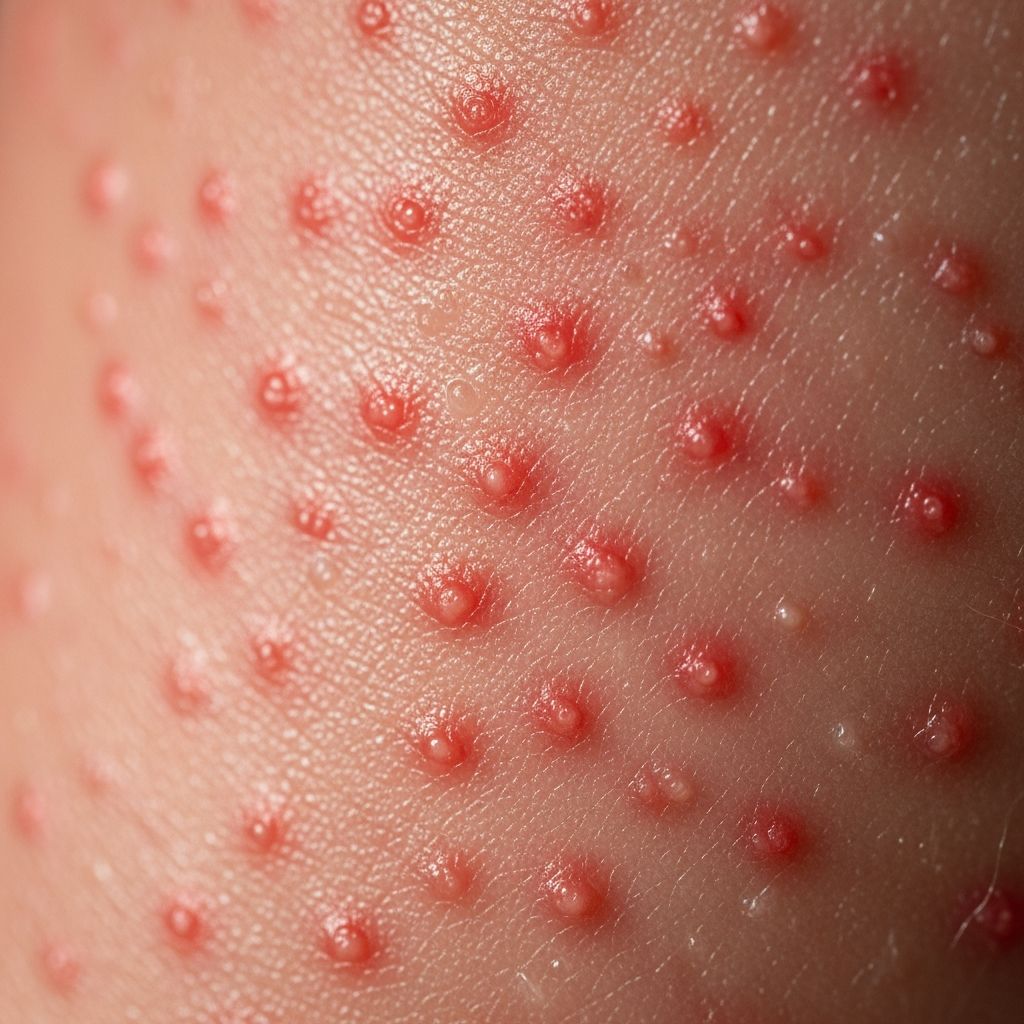
Heat rash, also known as prickly heat or miliaria, is a common skin condition that develops when sweat ducts become blocked, trapping sweat beneath the skin’s surface. This leads to inflammation, redness, and small bumps, often accompanied by itching or a prickling sensation. It frequently occurs in hot, humid environments and affects areas prone to sweating, such as skin folds.
Understanding heat rash symptoms is crucial for prompt relief and prevention of complications like infection. This article covers everything from identification to treatment, drawing on insights from medical authorities to help you manage this uncomfortable condition effectively.
What Is Heat Rash?
Heat rash arises when sweat glands are obstructed, preventing sweat from evaporating. The trapped sweat irritates the skin, resulting in a rash that can range from mild to severe. It is particularly prevalent in infants, whose sweat glands are immature, and in adults in tropical climates or during intense physical activity.
Medically termed miliaria, heat rash is not contagious but can become infected if bacteria enter the blocked ducts. Cooling the skin is the cornerstone of resolution, as the condition typically clears within days in a cooler environment.
Heat Rash Symptoms
The hallmark symptoms of heat rash include small red bumps, intense itching or prickling, and mild swelling. On lighter skin tones, the rash appears as red papules; on darker skin, it may present as flesh-colored or white globules with darker halos visible under dermoscopy.
- Prickling or itching sensation: Often described as ‘pins and needles’ under the skin.
- Small bumps or blisters: Clear, fluid-filled vesicles that may burst easily.
- Redness and inflammation: Surrounding the affected areas, sometimes with swelling.
- Lack of sweating: In the rash zones due to blocked ducts.
Symptoms worsen with continued heat exposure and can lead to discomfort that disrupts sleep or daily activities. In babies, excessive crying may accompany the rash due to irritation.
Where Does Heat Rash Appear?
Heat rash typically emerges in body areas that trap heat and moisture, promoting sweat accumulation.
- Neck and upper chest
- Armpits and groin
- Under the breasts or scrotum
- Skin folds, such as elbows or behind knees
- Back, stomach, and face (especially in infants)
- Diaper area in babies
Friction from clothing or skin-on-skin contact exacerbates the condition in these locations.
Types of Heat Rash
There are three primary types of heat rash, classified by the depth of sweat duct blockage.
| Type | Description | Symptoms | Severity |
|---|---|---|---|
| Miliaria Crystallina | Superficial blockage at skin surface | Tiny clear/white blisters, no inflammation | Mild, most common |
| Miliaria Rubra (Prickly Heat) | Deeper blockage in epidermis | Red bumps, itching, prickling, no sweat | Moderate, uncomfortable |
| Miliaria Profunda | Deepest blockage near dermis | Flesh-colored, firm bumps; may recur | Severe, chronic risk |
Miliaria crystalline resembles dew drops and resolves quickly. Miliaria rubra, the familiar prickly heat, causes more distress. Profunda is rare but can lead to repeated episodes. If pustules form, it indicates miliaria pustulosa, signaling potential infection.
Related Stories



Causes and Risk Factors for Heat Rash
Heat rash develops when external or internal factors block sweat glands.
- Hot, humid weather: Impedes sweat evaporation.
- Overdressing or tight clothing: Especially synthetics like polyester.
- Physical exertion or fever: Increases sweating.
- Infancy: Immature glands in babies.
- Obesity or bed rest: Promotes skin folds and moisture trapping.
- Medications or treatments: That inhibit sweating, like anticholinergics or radiation.
Individuals in tropical regions, athletes, or those with hyperhidrosis (excessive sweating) face higher risks.
How to Get Rid of Heat Rash: Treatment
Most heat rashes resolve spontaneously with cooling measures. Avoid ointments like calamine, as they clog pores further.
Home Remedies
- Cool the area with fans, AC, or cool (not cold) showers.
- Wear loose, breathable cotton clothing.
- Pat skin dry; apply cornstarch powder sparingly to absorb moisture.
- Gently exfoliate to clear dead skin, but avoid harsh scrubbing.
Medical Treatments
For persistent or infected cases, doctors may prescribe:
- Anhydrous lanolin to unblock ducts.
- Topical steroids or antibiotics for inflammation/infection.
- Oral antihistamines for severe itching.
Treatment focuses on symptom relief and preventing heat exposure.
Prevention Tips for Heat Rash
Proactive steps minimize occurrences, especially in summer.
- Stay in cooled, ventilated spaces; use fans or AC.
- Opt for lightweight, natural fabrics; avoid synthetics.
- Shower frequently with cool water and dry thoroughly.
- Limit intense activity in peak heat; hydrate well.
- For babies: Dress lightly, avoid overbundling.
Exfoliate regularly and maintain skin hygiene to keep ducts clear.
When to See a Doctor for Heat Rash
Consult a healthcare provider if:
- Rash lasts over 3-4 days or worsens.
- Pus, open blisters, or fever indicate infection.
- No sweating occurs with dizziness (heat exhaustion risk).
- Rash spreads or accompanies systemic symptoms like high fever.
Urgent care is needed for heatstroke signs: confusion, rapid pulse, nausea. Call emergency services immediately. Diagnosis may involve biopsy or imaging to rule out mimics.
Heat Rash vs. Other Rashes
| Condition | Key Differences from Heat Rash |
|---|---|
| Hives | Larger welts, allergic trigger, widespread |
| Chickenpox | Vesicles crust over, fever, contagious |
| Impetigo | Honey-crusted sores, bacterial |
| Folliculitis | Hair follicle-centered pustules |
| Contact Dermatitis | Linear pattern from irritant exposure |
Heat rash lacks vesicles that crust or systemic illness typical of viral exanthems.
Frequently Asked Questions (FAQs)
Is heat rash contagious?
No, heat rash is not contagious; it results from physical blockage, not pathogens.
How long does heat rash last?
Typically 2-3 days with cooling; longer if untreated or infected.
Can adults get heat rash?
Yes, especially in hot climates, obese individuals, or those overexerting.
Does heat rash scar?
Rarely, unless secondarily infected and scratched excessively.
What lotion is good for heat rash?
Avoid lotions; use powder or none. Consult a doctor for steroids if needed.
Can heat rash cause fever?
Not directly, but infection or heat-related illness can.
Heat rash is a manageable condition with awareness and simple interventions. By recognizing symptoms early and prioritizing cooling, you can alleviate discomfort swiftly.
References
- Heat rash: Symptoms, treatment, appearance, and causes — Medical News Today. 2023-07-13. https://www.medicalnewstoday.com/articles/181512
- Heat rash – treatments and causes — Healthdirect (Australian Government). 2024-05-20. https://www.healthdirect.gov.au/heat-rash
- How to Prevent and Treat Heat Rash in Children — Children’s Health. 2023-06-15. https://www.childrens.com/health-wellness/how-to-prevent-and-treat-heat-rash-in-children
- Symptoms of Heat Rash — American Academy of Pediatrics (HealthyChildren.org). 2024-01-10. https://www.healthychildren.org/English/tips-tools/symptom-checker/Pages/symptomviewer.aspx?symptom=Heat+Rash
Similar Articles








Read full bio of Sneha Tete