Heat Rash Treatment: How To Get Rid Of Prickly Heat Fast
Effective treatments and prevention strategies for heat rash, also known as prickly heat or miliaria, to soothe skin and avoid complications.
Heat rash, commonly known as
prickly heat
ormiliaria
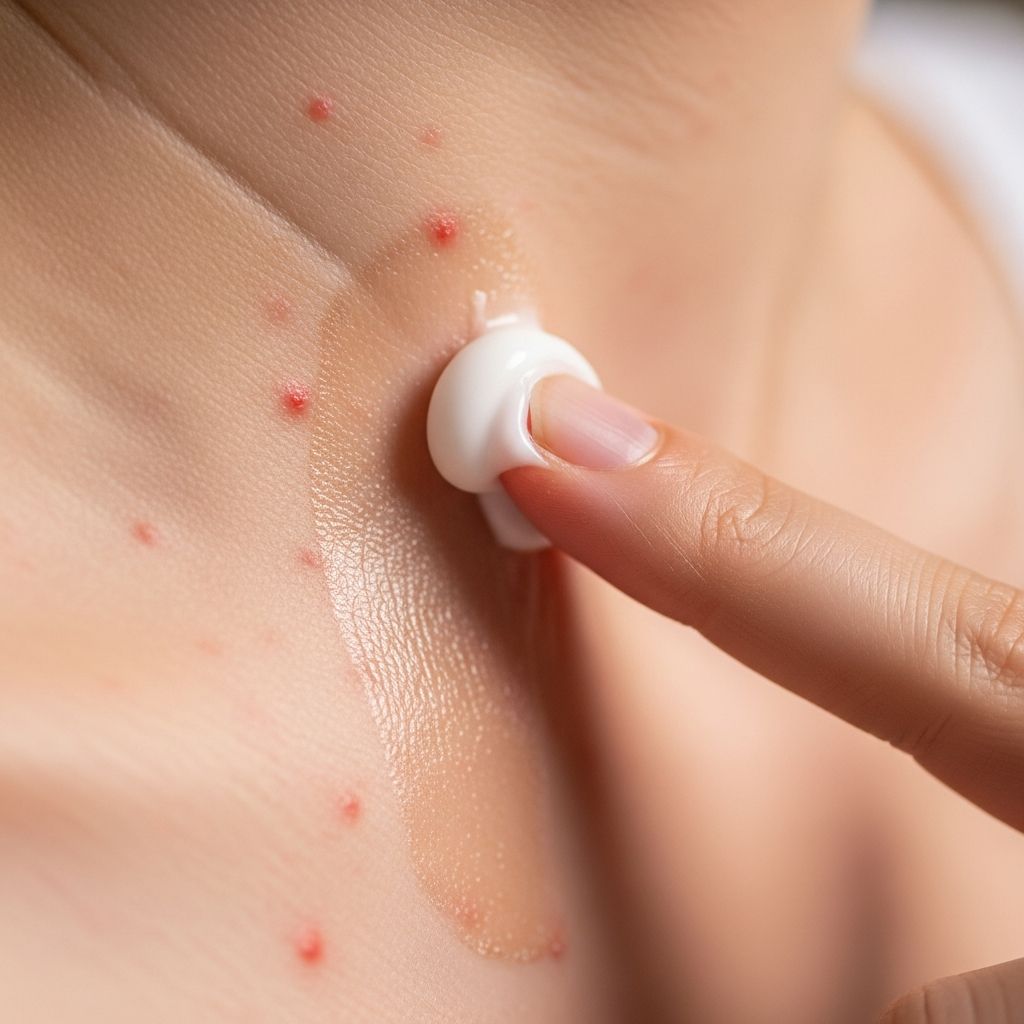
, is a frequent skin condition triggered by blocked sweat ducts in hot, humid environments. It causes itchy, red bumps or blisters where sweat accumulates, such as skin folds, neck, armpits, and groin. While typically resolving on its own with cooling measures, proper treatment prevents complications like infection or heat exhaustion.What Is Heat Rash?
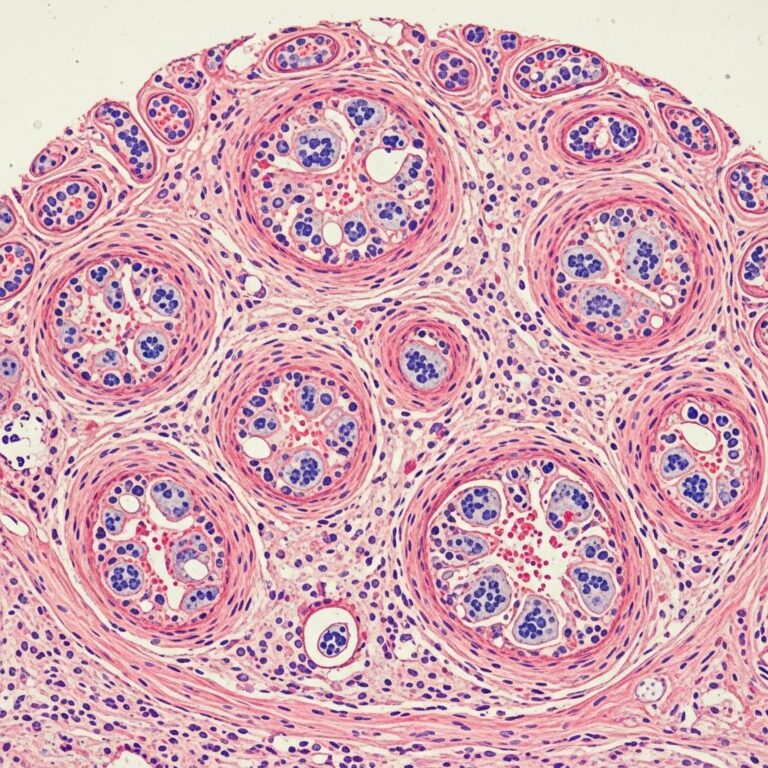
Heat rash occurs when sweat glands become obstructed, trapping perspiration beneath the skin and leading to inflammation. It is prevalent in babies, hot climates, and during intense physical activity. There are several types:
- Miliaria crystallina: Clear, fluid-filled blisters that rupture easily, often not itchy.
- Miliaria rubra (prickly heat): Red, inflamed bumps with intense itching or prickling sensation due to deeper duct blockage.
- Miliaria profunda: Flesh-colored, deeper lumps that may lead to anhidrosis (inability to sweat), risking heat-related illnesses.
Symptoms appear in sweat-prone areas: under breasts, armpits, groin, waistline, neck, upper chest, and in infants, the face or diaper region. Babies are particularly susceptible due to underdeveloped sweat glands and extra skin folds.
Symptoms of Heat Rash
Recognizing heat rash early allows for prompt relief. Common signs include:
- Tiny clear or red blisters that may burst.
- Small red bumps or spots, itchy or prickly.
- Deeper white or red lumps in severe cases.
- Mild swelling or inflammation in affected areas.
The rash often worsens with continued heat exposure, scratching, or friction. In children, it frequently appears on the neck, chest, back, armpits, or diaper area. If pus develops or fever accompanies the rash, infection may be present, requiring medical attention.
What Causes Heat Rash?
The primary cause is blockage of eccrine sweat ducts by sweat, bacteria, dead skin cells, or debris. This is exacerbated by:
- Hot, humid weather trapping moisture.
- Tight, non-breathable clothing (e.g., synthetics).
- Excessive sweating from fever, exercise, or sunburn.
- Infants’ immature sweat glands or skin folds that rub.
Conditions like hypernatremia (high sodium levels) or occlusive dressings increase risk. Unlike allergic rashes, heat rash stems purely from physical sweat obstruction.
Heat Rash Treatment
Treatment prioritizes cooling the skin to unblock ducts and reduce irritation. Most cases clear in days with self-care.
Home Remedies and Self-Care
Focus on environmental and skincare adjustments:
- Move to a cool, air-conditioned or fan-ventilated area.
- Take cool baths or showers to remove sweat and bacteria; pat dry gently.
- Wear loose, lightweight cotton clothing; avoid synthetics or tight fits.
- Apply absorbent powders like cornstarch (avoid talc in babies).
- Use cool compresses or calamine lotion for itch relief, but sparingly to prevent pore clogging.
For babies, strip to diaper, change wet clothes frequently, and ensure light layering.
Over-the-Counter and Prescription Treatments
Related Stories



If symptoms persist:
- Calamine lotion or menthol creams: Soothe itching and cool skin.
- 1% hydrocortisone cream: Reduces inflammation (short-term use).
- Antibacterial ointments: For signs of infection like pus or increased redness.
- Prescription steroids: For severe, unresponsive rashes.
Avoid petroleum-based products that block pores. Consult a pharmacist for child-safe options.
When to See a Doctor
Seek medical help if:
- Rash persists >3 days despite cooling.
- Large areas affected or unusual appearance (e.g., pus-filled).
- Fever, pain, swelling, or recurrent episodes.
- Signs of heat exhaustion: dizziness, rapid pulse, confusion.
Doctors may prescribe stronger topicals or antibiotics for infections.
Heat Rash in Babies and Children
Infants are prone due to heat-trapping folds and bedding. Prevention and treatment mirror adults but emphasize:
- Cool rooms (68-72°F), fans, or AC.
- Single-layer cotton onesies; frequent diaper changes.
- No heavy blankets or overheating during sleep.
- Gently clean folds; avoid lotions if rash active.
Texas summers highlight humidity’s role; portable misters aid outdoor play.
Prevention Tips for Heat Rash
Proactive steps minimize recurrence:
| Strategy | Details |
|---|---|
| Environment | Stay in AC/fanned areas; avoid peak heat (10 AM-4 PM). |
| Clothing | Loose cotton; light colors reflect heat. |
| Hygiene | Cool showers, exfoliate gently; hydrate well. |
| For Kids | Shade, hydration, no car seat naps. |
Anhidrosis risk underscores early intervention.
Complications of Untreated Heat Rash
Rare but serious:
- Infection: Bacterial entry causes abscesses, pus.
- Heat exhaustion/stroke: Extensive anhidrosis impairs cooling, leading to hyperthermia.
Monitor for worsening; vulnerable groups include infants and elderly.
Frequently Asked Questions (FAQs)
What is the fastest way to get rid of heat rash?
Cool the skin immediately with baths, loose clothing, and ventilation; most improve in 24-48 hours.
Is calamine lotion safe for babies with heat rash?
Yes, sparingly after consulting a doctor; avoid if it worsens blockage.
Can heat rash turn into something worse?
Yes, infection or heatstroke if extensive; seek care for pus or fever.
How long does heat rash last?
1-3 days with cooling; longer if untreated or reinjured.
Does hydrocortisone help heat rash?
Low-strength OTC versions reduce itch; prescription for severe cases.
References
- Heat rash – treatments and causes — Healthdirect (Australian Government). 2023. https://www.healthdirect.gov.au/heat-rash
- How to Prevent and Treat Heat Rash in Children — Children’s Health. 2024. https://www.childrens.com/health-wellness/how-to-prevent-and-treat-heat-rash-in-children
- Miliaria – StatPearls — NCBI Bookshelf (National Center for Biotechnology Information). 2023-10-01. https://www.ncbi.nlm.nih.gov/books/NBK537176/
- How to manage heat rash — HealthCert Education. 2024. https://www.healthcert.com/blog/how-to-manage-heat-rash
Similar Articles








Read full bio of Sneha Tete