Heat-Related Illnesses: Cramps, Exhaustion, and Stroke
Understanding heat cramps, heat exhaustion, and heat stroke: symptoms, treatment, and prevention strategies.
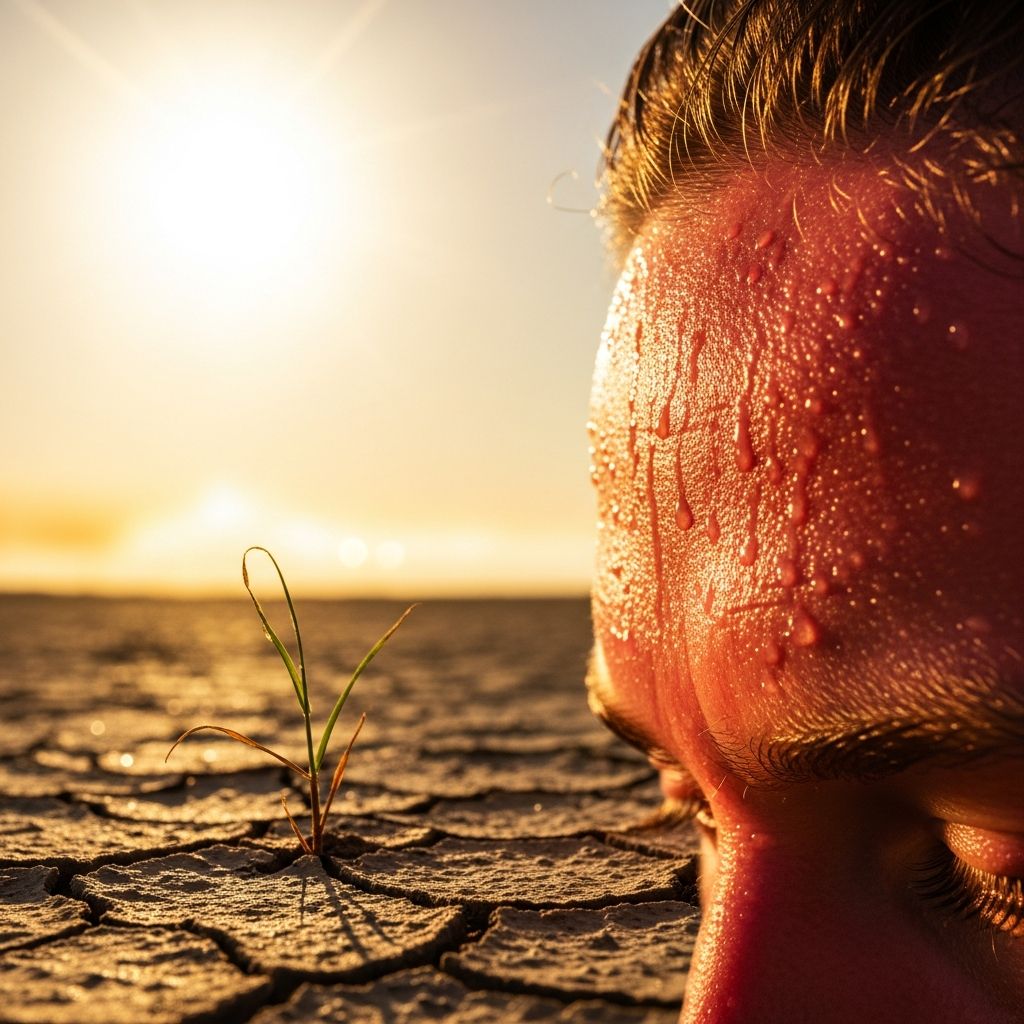
Understanding Heat-Related Illnesses
Heat-related illnesses occur when the body’s temperature regulation system becomes overwhelmed by extreme environmental temperatures. Environmental exposure to high temperatures can result in abnormalities ranging from mild heat exhaustion to heat stroke with multiorgan system failure. These conditions represent a spectrum of medical emergencies that can develop rapidly and require prompt recognition and treatment. Understanding the mechanisms of thermoregulation and how those mechanisms fail with extreme heat stress is critical for management of patients with elevated body temperature.
Heat-related illnesses are particularly concerning during summer months and heat waves, affecting millions of people annually. Without appropriate cooling strategies, extreme heat overextends the body’s capability to regulate its temperature, which can then lead to cardiovascular and respiratory compromise, multi-organ failure, impaired coagulation, loss of consciousness, and even death.
The Three Types of Heat-Related Illnesses
Heat-related illnesses exist on a spectrum, progressing from mild to severe. The three main categories are heat cramps, heat exhaustion, and heat stroke. Each condition requires different levels of intervention and represents increasing severity.
Heat Cramps
Heat cramps are the mildest form of heat-related illness and typically occur during or after intense physical activity in hot environments. They manifest as painful, involuntary muscle contractions, usually affecting the legs, abdomen, or arms. Heat cramps typically affect individuals who are sweating heavily and losing significant amounts of salt and fluids through perspiration.
The primary cause of heat cramps is the depletion of electrolytes, particularly sodium and potassium, combined with dehydration. These minerals are essential for proper muscle function, and their loss through excessive sweating disrupts normal muscular contractions. Athletes, outdoor workers, and individuals engaging in strenuous activities during hot weather are particularly susceptible to developing heat cramps.
Symptoms of heat cramps include:
– Sudden, painful muscle contractions- Muscle twitching or spasms- Pain in legs, arms, or abdomen- Muscles that feel hard to the touch- Symptoms that typically appear during or shortly after physical exertion
Heat Exhaustion
Heat exhaustion represents a more serious condition than heat cramps and occurs when the body loses excessive fluids and electrolytes through sweating. During heat exhaustion, the body’s core temperature rises above normal, typically ranging from 98.6°F to 104°F (37°C to 40°C). This condition develops gradually and can progress to heat stroke if not treated promptly and appropriately.
Heat exhaustion results from the body’s inability to dissipate heat effectively through sweating. While sweating is the body’s primary cooling mechanism, excessive sweating in hot, humid conditions depletes the body of critical fluids and minerals. When these losses are not replaced, the cardiovascular system begins to fail, unable to maintain adequate blood circulation to both the skin and vital organs.
Common symptoms of heat exhaustion include:
– Heavy sweating- Weakness and fatigue- Dizziness or light-headedness- Rapid or weak pulse- Nausea or vomiting- Muscle cramps- Pale, clammy skin- Headache- Body temperature between 98.6°F and 104°F
Heat Stroke
Heat stroke is a life-threatening medical emergency that requires immediate professional medical attention. During heat stroke, the body’s core temperature exceeds 104°F (40°C), and the body’s cooling mechanisms fail completely. This represents the most severe form of heat illness and can result in permanent organ damage or death if not treated immediately.
Related Stories



Heat stroke occurs when thermoregulation fails entirely. The body may stop sweating despite dangerously elevated core temperatures, or sweating may continue despite the body’s inability to cool down. Without rapid intervention, the extreme internal heat damages tissues throughout the body, including the brain, heart, liver, and kidneys.
Key symptoms of heat stroke include:
– Core body temperature above 104°F (40°C)- Hot, red, dry skin (may or may not be sweating)- Confusion or altered mental state- Loss of consciousness or unresponsiveness- Rapid, strong pulse- Possible seizures- Severe headache- Nausea and vomiting
Risk Factors and Vulnerable Populations
Certain individuals face significantly elevated risk for developing heat-related illnesses. Understanding these risk factors helps identify those who need extra protection during hot weather.
High-risk groups include:
– Elderly individuals, particularly those over 65 years old- Young children and infants- Individuals with chronic medical conditions such as heart disease, diabetes, or respiratory disease- People taking certain medications that impair heat dissipation- Individuals who are overweight or obese- Those with a history of previous heat-related illness- Outdoor workers and athletes- People living in urban areas without adequate air conditioning- Individuals with limited access to cooling facilities or transportation- Those with mobility limitations that prevent them from reaching cooler environments
First Aid and Emergency Treatment
Managing Heat Cramps
For individuals experiencing heat cramps, immediate treatment focuses on replacing lost fluids and electrolytes:
– Move to a cooler location- Drink water or electrolyte-containing beverages- Gently stretch the affected muscles- Apply cool compresses to cramping areas- Stop physical activity until cramps resolve- Seek medical attention if cramps persist beyond one hour or if the individual cannot tolerate oral fluids
Treating Heat Exhaustion
Heat exhaustion requires more aggressive intervention than heat cramps:
– Move to a cool, shaded area immediately- Remove excess clothing- Apply cool water to skin or immerse in cool water- Drink cool water or sports drinks containing electrolytes- Lie down with legs elevated- Monitor body temperature- Seek medical evaluation if symptoms do not improve within 30 minutes- Do not leave the person alone- If vomiting occurs or the person loses consciousness, call emergency services
Heat Stroke Emergency Response
Heat stroke demands immediate emergency medical intervention. Call 911 or your local emergency number immediately if heat stroke is suspected:
– Move the person to an air-conditioned environment or shaded area- Remove outer layers of clothing- Apply ice packs to neck, armpits, and groin where major blood vessels are located- Spray with cool water and fan aggressively to promote evaporative cooling- Immerse in cool or cold water if available and if it does not delay emergency services- Do not give fluids orally if the person is confused or unconscious- Continue cooling measures until emergency responders arrive- Monitor breathing and pulse- Begin CPR if necessary
Prevention Strategies
Personal Prevention Measures
Effective prevention of heat-related illnesses involves multiple strategies tailored to individual circumstances:
Hydration: Drink plenty of water throughout the day, especially during hot weather or physical activity. Do not wait until thirsty to drink water. Aim for at least 8-10 glasses daily, increasing intake during heat exposure. Avoid excessive alcohol and caffeine, which promote dehydration.
Appropriate Clothing: Wear lightweight, light-colored, loose-fitting clothing that allows sweat to evaporate. Cotton or moisture-wicking fabrics work better than synthetic materials. Apply sunscreen with at least SPF 30 to protect skin from additional heat absorption.
Activity Timing: Schedule outdoor activities for early morning or evening when temperatures are cooler. Avoid strenuous exercise during peak heat hours, typically 10 a.m. to 4 p.m. Take frequent breaks in shaded or air-conditioned areas.
Environmental Control: Use air conditioning when available. If without air conditioning, spend time in public places with cooling such as libraries, shopping centers, or community cooling centers. Use fans to promote air circulation, and keep windows closed during the hottest parts of the day.
Gradual Acclimatization: If moving to a hotter climate or beginning outdoor work, gradually increase heat exposure over 10-14 days to allow the body to adapt. This acclimatization process improves the body’s ability to handle heat stress.
Community-Level Interventions
Multi-pronged heat action plans were highly effective in reducing heat-related mortality and morbidity, especially among vulnerable populations such as the elderly and those with chronic conditions. Effective community-based interventions to mitigate or reduce the impact of extreme heat on heat-related mortality and morbidity include instituting early warning systems, building local capacity to identify, prevent or treat and manage heat-related illnesses, and disseminating information.
Communities can implement buddy systems to check on vulnerable neighbors during heat waves, establish cooling centers in accessible public locations, and conduct public education campaigns about heat illness recognition and prevention. Urban planning that includes green spaces, trees, and parks helps reduce the urban heat island effect and provides natural cooling.
When to Seek Medical Attention
Call 911 or go to the emergency room immediately if:
– Body temperature exceeds 103°F- Confusion or altered mental status develops- Loss of consciousness occurs- Seizures develop- Severe headache or chest pain appears- Rapid pulse persists despite cooling measures- Symptoms do not improve with first aid measures- The person cannot safely recover in a home environment
Schedule a follow-up appointment with your healthcare provider if:
– You experience repeated episodes of heat cramps- Heat exhaustion symptoms recur- You have underlying medical conditions and need medication adjustments during hot weather- You want personalized advice about heat illness prevention
Special Considerations
Medications and Heat Sensitivity
Certain medications increase susceptibility to heat-related illnesses by interfering with the body’s ability to sweat or regulate temperature. These include antihistamines, anticholinergics, some psychiatric medications, and stimulants. If you take medications regularly, discuss heat precautions with your healthcare provider during hot weather.
Chronic Conditions and Heat
Individuals with heart disease, diabetes, or respiratory conditions face elevated risk during heat exposure. Heat causes the heart to work harder to pump blood to the skin for cooling, potentially triggering cardiac events in susceptible individuals. Diabetes affects sweat response and fluid balance. Respiratory disease worsens in hot, humid conditions that irritate airways. Those with these conditions should take extra precautions and maintain close contact with healthcare providers during heat waves.
Physical Activity in Heat
Athletes and outdoor workers should drink fluids regularly before, during, and after physical activity, even if not thirsty. Gradually increase intensity and duration in hot environments. Wear appropriate clothing and take frequent breaks in shaded areas. Monitor for heat illness symptoms and reduce activity intensity if symptoms appear.
Frequently Asked Questions
Q: How can I tell the difference between heat exhaustion and heat stroke?
A: Heat exhaustion presents with heavy sweating, weakness, dizziness, and a body temperature between 98.6°F and 104°F. Heat stroke features a body temperature above 104°F, altered mental status, possible lack of sweating despite extreme heat, and is a medical emergency requiring immediate 911 call.
Q: Are children at higher risk for heat-related illness?
A: Yes, young children have less developed temperature regulation systems and may not recognize thirst signals. They depend on caregivers for hydration and cooling. Always ensure children stay hydrated, avoid excessive sun exposure, and supervise them closely during hot weather.
Q: What is the urban heat island effect and how does it affect health?
A: The urban heat island effect occurs when building materials such as concrete and asphalt absorb heat during the day and radiate it back at night, causing temperatures to rise more dramatically in cities compared to rural areas. This increases heat illness risk, particularly for those without air conditioning, and worsens breathing problems in people with asthma and COPD.
Q: Can heat-related illness cause long-term complications?
A: Yes, severe heat stroke can cause permanent organ damage affecting the brain, heart, liver, and kidneys. Some individuals experience long-term neurological complications or reduced exercise tolerance after severe heat illness. Those with prior heat stroke have increased risk of recurrence.
Q: What should I do if someone faints from heat exhaustion?
A: Move them to a cool location, lay them down with legs elevated, apply cool water to skin, and offer cool drinks if conscious. If they remain unconscious or do not regain consciousness within a few minutes, call 911 immediately and continue cooling measures until emergency responders arrive.
Q: Is it safe to exercise outdoors during a heat wave?
A: Exercise outdoors during heat waves carries increased risk. Limit outdoor activity to early morning or evening hours, decrease intensity and duration, drink extra fluids, wear appropriate clothing, and take frequent breaks in shade. Consider moving indoor activities during extreme heat days.
References
- Heat-related illness — Johns Hopkins University School of Medicine. 2013. https://pure.johnshopkins.edu/en/publications/heat-related-illness-3
- Effective Community-Based Interventions for the Prevention and Management of Heat-Related Illnesses: A Scoping Review — National Center for Biotechnology Information. 2021. https://pmc.ncbi.nlm.nih.gov/articles/PMC8394078/
- How to combat urban heat islands — Johns Hopkins University Hub. 2021. https://hub.jhu.edu/magazine/2021/winter/urban-heat-zones/
Similar Articles








Read full bio of medha deb