Heat Stroke And Exhaustion: Essential First-Aid Guide
Recognize symptoms, treat promptly, and prevent life-threatening heat illnesses during hot weather.

Heat-related illnesses occur when the body overheats and struggles to cool down, ranging from mild discomfort to life-threatening emergencies. Heat exhaustion represents an early stage where the body loses fluids and salts through heavy sweating, while heat stroke is the severe form marked by failure of the body’s cooling mechanisms, potentially leading to organ damage or death if untreated.
Understanding the Body’s Cooling Process
The human body maintains a core temperature around 98.6°F (37°C) primarily through sweating. As sweat evaporates from the skin, it dissipates heat, preventing overheating during exercise or high temperatures. However, in humid conditions, evaporation slows, impairing this process. Factors like dehydration reduce sweat production, exacerbating risks.
Heat Exhaustion: Early Warning Signs
Heat exhaustion develops from prolonged exposure to heat, intense activity, or inadequate hydration. It signals the body’s distress before progressing to worse conditions. Common triggers include high humidity, where the heat index—a measure combining temperature and moisture—exceeds 91°F (33°C), making cooling difficult.
Symptoms to Watch For
- Heavy sweating with cool, moist skin, often pale or clammy
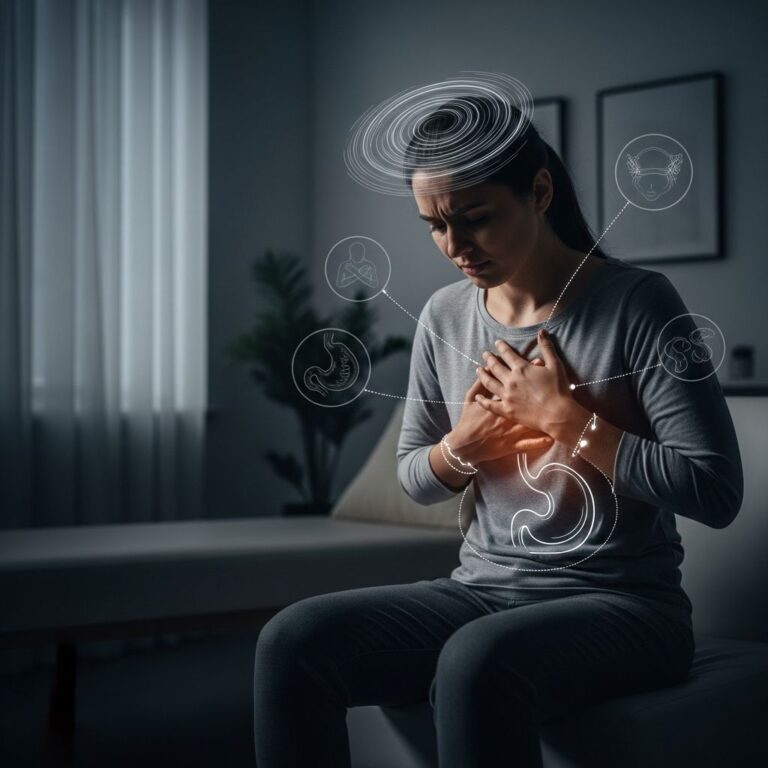
- Dizziness, faintness, or lightheadedness, especially when standing
- Weak, rapid pulse and low blood pressure
- Muscle cramps, fatigue, or weakness
- Headache, nausea, or vomiting
- Thirst and reduced urine output
These signs can appear suddenly or build gradually during extended physical effort in hot environments. Children, older adults, and those with obesity or chronic conditions like heart disease are particularly vulnerable.
Heat Stroke: A Medical Emergency
Heat stroke emerges when core body temperature surpasses 104°F (40°C), and sweating often ceases. This hyperthermia causes brain dysfunction, manifesting as confusion or worse. Unlike exhaustion, skin feels hot and dry, signaling total cooling failure.
Critical Symptoms
- Confusion, agitation, slurred speech, or altered mental status
- Loss of consciousness, seizures, or coma
- Hot, dry, red skin (or sometimes profuse sweating)
- Rapid, strong heartbeat and shallow breathing
- Extremely high body temperature
Without rapid intervention, heat stroke damages vital organs, leading to permanent disability or fatality within minutes.
Key Differences Between Heat Exhaustion and Heat Stroke
| Aspect | Heat Exhaustion | Heat Stroke |
|---|---|---|
| Skin Feel | Cool, moist, sweaty | Hot, dry (may sweat initially) |
| Mental State | Alert, dizzy | Confused, unconscious |
| Body Temp | Elevated but under 104°F | 104°F or higher |
| Sweating | Heavy | Often absent |
| Treatment Urgency | Rest and hydrate | Emergency cooling |
Risk Factors and Vulnerable Groups
Not everyone faces equal danger. Dehydration from insufficient fluids impairs sweating. Alcohol, overdressing in non-breathable clothes, and certain medications—like diuretics, beta-blockers, antihistamines, or antipsychotics—hinder temperature regulation. High-risk groups include:
- Outdoor workers or athletes
- Elderly individuals with reduced thirst perception
- Infants and young children
- People with obesity, diabetes, or cardiovascular issues
- Those unacclimated to heat
Related Stories



Immediate First Aid for Heat Exhaustion
Act quickly to reverse symptoms:
- Get the person to a shaded, cool area; use air conditioning if available.
- Remove excess clothing and loosen tight garments.
- Cool the body with wet cloths, a cool shower, or fanning.
- Rehydrate with cool water or electrolyte drinks; avoid caffeine or alcohol.
- Rest with feet elevated; monitor for 30-60 minutes.
Seek medical help if no improvement in an hour, symptoms worsen, or confusion arises.
Emergency Response for Heat Stroke
Call emergency services immediately. While waiting:
- Move to a cool area and remove clothing.
- Douse with cool water and fan vigorously; apply ice packs to neck, armpits, groin.
- Do not give fluids if unconscious or vomiting.
- Monitor breathing and pulse; perform CPR if needed.
Hospital treatment involves IV fluids, cooling blankets, and organ monitoring.
Prevention Strategies for Hot Weather
Proactive measures reduce risks significantly:
- Stay hydrated: Drink water every 15-20 minutes, more during activity; aim for clear urine.
- Timing activities: Avoid peak heat (10 AM-4 PM); schedule for cooler mornings or evenings.
- Wear appropriate clothing: Light, loose, breathable fabrics in light colors.
- Monitor weather: Check heat index forecasts and limit exposure above 91°F.
- Acclimatize gradually: Build tolerance over 1-2 weeks in hot conditions.
- Use protection: Sunscreen, hats, umbrellas; seek shade frequently.
Special Considerations for At-Risk Populations
Older adults may not feel thirst, so encourage regular intake. Children dehydrate faster; never leave them in vehicles. Workers should take frequent breaks in cooled areas with electrolyte replenishment. Those on medications should consult doctors about heat risks.
Recognizing Heat Cramps as a Precursor
Heat cramps involve painful muscle spasms in legs, arms, or abdomen from salt loss via sweating. Treat with rest, gentle stretching, and salty snacks or sports drinks. These often precede exhaustion, so address promptly.
Long-Term Recovery and When to Follow Up
Most recover from exhaustion with rest, but heat stroke survivors need monitoring for kidney, heart, or neurological issues. Follow up with a doctor for persistent fatigue, swelling, or confusion. Full recovery may take days to weeks.
Frequently Asked Questions (FAQs)
What is the fastest way to cool someone with heat stroke?
Immerse in cool water or use ice packs on pulse points while fanning; emergency services provide advanced cooling.
Can heat exhaustion happen indoors?
Yes, in non-air-conditioned spaces during heatwaves or with high humidity.
How much water should I drink in hot weather?
About 1 cup every 20 minutes; more if active or sweating heavily.
Does air conditioning prevent all heat illnesses?
It helps but doesn’t eliminate risks; hydration and monitoring remain essential.
Is heat stroke only from outdoor heat?
No, it can occur from intense exercise, saunas, or vehicles without ventilation.
Global Heat Illness Trends
Climate change increases heatwave frequency, raising incidences. Public health campaigns emphasize awareness, as seen in guidelines from major health bodies.
References
- Heat exhaustion – Symptoms and causes — Mayo Clinic. 2023-10-15. https://www.mayoclinic.org/diseases-conditions/heat-exhaustion/symptoms-causes/syc-20373250
- Heat Stroke: Symptoms, Treatment & Recovery — Cleveland Clinic. 2024-06-12. https://my.clevelandclinic.org/health/diseases/21812-heatstroke
- Heat-related Illnesses — Centers for Disease Control and Prevention (CDC). 2024-05-01. https://www.cdc.gov/niosh/heat-stress/about/illnesses.html
- Heat exhaustion and heatstroke — National Health Service (NHS). 2023-07-20. https://www.nhs.uk/conditions/heat-exhaustion-heatstroke/
- Is it heat exhaustion or heat stroke? Here are the symptoms to watch for — UC Davis Health. 2024-07-10. https://health.ucdavis.edu/blog/cultivating-health/is-it-heat-exhaustion-or-heat-stroke-here-are-the-symptoms-to-watch-for/2024/07
Similar Articles








Read full bio of Sneha Tete