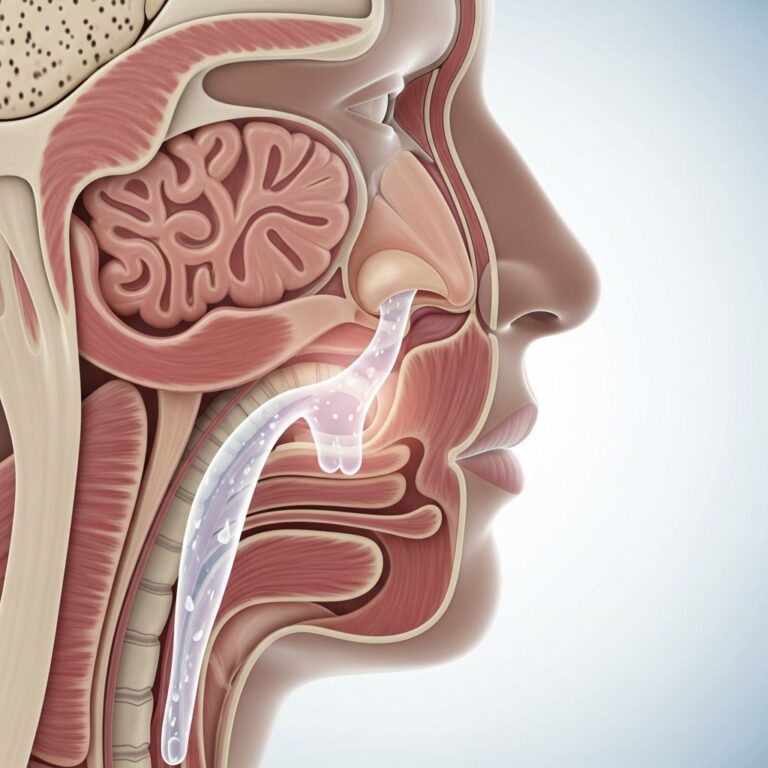
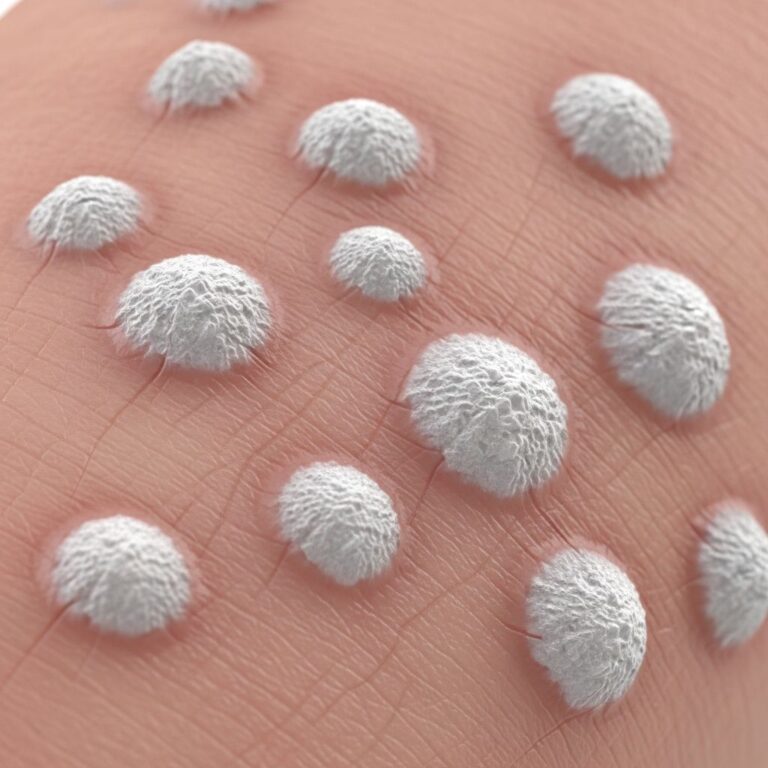
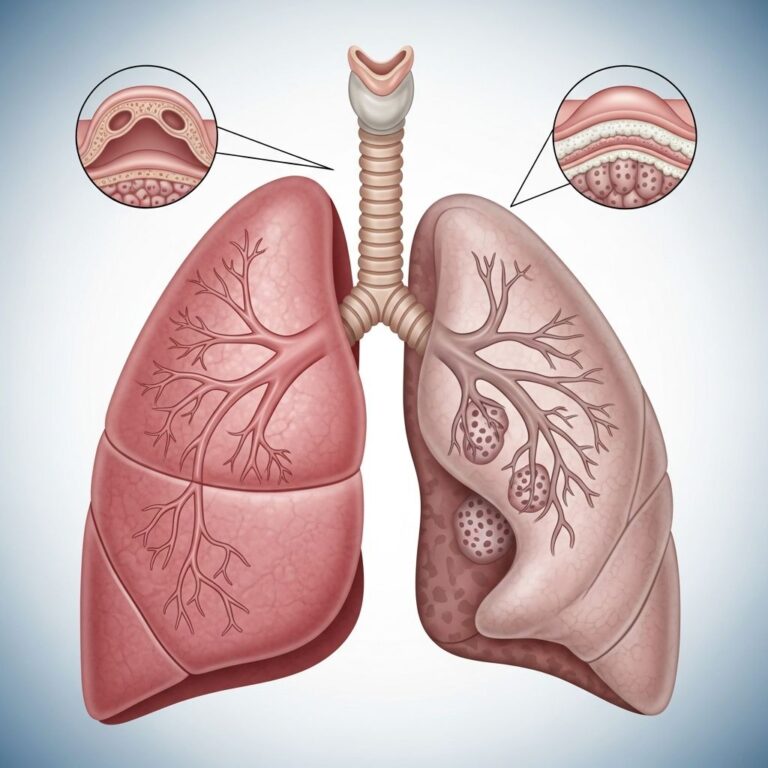
Heat Urticaria: Causes, Diagnosis, and Treatment
Comprehensive guide to heat urticaria: understanding causes, clinical features, and effective management strategies.
Heat Urticaria: A Comprehensive Overview
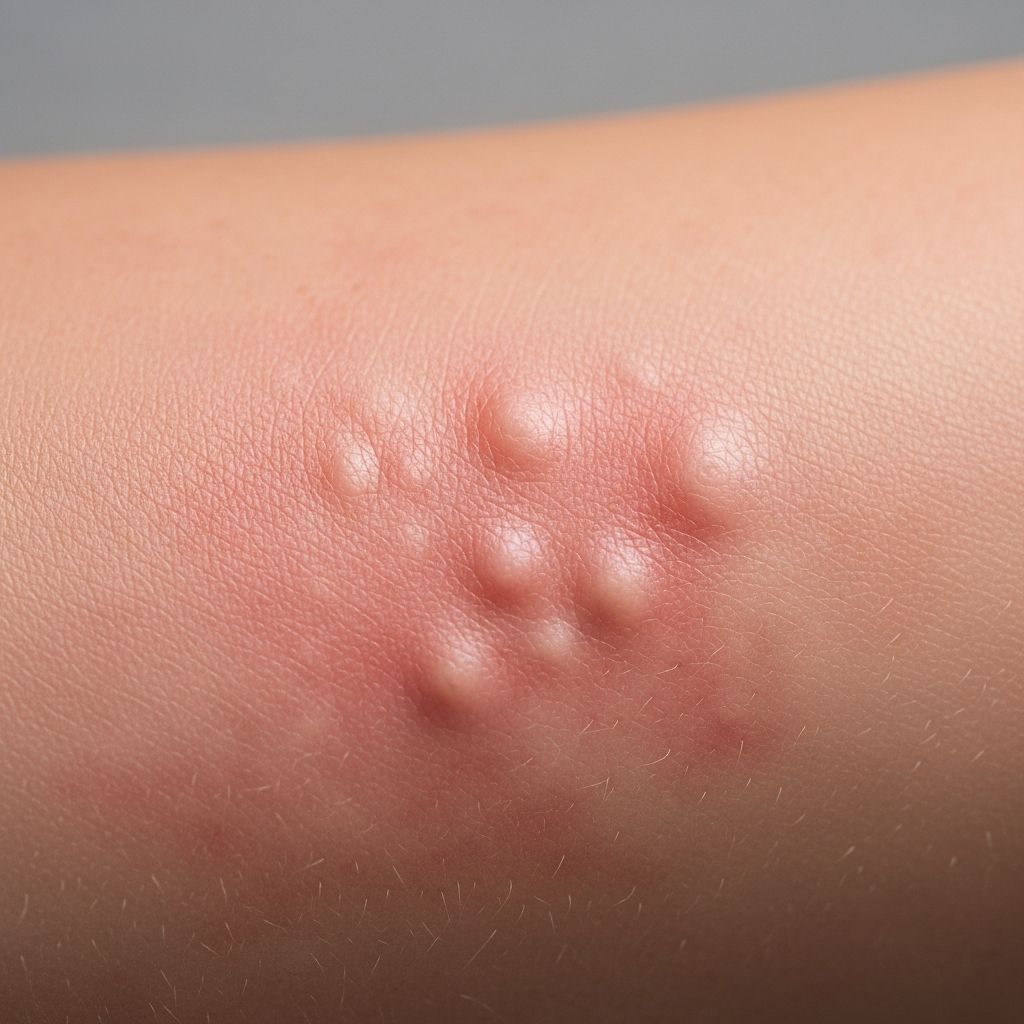
Heat urticaria is a rare type of physical or chronic inducible urticaria that develops following direct contact of a warm stimulus to the skin. Also referred to as contact heat urticaria or localised heat urticaria, this condition presents a unique clinical challenge due to its rapid onset and specific triggering mechanism. The urticaria typically appears within minutes of exposure and resolves within one to two hours, though it can occasionally cause more severe systemic symptoms including angioedema.
Introduction and Classification
Heat urticaria belongs to the family of physical urticarias, which are triggered by direct environmental stimuli rather than allergens or internal immune mechanisms. Among physical urticarias, heat-induced variants are relatively uncommon, making them an important differential diagnosis when patients present with temperature-related hives. Understanding the distinction between heat urticaria and other forms of temperature-related skin reactions, such as cholinergic urticaria (which involves increased core body temperature), is essential for proper diagnosis and management.
The condition affects individuals across various demographics, though specific epidemiological data on prevalence remains limited in medical literature. Patients with heat urticaria often experience significant lifestyle disruption, particularly those living in warm climates or engaged in regular physical activity.
Demographics and Epidemiology
While heat urticaria is considered rare within the spectrum of physical urticarias, it can affect individuals of any age or background. The condition may have variable presentation depending on individual sensitivity thresholds and environmental exposure patterns. Some patients experience their first episode during adolescence or early adulthood, while others may develop symptoms later in life. Genetic predisposition and underlying immune system reactivity likely play significant roles in disease susceptibility, though research in this area remains ongoing.
Causes and Triggering Mechanisms
The exact pathophysiological mechanism underlying heat urticaria remains incompletely understood, but several factors contribute to its development:
- Direct Heat Exposure: Contact with warm or hot objects, surfaces, or environments that directly transfer heat to the skin
- Hot Water Exposure: Bathing or showering in hot water triggers urticaria in susceptible individuals
- Environmental Heat: Exposure to hot weather or direct sunlight can provoke reactions
- Increased Body Temperature: Any mechanism that raises core or localized skin temperature may trigger symptoms
The underlying mechanism involves heat-induced activation of mast cells and basophils in the dermis, leading to the release of histamine and other inflammatory mediators. When exposed to warm temperatures, blood vessels dilate and histamine release initiates the cascade of events resulting in characteristic hive formation. The specific temperature threshold at which individuals develop symptoms varies considerably, with some patients reacting to temperatures as low as 44°C (approximately 111°F).
Clinical Features and Presentation
Heat urticaria presents with distinctive clinical characteristics that aid in diagnosis:
Acute Symptoms
- Rapid Onset: Urticaria typically develops within minutes following heat exposure
- Red, Raised Welts: Characteristic hives appear as erythematous wheals on exposed or affected skin areas
- Intense Pruritus: Significant itching accompanies the hives, sometimes described as burning or stinging sensation
- Localized or Generalized: Reactions may remain localized to the area of heat contact or spread to involve broader body regions
- Angioedema: In some cases, deeper tissue swelling may occur, particularly around the eyes, lips, or throat
Temporal Characteristics
One of the defining features of heat urticaria is its predictable time course. Symptoms typically resolve within one to two hours once the triggering heat stimulus is removed and skin temperature normalizes. This relatively rapid resolution distinguishes heat urticaria from chronic spontaneous urticaria, where hives may persist for weeks or months. However, repeated or prolonged heat exposure can result in recurrent flares, significantly impacting quality of life.
Related Stories



Severity Spectrum
The severity of heat urticaria varies widely among affected individuals. Some patients experience mild, localized reactions limited to areas of direct heat contact, while others develop extensive urticaria affecting large body surface areas. In rare cases, heat-induced urticaria can progress to systemic symptoms including angioedema, bronchospasm, or anaphylaxis, particularly in severely sensitized individuals.
Diagnosis and Diagnostic Procedures
Accurate diagnosis of heat urticaria relies primarily on clinical history combined with confirmatory provocation testing.
Provocation Testing Protocol
The diagnosis is confirmed through provocation tests, which remain the gold standard for identifying heat urticaria. The testing procedure involves:
- Application of a warm stimulus to the inner forearm, typically using a test tube containing water heated to greater than 44°C (111°F) or a heated cylinder
- Observation period following stimulus application and removal
- Documentation of urticaria development, typically occurring within minutes after the warm stimulus has been removed
- Repetition of testing using different temperatures to determine individual sensitivity thresholds and assess treatment response over time
Clinical History Evaluation
A comprehensive history should document:
- Timing of symptom onset in relation to heat exposure
- Duration and severity of reactions
- Specific triggers and environmental factors
- Impact on daily activities and quality of life
- Previous treatments attempted and their effectiveness
- Associated symptoms including angioedema or systemic manifestations
Differential Diagnoses
Several conditions may resemble or coexist with heat urticaria and should be considered during diagnostic evaluation:
- Cholinergic Urticaria: Triggered by increased core body temperature from exercise, emotional stress, or hot environments rather than direct skin contact with heat
- Heat Rash (Prickly Heat): A non-allergic condition resulting from sweat duct obstruction, typically presenting as small vesicles rather than urticarial wheals
- Aquagenic Urticaria: Triggered by contact with water regardless of temperature
- Chronic Spontaneous Urticaria: Persistent hives without identifiable environmental triggers
- Systemic Mastocytosis: Underlying mast cell disorder that may present with heat-triggered symptoms
Treatment Approaches
First-Line Management: Antihistamines
The primary pharmacological approach to heat urticaria involves non-sedating second-generation H1 antihistamines. Standard first-line agents include:
- Cetirizine (Zyrtec): 10 mg daily
- Loratadine (Claritin): 10 mg daily
It is important to note that antihistamines tend to be less effective for heat urticaria than for other forms of urticaria. Initial dosing with standard antihistamine doses achieves symptom control in approximately 40% of patients. For those with inadequate response, dose escalation represents the next therapeutic step.
Dose Escalation Strategy
When symptoms persist despite standard dosing, the antihistamine dose should be systematically increased, up to four times the standard daily dose. This dosing strategy, while not standard for other urticaria types, achieves at least partial effectiveness in approximately 60% of patients with heat urticaria. The gradual dose increase should be monitored for adverse effects while assessing therapeutic benefit.
Alternative and Adjunctive Treatments
For patients with inadequate response to antihistamines or those requiring additional therapeutic options, alternative agents include:
- Leukotriene Inhibitors: Medications such as montelukast (Singulair) address alternative inflammatory pathways
- Immunosuppressive Agents: Cyclosporine and dapsone for severe, refractory cases
- Danazol: An anabolic steroid with immunomodulatory properties
- Beta-Blockers: Propranolol may help modulate sympathetic nervous system responses
- Topical Agents: Scopolamine patches for localized temperature control
- Biologic Therapy: Omalizumab (Xolair), an anti-IgE monoclonal antibody, for severe cases unresponsive to conventional therapy
Emergency Management
Patients at risk of severe reactions including anaphylaxis should carry epinephrine auto-injectors (EpiPen) for immediate use during serious episodes. This is particularly important for individuals with documented systemic symptoms or a history of severe reactions.
Lifestyle Modification and Trigger Avoidance
Identifying and avoiding triggering factors represents the foundational approach to heat urticaria management. Practical strategies include:
- Avoid Hot Water Exposure: Symptomatic individuals should not bathe in hot water; lukewarm water temperatures are preferable
- Temperature Control: Maintain cool environmental temperatures in home and workplace settings
- Exercise Timing: Schedule physical activity during cooler parts of the day; symptomatic athletes should avoid exercise in hot weather
- Clothing Selection: Wear loose-fitting, breathable garments that minimize heat retention
- Climate Management: Utilize air conditioning and cooling devices to maintain comfortable temperatures
- Stress Management: Identify emotional triggers and employ relaxation techniques, as anxiety-related temperature elevation can provoke symptoms
Outcome and Prognosis
Heat urticaria demonstrates variable long-term outcomes depending on individual disease severity and treatment responsiveness. While some patients achieve excellent control with antihistamine therapy or trigger avoidance, others experience chronic, persistent symptoms requiring ongoing management and multiple therapeutic approaches. The condition rarely resolves spontaneously and typically requires sustained treatment strategies. Prognosis improves with comprehensive patient education regarding trigger identification and appropriate medical supervision.
Frequently Asked Questions
Q: How quickly do symptoms appear after heat exposure?
A: Heat urticaria symptoms typically develop rapidly, usually within minutes following direct contact with warm stimulus. The onset is one of the distinguishing features of this condition.
Q: How long do heat urticaria reactions typically last?
A: Most reactions resolve within one to two hours once the triggering heat stimulus is removed and skin temperature returns to normal.
Q: Are antihistamines effective for heat urticaria?
A: Antihistamines are less effective for heat urticaria than other urticaria types, with standard doses helping only about 40% of patients. However, increased doses (up to four times standard dosing) achieve partial effectiveness in approximately 60% of cases.
Q: Can heat urticaria cause serious complications?
A: While typically presenting as localized hives, heat urticaria can occasionally cause angioedema and systemic symptoms. Severe reactions including anaphylaxis are possible, particularly in highly sensitized individuals.
Q: What temperature triggers heat urticaria?
A: Individual sensitivity varies considerably, but diagnostic testing uses warm stimuli at temperatures greater than 44°C (111°F), with some individuals reacting to lower temperatures.
Q: Is heat urticaria curable?
A: Heat urticaria rarely resolves spontaneously and typically requires ongoing management through trigger avoidance and pharmacological treatment. Complete remission is uncommon, though symptoms can often be well-controlled.
References
- Understanding Cold and Heat-Induced Urticaria: Causes, Symptoms, and Management — Mama Health. 2025. https://www.mamahealth.com/chronic-spontaneous-urticaria/cold-and-heat-induced
- Heat Urticaria — DermNet. 2024. https://dermnetnz.org/topics/heat-urticaria
- Cholinergic Urticaria: Hives From Heat or Sweat — WebMD. 2024. https://www.webmd.com/allergies/cholinergic-urticaria-facts
- Heat Urticaria — Sports Medicine Today. 2023. https://www.sportsmedtoday.com/heat-urticaria-va-215.htm
- Everything to Know About Heat Hives (Cholinergic Urticaria) — Rendon Center. 2024. https://rendoncenter.com/everything-to-know-about-heat-hives-cholinergic-urticaria/
Similar Articles








Read full bio of medha deb