Heel Pain: Causes, Diagnosis & Treatment
Understanding heel pain: comprehensive guide to causes, symptoms, diagnosis, and effective treatment options.
Understanding Heel Pain: A Comprehensive Guide
Heel pain is one of the most common foot and ankle issues affecting millions of people annually. This condition can significantly interfere with your ability to walk, work, exercise, and complete everyday tasks. When heel pain becomes severe, it can lead to inactivity and sedentary behavior, which may contribute to weight gain and even depression when you’re unable to engage in activities you enjoy. Understanding the causes, symptoms, and treatment options is essential for managing this condition effectively and preventing it from becoming a chronic problem that requires extended recovery.
Common Causes of Heel Pain
Heel pain can stem from various conditions affecting different structures of the foot and ankle. The most common causes include:
Plantar Fasciitis
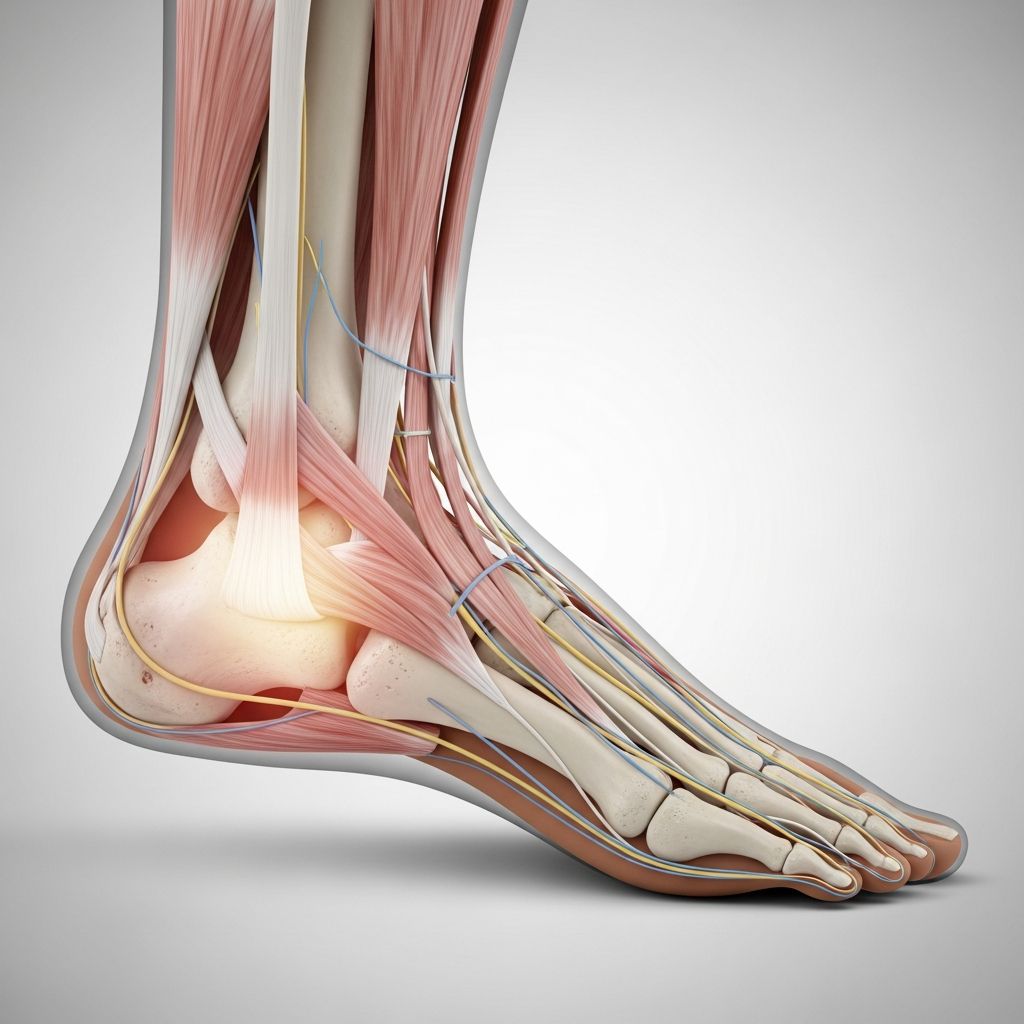
Plantar fasciitis is the most frequent cause of heel pain, accounting for the majority of heel pain cases. This condition involves inflammation of the plantar fascia, a thick band of tissue that runs along the bottom of your foot, connecting your heel bone to your toes. The condition typically causes a stabbing pain, especially during your first steps in the morning or after periods of rest. Two million people seek treatment for plantar fasciitis annually, making it a widespread concern in the healthcare system.
Achilles Tendinitis
Achilles tendinitis occurs when the Achilles tendon, which connects your calf muscle to your heel bone, becomes inflamed or irritated. This condition typically manifests as a dull ache above the heel and may be accompanied by stiffness or swelling in the area. Insertional Achilles tendinitis specifically causes pain, swelling, and tenderness at the point where the tendon attaches to the heel bone.
Other Causes
Additional conditions that can cause heel pain include heel spurs (bony growths on the underside of the heel), stress fractures (common among athletes or those with increased activity levels), bursitis (inflammation of small fluid-filled sacs), and arthritis. In some cases, heel pain could indicate more systemic conditions such as spondyloarthropathy, gout, or even clues to hypercholesterolemia and sickle-cell disease, though these are less common.
Risk Factors and Prevention
Several factors can increase your risk of developing heel pain. Obesity places additional stress on your feet, while poorly fitting shoes that lack proper arch support can exacerbate discomfort. Prolonged periods of standing or engaging in activities that put excessive strain on your feet can also trigger or worsen heel pain.
Preventive Measures
Preventing heel pain in Cleveland and beyond involves nurturing your feet through thoughtful lifestyle choices:
- Choose footwear with adequate support and cushioning, especially during rigorous activities
- Gradually increase exercise intensity to avoid overuse injuries
- Incorporate stretches targeting the feet and calf muscles to fortify foot health
- Maintain a healthy weight to reduce stress on your heel structures
- Take regular breaks if your job requires prolonged standing
Recognizing the Symptoms
Identifying the specific type of heel pain you’re experiencing is crucial for receiving appropriate treatment. Each condition presents with distinct symptoms:
Plantar Fasciitis Symptoms: Stabbing pain during initial steps in the morning or after rest, heel pain that worsens after long periods of standing or sitting, swelling in the heel area, and discomfort in the arch of the foot.
Achilles Tendinitis Symptoms: Dull ache above the heel, stiffness or swelling in the tendon area, and pain that may worsen with activity.
Heel Spurs Symptoms: Intermittent or chronic discomfort triggered by bony growths on the underside of the heel.
Related Stories



Stress Fractures Symptoms: Sharp pain when weight is applied to the affected foot, particularly common in athletes or those with increased physical activity.
Diagnosis and Professional Evaluation
While many cases of heel pain can be initially managed with home remedies, professional evaluation is important for accurate diagnosis and effective treatment. A systematic diagnostic approach using focused questions and physical examination can help identify the specific cause of your heel pain.
Diagnostic Process
When you visit a healthcare provider, they will typically conduct a thorough assessment:
- Ask detailed questions about when and how the pain started
- Determine the exact location of pain (back of heel, bottom of heel, or around the ankle)
- Assess passive and resisted motion to identify structural issues
- Palpate the foot to locate areas of maximum tenderness
- Direct questions toward uncovering inflammatory and metabolic conditions
In most cases, diagnosis is clinical and based on the location of pain and absence of systemic disease symptoms. The key physical finding is central or centro-medial tenderness in the plantar aspect of the heel. In rare situations, imaging studies such as lateral radiography of the hindfoot may be needed to rule out other conditions or confirm suspected diagnoses.
Nonsurgical Treatment Options
The good news is that most problems causing heel pain respond well to nonsurgical treatments over time. It’s rare to need surgery for heel pain management. Treatment focuses on easing pain and inflammation, improving foot flexibility, and minimizing stress and strain on your heel.
Step-by-Step Treatment Approach
Healthcare providers typically recommend a stepwise treatment progression:
First-Line Treatments:
- Modify or suppress risk factors that contributed to the condition
- Take nonsteroidal anti-inflammatory drugs (NSAIDs) such as ibuprofen
- Begin a stretching program targeting the Achilles tendon
- Use orthotics such as heel pads and supportive shoe inserts
- Consider ankle dorsiflexion night splints if needed
Conservative Home Remedies:
- Rest your feet and avoid activities that worsen the pain
- Apply ice packs to the affected area for 15-20 minutes several times daily
- Gently stretch the affected area using targeted exercises
- Wear supportive shoes with proper arch support and cushioning
Advanced Nonsurgical Treatments
If initial treatments don’t provide adequate relief, your healthcare provider may recommend:
Physical Therapy and Manual Therapies: Massage, physical therapy, and ultrasound therapy can break up scar tissue and improve healing. These modalities help restore flexibility and reduce chronic inflammation in the affected tissues.
Corticosteroid Injections: If conservative measures fail after several weeks, local injections of glucocorticoids may be administered. Research has shown that patients receiving methylprednisolone injections experienced less pain compared to lidocaine alone after one month of treatment. If your pain doesn’t improve after six to eight weeks of initial treatment, your provider may recommend steroid injections as a next step.
Taping and Orthotics: You can use athletic or medical tape to support your foot arch or heel, providing structural support during daily activities. Custom-made shoe orthotics (inserts) correct how you place your foot as you walk, reducing stress on affected tissues.
Extracorporeal Shock Wave Therapy: The efficacy of extracorporeal shock-wave therapy in treating refractory plantar heel pain has been suggested in several clinical reports, offering an option for cases resistant to conventional treatment.
When to Seek Professional Care
While many cases of heel pain respond to at-home treatment, certain situations warrant professional evaluation. You should contact your healthcare provider if:
- Pain persists beyond a few weeks despite home treatment
- The pain is severe and interferes with daily activities
- You experience swelling or redness in the heel area
- The pain follows an injury
- You have signs of infection (warmth, fever, or pus)
- The pain affects your ability to walk or bear weight
Surgical Treatment
Surgical treatment for heel pain is rare and typically reserved for cases that have not responded to comprehensive nonsurgical management. When nonsurgical treatments have been exhausted over an extended period and symptoms persist, surgery may be considered as a last resort option to provide relief.
Long-Term Management and Prevention of Recurrence
Many people try to ignore heel pain and continue with activities that make the problem worse. However, it’s essential to give your body time to recover. The longer you have heel pain without proper treatment, the harder it becomes to treat effectively. Taking a proactive approach to managing heel pain prevents it from becoming chronic and requiring more extensive intervention.
Early intervention is crucial because studies have shown that the sooner symptoms are identified and treatment begins, the quicker symptoms can be resolved. By addressing heel pain promptly and following a comprehensive treatment plan, you can prevent the development of chronic conditions that may sideline you for an extended time.
Specialist Care and Expertise
For persistent or complicated heel pain, seeking care from a podiatrist or orthopedic specialist can provide access to advanced diagnostic and treatment options. Specialists with extensive training and experience diagnosing and treating foot and ankle conditions can tailor treatment plans to your specific needs. This personalized approach ensures you receive the most appropriate interventions for your particular situation, allowing you to get back to doing the things you enjoy.
Impact on Quality of Life
Heel pain can have significant effects beyond physical discomfort. When it hurts to move, you may become inactive, which can lead to weight gain and secondary health complications. Additionally, the limitations imposed by heel pain can contribute to depression and reduced quality of life. Addressing heel pain promptly helps prevent these cascading effects and maintains your overall health and well-being.
Frequently Asked Questions
Q: How long does it take for heel pain to improve with treatment?
A: Most heel pain improves over time with nonsurgical treatments, though timelines vary by condition and individual. Some people experience relief within weeks with consistent home treatment, while others may need several months. Early intervention typically leads to faster recovery.
Q: Can heel pain return after treatment?
A: Yes, heel pain can recur if you return to activities or behaviors that caused the original problem. Maintaining preventive measures like wearing supportive shoes, performing stretches regularly, and avoiding overuse can help prevent recurrence.
Q: What is the difference between plantar fasciitis and Achilles tendinitis?
A: Plantar fasciitis causes pain in the bottom or heel of the foot, particularly with morning steps, while Achilles tendinitis causes pain above the heel where the tendon attaches. The location of pain and associated symptoms help differentiate these conditions.
Q: Are there exercises I can do at home for heel pain?
A: Yes, specific stretching exercises targeting the calf muscles and plantar fascia can significantly help. Your healthcare provider can recommend appropriate exercises for your specific condition, and physical therapy can teach proper technique.
Q: Do I need imaging tests to diagnose heel pain?
A: Most heel pain can be diagnosed clinically through examination and patient history. Imaging studies are typically only needed in rare situations to rule out other conditions or confirm suspected diagnoses.
References
- Heel Pain Treatment and Diagnosis — Ambulatory Foot Center, Cleveland, OH. 2024. https://www.clevelandwestparkfootcare.com/heel-pain/
- Heel Pain: Diagnosis and Treatment, Step by Step — Cleveland Clinic Journal of Medicine. 2006. https://www.ccjm.org/content/ccjom/73/5/465.full.pdf
- Plantar Fasciitis: Symptoms, Causes & Treatment Options — Cleveland Clinic. 2024. https://my.clevelandclinic.org/health/diseases/14709-plantar-fasciitis
- What is Plantar Fasciitis? — Cleveland Foot Center. 2024. https://clevelandfoot.com/plantar_fasciitis/
- Heel Pain: Causes, Diagnosis & Treatment — Cleveland Clinic. 2024. https://my.clevelandclinic.org/health/symptoms/heel-pain
- Heel Pain Diagnosis and Differential Diagnosis — Cleveland Clinic Journal of Medicine. 2006. https://www.ccjm.org/content/73/5/465
- Plantar Fasciitis Care at Cleveland Clinic — Cleveland Clinic. 2024. https://my.clevelandclinic.org/services/plantar-fasciitis-treatment
Similar Articles








Read full bio of medha deb