Heliotherapy: A Guide To Sun Therapy For Skin Conditions
Harnessing natural sunlight for effective treatment of psoriasis, eczema, and other inflammatory skin conditions.
Author: Reviewed by Dr. Amanda Oakley, Dermatologist
Synonyms: Climate therapy, sun therapy
Related topics: Phototherapy | Psoriasis | Atopic dermatitis
What is heliotherapy?
Heliotherapy is the therapeutic use of natural sunlight for treating various skin conditions. It falls under the broader category of phototherapy, which harnesses specific wavelengths of light to alleviate dermatological issues. Also known as climate therapy, heliotherapy leverages the ultraviolet (UV) components of sunlight—primarily UVA and UVB rays—that penetrate the skin to induce beneficial biological responses.
In small, controlled doses, UV light from the sun suppresses immune responses, reduces inflammation, promotes vitamin D synthesis, and inhibits excessive cell proliferation. These mechanisms make it particularly effective for inflammatory and hyperproliferative skin disorders. Unlike artificial phototherapy using UVB lamps or PUVA (psoralen plus UVA), heliotherapy relies on unfiltered natural daylight, often combined with environmental factors like sea air or altitude for enhanced effects.
Historically, heliotherapy gained prominence in the late 19th and early 20th centuries, popularized by figures like Niels Finsen, who won the Nobel Prize in 1903 for light therapy in tuberculosis. Today, it is practiced in sunny regions such as the Dead Sea in Israel, Canary Islands, and Montenegro, where high UV indices and favorable climates optimize outcomes.
Who is heliotherapy suitable for?
Heliotherapy is primarily recommended for patients with moderate to severe inflammatory skin conditions that respond well to UV exposure. Key indications include:
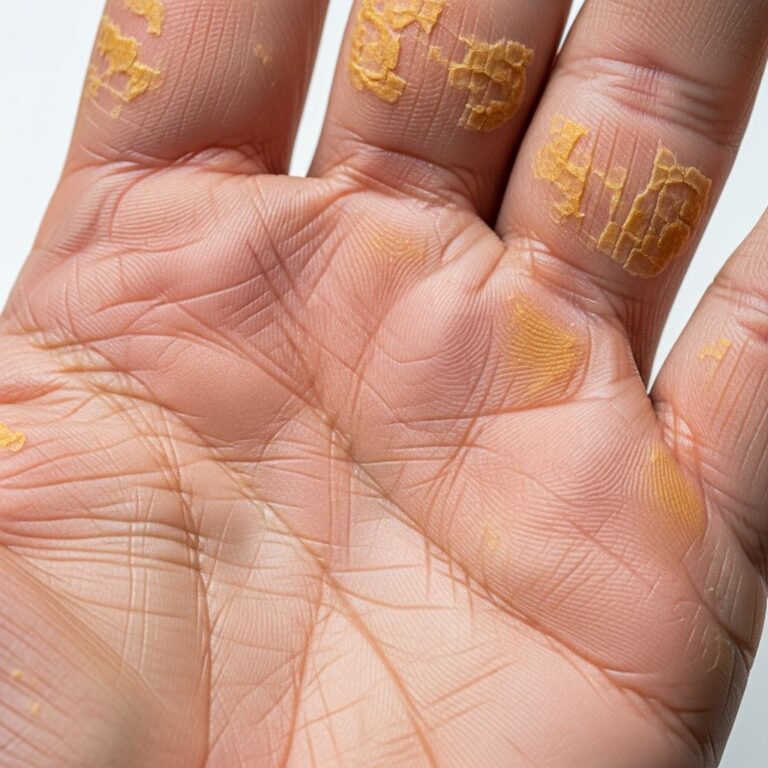
- Psoriasis: Reduces plaques, scaling, and erythema; improves quality of life in most cases.
- Atopic dermatitis (eczema): Alleviates pruritus, clears lesions, and sustains benefits for months.
- Vitiligo: Stimulates repigmentation through melanocyte stimulation.
- Other conditions: Chronic urticaria, prurigo, cutaneous T-cell lymphoma, and photoaggravated disorders under supervision.
Patient selection considers skin phototype (Fitzpatrick scale), disease severity (e.g., SCORAD for eczema, PASI for psoriasis), UV index availability, and contraindications. Fitzpatrick skin types I-III benefit most, as higher types (IV-VI) risk burns. It suits those unable to access artificial phototherapy or seeking holistic treatment with lifestyle elements like diet and stress reduction.
How does heliotherapy work?
The therapeutic effects of heliotherapy stem from sunlight’s spectrum interacting with skin cells. UVB rays (290-320 nm) are absorbed in the epidermis, triggering DNA damage that leads to T-cell apoptosis, cytokine suppression (e.g., IL-17, TNF-α), and reduced keratinocyte proliferation—key in psoriasis. UVA penetrates deeper, generating reactive oxygen species that modulate immunity and promote melanogenesis in vitiligo.
Additional benefits include:
- Vitamin D production: Enhances antimicrobial peptides and immune regulation.
- Immunosuppression: Depletes Langerhans cells and induces regulatory T-cells.
- Anti-inflammatory effects: Downregulates NF-κB pathways.
- Psychological uplift: Improves mood via serotonin modulation and outdoor activity.
Climate factors amplify these: Saltwater immersion (heliothalassotherapy) adds minerals for barrier repair, while high altitude increases UVB intensity. Studies show 2-week courses reduce SCORAD by 40% immediately and 31% at 3 months in atopic dermatitis.
Related Stories



Heliotherapy protocols
Treatment protocols are gradual to prevent burns, tailored to UV index (ideally 6-9), skin type, and condition. A typical 2-4 week program involves:
| Day | Exposure Time (Type I-III Skin) | Frequency | Notes |
|---|---|---|---|
| 1-3 | 10-20 min/session | 2x/day | Face/arms only; midday sun |
| 4-7 | 30-60 min/session | 2x/day | Expose trunk/legs; monitor erythema |
| Week 2+ | 3-6 hours/day | 1-2x/day | Full body; combine with bathing |
Variations include:
- Heliomarinotherapy: Sun + seawater at Dead Sea (high salinity, UVB reflection).
- Heliothalassotherapy: Coastal sun + salt baths for eczema/psoriasis.
- Daylight PDT: Sunlight + methyl aminolevulinic acid for actinic keratoses.
Programs often incorporate education, peer support, and healthy diets. Individualized therapy, as in Montenegro studies, yields comparable results to group climatotherapy.
Efficacy of heliotherapy
Clinical evidence supports heliotherapy’s efficacy, particularly for psoriasis and atopic dermatitis. In psoriasis, 2-4 weeks reduce PASI/SAPASI by 70-73% acutely, with 46% sustained at 3 months. For atopic dermatitis, SCORAD drops 40% post-treatment and 31% at 3 months; DLQI improves 31-32%, outperforming psoriasis in quality-of-life gains.
Long-term data show relapse prevention with maintenance sun exposure. Vitiligo repigmentation occurs in 50-75% with consistent use. A PMC study on 30 Montenegrin patients confirmed sustained skin clearance and pruritus relief without peer support, attributing success to UV mechanisms and trigger avoidance. Limitations include seasonal availability and fewer randomized trials vs. artificial phototherapy.
Side effects of heliotherapy
While generally safe, heliotherapy risks UV overexposure:
- Acute: Erythema, burning (minimized by protocols); photoaggravation in 10% psoriasis/eczema cases.
- Chronic: Premature aging, pigmentation changes, skin cancer risk (low with short courses).
- Other: Heat exhaustion, dehydration; contraindicated in lupus, xeroderma pigmentosum.
Monitoring involves daily skin checks, emollients, and UV index apps. Darker phototypes require caution.
Preparation for heliotherapy
- Pre-treatment: Dermatologist assessment, baseline photos, lab tests (e.g., vitamin D).
- Supplies: Broad-spectrum sunscreen (SPF 30+ for non-treated areas), hats, hydration.
- Lifestyle: Stop photosensitizers, moisturize, avoid midday peak initially.
Follow-up after heliotherapy
Post-treatment assessments at 1-3 months track relapse using SCORAD/PASI/DLQI. Maintenance includes home UVB or repeat courses annually. Lifestyle advice emphasizes sun protection to balance benefits/risks.
History of heliotherapy
Ancient Egyptians and Greeks used sun for healing. Modern revival: Auguste Rollier’s Swiss clinics (1903-1950s) treated TB, rickets. Finsen’s phototherapy evolved into heliotherapy sanatoria. Post-WWII decline due to antibiotics; resurgence for psoriasis in sunny locales.
Frequently asked questions
Is heliotherapy effective for psoriasis?
Yes, it reduces severity by 70% acutely, with sustained benefits; rarely fully clears but improves life quality.
Can heliotherapy treat eczema?
Improves symptoms for months post 2-4 weeks; sunlight may aggravate some cases.
How long is a heliotherapy course?
Typically 2-4 weeks, starting short exposures building to hours daily.
Is heliotherapy safe for children?
Under supervision for mild-moderate cases; avoid in very young or photosensitive.
Where to access heliotherapy?
Sunny clinics: Dead Sea, Gran Canaria, Montenegro; consult dermatologist.
References
- The long-term efficacy of heliotherapy in ameliorating disease severity and improving quality of life in patients with atopic dermatitis — Baranin et al., Clinical, Cosmetic and Investigational Dermatology (PMC). 2023-02-27. https://pmc.ncbi.nlm.nih.gov/articles/PMC9993203/
- Heliotherapy CRPS Treatment — Medical Tourism Italy. Accessed 2026. https://www.medicaltourismitaly.com/rsd-crps/heliotherapy-crps/
- Heliotherapy — DermNet NZ. Accessed 2026. https://dermnetnz.org/topics/heliotherapy
- UV light therapy: What skin conditions can it help with and how — Medical News Today. 2023-07-20. https://www.medicalnewstoday.com/articles/uv-light-therapy
- Consuming light – Soaking Up the Rays — NCBI Bookshelf (StatPearls). 2023. https://www.ncbi.nlm.nih.gov/books/NBK476359/
Similar Articles








Read full bio of medha deb