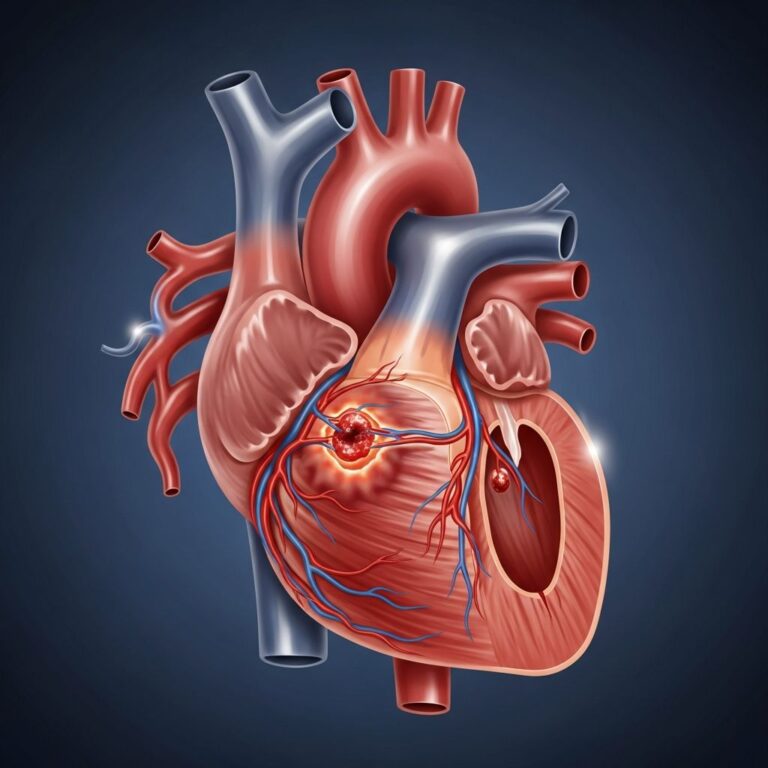
Hemangiomas: 6 Types, Symptoms, And Treatment Options
Understanding hemangiomas: Learn about types, symptoms, causes, and effective treatment options.
Understanding Hemangiomas: A Comprehensive Guide
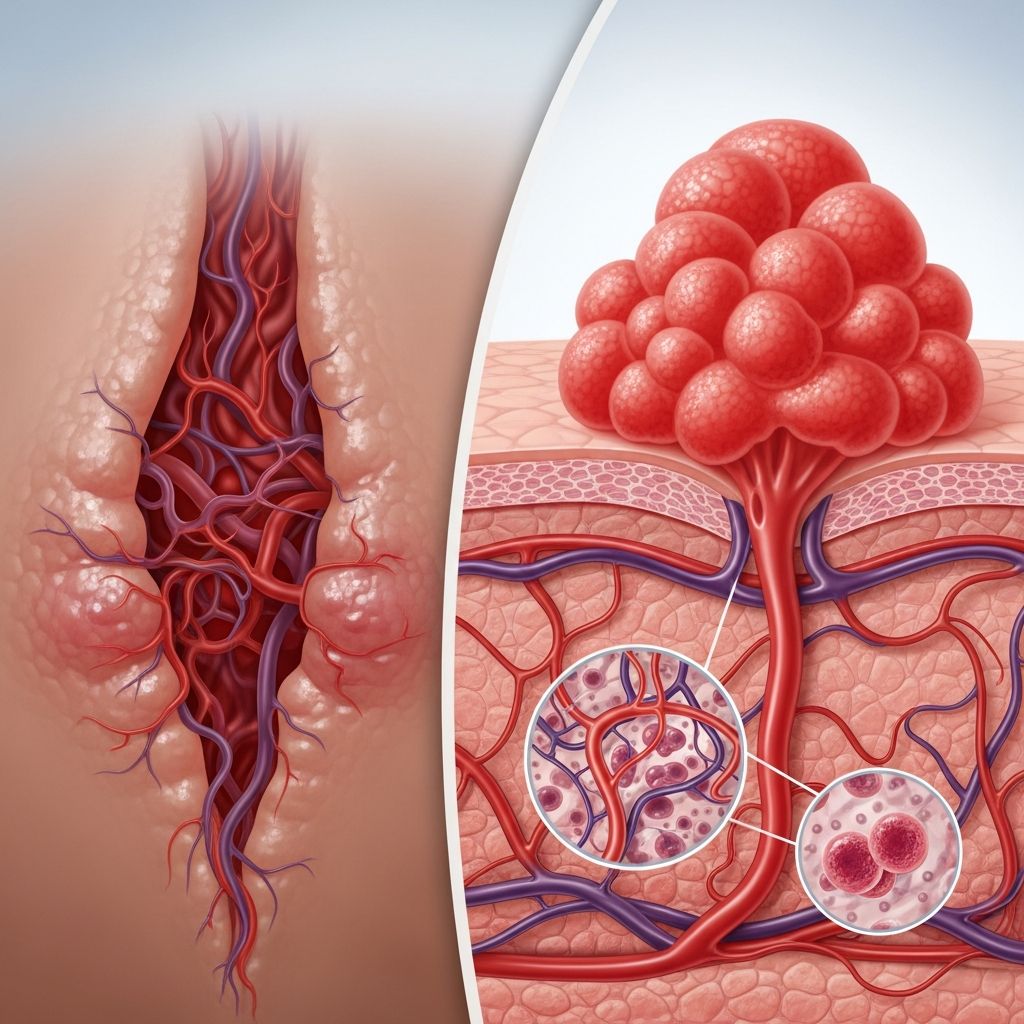
Hemangiomas are noncancerous tumors that develop when blood vessels form into clusters and grow abnormally. These benign lesions can affect people of all ages and may appear in various locations throughout the body. While many hemangiomas are harmless and require no treatment, understanding their characteristics, symptoms, and available treatment options is essential for anyone diagnosed with this condition.
What Is a Hemangioma?
A hemangioma is a benign vascular tumor composed of an abnormal proliferation of blood vessels. The term “hemangioma” is derived from Greek roots meaning “blood” (hema) and “tumor” (oma). These lesions consist of endothelial cells that form irregular clusters, creating a mass of interconnected blood vessels. The appearance and behavior of hemangiomas can vary significantly depending on their type, location, and depth within the tissue.
Hemangiomas are among the most common vascular lesions encountered in clinical practice. They can range dramatically in size, from barely visible lesions to large masses that span several centimeters. The color typically ranges from bright red to deep purple or blue, depending on the depth and blood flow characteristics of the lesion.
Types of Hemangiomas
Hemangiomas are classified into several distinct types based on their location, appearance, and clinical characteristics:
Infantile Hemangiomas
Infantile hemangiomas (IHs) are the most common type of hemangioma, appearing during infancy and early childhood. These lesions typically emerge within the first few weeks to months of life. They are characterized by a rapid growth phase during the first year of life, followed by a gradual involution period that can last several years. Many infantile hemangiomas eventually regress spontaneously without intervention, though some may require treatment if they impair function or cause cosmetic concerns.
Cavernous Hemangiomas
Cavernous hemangiomas, also known as cavernomas or cavernous malformations, are abnormal tangles of blood vessels typically found in the brain, brainstem, and spinal cord. These lesions have a distinctive appearance resembling a raspberry due to their clustered, irregular structure. The thin walls of cavernous hemangiomas are more prone to bleeding compared to other vascular lesions, which can lead to serious complications including seizures and stroke. A special type of MRI scan called susceptibility-weighted imaging can detect even tiny cavernous hemangiomas and identify remnants of prior bleeds, helping assess the risk of future complications.
Capillary Hemangiomas
Capillary hemangiomas are composed of small, dilated capillaries closely packed together. These lesions are typically superficial and appear as bright red or pink marks on the skin. They are often present at birth or develop shortly thereafter, making them the most commonly observed type of hemangioma in newborns.
Port-Wine Stains
Port-wine stains, or nevus flammeus, are flat vascular lesions that typically appear on the face or other areas of the body. They are characterized by their deep purple or reddish color and can darken and thicken with age if left untreated.
Orbital and Intraorbital Hemangiomas
Hemangiomas can occur within the orbit of the eye, potentially affecting vision if they compress the optic nerve or displace the eye. These specialized hemangiomas require careful management and may necessitate minimally invasive surgical approaches to preserve vision and eye function. Advanced endoscopic techniques have enabled surgeons to safely remove intraorbital hemangiomas through precise corridors that minimize damage to surrounding structures.
Related Stories



Vertebral and Spinal Hemangiomas
Hemangiomas can develop within the vertebral bodies of the spine. While most spinal hemangiomas are asymptomatic and discovered incidentally, some extend into the epidural space and compress the spinal cord, causing neurological symptoms. Spine stereotactic radiosurgery has emerged as a safe and effective noninvasive treatment for symptomatic vertebral hemangiomas with epidural extension.
Causes and Risk Factors
The exact cause of hemangiomas remains not fully understood, though researchers have identified several potential contributing factors. Most hemangiomas are believed to result from abnormal angiogenesis, the process by which new blood vessels form. Genetic mutations and alterations in cell signaling pathways have been implicated in hemangioma development.
Risk factors for hemangiomas include:
– Genetic predisposition and family history- Female gender (infantile hemangiomas are more common in girls)- Caucasian ethnicity- Advanced maternal age- Low birth weight- Multiple births- Maternal gestational diabetes
Symptoms and Complications
Many hemangiomas are asymptomatic and discovered incidentally during imaging performed for other reasons. However, when symptoms do occur, they depend on the hemangioma’s location, size, and depth:
Common Symptoms
– Visible lump or discoloration of the skin- Bleeding or oozing, particularly if the hemangioma is superficial- Pain or tenderness in the affected area- Functional impairment depending on location- Psychological concerns regarding appearance
Serious Complications
Cavernous hemangiomas and other vascular lesions can cause life-threatening complications when they rupture and bleed. Cerebral cavernous malformation bleeds and ruptures, though uncommon, can result in seizures or stroke. Research estimates indicate approximately a 2.4% annual risk of bleeding in patients with cerebral cavernous malformations. Bleeding from hemangiomas located near vital structures can be particularly dangerous and may require emergency intervention.
Infantile hemangiomas may develop ulceration, an important complication that can cause pain, infection, and scarring. Additionally, hemangiomas in sensitive locations such as near the eyes, ears, or mouth may interfere with normal development or function if left untreated.
Diagnosis Methods
Healthcare providers typically diagnose hemangiomas through a combination of clinical examination and imaging studies:
Physical Examination
For superficial hemangiomas, visual inspection and palpation are often sufficient for diagnosis. Providers assess the size, color, texture, and location of the lesion.
Imaging Studies
For deeper or internal hemangiomas, various imaging modalities are employed:
– Magnetic Resonance Imaging (MRI): Provides detailed visualization of hemangioma location, size, and relationship to surrounding structures- Susceptibility-Weighted Imaging (SWI): A specialized MRI technique particularly sensitive for detecting cavernous hemangiomas and identifying signs of prior or recent bleeding- Ultrasound: Often used in infants to evaluate hemangioma characteristics- Computed Tomography (CT): May be used to assess bony involvement or compression of surrounding structures
Biopsy
While rarely necessary, biopsy may be performed if the diagnosis is uncertain or if the lesion has atypical features. Histopathological examination reveals characteristic endothelial cell proliferation and vascular channel formation.
Treatment Options
Treatment decisions for hemangiomas depend on multiple factors including the lesion’s type, size, location, symptoms, and potential for complications. Many hemangiomas require only observation and monitoring.
Observation and Monitoring
For asymptomatic hemangiomas with minimal cosmetic concerns and no functional impairment, a conservative “watch and wait” approach is often recommended. Regular imaging scans monitor the lesion over time. Many infantile hemangiomas spontaneously regress during childhood, eliminating the need for intervention. Patients and families learn to recognize warning signs and know when to contact their healthcare provider if concerns arise.
Pharmacological Treatment
Beta-blockers, particularly propranolol, have revolutionized the treatment of infantile hemangiomas. Propranolol is now considered first-line pharmacological therapy and has demonstrated remarkable efficacy in halting hemangioma growth and promoting regression. Other systemic medications may include corticosteroids in specific cases.
Surgical Intervention
Surgery may be considered for:
– Hemangiomas causing functional impairment or vision loss- Lesions that fail to respond to medical therapy- Bleeding hemangiomas that do not respond to conservative management- Cosmetically significant lesions after careful consideration- Hemangiomas with risk of severe complications
Minimally invasive surgical approaches have gained prominence as safe and effective outpatient procedures. Endoscopic endonasal approaches allow surgeons to remove deep-seated hemangiomas such as intraorbital lesions through precise corridors with minimal tissue trauma.
Radiosurgery
Spine stereotactic radiosurgery (sSRS) has emerged as a safe and effective noninvasive treatment for symptomatic vertebral hemangiomas with epidural extension. This precise, high-dose focal treatment delivers radiation in a single day, minimizing complications and exposure to nearby radiation-sensitive structures compared to traditional external beam radiotherapy.
Endovascular Embolization
For certain hemangiomas, endovascular procedures may be performed to reduce blood flow to the lesion, potentially decreasing its size and symptoms before surgical removal.
Complications and Their Management
While most hemangiomas have an excellent prognosis, complications can arise:
| Complication | Characteristics | Management |
|---|---|---|
| Bleeding/Hemorrhage | Particularly common in superficial and cavernous lesions | Direct pressure, imaging assessment, possible surgical intervention |
| Infection | May follow ulceration or bleeding | Wound care, antibiotics if indicated |
| Functional Impairment | Vision loss, airway obstruction, or movement restriction | Urgent treatment with medication or surgery |
| Seizures | From intracranial cavernous hemangiomas | Antiepileptic medications, possible surgical resection |
| Scarring | Following hemangioma regression or treatment | Cosmetic procedures if needed after complete resolution |
Prognosis and Long-Term Outlook
The prognosis for hemangiomas varies based on type and location. Many infantile hemangiomas follow a predictable course of rapid growth followed by spontaneous regression, with most completely resolving by age 7 to 10 years. With modern treatment options including beta-blockers, the vast majority of symptomatic hemangiomas can be effectively managed with excellent outcomes.
For cavernous malformations and other deep-seated hemangiomas, while risks of complications exist, treatment options are available, and surgical outcomes are typically successful when surgeons can safely access the lesion.
Frequently Asked Questions
Q: Are all hemangiomas cancerous?
A: No, hemangiomas are benign, noncancerous tumors. They do not turn into cancer and carry no increased cancer risk.
Q: Will my child’s infantile hemangioma go away on its own?
A: Most infantile hemangiomas undergo spontaneous regression over time. However, some may require treatment if they cause functional impairment, bleed frequently, or present significant cosmetic concerns. Your pediatrician can assess your child’s individual situation.
Q: What should I do if a hemangioma starts bleeding?
A: Apply gentle, direct pressure with a clean cloth for 10-15 minutes. If bleeding does not stop or recurs frequently, contact your healthcare provider for evaluation and possible treatment.
Q: Is propranolol safe for treating infantile hemangiomas?
A: Propranolol has become the gold standard treatment for infantile hemangiomas because it is highly effective and generally well-tolerated. Your physician will monitor for any side effects during treatment.
Q: Can hemangiomas in the brain cause serious problems?
A: Cavernous hemangiomas in the brain can potentially cause seizures or stroke if they rupture and bleed, though such events are relatively uncommon. Regular monitoring and appropriate treatment can help manage these risks.
Q: What is the difference between a hemangioma and an AVM?
A: Arteriovenous malformations (AVMs) have high-pressure blood flow and can cause more severe bleeding when they rupture. Cavernous hemangiomas have lower-pressure blood flow and different treatment considerations. Your doctor can clarify which condition you have based on imaging findings.
Q: How often should I have imaging scans if I have a hemangioma?
A: Follow-up imaging frequency depends on your specific diagnosis, hemangioma size, location, and whether it is causing symptoms. Your healthcare provider will establish an appropriate surveillance schedule tailored to your situation.
Q: Are there any lifestyle restrictions for people with hemangiomas?
A: Most people with hemangiomas can live normal, unrestricted lives. However, those with certain deep-seated or symptomatic hemangiomas should discuss activity restrictions with their healthcare provider to prevent complications.
References
- Surgeons Collaborate to Remove Intraorbital Hemangioma (Video) — Cleveland Clinic. 2024. https://consultqd.clevelandclinic.org/surgeons-collaborate-to-remove-intraorbital-hemangioma-video
- Spine Stereotactic Radiosurgery for Vertebral Hemangioma with Epidural Extension — Cleveland Clinic. 2024. https://consultqd.clevelandclinic.org/spine-stereotactic-radiosurgery-for-symptomatic-vertebral-hemangiomas-with-epidural-extension
- Cavernous Malformation (Cavernoma): Symptoms & Treatment — Cleveland Clinic. 2024. https://my.clevelandclinic.org/health/diseases/21594-cavernous-hemangioma
- Incidence and Clinical Factors Associated with Ulceration in Infantile Hemangiomas — National Center for Biotechnology Information. 2022. https://pubmed.ncbi.nlm.nih.gov/36404484/
- Beta Blockade as Treatment for Intracranial Infantile Hemangioma — National Center for Biotechnology Information. 2016. https://pubmed.ncbi.nlm.nih.gov/27068061/
- An Appropriate Diagnostic Workup for Suspected Vascular Birthmarks — Cleveland Clinic Journal of Medicine. 2007. https://www.ccjm.org/content/ccjom/71/6/505.full.pdf
Similar Articles








Read full bio of medha deb