Hematemesis (Vomiting Blood): Causes, What it Is & Treatment
Understanding vomiting blood: Causes, symptoms, diagnosis, and emergency treatment options explained.
Understanding Hematemesis: What It Means
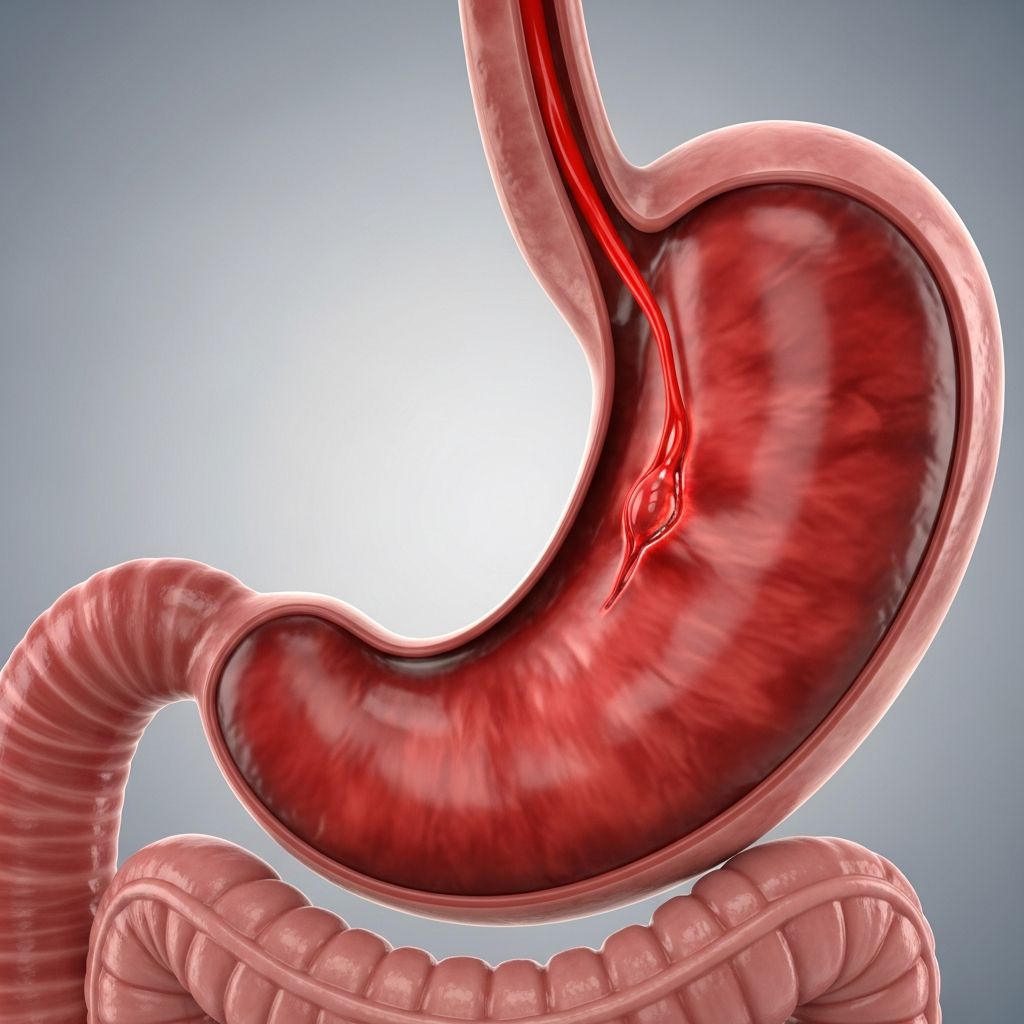
Hematemesis is the medical term for vomiting blood, a condition that represents a significant medical emergency requiring immediate professional evaluation and treatment. The term derives from “heme,” meaning blood, and “emesis,” meaning vomiting. This symptom indicates internal bleeding occurring in the upper portion of the gastrointestinal tract, including the esophagus (the tube connecting the mouth to the stomach), the stomach itself, and the duodenum, which is the first section of the small intestine. It is important to understand that it typically takes a considerable amount of internal bleeding for blood to become visible in vomit, making the presence of any blood in vomit a serious concern that warrants immediate medical attention.
Recognizing Hematemesis Symptoms
The primary symptom of hematemesis is the presence of blood in your vomit, but the appearance and characteristics of this blood can vary significantly and provide important clues about the severity and nature of the bleeding.
Types of Blood in Vomit
Blood in vomit may appear in several different forms, each indicating different stages or severity of bleeding:
Bright Red Blood: When vomit contains bright red blood, this indicates fresh or active bleeding, suggesting either acute bleeding from the stomach or esophagus. Bright red blood typically represents more recent bleeding and may indicate a heavier, more urgent bleed requiring prompt intervention.
Dark or Coffee Ground Appearance: Blood that appears darker, black, or brown, often resembling coffee grounds, represents older blood. This type of vomit, known as coffee ground emesis, suggests slower bleeding or bleeding that may have already stopped but still requires urgent evaluation. While coffee ground vomit doesn’t usually indicate severe active bleeding, it still represents a serious condition requiring medical assessment.
Mixed Presentation: You may vomit blood alone or blood mixed with partially digested food from your stomach, and the blood may sometimes appear coagulated or lumpy.
Additionally, you might notice blood in your stool, which appears as sticky, black tar-like material, a condition sometimes accompanying hematemesis.
Common Causes of Hematemesis
Hematemesis can result from various underlying conditions affecting the upper gastrointestinal tract. Understanding these causes helps healthcare providers develop appropriate treatment strategies.
Primary Causes
Bleeding in the upper gastrointestinal tract from peptic (stomach or duodenal) ulcers or torn blood vessels represents a common cause of vomiting blood. Additionally, conditions that cause inflammation of the gastrointestinal tract can lead to hematemesis:
Esophagitis, Gastritis, and Duodenitis: These conditions involve inflammation of the esophagus lining, stomach lining, or duodenum respectively, and can result in bleeding and blood in vomit. Possible causes of acute inflammation include the use of NSAIDs (nonsteroidal anti-inflammatory drugs), heavy alcohol consumption, and severe acid reflux.
Less Common Causes
While less frequently encountered, other conditions can cause hematemesis, including blood disorders like anemia, tumors of the esophagus or stomach, and blunt force trauma to the stomach. Additionally, forceful vomiting itself can cause bleeding due to trauma in the esophagus lining, though other serious causes must still be ruled out.
When to Seek Emergency Medical Care
Related Stories



Vomiting blood always constitutes a medical emergency and requires immediate professional evaluation. You should go to the emergency room immediately if you vomit blood, regardless of the amount.
Emergency Warning Signs
You may need to call emergency medical services (EMS) or have someone drive you to the ER if you experience vomiting blood along with any of the following symptoms:
– Lightheadedness or dizziness
– Disorientation or confusion
– Weakness
– Nausea
– Severe abdominal pain
– Shallow breathing
– Severe chest pain
– Blurred vision
– Cold, clammy skin
– Decreased urination
– Dizziness after standing
– Rapid or shallow breathing
– Signs of shock
Important Considerations
Any amount of blood in vomit is concerning. Seek emergency treatment even if you have vomited only a small amount of blood. When you lose a lot of blood, your organs don’t get enough oxygen and you may go into shock. Additionally, it is important to distinguish between truly vomiting blood and swallowing blood from other sources, such as a nosebleed or forceful coughing, as truly vomiting blood usually means something more serious.
Diagnostic Procedures for Hematemesis
When you arrive at the hospital with hematemesis, your healthcare team will perform several diagnostic procedures to determine the cause and location of the bleeding.
Initial Assessment
Your doctor will examine you and ask detailed questions about how you’re feeling. If possible, bring a small sample of the vomit with you, as your doctor will need details about what the vomit looks like.
Upper Endoscopy
To locate the source of the bleeding and ensure it has stopped, your healthcare team will need to look inside your upper GI tract. The most efficient way to accomplish this is with an upper endoscopy exam. An endoscopy allows healthcare providers to see inside your GI tract and stop the bleeding. During the exam, you’ll receive medicine to relax and sedate you. Your healthcare provider will pass the endoscope—a lighted camera on a long, thin tube—down your throat and into the duodenum. When they find the source of the bleeding, they can pass medical tools through the tube to seal the wound.
Additional Diagnostic Tests
Your doctor might need additional tests to confirm upper GI bleeding and investigate possible causes. These can include nasogastric aspiration and lavage (insertion of a tube through the nose into the stomach) to apply suction and identify the location of the bleeding (upper versus lower gastrointestinal bleeding), as well as rectal examination. Blood tests may also be performed to assess blood volume; if your blood volume is low, healthcare providers will work to replace it.
Treatment for Hematemesis
Hematemesis is always treated as an emergency. When you arrive at the hospital, your healthcare team will assess your condition to find out what kind of immediate support you need.
Immediate Medical Treatments
Immediate treatment for vomiting blood focuses on controlling the bleeding and stabilizing your condition before undertaking further treatment for the underlying gastrointestinal and liver disease. This may include:
– Fluid resuscitation with IV fluids
– Oxygen
– Laser treatment during EGD (endogastroduodenoscopy) to stop the bleed
– Medications to reduce stomach acid
– Emergency surgery to stop bleeding
If you show signs of severe blood loss, your healthcare team will treat this first with IV fluids, blood transfusions, and oxygen support if necessary. These steps are referred to as resuscitation.
Additional Treatment Considerations
If you have only a small amount of blood loss, your doctor might give you medications and fluids. However, if you have a lot of blood loss, you might need blood transfusion, intravenous (IV) fluids, oxygen and breathing assistance, and blood-pressure medications. Your healthcare provider might also need to take a tissue sample from the endoscope to analyze in the lab (biopsy).
Long-Term Management and Prevention
What happens next depends on what your healthcare provider learns from the exam and the underlying cause of your hematemesis. Most causes of upper GI bleeding are effectively treated with medication. Some cases of severe upper GI bleeding may require surgery to fix.
Long-term management and prevention of hematemesis will depend on the underlying cause. For example, if the cause of your bleeding is esophagitis caused by severe gastrointestinal reflux disease (GERD), your healthcare provider may prescribe medications to reduce stomach acid production and other treatments. If you are diagnosed with Helicobacter pylori, your doctor may prescribe antibiotics. Treatment can also include antacid medications, embolization to block a blood vessel, and other targeted treatments depending on the specific diagnosis.
Understanding the Difference: Vomiting Blood vs. Other Conditions
It is crucial to understand that vomiting is different from spitting blood or even coughing up blood. Vomit comes from your digestive tract, and it takes a significant amount of blood to trigger vomiting and show up in your vomit. Swallowed blood from a nosebleed or forceful coughing may cause bloody vomit, but truly vomiting blood usually means something more serious and requires immediate medical attention.
Why Hematemesis Requires Emergency Care
Active internal bleeding can be an emergency. Your healthcare team will treat hematemesis as an emergency until they know more about the cause. They’ll work to control the bleeding and stabilize your condition before addressing the underlying cause. Not all causes are emergencies, but many are serious and may require further treatment.
The reason for the emergency approach is that when you lose a lot of blood, your organs don’t get enough oxygen and you may go into shock. Repeated episodes of vomiting blood, large blood clots in vomited blood, bright red blood in vomit, and dark blood that looks like coffee grounds are all serious symptoms and should be evaluated on an emergency basis.
Frequently Asked Questions About Hematemesis
Q: How much blood in vomit is too much?
A: Any amount of blood in vomit is worrisome. You should seek emergency treatment even if you have vomited only a small amount of blood, as it indicates internal bleeding in your upper gastrointestinal tract.
Q: Can throwing up too hard cause bleeding?
A: Yes, throwing up too hard can cause bleeding due to trauma in the esophagus lining. You may see a little blood in your vomit after vomiting hard. However, you should still seek medical care so that healthcare providers can rule out more serious causes of vomiting blood.
Q: What does coffee ground vomit mean?
A: Coffee ground vomit is blood that appears brown and lumpy, resembling coffee grounds. It represents older blood and may indicate a slower bleed or one that has already stopped. While it doesn’t usually indicate severe active bleeding, it still requires urgent medical evaluation.
Q: Is hematemesis always an emergency?
A: Hematemesis is always treated as an emergency. Not all underlying causes are emergencies, but hematemesis itself is always considered a medical emergency requiring immediate professional evaluation and treatment.
Q: What should I do if I vomit blood?
A: If you vomit blood, seek medical care right away. Call 911 or your local emergency number immediately. If possible, try to bring a small sample of the vomit with you, as your doctor will need details about what the vomit looks like.
Q: How is hematemesis different from coughing up blood?
A: Vomiting is different from spitting blood or even coughing up blood. Vomit comes from your digestive tract, while blood from coughing typically comes from your respiratory tract. Truly vomiting blood usually means something more serious and requires immediate medical attention.
References
- Why Am I Throwing Up Blood? Key Causes and Treatment Options — BuzzRx. 2025. https://www.buzzrx.com/blog/why-am-i-throwing-up-blood
- What Is Hematemesis (Vomiting Blood)? — WebMD. 2024. https://www.webmd.com/digestive-disorders/what-is-hematemesis
- Hematemesis (Vomiting Blood): Causes, What it Is & Treatment — Cleveland Clinic. 2024. https://my.clevelandclinic.org/health/symptoms/17708-vomiting-blood
- Vomiting blood – Mayo Clinic — Mayo Clinic. 2024. https://www.mayoclinic.org/symptoms/vomiting-blood/basics/definition/sym-20050732
- Coffee Ground Emesis (Vomitus): Causes, What it Is & Treatment — Cleveland Clinic. 2024. https://my.clevelandclinic.org/health/symptoms/23153-coffee-ground-vomitus
- Gastrointestinal (GI) Bleeding: Symptoms, Diagnosis, Treatment — Cleveland Clinic. 2024. https://my.clevelandclinic.org/health/diseases/23391-gastrointestinal-gi-bleeding
Similar Articles








Read full bio of medha deb