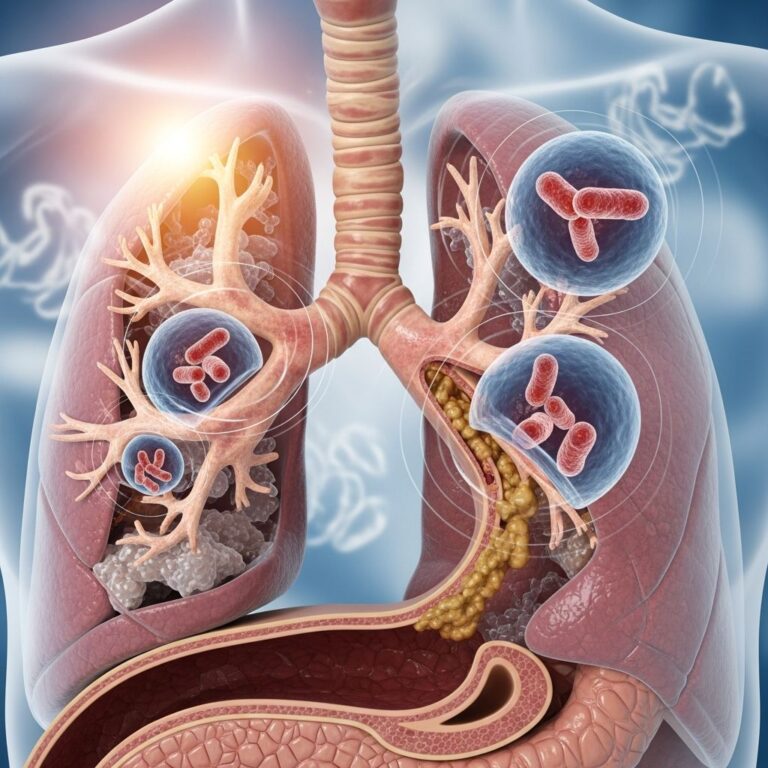
Hematemesis: Essential Guide To Causes, Symptoms, And Treatment
Understand hematemesis: causes, symptoms, diagnosis, treatment, and when to seek emergency care for vomiting blood.

Hematemesis, the medical term for vomiting blood, is a critical symptom indicating bleeding in the upper gastrointestinal (GI) tract, typically from the esophagus, stomach, or duodenum. This condition requires immediate medical attention as it can signal life-threatening issues like severe ulcers or varices.
What Is Hematemesis?
Hematemesis occurs when blood from the upper GI tract is regurgitated, appearing as bright red blood or dark, coffee-ground-like material due to partial digestion by stomach acid. Unlike minor blood streaks from mouth injuries, true hematemesis involves significant volumes from internal sources.
The upper GI tract includes the esophagus, stomach, and proximal small intestine. Bleeding here mixes with gastric contents, leading to vomiting of altered blood. In cancer patients, tumors exacerbate risks, often presenting with bright red or coffee-ground emesis alongside fatigue or shock signs.
Symptoms of Hematemesis
Symptoms vary by bleed severity but always warrant urgency. Key signs include:
- Bright red blood in vomit, suggesting active, rapid bleeding from esophagus or stomach.
- Coffee-ground vomit, indicating older, slower blood exposed to gastric acid.
- Associated symptoms: melena (black, tarry stools), hematochezia (bright red rectal blood), pallor, fatigue, dizziness, rapid heartbeat, low blood pressure, or shock.
In children, it may follow upper GI injuries or ulcers, with fresh red or coffee-ground appearance. Profuse hematemesis correlates with major blood loss, often exceeding 25% of red cell volume.
Causes of Hematemesis
Hematemesis stems from various upper GI issues, ranging from benign to severe. Common causes include:
- Peptic ulcers (stomach or duodenal), eroded by acid.
- Gastritis or severe GERD causing mucosal inflammation.
- Esophageal tears (Mallory-Weiss) from violent vomiting or coughing.
- Swallowed blood from nosebleeds or oral surgery (minor).
Serious causes encompass:
- Esophageal varices: Dilated veins in cirrhosis patients, prone to rupture.
- Liver diseases like alcoholic hepatitis, fatty liver, or cirrhosis.
- Long-term NSAID use damaging mucosa.
- Cancers of esophagus or stomach, especially in oncology patients where tumors invade vessels.
- Rare: hemophilia, anemia, or trauma.
In cancer contexts, tumors in esophagus, stomach, or proximal intestine heighten bleeding risk.
When to See a Doctor for Hematemesis
Any blood in vomit demands immediate evaluation—call emergency services or go to the ER. Seek care urgently if accompanied by:
- Lightheadedness, fainting, or confusion (shock signs).
- Fast heartbeat, shallow breathing, clammy skin, or low urine output.
- Abdominal pain, injury history, or NSAID/alcohol use.
Even small amounts post-injury require assessment to rule out organ rupture or internal bleeding.
Diagnosis of Hematemesis
Diagnosis starts with history: vomit description, associated symptoms, medications, alcohol use, or cancer history. Physical exam checks vital signs for hypovolemia.
Key tests include:
- Upper endoscopy (EGD): Gold standard; flexible tube visualizes bleeding source, allows biopsy or intervention.
- Blood tests: Hemoglobin for anemia, coagulation profile.
- Imaging: If endoscopy inconclusive, CT angiography or tagged RBC scan.
Related Stories



Confirm bleeding site above ligament of Treitz; melena supports upper GI origin.
Treatment for Hematemesis
Treatment prioritizes stabilization, then cause-specific therapy. Steps include:
- Resuscitation: IV fluids, blood transfusions for hemodynamic stability.
- Medications: Proton pump inhibitors (PPIs) reduce acid; octreotide for varices.
- Endoscopic therapy: Clipping, banding varices, or injection for hemostasis.
- Surgery or embolization for refractory bleeds.
In cancer patients, address tumor-related bleeding via endoscopy or radiation. Monitor for rebleeding.
Complications of Hematemesis
Untreated hematemesis risks:
- Anemia: From acute/chronic loss, causing fatigue.
- Hemorrhagic shock: Leading to organ failure or death if unmanaged.
- Recurrent bleeding, aspiration pneumonia, or multi-organ dysfunction.
Mortality rises with massive bleeds or comorbidities like cirrhosis.
Prevention of Hematemesis
Prevent via lifestyle and medical measures:
- Avoid NSAIDs without PPI protection; limit alcohol.
- Treat GERD/ulcers promptly with antacids/PPIs.
- Manage liver disease/cirrhosis to prevent varices.
- Screen high-risk patients (e.g., cancer) with endoscopy.
Early intervention curbs progression to severe bleeding.
Frequently Asked Questions (FAQs)
What does vomiting blood look like?
Blood appears bright red for fresh bleeds or coffee-ground-like for digested blood.
Is hematemesis always an emergency?
Yes, even small amounts require immediate ER evaluation due to potential severity.
Can vomiting blood cause death?
Yes, via shock and organ failure if untreated; rapid care improves outcomes.
How is hematemesis diagnosed?
Primarily via upper endoscopy, plus blood tests and history.
What causes coffee-ground vomit?
Slower upper GI bleeding where blood digests in stomach acid.
References
- Hematemesis in Patients With Cancer — Cancer Therapy Advisor. 2023. https://www.cancertherapyadvisor.com/ddi/hematemesis-in-patients-with-cancer/
- Hematemesis, Melena, and Hematochezia — NCBI Bookshelf (National Center for Biotechnology Information). 1990 (authoritative clinical reference). https://www.ncbi.nlm.nih.gov/books/NBK411/
- Vomiting Blood (Hematemesis): Causes, Symptoms & Treatment — Healthline. 2023. https://www.healthline.com/health/vomiting-blood
- A to Z: Hematemesis — Children’s Minnesota. 2023. https://www.childrensmn.org/educationmaterials/parents/article/13652/a-to-z-hematemesis/
- Vomiting Blood When to See a Doctor — Mayo Clinic. 2023. https://www.mayoclinic.org/symptoms/vomiting-blood/basics/when-to-see-doctor/sym-20050732
Similar Articles








Read full bio of medha deb