Hematology: Blood Disorders Treatment & Testing
Comprehensive guide to hematology: understanding blood disorders, treatments, and diagnostic testing.
Understanding Hematology
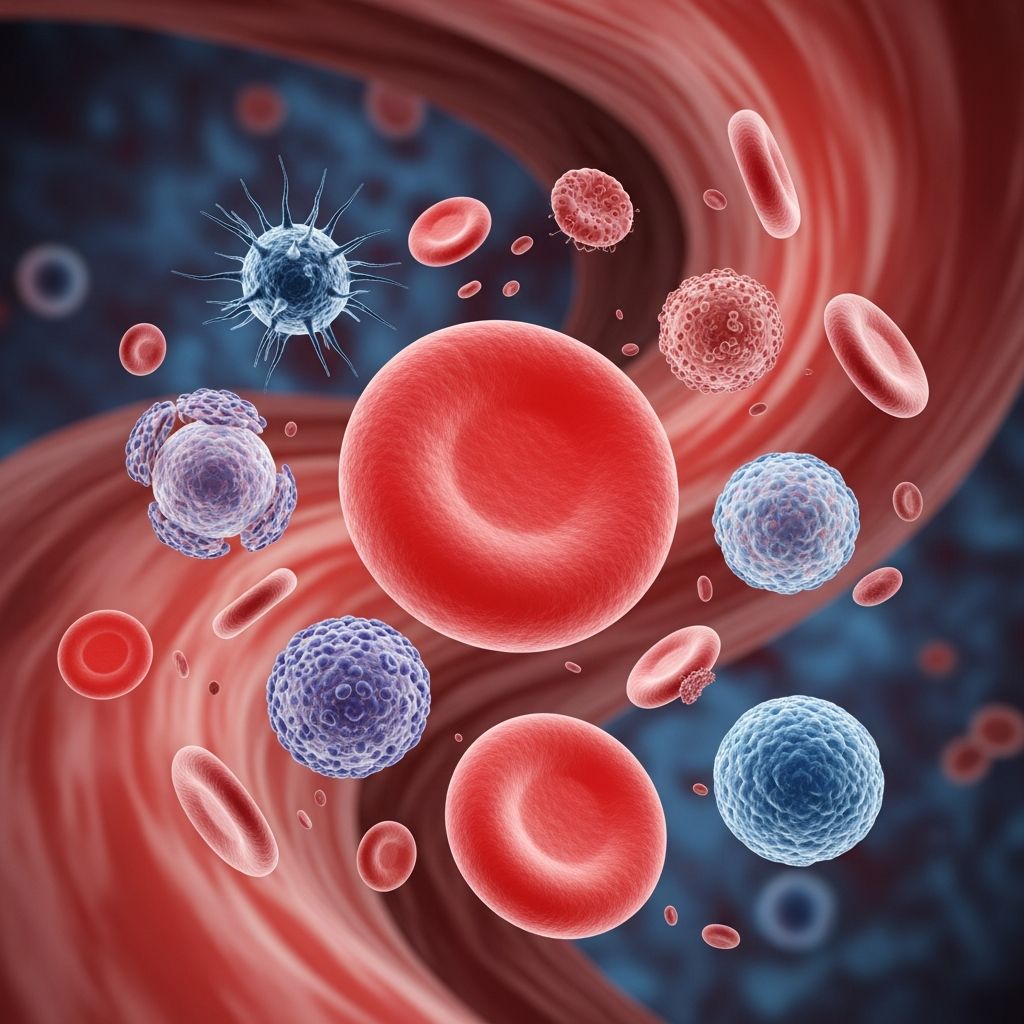
Hematology is the medical specialty focused on the diagnosis, treatment, and management of disorders affecting blood and blood-forming tissues. Blood disorders can range from common conditions like anemia to more complex hematologic malignancies and clotting disorders. A hematologist is a physician who specializes in treating patients with diseases of the blood, bone marrow, and lymph nodes. The field encompasses a wide range of conditions that affect red blood cells, white blood cells, platelets, and clotting factors.
Common Blood Disorders
Blood disorders affect millions of people worldwide and can significantly impact quality of life. Understanding these conditions is essential for proper diagnosis and treatment planning.
Anemia
Anemia occurs when the body has insufficient red blood cells or hemoglobin to carry oxygen effectively throughout the body. Symptoms include fatigue, weakness, shortness of breath, and pale skin. There are many types of anemia, including iron-deficiency anemia, vitamin B12 deficiency anemia, and hemolytic anemia. The underlying cause must be identified to determine appropriate treatment. Some patients benefit from oral iron supplementation, while others may require intravenous iron therapy for more severe cases. Specialists at major medical centers use personalized approaches to optimize hemoglobin levels, particularly for patients preparing for surgery.
Sickle Cell Disease
Sickle cell disease is an inherited blood disorder where red blood cells assume a rigid, sickle shape. This causes these cells to obstruct blood vessels, leading to pain, organ damage, and various complications. Recent advances in treatment have shown promising results, including novel bone marrow transplant procedures that are safe and curative for adults with severe sickle cell disease. In clinical trials conducted at major cancer centers, 95% of patients with severe sickle cell disease were alive two years after transplant, with 88% achieving complete disease remission and experiencing no disease-related events. These bone marrow transplant procedures represent a viable and less costly alternative to recently approved gene therapy products.
Thalassemia
Thalassemia is an inherited disorder affecting hemoglobin production, resulting in severe anemia. Patients with this condition require specialized management including regular transfusions, iron chelation therapy, and close monitoring. Advanced treatment options and personalized care approaches help manage complications and improve quality of life for these patients.
Polycythemia Vera
Polycythemia vera is a myeloproliferative disorder characterized by the overproduction of red blood cells. The primary concern with this condition is the increased risk of thrombotic events, including both arterial and venous blood clots. Treatment focuses on reducing blood viscosity and maintaining appropriate hematocrit levels through phlebotomy. The treatment landscape for polycythemia vera includes several key strategies. Phlebotomy remains the primary intervention to maintain reduced thrombotic risk by normalizing hematocrit to sex-specific targets. It is important to recognize that women with polycythemia vera are not simply smaller men; they have smaller blood volumes because they do not produce the same amount of androgens as men. Some patients, particularly women with hepatic vein thrombosis or pregnant women, may need to be phlebotomized to hematocrit levels as low as 35%. Emerging therapies include hepcidin mimetics, which negatively regulate iron metabolism and may reduce the requirement for continuous phlebotomies. For patients with high platelet counts or erythromelalgia, aspirin and other platelet inhibitors are often very effective when combined with phlebotomy. Tyrosine kinase inhibitors and recombinant pegylated interferon are used to address complications such as splenomegaly, with each approach targeting different aspects of the disease pathology.
Bleeding and Clotting Disorders
Hemophilia, von Willebrand disease, and other coagulation disorders affect the body’s ability to form blood clots properly. These conditions can result in excessive bleeding or, conversely, abnormal clot formation. Treatment depends on the specific disorder and may include factor replacement therapy, medications to enhance clotting, or anticoagulation therapy for those at risk of thrombosis.
Diagnostic Testing in Hematology
Accurate diagnosis is the foundation of effective hematologic care. Modern hematology laboratories employ sophisticated testing methods to identify blood disorders and guide treatment decisions.
Complete Blood Count (CBC)
The complete blood count is one of the most common laboratory tests, measuring the number and types of cells in the blood. It includes red blood cell count, hemoglobin level, hematocrit percentage, white blood cell count, and platelet count. These measurements provide essential information about oxygen-carrying capacity, immune function, and clotting ability. The CBC serves as a screening tool for numerous conditions and helps monitor treatment effectiveness.
Related Stories



Blood Smear and Microscopy
Examining blood cells under a microscope allows hematologists to assess cell morphology and identify abnormalities. This microscopic evaluation can reveal sickle cells, abnormal white blood cells, or other cellular abnormalities that guide diagnosis and treatment planning.
Bone Marrow Testing
Bone marrow aspiration and biopsy are performed when blood tests suggest abnormalities in blood cell production. These procedures involve obtaining samples of bone marrow cells for microscopic examination and analysis. Bone marrow testing helps diagnose leukemias, lymphomas, aplastic anemia, and other disorders affecting blood cell production.
Coagulation Studies
Tests such as prothrombin time (PT) and partial thromboplastin time (PTT) measure how well the blood clots. These tests are essential for diagnosing bleeding disorders and monitoring patients on anticoagulation therapy. D-dimer and fibrinogen levels provide additional information about clotting and fibrin breakdown.
Iron Studies
Serum iron, ferritin, and transferrin saturation measurements help diagnose iron-deficiency anemia and iron overload conditions. These tests are crucial for developing appropriate treatment plans for patients with anemia and monitoring iron supplementation therapy.
Treatment Approaches
Hematologic treatment strategies are individualized based on the specific diagnosis, disease severity, and patient factors. Modern hematology emphasizes personalized medicine approaches to optimize outcomes.
Phlebotomy
Phlebotomy, the removal of blood, is used to treat conditions of blood cell excess. It remains a cornerstone therapy for polycythemia vera and other myeloproliferative disorders. Periodic phlebotomies maintain appropriate hematocrit levels and reduce thrombotic risk. Sex-specific hematocrit targets ensure appropriate individualization of this treatment.
Iron Supplementation
Iron therapy is essential for patients with iron-deficiency anemia. Treatment options range from oral iron supplements to intravenous iron infusions for patients with severe deficiency or those unable to tolerate oral therapy. Personalized iron therapy protocols ensure patients receive the most appropriate formulation and dosage for their condition and surgical timeline.
Erythropoiesis-Stimulating Agents
Recombinant erythropoietin stimulates red blood cell production and is used to treat anemia associated with chronic kidney disease, cancer chemotherapy, and certain other conditions. These agents help maintain hemoglobin levels and reduce the need for blood transfusions in eligible patients.
Chemotherapy and Targeted Therapy
Hematologic malignancies including leukemias, lymphomas, and multiple myeloma are treated with chemotherapy and increasingly with targeted therapies. Tyrosine kinase inhibitors, immunotherapies, and other targeted agents offer improved efficacy with potentially fewer side effects compared to traditional chemotherapy. Treatment is individualized based on disease type, stage, and patient factors. For patients with myeloproliferative disorders like polycythemia vera complicated by splenomegaly, tyrosine kinase inhibitors normalize blood counts and shrink enlarged spleens in many patients. Recombinant pegylated interferon targets the hematopoietic stem cell involved in the disease process and offers an alternative mechanism of action.
Anticoagulation Therapy
Patients with clotting disorders or those at high risk for thrombosis receive anticoagulation therapy. Medications such as warfarin, direct oral anticoagulants, and heparin prevent abnormal blood clot formation and reduce stroke and pulmonary embolism risk.
Bone Marrow Transplantation
Bone marrow or hematopoietic stem cell transplantation is curative for certain blood disorders and hematologic malignancies. This procedure involves replacing diseased bone marrow with healthy stem cells from a donor or from the patient’s own cells after treatment. Recent advances in transplant protocols have improved outcomes significantly. Novel bone marrow transplant procedures developed at major cancer centers have proven safe and curative for adults with severe sickle cell disease, offering outcomes comparable to or better than gene therapy approaches at lower cost.
Bloodless Medicine Strategies
Specialized hematology programs have developed comprehensive bloodless medicine approaches that minimize or eliminate the need for blood transfusions while maintaining or improving patient outcomes. These strategies are particularly important for Jehovah’s Witnesses and other patients who decline transfusions, but benefit all patients by reducing transfusion-related risks.
Personalized therapy approaches include preoperative optimization using iron supplementation and erythropoietin to build hemoglobin levels before elective surgery. For patients undergoing major surgery such as cardiac procedures, hemoglobin targets are individualized based on patient factors and surgical requirements. Published protocols guide perioperative management, and specialized clinics prepare patients optimally for surgery. Studies demonstrate that comprehensive bloodless medicine programs achieve excellent outcomes, with cardiac surgery patients achieving target hemoglobin levels and experiencing successful surgical procedures without transfusion.
Chemotherapy selection is also personalized to minimize bone marrow suppression when possible. For example, carboplatin may be substituted for cisplatin in lung cancer patients to preserve blood cell production during treatment. Similarly, lymphoma treatment regimens can be individualized to maintain adequate blood counts while effectively treating the malignancy.
Specialized Hematology Services
Comprehensive hematology programs provide both inpatient and outpatient care, addressing the full spectrum of blood disorders from common conditions to rare genetic diseases. Pediatric hematology and oncology teams offer specialized care for children with blood disorders and cancers. These programs provide multidisciplinary care coordinating with other specialists to optimize outcomes for complex patients.
Centers of excellence in hematology conduct clinical research to advance understanding and treatment of blood disorders. These programs participate in clinical trials bringing cutting-edge therapies to patients and contributing to medical advancement in the field.
Frequently Asked Questions
Q: When should I see a hematologist?
A: You should see a hematologist if you have symptoms of blood disorders such as persistent fatigue, unusual bleeding or bruising, or if your primary care physician identifies abnormalities in blood tests. Conditions like anemia, clotting disorders, and blood cancers require specialist evaluation and management.
Q: What is the difference between hematocrit and hemoglobin?
A: Hemoglobin is the protein in red blood cells that carries oxygen, measured in grams per deciliter. Hematocrit is the percentage of blood volume composed of red blood cells. Both measurements assess oxygen-carrying capacity but from different perspectives. Your doctor may reference either or both depending on the clinical context.
Q: Are blood transfusions necessary for all anemia?
A: No. Many cases of anemia can be managed without transfusions through iron supplementation, treatment of underlying causes, or use of erythropoietin-stimulating agents. Transfusions are reserved for severe anemia or emergency situations. Personalized treatment approaches aim to optimize hemoglobin through less invasive means when possible.
Q: Can sickle cell disease be cured?
A: Yes. Bone marrow transplantation and gene therapy have shown curative potential for sickle cell disease. Recent clinical trials demonstrate that 88% of adults with severe sickle cell disease achieve complete remission following novel bone marrow transplant procedures, experiencing no disease-related events following treatment.
Q: What is polycythemia vera and how is it treated?
A: Polycythemia vera is a myeloproliferative disorder involving overproduction of red blood cells, increasing thrombotic risk. Primary treatment involves phlebotomy to maintain appropriate hematocrit levels. Additional therapies including aspirin, tyrosine kinase inhibitors, and interferon may be used to manage complications and symptoms based on individual patient needs.
Q: What is bone marrow biopsy used for?
A: Bone marrow biopsy examines cells produced by the bone marrow and diagnoses disorders affecting blood cell production. It helps identify leukemias, lymphomas, aplastic anemia, infections, and other conditions. The procedure involves obtaining a small sample of bone marrow for microscopic examination and analysis.
References
- The current treatment landscape for polycythemia vera — Johns Hopkins University School of Medicine, Jerry Spivak, MD. 2021. https://www.youtube.com/watch?v=dqRyj3jBFUI
- Progress & Success on Bloodless Medicine Strategies at Johns Hopkins — Johns Hopkins Hospital, Linda Resar, Hematology Consultant. 2024. https://www.youtube.com/watch?v=ThRaWm-JDmo
- Novel bone marrow transplant can cure sickle cell disease — Johns Hopkins Kimmel Cancer Center. 2025-02-25. https://hub.jhu.edu/2025/02/25/novel-bone-marrow-transplant-can-cure-sickle-cell-disease/
- Pediatric Hematology and Oncology — Johns Hopkins Health. 2025. https://www.hopkinsmedicine.org/health/treatment-tests-and-therapies/pediatric-hematology-and-oncology
- Blood Disorders and Hematology Overview — American Society of Hematology. 2024. https://www.hematology.org/
- Hematology: Blood Disorders Treatment and Management — National Institutes of Health, National Heart, Lung, and Blood Institute. 2024. https://www.nhlbi.nih.gov/
Similar Articles








Read full bio of medha deb