Hemicolectomy: What It Is, Types, Surgery & Recovery
Complete guide to hemicolectomy surgery: understanding types, procedure, recovery, and outcomes.
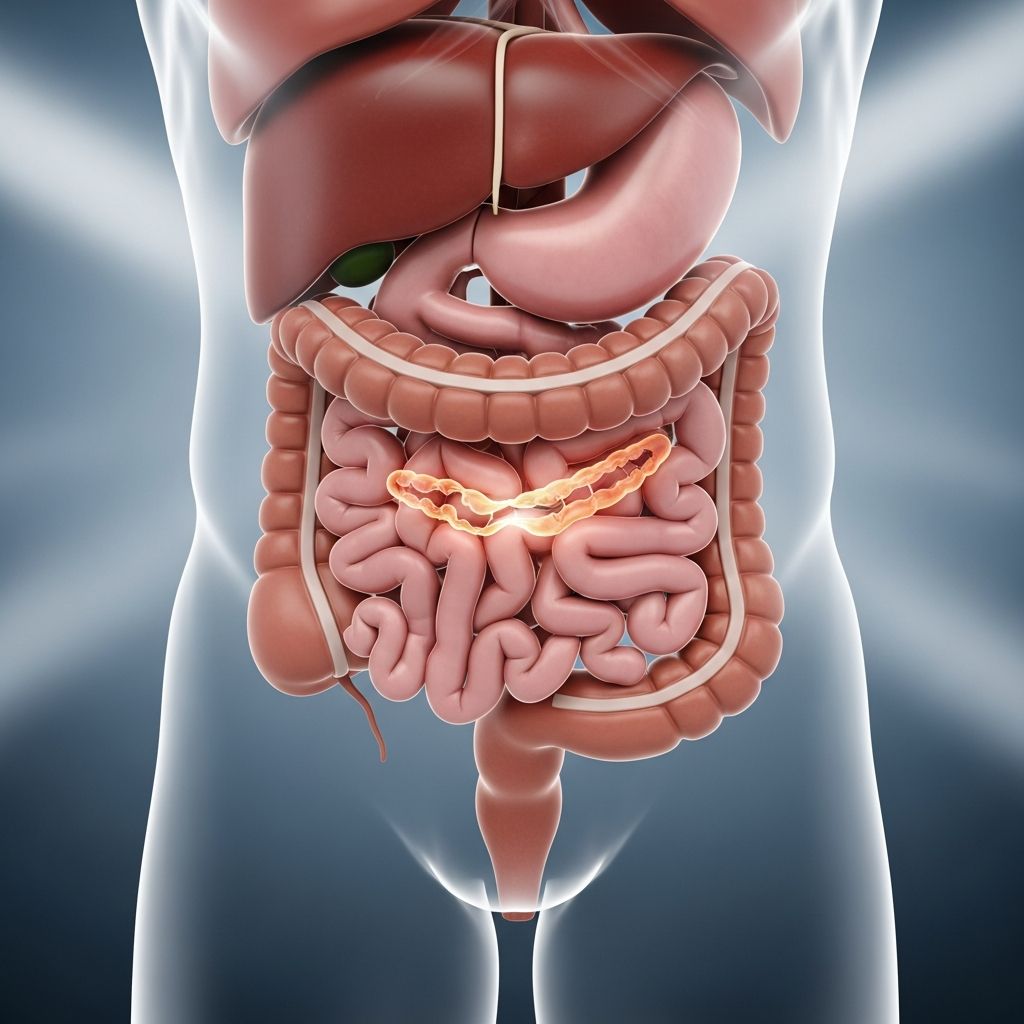
Understanding Hemicolectomy Surgery
A hemicolectomy is a surgical procedure designed to remove one side of your colon, the large intestine responsible for absorbing water and storing waste material. This operation involves removing a section of your colon on either the right side of your body (right hemicolectomy) or your left side (left hemicolectomy). The procedure is performed by experienced colorectal surgeons and can be conducted through minimally invasive techniques or traditional open surgery, depending on your specific medical condition and overall health status. Understanding this surgical intervention is crucial for patients who have been recommended this procedure, as it can significantly impact digestive function and overall quality of life.
Why You Might Need a Hemicolectomy
There are several medical reasons why your healthcare provider might recommend a hemicolectomy. The most common indications for this surgical intervention include the presence of colon cancer, which requires removal of the affected portion of the colon to prevent the spread of malignancy. Additionally, patients with precancerous conditions affecting the colon may benefit from this procedure to prevent the development of cancer. Severe forms of certain digestive diseases, particularly inflammatory bowel conditions like Crohn’s disease or ulcerative colitis, may also necessitate a hemicolectomy when conservative medical treatments have failed to control symptoms. Other conditions that might warrant this surgery include bowel obstruction, diverticular disease with complications, familial adenomatous polyposis, and other benign or malignant lesions of the colon.
Types of Hemicolectomy Procedures
Right Hemicolectomy
A right hemicolectomy involves the removal of all the colon on the right side of your body and potentially some or all of your transverse colon, which is the section that runs horizontally along the top of your abdomen. This procedure is typically performed when there is pathology affecting the cecum, ascending colon, or hepatic flexure. During a right hemicolectomy, the small intestine (terminal ileum) is reconnected to the remaining transverse or descending colon through an anastomosis, which is a surgical connection between two segments of bowel. This type of hemicolectomy is often used to treat cancer located in the right colon or to address complications from Crohn’s disease affecting this region.
Left Hemicolectomy
A left hemicolectomy removes the colon on the left side of your body, including the descending colon and sigmoid colon. This procedure may also involve removal of part or all of the rectum, depending on the location and extent of the pathology. Left hemicolectomy is frequently performed for cancer of the descending or sigmoid colon, diverticular disease with perforation or recurrent episodes, and inflammatory bowel disease affecting the left colon. The descending colon is then connected to the remaining rectum or, if the rectum is removed, a colostomy may be created as an alternative outlet for bowel movements.
Extended Left Hemicolectomy
An extended left hemicolectomy removes a larger portion of the colon, potentially including the splenic flexure, which is a small bend in the colon on the left side of your body. This more extensive procedure is often necessary when cancer or other significant pathology extends beyond the typical boundaries of a standard left hemicolectomy. The extended approach ensures complete removal of the affected tissue while preserving as much healthy bowel as possible to maintain normal digestive function.
Surgical Approaches and Techniques
Minimally Invasive Laparoscopic Surgery
Most hemicolectomies today are performed using minimally invasive techniques, with laparoscopic surgery being the most common approach. In laparoscopic hemicolectomy, the surgeon makes several small incisions in the abdomen, typically ranging from one-half inch to one inch in length. A laparoscope, which is a thin tube with a small camera attached to its end, is inserted through one of these incisions to provide a magnified view of the surgical field on a monitor. Specialized surgical instruments are inserted through the other incisions to perform the actual dissection and removal of the diseased colon. The surgeon systematically mobilizes the colon by dividing the peritoneal attachments and blood vessels that supply it. This requires careful dissection in the avascular plane between the mesocolon and retroperitoneum to avoid damage to surrounding structures. Once the colon segment is completely mobilized, it may be removed through an extension of one of the incisions or through the umbilicus, depending on the size of the specimen. The anastomosis can be performed either intracorporeally (inside the body) or extracorporeally (outside the body through an enlarged incision).
Related Stories



Robotic Surgery
Robotic-assisted hemicolectomy is another minimally invasive option that combines the principles of laparoscopic surgery with advanced robotic technology. This approach offers the surgeon enhanced visualization, greater precision, and improved dexterity compared to traditional laparoscopy. The robot translates the surgeon’s hand movements into smaller, more precise movements of the surgical instruments, which can be particularly beneficial in complex cases.
Open Surgery
Traditional open surgery involves making a larger incision in the abdomen to access the colon directly. While this approach is less commonly used today due to advances in minimally invasive techniques, it may still be necessary in certain situations, such as when significant adhesions are present, when the patient’s condition requires immediate access to the abdomen, or when complications arise during laparoscopic surgery that necessitate conversion to open surgery.
The Hemicolectomy Procedure: What to Expect
Before Your Surgery
Prior to your hemicolectomy, you will undergo a comprehensive preoperative evaluation to ensure you are healthy enough for surgery. This typically includes blood tests, imaging studies such as CT scans or colonoscopy, and consultation with your anesthesiologist. You will receive detailed instructions about fasting (typically nothing to eat or drink after midnight the night before surgery), bowel preparation, and medication management. Some medications may need to be adjusted or discontinued before surgery.
During the Procedure
During a laparoscopic hemicolectomy, you will be placed under general anesthesia and positioned supine on the operating table. The surgeon will make several small incisions in your abdomen and insert the laparoscope and surgical instruments. The abdomen is then insufflated with carbon dioxide gas to create space for the surgeon to work. The surgeon systematically identifies and mobilizes the segment of colon that needs to be removed. Blood vessels supplying that segment are carefully divided and sealed. Once the colon is completely mobilized, it is divided with surgical staplers at appropriate locations above and below the diseased segment. The specimen is then placed in an extraction bag and removed from the abdomen through one of the incisions or through an extended umbilical incision. The two remaining healthy ends of the bowel are then connected together through an anastomosis using surgical staples or sutures. The instruments are removed, the carbon dioxide is evacuated from the abdomen, and the incisions are closed with sutures or staples.
Surgery Duration and Hospital Stay
A laparoscopic hemicolectomy typically takes two to three hours to complete, although this can vary depending on the complexity of your case, the extent of disease, and any unexpected findings discovered during surgery. Your care team will keep your family and friends updated throughout the procedure. Following surgery, most patients remain hospitalized for three to four days to allow for initial recovery and to ensure there are no immediate complications. During your hospital stay, you will be monitored closely by nursing staff, receive pain management, and gradually progress your diet from clear liquids to solid foods as tolerated.
Recovery After Hemicolectomy
Hospital Recovery Phase
While you are hospitalized, your care team will monitor your vital signs, manage your pain with appropriate medications, and help you gradually resume normal activities. You will likely receive intravenous fluids until you can tolerate oral intake. Early mobilization, including sitting up in bed and walking in the hallways, is encouraged to prevent blood clots and promote healing. Your surgical incisions will be kept clean and dry, and your bowel function will be closely observed as it begins to return to normal after surgery.
At-Home Recovery
After discharge from the hospital, you will need to continue resting and gradually increase your activity level. Most patients can return to light activities within two to three weeks and resume normal activities within four to six weeks, although this timeline can vary. It is important to follow all postoperative instructions provided by your surgical team, including wound care, activity restrictions, and dietary recommendations. You may experience some mild discomfort, bloating, or changes in bowel habits during the recovery period, but these symptoms typically improve over time.
Potential Complications and When to Seek Help
While hemicolectomy is generally a safe procedure, like all surgeries, it carries some risks. Potential complications can include infection, bleeding, blood clots, anastomotic leak (where the connection between bowel segments fails), bowel obstruction, and complications related to anesthesia. You should contact your surgeon immediately if you experience severe pain that is not controlled by your medications, fever, excessive bleeding from your incisions, signs of infection such as redness or drainage from your surgical wounds, persistent nausea or vomiting that prevents you from eating or drinking, inability to have bowel movements or pass gas for several days, or signs of blood clots such as swelling, redness, or pain in your legs.
Living After Hemicolectomy
After successful recovery from a hemicolectomy, most patients return to normal daily activities and diet. Your colon’s ability to absorb water and nutrients may be slightly affected, which can result in more frequent bowel movements or slightly looser stools compared to before surgery, but this typically normalizes over time. You should be able to eat a normal, healthy diet, although some patients find that certain foods trigger increased bowel movements or bloating. It is important to stay well-hydrated and include adequate fiber in your diet. Most patients report an excellent quality of life after recovery from hemicolectomy, particularly when the procedure has successfully treated cancer or resolved symptoms from inflammatory bowel disease.
Success and Outcomes
Hemicolectomy has excellent outcomes for appropriate indications. For patients with colon cancer, the procedure provides the best chance for cure when performed by experienced colorectal surgeons. Cleveland Clinic’s colorectal surgeons perform more than 3,200 inpatient cases annually, in addition to many outpatient and endoscopic cases, demonstrating extensive experience with these procedures. Minimally invasive approaches have been shown to provide comparable oncologic outcomes to open surgery while offering the benefits of smaller incisions, reduced pain, faster recovery, and shorter hospital stays. For patients with inflammatory bowel disease or other benign conditions, hemicolectomy can provide relief from debilitating symptoms and significantly improve quality of life.
Frequently Asked Questions
Q: Is hemicolectomy considered major surgery?
A: Yes, hemicolectomy is considered major surgery because it involves removal of a portion of your colon and reconstruction of your digestive tract. However, when performed laparoscopically, it is less invasive than open surgery and typically has a faster recovery.
Q: Will I need a colostomy after hemicolectomy?
A: Most patients do not require a permanent colostomy after hemicolectomy because the remaining healthy bowel segments can usually be reconnected. A temporary or permanent colostomy may only be necessary in specific situations, such as when the rectum is removed or in cases of extensive disease.
Q: How long does it take to return to normal activities?
A: Most patients can return to light activities within two to three weeks and resume normal activities within four to six weeks following laparoscopic hemicolectomy. Open surgery may require a longer recovery period.
Q: What dietary changes should I expect after hemicolectomy?
A: Most patients can return to a normal diet after recovery. Some may experience increased bowel movements or looser stools initially, but these typically normalize over time. Staying well-hydrated and maintaining adequate fiber intake is recommended.
Q: Can hemicolectomy be reversed?
A: Hemicolectomy is permanent because a portion of your colon is actually removed, not just bypassed. However, if a temporary colostomy was created, it may be reversible through a second surgery.
References
- Hemicolectomy: What It Is, Types, Surgery & Recovery — Cleveland Clinic. 2024. https://my.clevelandclinic.org/health/procedures/hemicolectomy
- Laparoscopic right colectomy: technique and atlas — AME Medical Journal. 2024. https://ales.amegroups.org/article/view/4995/html
- Right hemicolectomy — Mayo Clinic. 2024. https://www.mayoclinic.org/tests-procedures/colectomy/multimedia/right-hemicolectomy/img-20007591
- Colectomy (Colon Resection Surgery): What It Is & Types — Cleveland Clinic. 2024. https://my.clevelandclinic.org/health/treatments/4671-colectomy-bowel-resection-surgery
- Colorectal Resection Outcomes — Cleveland Clinic. 2024. https://my.clevelandclinic.org/departments/digestive/outcomes/924-colorectal-resection
- Should You Get a Second Opinion on Colon Surgery? — Clinic by Cleveland Clinic. 2024. https://www.clinicbyclevelandclinic.com/blog/should-you-get-a-second-opinion-on-colon-surgery/
Similar Articles








Read full bio of medha deb