Hemiparesis: Causes, Symptoms, Treatment & Types
Understanding one-sided muscle weakness: causes, symptoms, and effective treatment options.
What Is Hemiparesis?
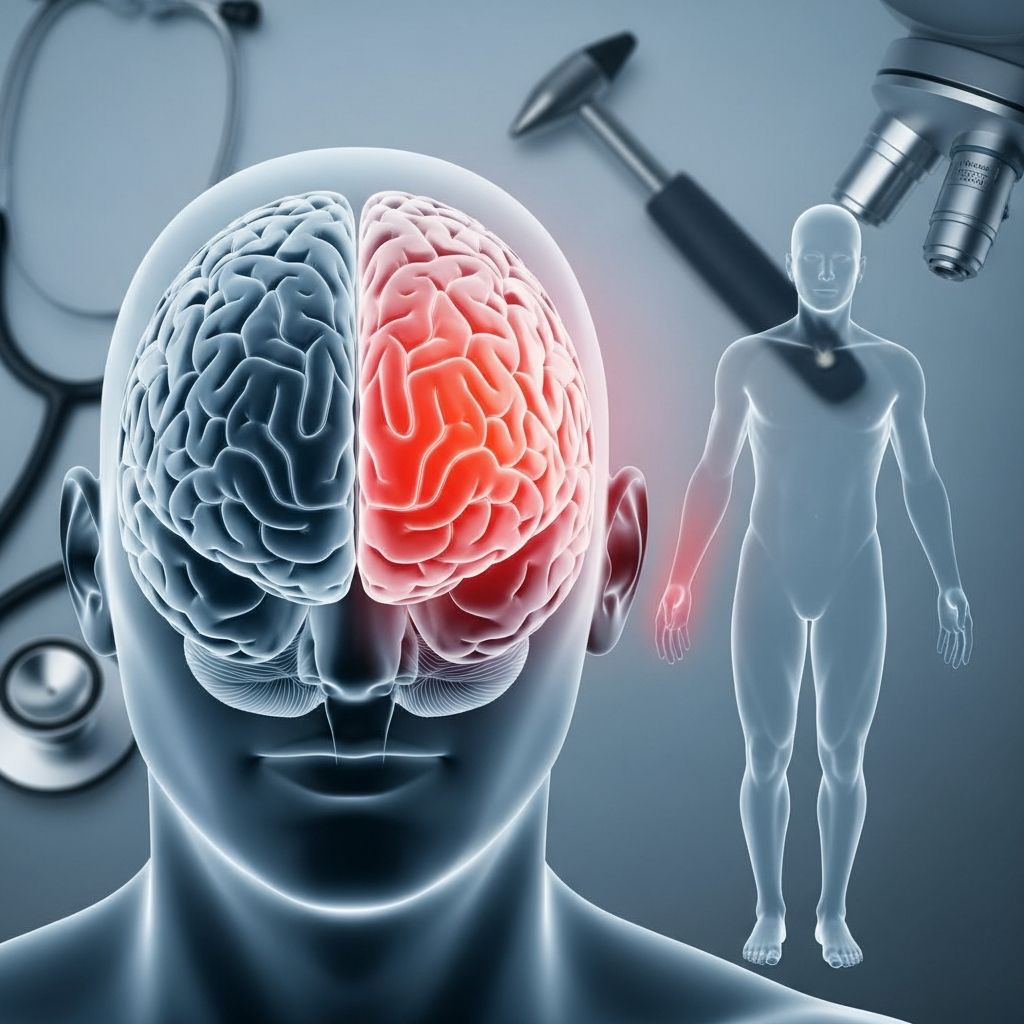
Hemiparesis is one-sided muscle weakness that affects either the left or right side of your body. This condition is a symptom of underlying brain or nerve disorders rather than a disease itself. The weakness can range from mild to severe and may affect your arms, legs, face, or a combination of these areas. Unlike hemiplegia, which involves complete paralysis on one side of the body, hemiparesis allows for some degree of movement, though it may be significantly limited or difficult to control.
This condition requires immediate medical attention when it appears suddenly or unexpectedly, as it can be an early warning sign of a stroke or other serious neurological emergencies. Understanding hemiparesis is crucial for recognizing when you need urgent medical care and for managing the condition effectively once diagnosed.
Common Symptoms of Hemiparesis
The symptoms of hemiparesis vary depending on the severity of the condition and which areas of your body are affected. People experiencing hemiparesis often encounter multiple challenges that impact their daily functioning and quality of life.
Common symptoms include:
- Trouble maintaining balance and standing upright
- Difficulty walking or changes in gait
- Tingling or numbing sensations on the weak side
- Difficulty grabbing or holding objects
- Loss of precision in movements
- Lack of coordination on the affected side
- Muscle fatigue that worsens with activity
- Weakness in facial muscles, potentially affecting speech or facial expressions
- Dragging of the affected limb
The specific combination and severity of symptoms depend on the underlying cause and the extent of nerve or brain damage. Some people may experience only mild weakness, while others may have more significant functional limitations.
Causes of Hemiparesis
Hemiparesis can result from various conditions affecting the brain, spinal cord, or peripheral nerves. Understanding the underlying cause is essential for determining the appropriate treatment and prognosis.
Common causes include:
- Stroke: One of the most common causes, occurring when blood flow to the brain is interrupted
- Traumatic brain injury: Damage to the brain from head trauma or accidents
- Spinal cord injury: Damage to the spinal cord that affects nerve signals
- Multiple sclerosis: An autoimmune condition affecting the central nervous system
- Cerebral palsy: A neurological disorder affecting movement and muscle tone
- Brain tumor: Abnormal growths that can compress or damage brain tissue
- Hemiplegic migraine: A rare type of migraine causing temporary one-sided paralysis
- Neurological infections: Conditions like meningitis or encephalitis
- Peripheral nerve damage: Injury to nerves outside the central nervous system
Some of these conditions are treatable or even reversible, while others may cause permanent changes. A healthcare provider can determine the specific cause through diagnostic testing and physical examination.
When to Seek Emergency Medical Care
Sudden or unexpected hemiparesis is a medical emergency and requires immediate attention. If you experience one-sided muscle weakness in a limb or your face for an unknown reason, you should immediately go to the nearest emergency room. This symptom can be an early sign of a stroke, a life-threatening condition that requires prompt treatment.
You should also seek immediate medical help if you have any of the following stroke warning signs:
Related Stories



- Balance problems or dizziness
- Vision changes or loss of vision
- Facial drooping on one side
- Arm or leg drooping
- Speech difficulties or slurred speech
- Severe headache
- Confusion or difficulty understanding others
Time is critical in stroke treatment. The faster you receive medical care, the better your chances of a positive outcome and recovery. Do not delay seeking help if you suspect a stroke.
Diagnosis of Hemiparesis
Diagnosing hemiparesis involves a comprehensive evaluation by a healthcare provider. Your doctor will perform a physical examination to assess muscle strength, coordination, and reflexes on both sides of your body. They will also conduct a neurological examination to evaluate your cognitive function, sensory perception, and other neurological functions.
During the diagnostic process, your healthcare provider will:
- Ask about your medical history and current symptoms
- Inquire about when the weakness started and how it has progressed
- Perform strength testing on different muscle groups
- Assess coordination and balance
- Check reflexes and sensory responses
- Order imaging tests such as MRI or CT scans to visualize the brain or spinal cord
- Conduct blood tests if infection or other systemic conditions are suspected
Diagnostic imaging is particularly important when hemiparesis appears suddenly, as it helps identify stroke, hemorrhage, or tumor. The specific tests ordered depend on the suspected underlying cause and the presentation of symptoms.
Treatment Options for Hemiparesis
Treatment for hemiparesis depends primarily on the underlying cause. Some conditions are treatable or even curable, while others may improve partially on their own. Unfortunately, many neurological conditions, such as spinal cord injuries or traumatic brain injuries, can cause permanent damage, meaning the hemiparesis may not completely resolve, although it can improve to some degree with appropriate treatment and rehabilitation.
Physical and Occupational Therapy
Rehabilitation therapy is a cornerstone of hemiparesis treatment. Physical therapy helps restore strength, improve balance, and enhance mobility on the affected side. Occupational therapy focuses on helping patients regain independence in daily activities and improve fine motor skills.
Electrical Stimulation Therapy
Electrical stimulation involves placing small electrical pads on the weak muscles of the affected side. An electrical charge is sent through these pads to help the muscles contract, which can strengthen muscles and improve function. Some machines for electrical stimulation can be used at home after initial training by a healthcare professional.
Cortical Stimulation
This treatment is similar to electrical stimulation but involves sending an electric current to the dura, the tough membrane covering the brain. While your brain receives this stimulation, you perform rehabilitation exercises. This approach aims to enhance the brain’s neuroplasticity and improve motor recovery.
Modified Constraint-Induced Therapy (mCIT)
Modified constraint-induced therapy forces you to use the weak side of your body through structured practice and exercises. With regular, consistent practice over time, nerve function in the affected region may improve. This approach works particularly well when combined with other therapeutic interventions.
Deep Brain Stimulation (DBS)
Recent research has shown promising results with deep brain stimulation for certain types of hemiparesis. The EDEN trial (Electrical Stimulation of the Dentate Nucleus for Upper Extremity Hemiparesis Due to Ischemic Stroke) demonstrated that DBS combined with physical therapy improved movement in stroke patients. The procedure involves surgically implanting electrodes into a specific brain region called the cerebellum, which are then connected to a pacemaker-like device. This device delivers small electric pulses to help restore control of movements. In the EDEN trial, nine out of 12 participants showed meaningful improvements in motor function, with some participants nearly tripling their initial scores after the device was activated following surgery and recovery.
Activity and Lifestyle Modifications
Beyond formal therapy, staying active and using the affected side as much as possible is important for recovery. Wearing wide-toed shoes that fall easily on your feet can help prevent tripping and improve safety during walking. Your healthcare provider may recommend specific adaptive equipment or strategies tailored to your needs.
Hemiparesis vs. Hemiplegia
Hemiparesis and hemiplegia are very similar symptoms, and many people—including some healthcare providers—use the terms interchangeably. However, there is an important distinction. Hemiparesis refers to one-sided muscle weakness with some remaining ability to move, while hemiplegia refers to complete paralysis on one side of the body with no voluntary movement. Hemiplegia is typically considered more severe than hemiparesis, though both conditions significantly impact functioning and quality of life.
Prognosis and Recovery
The outlook for hemiparesis depends significantly on the underlying cause. Conditions that are easily treatable or reversible may resolve completely or substantially improve. However, permanent neurological damage from conditions like spinal cord injuries or severe traumatic brain injuries may result in long-term or permanent hemiparesis. Even in these cases, rehabilitation and therapy can often lead to measurable improvements in strength and function over time.
Recovery is often gradual and requires commitment to rehabilitation programs. Early intervention and aggressive therapy typically produce better outcomes. The brain’s neuroplasticity—its ability to form new neural connections—means that improvement can occur even months or years after the initial injury, particularly with consistent therapeutic intervention.
Important Considerations
Hemiparesis should always be diagnosed and treated by a qualified healthcare provider, particularly the first time you experience it. While some conditions involving hemiparesis may not be immediately dangerous, others are life-threatening emergencies. Your healthcare provider can differentiate between serious and less serious causes and recommend appropriate treatment based on your specific condition, circumstances, and health history.
When experiencing sudden hemiparesis, do not attempt self-diagnosis or self-treatment. The condition requires professional medical evaluation to identify the underlying cause and implement appropriate treatment promptly.
Frequently Asked Questions (FAQs)
Q: What is the difference between hemiparesis and hemiplegia?
A: Hemiparesis is one-sided muscle weakness with some remaining ability to move, while hemiplegia is complete paralysis on one side of the body. Hemiplegia is considered more severe than hemiparesis, though many healthcare providers use these terms interchangeably.
Q: Is hemiparesis always a sign of stroke?
A: While sudden hemiparesis can indicate a stroke, it can also result from other conditions such as brain tumors, spinal cord injuries, multiple sclerosis, or hemiplegic migraines. Sudden onset hemiparesis requires emergency evaluation to determine the cause.
Q: Can hemiparesis be reversed?
A: Recovery depends on the underlying cause. Some conditions are treatable or reversible and may resolve completely. However, permanent neurological damage from conditions like spinal cord injuries or traumatic brain injuries may result in long-term weakness, though rehabilitation can often improve function.
Q: What should I do if I experience sudden hemiparesis?
A: Seek immediate emergency medical care by going to the nearest emergency room or calling emergency services. Sudden hemiparesis can indicate a stroke or other life-threatening condition that requires prompt professional evaluation and treatment.
Q: How long does recovery from hemiparesis typically take?
A: Recovery varies widely depending on the underlying cause, severity of the condition, and individual factors. Some people experience significant improvement within weeks or months, while others require longer-term rehabilitation. Consistent therapy and rehabilitation are key to achieving the best possible outcomes.
References
- Hemiparesis: What It Is, Causes, Symptoms, Treatment & Types — Cleveland Clinic. 2024. https://my.clevelandclinic.org/health/symptoms/24952-hemiparesis
- Hemiparesis: Causes, Symptoms, Treatment, and Outlook — WebMD. 2024. https://www.webmd.com/stroke/what-is-hemiparesis
- Cleveland Clinic Study Shows Deep Brain Stimulation Encouraging for Stroke Patients — Cleveland Clinic Newsroom. 2023-08-14. https://newsroom.clevelandclinic.org/2023/08/14/cleveland-clinic-study-shows-deep-brain-stimulation-encouraging-for-stroke-patients
- Hemiplegia: Definition, Causes, Symptoms & Treatment — Cleveland Clinic. 2024. https://my.clevelandclinic.org/health/symptoms/23542-hemiplegia
- rTMS Plus CCFES-mediated Functional Task Practice for Severe Hemiparesis — U.S. National Library of Medicine Clinical Trials Database. 2024. https://clinicaltrials.gov/study/NCT03870672
Similar Articles








Read full bio of medha deb