Hemoglobinopathy: Understanding Inherited Blood Disorders
Learn about hemoglobinopathies: inherited blood disorders affecting hemoglobin production and function.
Hemoglobinopathy: What It Is, Symptoms & Treatment
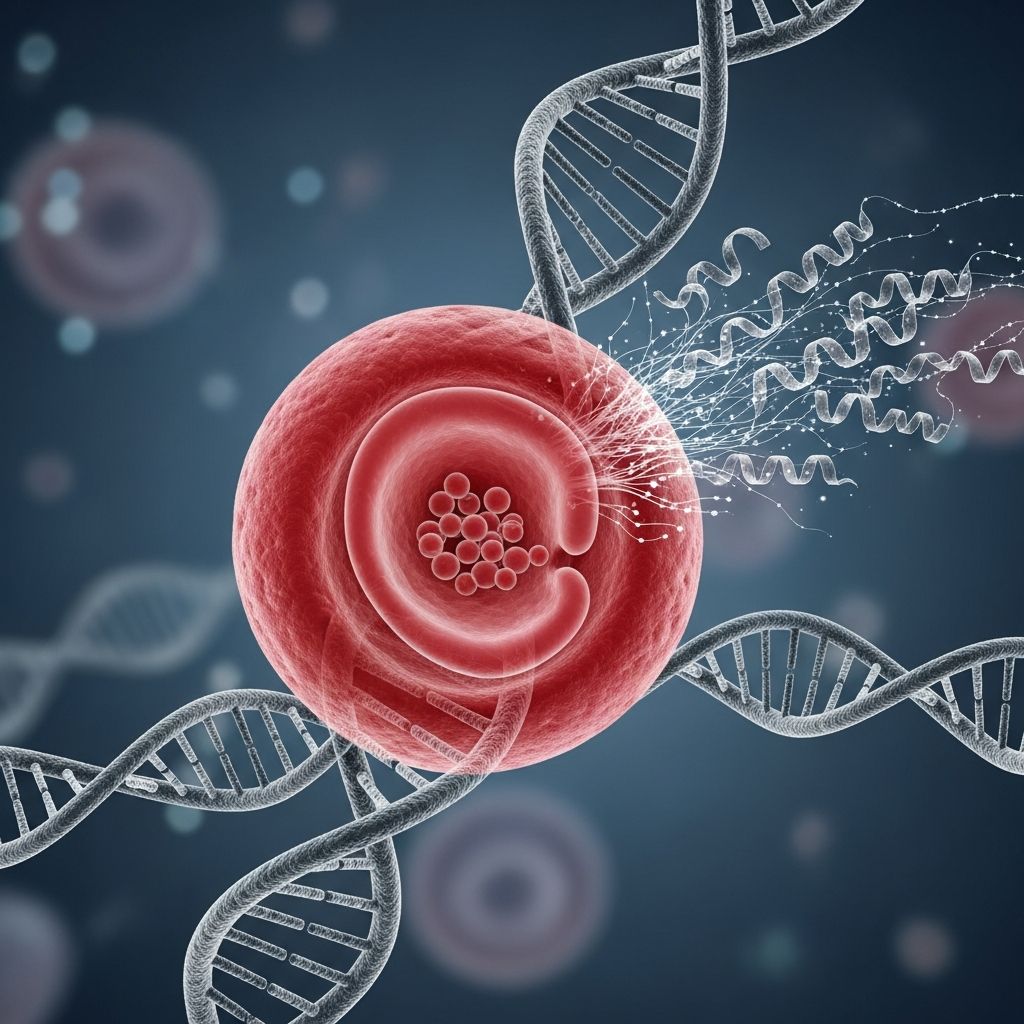
Hemoglobinopathy is an umbrella term for a group of inherited blood disorders that affect how your body produces or functions hemoglobin, the critical protein found in red blood cells responsible for carrying oxygen throughout your body. These conditions result from genetic mutations passed down from parents to children and can significantly impact your health and quality of life.
When your body makes abnormal hemoglobin or doesn’t produce enough of it, serious complications can develop. The good news is that with early detection through newborn screening and appropriate medical management, individuals with hemoglobinopathies can live long, full lives. Understanding these disorders is essential for patients, families, and healthcare providers to ensure proper care and symptom management.
Understanding Hemoglobinopathy
Hemoglobinopathies are inherited blood disorders involving mutations in the genes responsible for producing hemoglobin. These single-gene disorders are typically inherited as autosomal recessive traits, meaning you must inherit the mutated gene from both parents to develop the full condition. There are two main categories of hemoglobinopathies: structural variants and quantitative defects.
Structural hemoglobinopathies involve abnormal hemoglobin molecules with altered amino acid sequences, while quantitative defects involve insufficient production of normal hemoglobin. The most common types include sickle cell disease, various hemoglobin variants like HbE and HbC, and thalassemias including alpha-thalassemia and beta-thalassemia.
Common Symptoms of Hemoglobinopathy
Hemoglobinopathies manifest through various symptoms that can range from mild to severe depending on the specific type and severity of the condition. Recognizing these symptoms is crucial for early diagnosis and treatment initiation.
Common symptoms include:
- Fatigue and weakness, resulting from reduced oxygen-carrying capacity of red blood cells
- Shortness of breath and difficulty breathing during normal activities
- Cold hands and feet due to poor circulation
- Jaundice, characterized by yellowing of the skin and eyes
- Pale or yellowish skin tone
- Swelling of hands and feet (especially in children)
- Bone and joint pain
- Chest pain and acute pain crises
- Headaches and dizziness
- Delayed growth and development in children
The severity and specific symptoms depend on the type of hemoglobinopathy you have. Some individuals may experience mild symptoms that barely impact daily life, while others face debilitating complications requiring ongoing medical management.
Types of Hemoglobinopathies
Hemoglobinopathies encompass several distinct disorders, each with unique characteristics and clinical presentations. Understanding the different types helps guide appropriate treatment strategies.
Sickle Cell Disease
Sickle cell disease (SCD) represents the most common and severe hemoglobinopathy in the United States. The condition results from a specific mutation in the HBB gene, causing red blood cells to become C-shaped or sickled. These abnormal cells stick together, blocking blood vessels and reducing oxygen delivery to tissues. This polymerization of deoxygenated hemoglobin S triggers vaso-occlusive phenomena, cascading into inflammation, hemolysis, anemia, and multi-organ complications.
Related Stories



The most severe genotype is homozygous hemoglobin SS, accounting for 60 to 70 percent of sickle cell cases in the United States. Other variants include sickle cell-hemoglobin C disease and sickle cell-beta thalassemia combinations, which can present with varying severity levels.
Thalassemias
Thalassemias are quantitative hemoglobinopathies characterized by reduced production of normal globin chains. Alpha-thalassemia and beta-thalassemia represent the primary types of clinical significance. These conditions result from an imbalance in the ratio of alpha-like chains to beta-like chains, causing excess globin chains to accumulate and form non-functional aggregates.
In beta-thalassemia, reduced beta-globin production combined with normal alpha-globin synthesis leads to excess unmatched alpha-globin accumulation. This precipitates in red cell precursors in the bone marrow, triggering premature destruction. In alpha-thalassemia, the severity depends on how many of the four genes coding for alpha-globin are faulty, ranging from asymptomatic carriers to life-threatening conditions like Hemoglobin Barts in fetuses.
Hemoglobin Variants
Various hemoglobin structural variants exist beyond sickle cell disease. Hemoglobin C disease produces symptoms including vague pain, jaundice, enlarged spleen, mild to moderate anemia, and hemorrhaging. Unstable hemoglobin variants cause the hemoglobin molecule to precipitate spontaneously or under oxidative stress, leading to hemolytic anemia and Heinz body formation.
Some variants alter oxygen affinity, causing either polycythemia in high-affinity variants or cyanosis in low-affinity variants. These diverse presentations underscore the complexity of hemoglobinopathies and the importance of accurate diagnosis.
Causes and Genetic Inheritance
Hemoglobinopathies result from genetic mutations in the genes responsible for hemoglobin production. The hemoglobin molecule consists of globin chains (alpha, beta, gamma, and delta) and heme groups. Mutations affecting these genes disrupt normal hemoglobin structure or production.
These disorders follow autosomal recessive inheritance patterns, requiring the mutated gene from both parents for disease manifestation. When individuals inherit one mutated gene and one normal gene, they become carriers. While carriers typically don’t experience significant symptoms, they can pass the mutation to their children.
The most common hemoglobinopathy mutation occurs in the sixth codon of the beta-globin gene, causing substitution of valine for glutamic acid, characteristic of sickle cell disease. Other mutations create different hemoglobin variants with distinct properties and clinical consequences.
Diagnosis and Testing
Early detection of hemoglobinopathies is crucial for optimal disease management. Healthcare providers employ several diagnostic approaches to identify these conditions accurately.
Newborn Screening
One of the most important diagnostic tools is newborn screening, performed immediately after birth. Healthcare providers screen all newborns for hemoglobinopathies, allowing early intervention before serious complications develop. This universal screening has dramatically improved outcomes for affected individuals.
Hemoglobin Electrophoresis
Hemoglobin electrophoresis is the primary diagnostic test for hemoglobinopathies. This process analyzes the different types of hemoglobin in your red blood cells, separating them based on electrical charge. The test effectively identifies sickle cell anemia and other rare but serious hemoglobinopathies in newborns and adults alike.
Additional Diagnostic Methods
Healthcare providers may use protein-based assay methods such as isoelectric focusing or high-performance liquid chromatography to detect hemoglobin variants. DNA sequencing provides molecular confirmation of suspected structural hemoglobinopathies, particularly beta-globin sequencing for comprehensive genetic analysis.
Blood tests measuring hemoglobin levels, hematocrit, and red blood cell counts help assess disease severity. Genetic counseling may be recommended for families with hemoglobinopathy history to understand inheritance patterns and reproductive risks.
Complications of Untreated Hemoglobinopathy
Without proper management, hemoglobinopathies can lead to serious, life-threatening complications. Understanding these potential complications emphasizes the importance of early detection and ongoing treatment.
- Multi-organ damage: Chronic hemolysis and vaso-occlusive episodes damage the heart, lungs, kidneys, liver, and brain
- Chronic anemia: Persistent reduction in red blood cells and hemoglobin causes fatigue and reduced oxygen delivery
- Debilitating pain crises: Sudden, severe pain episodes can be incapacitating and require emergency care
- Stroke: Sickle cell disease significantly increases stroke risk, particularly in children
- Acute chest syndrome: Life-threatening complication involving chest pain, fever, and pulmonary infiltrates
- Priapism: Prolonged, painful erection requiring emergency treatment
- Retinopathy: Vision problems and blindness from retinal damage
- Kidney disease: Progressive renal failure affecting filtration function
- Death: Severe untreated hemoglobinopathies can be fatal
Treatment and Management Options
While hemoglobinopathy isn’t curable through standard treatments, various medical interventions can effectively manage symptoms and prevent complications, enabling individuals to live fulfilling lives.
Symptom Management
Healthcare providers recommend several strategies for managing hemoglobinopathy symptoms. Pain management often involves nonsteroidal anti-inflammatory drugs and opioid medications for severe pain crises. Adequate hydration helps prevent sickling episodes, while avoiding triggers such as extreme temperatures, high altitudes, and strenuous exercise is important.
Blood transfusions may be necessary to treat anemia and prevent complications like stroke. Some patients benefit from chronic transfusion therapy, particularly those at high risk for stroke or with severe disease manifestations.
Disease-Modifying Therapies
Hydroxyurea represents an important medication that reduces hemoglobin S polymerization and sickling episodes by increasing fetal hemoglobin production. This medication significantly decreases pain crises, acute chest syndrome, and mortality in sickle cell disease patients.
L-glutamine is another FDA-approved treatment that reduces oxidative stress and vaso-occlusive crises. Voxelotor, a novel agent, increases hemoglobin-oxygen affinity, reducing hemolysis and improving hemoglobin levels.
Advanced Therapies
Gene therapy and stem cell transplantation represent cutting-edge treatment approaches showing remarkable promise. Stem cell transplantation, particularly allogeneic transplantation from matched siblings, offers potential cure, especially in younger patients with matched donors. Gene therapy approaches modify patients’ own stem cells to correct the hemoglobin defect, with early trials showing significant success in eliminating hemoglobinopathy symptoms.
Complement inhibitors represent another advanced therapeutic class. These targeted therapies prevent the complement system from destroying red blood cells and platelets, particularly beneficial for rare hemoglobinopathies like paroxysmal nocturnal hemoglobinuria, extending life expectancy to normal ranges.
Supportive Care
Comprehensive supportive care addresses the diverse needs of hemoglobinopathy patients. This includes regular vaccinations to prevent infections, folic acid supplementation to support red blood cell production, preventive antibiotics when appropriate, and regular monitoring for organ damage. Pain management specialists, hematologists, and primary care physicians should coordinate care for optimal outcomes.
Living with Hemoglobinopathy
Many individuals with hemoglobinopathies lead normal, productive lives with proper medical management and lifestyle modifications. Understanding your specific condition, maintaining regular medical appointments, and following treatment recommendations are essential for long-term health.
Genetic counseling helps patients and families understand inheritance patterns and make informed reproductive decisions. Support groups and patient advocacy organizations provide valuable resources, emotional support, and access to latest research developments.
Early detection through newborn screening combined with appropriate treatment significantly improves quality of life and life expectancy for individuals with hemoglobinopathies. Ongoing research continues to develop more effective treatments and potential cures.
Frequently Asked Questions
Q: Is hemoglobinopathy curable?
A: Hemoglobinopathy is not curable through conventional medical treatments. However, with early detection and appropriate management, symptoms can be controlled effectively. Emerging therapies like gene therapy and stem cell transplantation show promise as potential cures, with early trials demonstrating significant success in eliminating symptoms.
Q: Can carriers of hemoglobinopathy develop the disease?
A: Carriers who inherit one mutated gene and one normal gene typically do not develop hemoglobinopathy. However, carriers can pass the mutation to their children. If both parents are carriers, there is a 25 percent chance their child will have hemoglobinopathy and a 50 percent chance the child will be a carrier.
Q: When should hemoglobinopathy screening occur?
A: Universal newborn screening for hemoglobinopathies occurs immediately after birth in most developed countries. This early detection allows intervention before serious complications develop. Older children and adults can also be tested if hemoglobinopathy is suspected based on symptoms or family history.
Q: What lifestyle changes help manage hemoglobinopathy?
A: Important lifestyle modifications include staying well-hydrated, avoiding extreme temperatures and high altitudes, managing stress, maintaining regular exercise appropriate to your condition, taking prescribed medications consistently, attending regular medical appointments, and avoiding triggers that precipitate pain crises or hemolytic episodes.
Q: Can hemoglobinopathy affect pregnancy?
A: Yes, hemoglobinopathy can complicate pregnancy, increasing risks for maternal and fetal complications. Women with hemoglobinopathies require specialized prenatal care, including regular monitoring, pain management strategies, and coordination between obstetric and hematologic specialists to ensure optimal outcomes for both mother and baby.
Q: What is the life expectancy for someone with hemoglobinopathy?
A: Life expectancy varies based on the specific hemoglobinopathy type and severity. With modern medical management including disease-modifying therapies, many individuals with sickle cell disease now live into their 50s and beyond. Continuous advances in treatment, particularly gene therapy and stem cell transplantation, continue to improve life expectancy and quality of life.
References
- Hemoglobinopathy: What It Is, Symptoms & Treatment — Cleveland Clinic. 2024. https://my.clevelandclinic.org/health/diseases/hemoglobinopathy
- Sickle cell disease: A primary care update — Cleveland Clinic Journal of Medicine. 2020. https://www.ccjm.org/content/87/1/19
- Hemoglobinopathy — Britannica Encyclopedia. 2024. https://www.britannica.com/science/hemoglobinopathy
- Hemoglobin Electrophoresis: Test, Procedure & Results — Cleveland Clinic. 2024. https://my.clevelandclinic.org/health/diagnostics/22420-hemoglobin-electrophoresis
- Sickle Cell Disease (SCD) Symptoms, Causes & Types — Cleveland Clinic. 2024. https://my.clevelandclinic.org/health/diseases/12100-sickle-cell-disease
- Thalassemia: Types, Traits, Symptoms & Treatment — Cleveland Clinic. 2024. https://my.clevelandclinic.org/health/diseases/14508-thalassemias
Similar Articles








Read full bio of Sneha Tete