Hemophagocytic Lymphohistiocytosis: Understanding HLH
Comprehensive guide to HLH: symptoms, diagnosis, treatment, and disease management.
Understanding Hemophagocytic Lymphohistiocytosis (HLH)
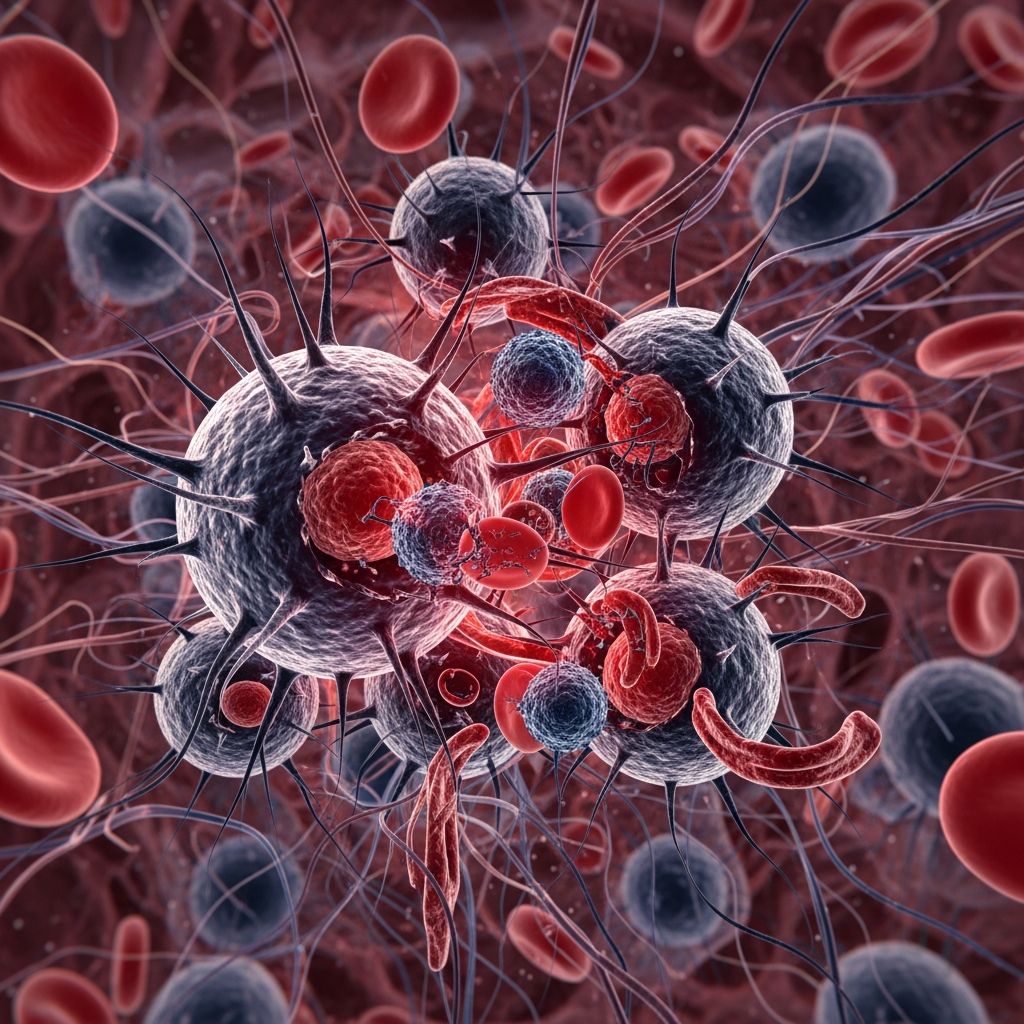
Hemophagocytic lymphohistiocytosis (HLH) is a rare but serious condition characterized by excessive inflammation throughout the body. In HLH, the immune system becomes overactive and attacks the body’s own cells rather than protecting it from foreign invaders like viruses or bacteria. This hyperinflammatory response leads to the production of excessive immune cells and inflammatory substances that damage multiple organs and body systems. While HLH is uncommon, early recognition and treatment are critical for improving outcomes, as the condition can rapidly progress and become life-threatening without appropriate medical intervention.
The condition occurs when cytotoxic T cells and natural killer cells malfunction, failing to properly control the immune response. Instead of protecting the body, these cells become overactive and produce excessive amounts of cytokines—chemical messengers that intensify inflammation. This uncontrolled immune activation leads to a cascade of symptoms affecting the liver, spleen, bone marrow, brain, and other vital organs.
Types of Hemophagocytic Lymphohistiocytosis
HLH presents in two distinct forms, each with different underlying causes and treatment approaches:
Primary (Familial) HLH
Primary HLH, also called familial HLH, is caused by genetic mutations that affect immune cell function. Children born with specific HLH-causing genetic mutations inherit defective immune systems from their parents. These genetic defects prevent immune cells from adequately controlling inflammation, leading to the characteristic symptoms of HLH. Primary HLH typically manifests early in childhood and requires aggressive treatment, including eventual stem cell transplantation to replace the defective immune system.
Secondary (Acquired) HLH
Secondary HLH develops when an underlying trigger activates the immune system excessively. Common triggers include infections (particularly viral infections such as Epstein-Barr virus), malignancies (including leukemia and lymphoma), autoimmune disorders, and complications following bone marrow or stem cell transplants. In secondary HLH, the immune system’s overreaction is a response to these underlying conditions rather than the result of inherited genetic defects. Treatment of secondary HLH focuses on identifying and managing the triggering cause, which often leads to disease remission.
Causes of HLH
The root cause of HLH involves a malfunction in how immune cells regulate themselves. Normally, the immune system activates to fight infections or eliminate abnormal cells, then shuts down when the threat is controlled. In HLH, this regulatory shutdown fails.
For primary HLH, genetic mutations directly impair the function of natural killer cells and cytotoxic T lymphocytes. These cells cannot properly eliminate activated immune cells, allowing unchecked immune activation and excessive cytokine production.
Secondary HLH can be triggered by:
- Viral infections, especially Epstein-Barr virus (EBV) and other herpes viruses
- Bacterial or fungal infections
- Hematologic malignancies such as leukemia and lymphoma
- Solid tumors
- Autoimmune conditions
- Post-transplant complications
These triggering events initiate excessive CD8 T-cell activation and macrophage proliferation, leading to severe hypercytokinemia—dangerously high levels of inflammatory cytokines in the bloodstream.
Symptoms and Clinical Presentation
HLH presents with a variety of symptoms that vary in severity among affected individuals. Symptoms typically develop rapidly, and their onset often indicates the need for immediate medical evaluation.
Related Stories



Common Symptoms
The most frequently observed symptoms of HLH include:
- Persistent fever: High fever lasting more than seven days that does not respond to standard antibiotics is characteristic of HLH
- Splenomegaly: Enlarged spleen, occurring in approximately 84% of HLH cases
- Hepatomegaly: Enlarged liver accompanying the enlarged spleen
- Cytopenias: Decreased counts of blood cells, including neutropenia (low white blood cells), anemia (low red blood cells), and thrombocytopenia (low platelets)
- Skin rash: Appearing in 30-65% of cases, often described as nonpruritic or maculopapular
- Lymphadenopathy: Swelling of lymph nodes throughout the body
Additional Symptoms
Beyond the common presentations, patients may experience:
- Abdominal distension and pain
- Jaundice (yellowing of skin and eyes)
- Weight loss or failure to thrive in infants
- Malaise and general feelings of illness
- Edema (swelling) in various body areas
- Respiratory symptoms or respiratory failure
Severe and Life-Threatening Symptoms
Central nervous system (CNS) involvement occurs in up to 75% of pediatric HLH cases and represents a serious complication. Neurological symptoms include:
- Seizures
- Mental status changes or confusion
- Focal neurologic deficits
- Cerebral edema (brain swelling)
- Brain hemorrhage
Additional life-threatening manifestations may include multiple organ failure, severe coagulopathy (bleeding disorders), acute respiratory distress syndrome, and septic shock. These severe symptoms require immediate hospitalization and intensive care support.
Diagnostic Criteria for HLH
Accurate diagnosis of HLH is essential for initiating timely treatment. The diagnostic process combines clinical findings with laboratory tests.
Genetic Testing
A diagnosis of primary HLH can be confirmed through the identification of a known HLH-causing genetic mutation. Genetic testing examines genes responsible for immune cell function and can definitively establish primary HLH in patients with pathogenic variants.
Clinical and Laboratory Criteria
In the absence of a identified genetic mutation, a diagnosis of HLH requires five or more of the following clinical or laboratory findings:
- High fever persisting for more than seven days
- Splenomegaly (enlarged spleen)
- Cytopenias affecting two or more cell lines (anemia, thrombocytopenia, or neutropenia)
- Hypertriglyceridemia (elevated triglycerides in blood)
- Hypofibrinogenemia (low fibrinogen levels)
- Hyperferritinemia (markedly elevated ferritin levels)
- Elevated soluble IL-2 receptor (sIL2R)
- Hemophagocytosis on bone marrow, cerebrospinal fluid, or lymph node biopsy
- Skin rash, irritability, or seizures
Additional Diagnostic Tests
Healthcare providers may order several additional tests to support diagnosis and assess disease severity:
- Complete blood count (CBC) to evaluate cell counts
- Blood chemistry panels to assess organ function
- Coagulation studies to evaluate bleeding risk
- Ferritin level measurement
- Bone marrow biopsy to detect hemophagocytosis
- Imaging studies (ultrasound, CT scan) to evaluate organ enlargement
- Lumbar puncture (spinal tap) to assess CNS involvement
- Genetic testing when primary HLH is suspected
Treatment of Primary HLH
Treatment of primary HLH requires an aggressive, two-phase approach combining initial immune suppression with long-term definitive therapy.
Initial Immunosuppressive Therapy
The first step in treating primary HLH involves suppressing the overactive immune system to control excessive inflammation and prevent organ damage. This initial phase typically uses a combination of medications:
- Corticosteroids: High-dose steroids reduce inflammation and dampen immune activation
- Chemotherapy agents: Medications such as etoposide target and reduce the population of activated immune cells
- Cytokine inhibitors: Newer medications including emapalumab (which blocks interferon-gamma) and ruxolitinib (which inhibits JAK signaling) reduce excessive cytokine production
The goal of initial therapy is to achieve remission by controlling inflammation and halting further organ damage. This phase may require several weeks of treatment with careful monitoring in a hospital setting.
Stem Cell Transplantation
Following successful initial treatment and achievement of remission, children with primary HLH typically undergo an allogeneic hematopoietic stem cell transplant (HSCT). This procedure offers the best chance for a permanent cure by replacing the defective immune system with a healthy one from a donor. Donor cells may come from a matched sibling, a parent, or an unrelated matched donor identified through bone marrow registry databases. The transplanted stem cells develop into a new, fully functional immune system capable of proper immune regulation.
Treatment of Secondary HLH
The treatment approach for secondary HLH differs from primary HLH because it focuses on identifying and managing the underlying trigger.
Treatment of the Underlying Cause
In many cases of secondary HLH, treating the underlying trigger effectively controls HLH. For example:
- Treating an identified infection with appropriate antimicrobial therapy
- Treating hematologic malignancy with chemotherapy or targeted cancer therapies
- Managing autoimmune conditions with immunosuppressive therapy
When the underlying cause is successfully treated, the excessive immune activation often resolves, and HLH enters remission without additional HLH-specific therapy.
Immunosuppressive Therapy
In severe cases of secondary HLH or when the underlying cause cannot be readily treated, physicians may employ immunosuppressive strategies similar to primary HLH treatment. Treatment decisions for secondary HLH depend more on disease severity and clinical symptoms rather than strict classification, providing flexibility in the therapeutic approach.
Managing Critical Care Complications
Many HLH patients require intensive care support to manage life-threatening complications. Critical care management may include:
- Mechanical ventilation for respiratory failure
- Management of cerebral edema with hypertonic saline therapy
- Neurosurgical intervention for brain hemorrhage when appropriate
- Support for multiple organ dysfunction
- Blood product transfusions for severe cytopenias
- Infection prevention and management
Early initiation of HLH-specific therapy is essential to prevent long-term neurological complications and improve survival rates.
Prognosis and Outcomes
The prognosis for HLH has improved significantly with early diagnosis and modern treatment approaches. Primary HLH that receives appropriate treatment followed by stem cell transplantation offers the best long-term survival outcomes. Secondary HLH outcomes depend on the nature of the underlying trigger and how effectively it responds to treatment. Early diagnosis and rapid initiation of therapy are the most important factors determining successful outcomes across all HLH types.
Frequently Asked Questions About HLH
Q: Is hemophagocytic lymphohistiocytosis hereditary?
A: Primary HLH is hereditary and caused by genetic mutations passed from parents to children. Secondary HLH is not hereditary; it develops in response to infections, malignancy, or other triggers.
Q: Can HLH be prevented?
A: Primary HLH cannot be prevented as it results from inherited genetic mutations. Secondary HLH cannot be reliably prevented, though prompt treatment of infections and malignancies may reduce risk.
Q: How quickly does HLH develop?
A: HLH can progress rapidly, sometimes over days to weeks. Early symptoms like persistent fever and enlarged spleen warrant immediate medical evaluation.
Q: Is stem cell transplant necessary for all HLH patients?
A: Stem cell transplant is the standard definitive treatment for primary HLH but is not always necessary for secondary HLH, which often enters remission with treatment of the underlying cause.
Q: What is emapalumab and how does it treat HLH?
A: Emapalumab is a gamma-blocking antibody medication approved by the FDA for treating HLH in infants and adults. It reduces excessive interferon-gamma, a key inflammatory cytokine driving HLH pathology.
Q: What is the survival rate for HLH with treatment?
A: Survival rates have significantly improved with modern immunosuppressive therapy and stem cell transplantation. However, outcomes vary based on HLH type, disease severity, and how quickly treatment is initiated.
References
- Hemophagocytic Lymphohistiocytosis (HLH) — Children’s Hospital of Philadelphia. 2025. https://www.chop.edu/conditions-diseases/hemophagocytic-lymphohistiocytosis-hlh
- Hemophagocytic Lymphohistiocytosis (HLH) Treatment — St. Jude Children’s Research Hospital. 2025. https://www.stjude.org/care-treatment/treatment/immune-disorders/histiocytosis/hemophagocytic-lymphohistiocytosis-hlh.html
- Diagnosis, Treatment, and Management of Hemophagocytic Lymphohistiocytosis — National Center for Biotechnology Information (NCBI). 2020. https://pmc.ncbi.nlm.nih.gov/articles/PMC7123852/
- Hemophagocytic Lymphohistiocytosis: Symptoms, Causes & Outlook — Cleveland Clinic. 2024. https://my.clevelandclinic.org/health/diseases/24292-hemophagocytic-lymphohistiocytosis
Similar Articles








Read full bio of medha deb