Hemophilia: Causes, Symptoms & Treatment Options
Understanding hemophilia: A comprehensive guide to this rare bleeding disorder and its management.
What Is Hemophilia?
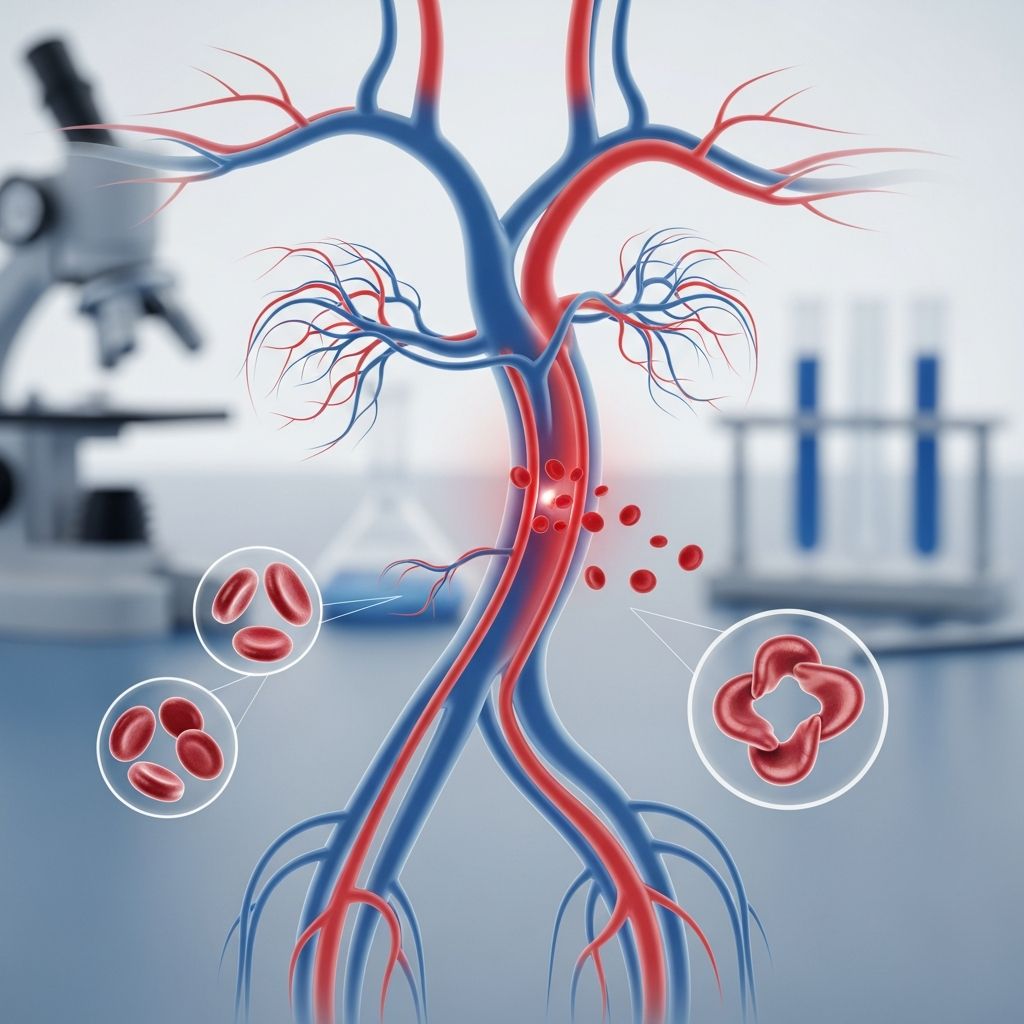
Hemophilia is a rare inherited condition that affects your body’s ability to form blood clots properly. This condition occurs when you don’t have enough clotting factors—specialized proteins in your blood that help stop bleeding. Without adequate clotting factors, even minor injuries can lead to prolonged or excessive bleeding that’s difficult to control.
The condition is primarily inherited through genes and follows an X-linked recessive inheritance pattern. This means the genetic change responsible for hemophilia is passed down through families, particularly affecting males more frequently than females. While there is currently no cure for hemophilia, modern medical treatments have revolutionized management, allowing people with this condition to prevent or significantly reduce bleeding episodes and maintain a better quality of life.
Types of Hemophilia
Hemophilia is classified into different types based on which clotting factor is deficient. The two primary types are:
Hemophilia A: This is the most common type of hemophilia, accounting for a significant portion of all hemophilia cases. It occurs when you lack sufficient clotting factor VIII (F8), a critical protein that helps your blood form clots. More than half of people with hemophilia A have a severe form of the disease.
Hemophilia B: Also known as Christmas disease, this rare inherited bleeding disorder develops when you don’t have enough clotting factor IX. This protein is essential for controlling bleeding. Hemophilia B typically happens when you inherit a changed F9 gene, following an X-linked recessive inheritance pattern.
Severity Classifications
Healthcare providers classify hemophilia based on the level of clotting factors in your blood. Understanding your classification helps determine the appropriate treatment approach and lifestyle management strategies.
Severe Hemophilia: People with severe hemophilia have very low clotting factor levels and may experience frequent, uncontrollable bleeding that happens without warning or obvious cause. They often require regular preventive treatment to minimize bleeding episodes. Severe forms typically present in infancy or early childhood.
Moderate Hemophilia: This classification indicates moderate clotting factor deficiency. Bleeding episodes may occur spontaneously or following minor trauma or procedures. Symptoms vary in frequency and severity depending on individual circumstances.
Mild Hemophilia: People with mild hemophilia often don’t experience symptoms unless they undergo surgery, dental treatment, or sustain significant trauma that triggers bleeding that doesn’t slow down or stop. Some individuals may not discover they have mild hemophilia until adulthood.
Common Symptoms
The symptoms of hemophilia can vary significantly depending on whether you have a severe, moderate, or mild form of the condition. Most people experience some combination of the following symptoms:
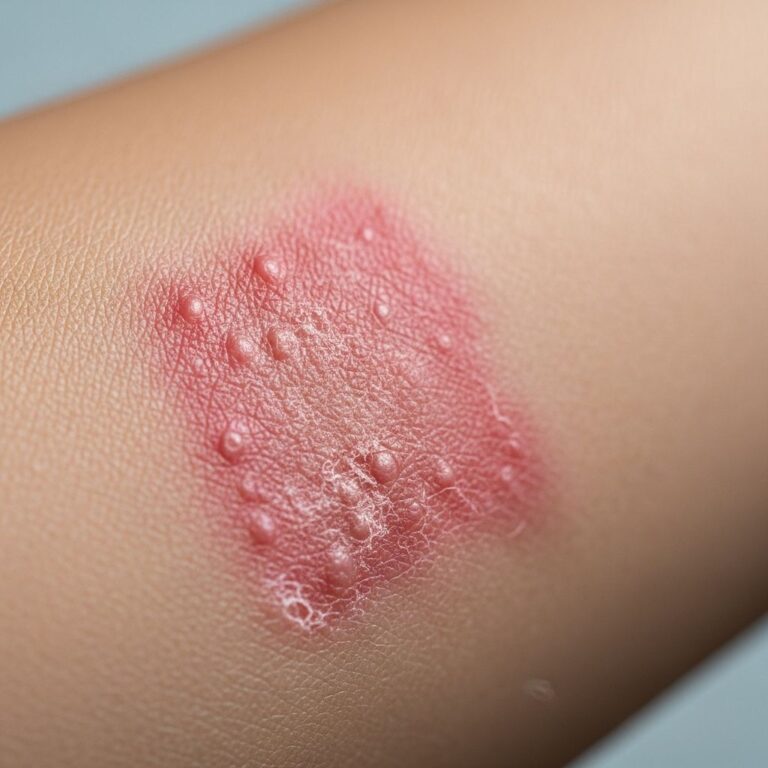
Bleeding and Bruising: Unusual or excessive bleeding and bruising are the hallmark symptoms of hemophilia. People with more severe forms may bruise very easily, even without remembering the specific cause of injury. Bruises often appear disproportionately large compared to the impact that caused them.
Related Stories



Joint-Related Complications: Hemophilia commonly causes bleeding into joints, particularly in people with moderate to severe disease. This can lead to joint pain, swelling, stiffness, and restricted range of motion. Repeated bleeding into the same joint can cause chronic pain and potential long-term damage.
Other Bleeding Manifestations: Additional symptoms may include nosebleeds, blood in urine or stool, and excessive bleeding after minor cuts, tooth extractions, or surgical procedures. Some people experience bleeding in muscles, which can cause pain and swelling.
Causes and Inheritance
Hemophilia is caused by genetic changes that affect the production of clotting factors. A genetic mutation accounts for approximately 70% of hemophilia A cases. When you inherit a hemophilia gene mutation, your body either produces insufficient clotting factors or produces factors that don’t work properly.
The condition follows an X-linked recessive inheritance pattern. This means the genetic instruction for hemophilia is carried on the X chromosome. Males, who have one X chromosome, are more likely to develop hemophilia if they inherit the mutated gene. Females, who have two X chromosomes, typically need mutations on both chromosomes to develop hemophilia, though they can be carriers and pass the condition to their children.
Diagnosis and Testing
If you suspect you have hemophilia, your healthcare provider will conduct a thorough evaluation. The diagnostic process begins with a detailed physical examination and comprehensive medical history. Your provider will ask about your personal bleeding history and whether anyone in your immediate family has hemophilia or other blood disorders.
Blood Tests: Several blood tests are essential for hemophilia diagnosis:
A clotting time test measures how long it takes for your blood to form a clot. This helps identify potential bleeding disorders. A factor VIII or factor IX level test directly measures the amount of the specific clotting factor in your blood, confirming the type and severity of hemophilia. A partial thromboplastin time (PTT) test measures how long it takes for blood to clot and can help screen for clotting disorders. A fibrinogen test measures another protein involved in blood clotting.
If you’re pregnant and suspect hemophilia in your family, your provider may recommend carrier screening and genetic counseling to understand how the condition might affect your family.
Treatment Options
While there is no cure for hemophilia, several modern treatment approaches can effectively prevent bleeding episodes or significantly slow down bleeding when it occurs. Your specific treatment plan depends on the type and severity of your hemophilia, your lifestyle, and other individual factors.
Replacement Therapy: This is a primary treatment for severe and moderate hemophilia. Replacement therapy involves receiving lab-made clotting factors or human plasma concentrates intravenously. These boost your clotting factor levels, helping your blood clot more effectively. People with severe hemophilia A or hemophilia B often use replacement therapy regularly, either when bleeding occurs or as preventive treatment before anticipated bleeding risks.
Monoclonal Antibody Therapy: This newer treatment approach works differently than replacement therapy. Fitusiran (Qfitlia) is a treatment for severe hemophilia A and hemophilia B that helps regulate your body’s natural clotting process.
Targeted Therapy: These medications work by targeting specific pathways in your body’s clotting system to enhance clot formation and reduce bleeding episodes.
Gene Therapy: This cutting-edge treatment represents a significant advancement in hemophilia management. Gene therapy for hemophilia A prevents bleeding by boosting factor VIII levels. You receive a shot containing a virus that carries a lab-made gene for clotting factor VIII. The virus transports the gene to liver cells that produce factor VIII. The new gene instructs these cells to manufacture normal factor VIII. Valoctocogene roxaparvovec-rvox (Roctavian) is currently the only approved gene therapy for severe hemophilia A, offering potential long-term benefits for suitable candidates.
Potential Complications
While hemophilia management has improved dramatically with modern treatments, some potential complications can develop. Rare but serious complications include:
Brain Bleeding: Hemophilia A rarely leads to bleeding in the brain, which can be life-threatening. This is one of the most serious complications. If you experience severe headaches that don’t go away, double vision, or other concerning neurological symptoms, seek emergency medical care immediately.
Joint Damage: Repeated bleeding into joints can cause chronic pain, swelling, and eventually permanent joint damage or arthritis if not properly managed.
Inhibitor Development: Some people with hemophilia develop inhibitors—antibodies that attack the clotting factors used in treatment—reducing treatment effectiveness. Regular monitoring can help detect this complication early.
Living With Hemophilia
Hemophilia affects people differently depending on disease severity. Some individuals with mild hemophilia can control bleeding relatively easily, while those with moderate or severe disease require ongoing medication and medical support throughout their lives.
People with severe hemophilia often experience unpredictable bleeding that can disrupt daily routines and quality of life. Recent treatment advances, however, are helping reduce symptoms and providing more lifestyle balance. Many people no longer need to arrange their entire schedule around treatments, allowing for greater independence and participation in normal activities.
Working closely with a specialized hemophilia treatment team provides access to latest therapies, comprehensive support, and guidance for living well with this condition. These teams understand the unique challenges hemophilia presents and can offer personalized care strategies to optimize health outcomes.
Frequently Asked Questions
Q: Is hemophilia curable?
A: Currently, there is no cure for hemophilia. However, modern treatments can effectively prevent or reduce bleeding episodes, allowing people with hemophilia to lead active, fulfilling lives with proper management.
Q: Can women have hemophilia?
A: While hemophilia predominantly affects males due to X-linked inheritance, women can have hemophilia if they inherit the mutated gene on both X chromosomes. Women typically carry the hemophilia gene on one X chromosome, making them carriers who can pass the condition to their children.
Q: What should I do if I suspect I have hemophilia?
A: Contact your healthcare provider to discuss your symptoms and family history. Your doctor can order blood tests to confirm hemophilia diagnosis. Early diagnosis and treatment significantly improve outcomes and quality of life.
Q: Can people with hemophilia participate in sports?
A: With appropriate precautions and medical management, many people with hemophilia can participate in physical activities and sports. Consult with your hemophilia treatment team about which activities are safest for your specific situation.
Q: How is hemophilia inherited?
A: Hemophilia follows an X-linked recessive inheritance pattern. Affected males have hemophilia, while females can be carriers. Genetic counseling can help families understand inheritance patterns and risks for future generations.
References
- What Is Hemophilia? — Cleveland Clinic. Accessed 2025. https://my.clevelandclinic.org/health/diseases/14083-hemophilia
- Hemophilia A: Definition, Symptoms & Treatment — Cleveland Clinic. Accessed 2025. https://my.clevelandclinic.org/health/diseases/23197-hemophilia-a
- Hemophilia B: Symptoms, Causes & Treatment — Cleveland Clinic. Accessed 2025. https://my.clevelandclinic.org/health/diseases/23912-hemophilia-b
- Acquired Hemophilia — National Center for Biotechnology Information (NCBI) PubMed. 2020. https://pubmed.ncbi.nlm.nih.gov/32809329/
- von Willebrand Disease: A Guide for the Internist — Cleveland Clinic Journal of Medicine. 2024. https://www.ccjm.org/content/91/2/119
Similar Articles








Read full bio of medha deb