Hemorrhagic Stroke: Causes, Symptoms & Treatment
Understanding hemorrhagic strokes: Learn about causes, warning signs, and emergency treatment options.
Understanding Hemorrhagic Stroke
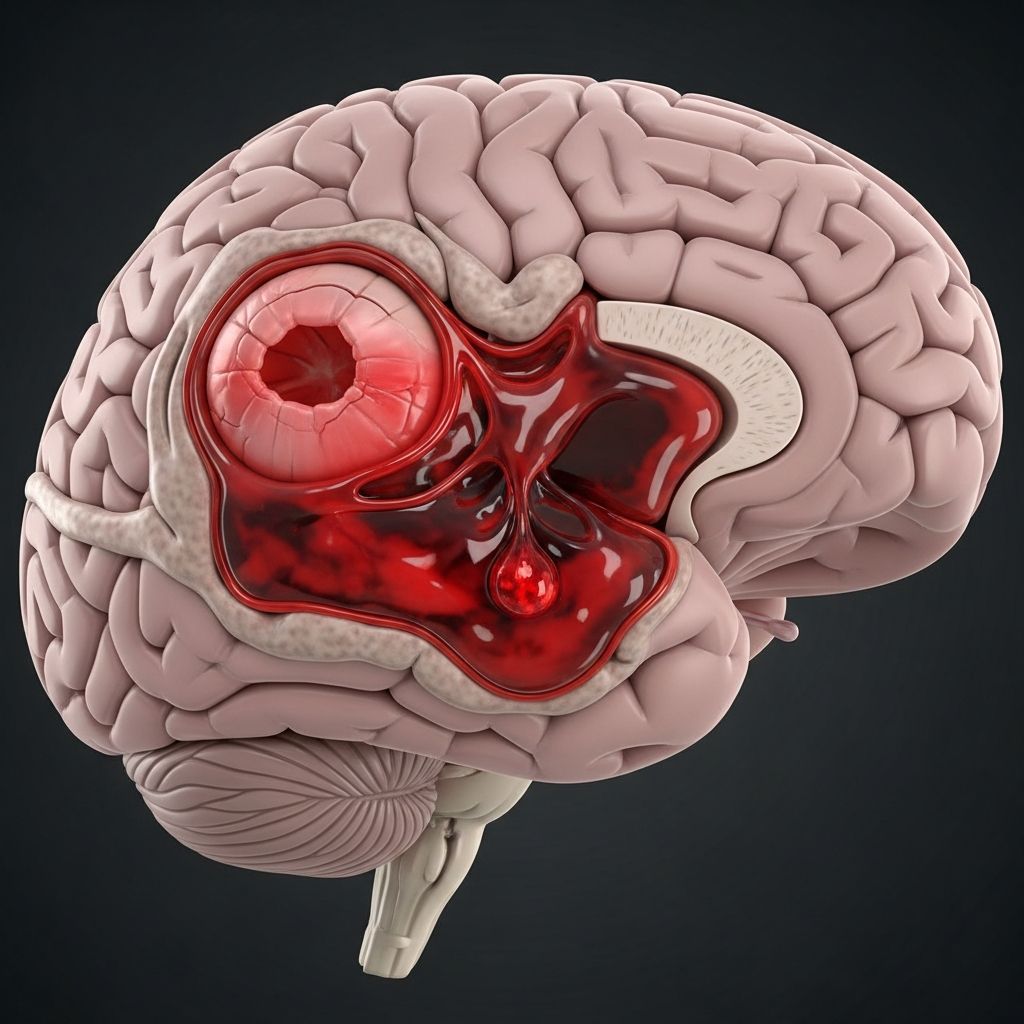
A hemorrhagic stroke occurs when a blood vessel in the brain ruptures or bursts, causing bleeding into the surrounding brain tissue. Unlike ischemic strokes, which result from blocked blood vessels, hemorrhagic strokes involve active bleeding that damages brain cells and increases pressure within the skull. This condition is a medical emergency requiring immediate medical attention, as the bleeding can cause severe brain damage or be fatal if not treated promptly.
Hemorrhagic strokes account for approximately 15% of all strokes but are responsible for a disproportionate amount of stroke-related deaths and disabilities. The severity of a hemorrhagic stroke depends on the location of the bleed, the amount of bleeding, and how quickly treatment is received. Understanding this condition, its warning signs, and treatment options is essential for survival and recovery.
Types of Hemorrhagic Stroke
There are two main types of hemorrhagic stroke, classified by where the bleeding occurs in the brain:
Intracerebral Hemorrhage (ICH)
Intracerebral hemorrhage occurs when a blood vessel within the brain tissue itself ruptures, causing blood to accumulate in the brain parenchyma. This type accounts for the majority of hemorrhagic strokes. The bleeding occurs deep within the brain and can result from chronic high blood pressure, which weakens small blood vessels over time. Intracerebral hemorrhages can also result from arteriovenous malformations (AVMs), brain tumors, or bleeding disorders. The bleeding creates a mass effect, increasing intracranial pressure and potentially causing swelling that compresses surrounding brain tissue and can be life-threatening.
Subarachnoid Hemorrhage (SAH)
Subarachnoid hemorrhage involves bleeding in the space between the brain and the membrane that surrounds it, known as the subarachnoid space. This type is often caused by a ruptured cerebral aneurysm—a weakened area in a blood vessel that balloons outward. SAH typically presents with sudden, severe headache described as “the worst headache of my life.” While less common than intracerebral hemorrhage, subarachnoid hemorrhage is particularly dangerous and can lead to severe complications, including rebleeding, vasospasm, and hydrocephalus. The bleeding spreads throughout the cerebrospinal fluid, affecting larger areas of the brain.
Risk Factors for Hemorrhagic Stroke
Several factors can increase your risk of experiencing a hemorrhagic stroke. Understanding these risk factors allows for better prevention and management strategies:
Cardiovascular and Medical Conditions
Individuals with high blood pressure are at significantly increased risk for hemorrhagic stroke, as hypertension damages blood vessel walls over time, making them prone to rupture. Other circulatory conditions that increase risk include arteriovenous malformations (abnormal tangles of blood vessels), cerebral aneurysms, bleeding disorders or clotting disorders, liver disease, and anticoagulant medication use. Additionally, individuals with a history of previous strokes have an elevated risk of experiencing another stroke.
Lifestyle and Demographic Factors
Lifestyle choices significantly impact hemorrhagic stroke risk. Smoking damages blood vessel walls and increases blood pressure, substantially raising stroke risk. Excessive alcohol consumption, particularly binge drinking, can increase bleeding risk and raise blood pressure. Heavy drug use, especially stimulants like cocaine and amphetamines, can trigger sudden blood vessel rupture. Age and family history also play roles, with risk generally increasing with age. Men are more likely to experience hemorrhagic stroke than women at younger ages, though the risk equalizes with advancing age.
Related Stories



Recognizing Symptoms of Hemorrhagic Stroke
Hemorrhagic stroke symptoms typically develop suddenly and require immediate emergency care. If you or someone nearby experiences any of these signs, call 911 immediately:
Primary Warning Signs
The most common symptoms include sudden severe headache, often described as the worst headache ever experienced, particularly in subarachnoid hemorrhage cases. Sudden weakness or numbness affecting one side of the body, facial drooping, difficulty speaking or slurred speech, and vision problems are typical presentations. Many patients experience loss of consciousness or confusion, difficulty with balance or coordination, and nausea or vomiting. Some individuals may experience seizures as a result of the bleeding.
Additional Symptoms
Depending on the location and severity of the bleed, patients may experience neck stiffness (particularly in subarachnoid hemorrhage), sensitivity to light, difficulty walking or moving limbs, loss of bladder or bowel control, and behavioral or personality changes. The rapid onset of these symptoms distinguishes stroke from other medical emergencies and necessitates immediate professional evaluation.
Diagnosis of Hemorrhagic Stroke
Rapid and accurate diagnosis is critical for hemorrhagic stroke management. Healthcare providers use several diagnostic approaches:
Neurological Examination
A healthcare provider will perform a rapid neurological exam assessing mental status, motor function, sensory function, speech, and other neurological indicators to determine stroke severity and location.
Imaging Tests
Computed tomography (CT) scanning is the primary diagnostic tool, providing rapid visualization of bleeding in the brain. CT angiography may be performed to identify the source of bleeding, such as an aneurysm or arteriovenous malformation. Magnetic resonance imaging (MRI) may be used in some cases to provide additional detail about the bleeding and surrounding brain tissue damage. In cases of subarachnoid hemorrhage, lumbar puncture may be performed if CT results are inconclusive.
Laboratory Tests
Blood tests assess clotting function, blood cell counts, glucose levels, and kidney and liver function. These results help guide treatment decisions and identify underlying conditions contributing to the hemorrhage.
Treatment Options for Hemorrhagic Stroke
Treatment for hemorrhagic stroke focuses on stopping the bleeding, managing complications, and preserving brain function. The two main treatment categories are medications and surgical interventions:
Medication Management
Blood pressure medications are administered to control hypertension and prevent further bleeding. Anticoagulant reversal agents may be given if the patient was taking blood thinners prior to the stroke. Anti-seizure medications prevent or treat seizures that may result from brain irritation. Pain management medications address severe headaches and discomfort. Medications to reduce brain swelling and intracranial pressure may be necessary, including osmotic agents like mannitol or hypertonic saline solutions.
Surgical and Interventional Procedures
Craniotomy may be performed to remove blood clots and repair ruptured blood vessels, particularly for large intracerebral hemorrhages. Aneurysm coiling involves inserting a catheter into the vessel and deploying tiny coils to block the aneurysm and prevent rebleeding. Aneurysm clipping uses a surgical approach to place a metal clip across the aneurysm neck. Ventriculostomy or external ventricular drain placement relieves pressure from fluid buildup. Stereotactic hematoma evacuation uses minimally invasive techniques to remove blood clots. Flow diversion or other endovascular techniques may be used to manage vascular malformations.
Supportive Care
Patients require intensive monitoring in a critical care unit. Respiratory support, nutritional support through feeding tubes if necessary, and prevention of complications such as infections and blood clots are essential components of care. Physical therapy, occupational therapy, and speech therapy begin early to maximize recovery potential.
Recovery and Rehabilitation
Recovery from hemorrhagic stroke varies widely depending on the stroke’s severity, location, and the patient’s age and overall health. Some patients recover significantly with rehabilitation, while others may experience permanent disabilities. Rehabilitation typically includes physical therapy to restore mobility and strength, occupational therapy to relearn daily living skills, and speech therapy if communication or swallowing difficulties exist. Mental health support helps address emotional and psychological effects of stroke, including depression and anxiety. Long-term management focuses on preventing future strokes through blood pressure control, lifestyle modifications, and medication adherence.
Prevention Strategies
While not all hemorrhagic strokes can be prevented, certain measures can reduce risk:
Lifestyle Modifications
Maintain healthy blood pressure through diet, exercise, stress management, and medication compliance. Avoid smoking and excessive alcohol consumption. Maintain a balanced diet rich in fruits, vegetables, and whole grains. Engage in regular physical activity, aiming for at least 150 minutes of moderate exercise weekly. Manage stress through relaxation techniques, meditation, or counseling. Maintain a healthy weight and manage diabetes if present.
Medical Management
Follow prescribed medication regimens, particularly for blood pressure and anticoagulation if indicated. Regular medical check-ups allow healthcare providers to monitor risk factors. Discuss with your doctor whether screening for cerebral aneurysms is appropriate based on family history or other risk factors.
Frequently Asked Questions
Q: What is the difference between hemorrhagic and ischemic stroke?
A: Hemorrhagic strokes occur when a blood vessel ruptures and bleeds into the brain, while ischemic strokes result from a blocked blood vessel that prevents blood flow to the brain. Hemorrhagic strokes account for about 15% of all strokes but have higher mortality rates. Treatment approaches differ significantly between the two types.
Q: How quickly should hemorrhagic stroke be treated?
A: Hemorrhagic stroke is a medical emergency requiring immediate treatment. Every minute of delay can result in loss of brain tissue. The “golden hour” concept emphasizes that treatment initiated within the first hour significantly improves outcomes. Call 911 immediately if stroke symptoms are suspected.
Q: Can hemorrhagic stroke be prevented?
A: While some hemorrhagic strokes cannot be completely prevented, controlling blood pressure, avoiding smoking and excessive alcohol, maintaining a healthy weight, and managing chronic conditions can substantially reduce risk. Individuals with known aneurysms may benefit from preventive interventions discussed with their healthcare provider.
Q: What is the survival rate for hemorrhagic stroke?
A: Hemorrhagic stroke has higher mortality than ischemic stroke. Survival rates depend on numerous factors including the amount of bleeding, location of the bleed, patient age, overall health status, and how quickly treatment is received. Approximately 40% of patients die within the first month, but survivors can achieve significant recovery with appropriate rehabilitation.
Q: Can you have a full recovery from hemorrhagic stroke?
A: Recovery potential varies widely. Some patients recover substantially through intensive rehabilitation, while others experience permanent disabilities. Most significant recovery occurs in the first three to six months, though improvement can continue for longer. Aggressive rehabilitation, family support, and medical management optimize recovery outcomes.
Q: What causes hemorrhagic stroke?
A: Hemorrhagic strokes result from ruptured blood vessels in the brain. Common causes include high blood pressure, ruptured cerebral aneurysms, arteriovenous malformations, bleeding disorders, anticoagulant medications, and trauma. Brain tumors and certain medications can also increase rupture risk.
Q: Are there warning signs before hemorrhagic stroke?
A: Most hemorrhagic strokes occur suddenly without warning signs. However, some individuals experience warning symptoms called sentinel headaches days or weeks before a major bleed, particularly with aneurysms. Any sudden severe headache should be evaluated medically to rule out dangerous conditions.
References
- Hemorrhagic Stroke: What It Is, Symptoms & Treatment — Cleveland Clinic. 2024. https://my.clevelandclinic.org/health/diseases/23969-hemorrhagic-stroke
- Guidelines for the Management of Spontaneous Intracerebral Hemorrhage: A Guideline for Healthcare Professionals — American Heart Association/American Stroke Association. 2015. https://www.ahajournals.org/doi/full/10.1161/STR.0000000000000069
- Stroke Statistics and Data — Centers for Disease Control and Prevention (CDC). 2023. https://www.cdc.gov/stroke/facts.html
- Cerebrovascular Center: Aneurysm & Stroke Care — Cleveland Clinic. 2024. https://my.clevelandclinic.org/departments/neurological/depts/cerebrovascular
- Subarachnoid Hemorrhage: Diagnosis and Management — Neurosurgical Society of America. 2024. https://www.neurosurgery.org/
Similar Articles








Read full bio of Sneha Tete