Hemorrhoid Treatments: Comprehensive Guide To Care And Surgery
Effective treatments for hemorrhoids from conservative care to advanced surgical options for lasting relief.
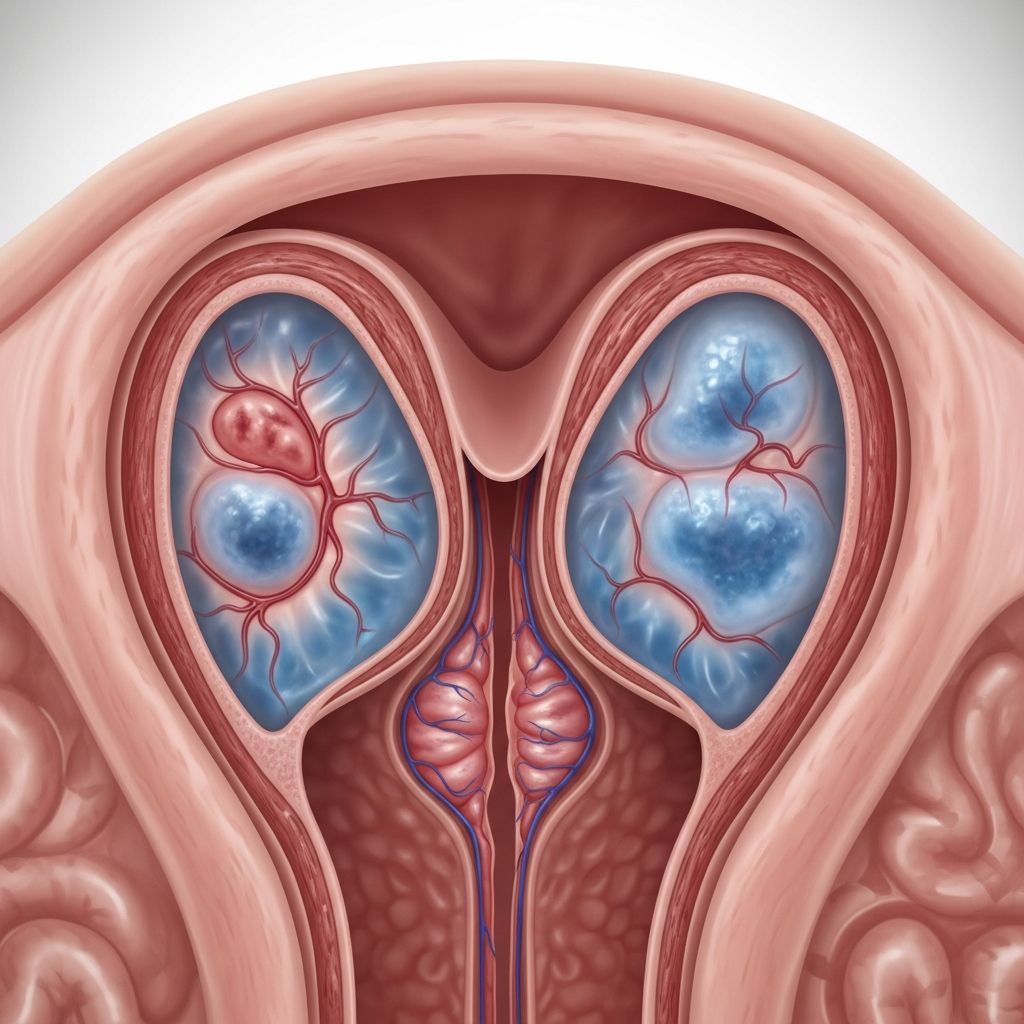
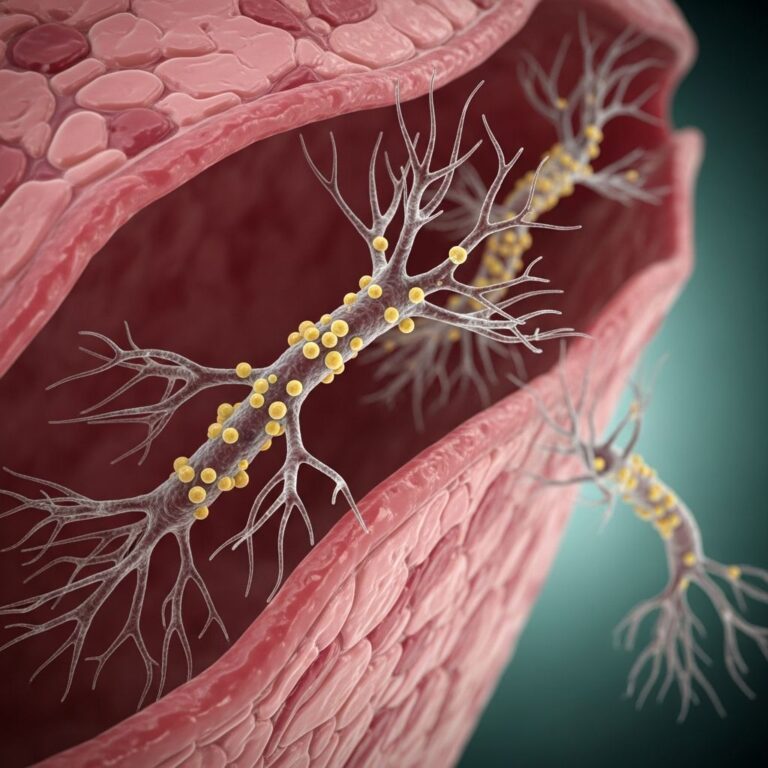
Hemorrhoids, swollen veins in the anus and lower rectum, affect millions and cause discomfort like itching, pain, and bleeding. Treatments range from simple lifestyle changes to surgical interventions, depending on severity and grade.
What Are Hemorrhoids?
Hemorrhoids are vascular cushions that become symptomatic when enlarged. They are classified into four grades: Grade I (no prolapse), Grade II (prolapse that reduces spontaneously), Grade III (manual reduction needed), and Grade IV (irreducible prolapse). Most cases are self-limited, but symptomatic ones require management starting with conservative approaches.
Symptoms of Hemorrhoids
Common symptoms include painless rectal bleeding, anal itching, pain (especially with thrombosis), mucus discharge, and prolapse. External hemorrhoids cause acute pain when thrombosed, while internal ones often present with bleeding. Lifestyle factors like constipation and straining precipitate symptoms.
Conservative Treatments for Hemorrhoids
Conservative management is first-line for all grades, focusing on stool softening, pain relief, and habit correction. Key strategies include:
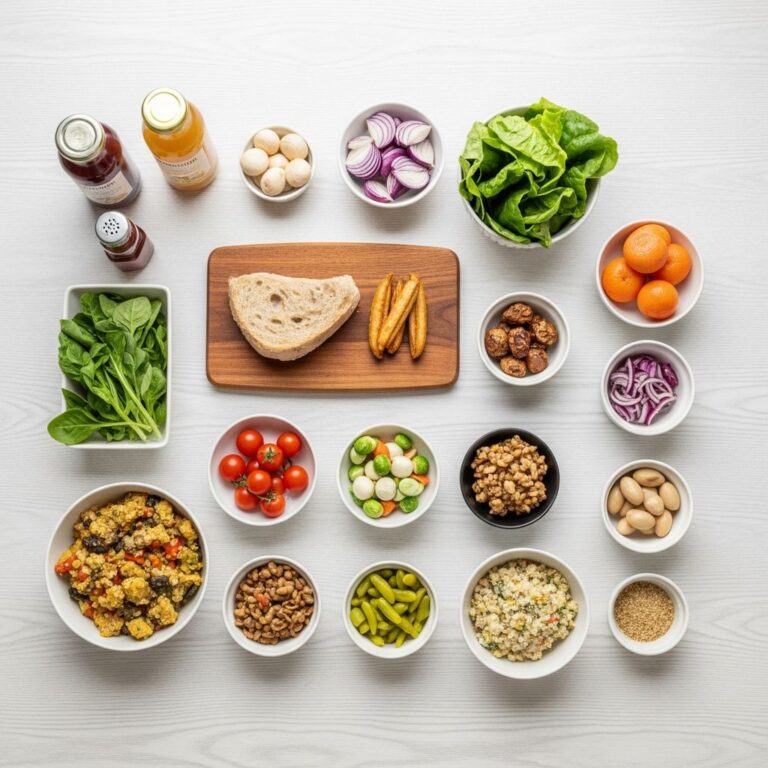
- High-fiber diet and supplements: Increase fiber to 25-30g daily to soften stools and reduce straining.
- Hydration: Drink at least 8 glasses of water daily.
- Sitz baths: Warm water soaks 2-3 times daily for 10-15 minutes to relieve pain and spasms.
- Topical agents: Creams with anesthetics, corticosteroids, or protectants for symptom control. Phlebotonics like diosmin may offer short-term benefits, though long-term data is limited.
These measures resolve most Grade I-II cases. For thrombosis, conservative care takes 24 days for resolution versus 3.9 days surgically.
Office-Based Procedures
When conservative treatments fail, office procedures target Grades I-III internal hemorrhoids by reducing blood flow and fixing tissue.
Rubber Band Ligation
The most common procedure, involving a band placed around the hemorrhoid base to cause necrosis. Effective for Grades I-III with 80% cumulative success; recurrences treated successfully 65-73% of the time. Minor bleeding risk higher with anticoagulants.
Sclerotherapy
Injection of a sclerosant (e.g., phenol in oil) into the submucosa shrinks the hemorrhoid. Ideal for Grades I-II and anticoagulated patients. Success higher for Grade I; meta-analyses show rubber band ligation superior for Grade III.
Infrared Coagulation
Applies infrared light to coagulate vessels, reducing size. Effective for Grades I-II but may require more sessions than ligation.
These are quick, no-anesthesia options with low complication rates.
Surgical Treatments
For Grade III-IV, recurrent, or mixed hemorrhoids, surgery offers lowest recurrence.
Hemorrhoidectomy
Excision of hemorrhoidal tissue; open or closed. Gold standard for prolapsing disease with lowest recurrence but highest pain. Symptom relief in 69% vs. 44% for stapled.
Stapled Hemorrhoidopexy
Repositions prolapsing mucosa with staples. Less pain, shorter recovery, equal 1-year recurrence to excision.
Doppler-Guided Hemorrhoidal Artery Ligation (DGHAL)
Ligates arteries via Doppler, plus mucopexy. Lower pain than excision; 5-year recurrence 12% Grade II, 31% Grade III. Suitable for Grades I-III.
For thrombosed external hemorrhoids, office excision under local anesthesia evacuates clot effectively.
Related Stories



Thrombosed Hemorrhoids: Urgent Care
Acute thrombosis causes severe pain. Excision within 72 hours is preferred over drainage or conservative care for faster relief (3.9 vs. 24 days). Post-op: analgesics, sitz baths.
When to See a Doctor
Seek care for persistent bleeding, severe pain, prolapse, or symptoms lasting >1 week. Red flags: weight loss, anemia, family cancer history warrant colonoscopy.
Prevention Tips
- Avoid straining and prolonged sitting on toilet.
- Maintain regular bowel habits.
- Exercise regularly to prevent constipation.
- Use stool softeners if needed.
Comparison of Treatments
| Treatment | Best For | Success Rate | Pain Level | Recurrence |
|---|---|---|---|---|
| Conservative | Grades I-II | High initial | Low | Common if lifestyle unchanged |
| Rubber Band Ligation | Grades I-III | 80% cumulative | Mild-moderate | 20% |
| Sclerotherapy | Grades I-II | Good for I | Low | Higher than ligation |
| Hemorrhoidectomy | Grades III-IV | Lowest recurrence | High | Low |
| Stapled Hemorrhoidopexy | Grade III | Equal to excision at 1yr | Moderate | Similar |
| DGHAL | Grades II-III | 87-95% short-term | Low-moderate | 12-31% at 5yr |
Frequently Asked Questions (FAQs)
What is the first step in treating hemorrhoids?
Start with conservative measures: high-fiber diet, hydration, sitz baths, and topical creams.
Is rubber band ligation painful?
Mild to moderate discomfort post-procedure, manageable with over-the-counter pain relief.
When is surgery necessary for hemorrhoids?
For Grade III-IV, recurrent, or thrombosed cases unresponsive to other treatments.
Can hemorrhoids be prevented?
Yes, through fiber-rich diet, exercise, avoiding straining, and good hydration.
Are office procedures safe on blood thinners?
Sclerotherapy is preferred; ligation has higher bleeding risk.
This guide synthesizes evidence-based approaches. Consult a healthcare provider for personalized advice.
References
- Review of Hemorrhoid Disease: Presentation and Management — PMC (Reese et al.). 2016-02-09. https://pmc.ncbi.nlm.nih.gov/articles/PMC4755769/
- Hemorrhoids: The Definitive Guide to Medical and Surgical Treatment — Cleveland Clinic Consult QD. 2023-06-20. https://consultqd.clevelandclinic.org/hemorrhoids-the-definitive-guide-to-medical-and-surgical-treatment
Similar Articles








Read full bio of medha deb