Hemorrhoidectomy: Surgery, Recovery & Complications
Complete guide to hemorrhoidectomy surgery: procedure details, recovery timeline, and complication management.
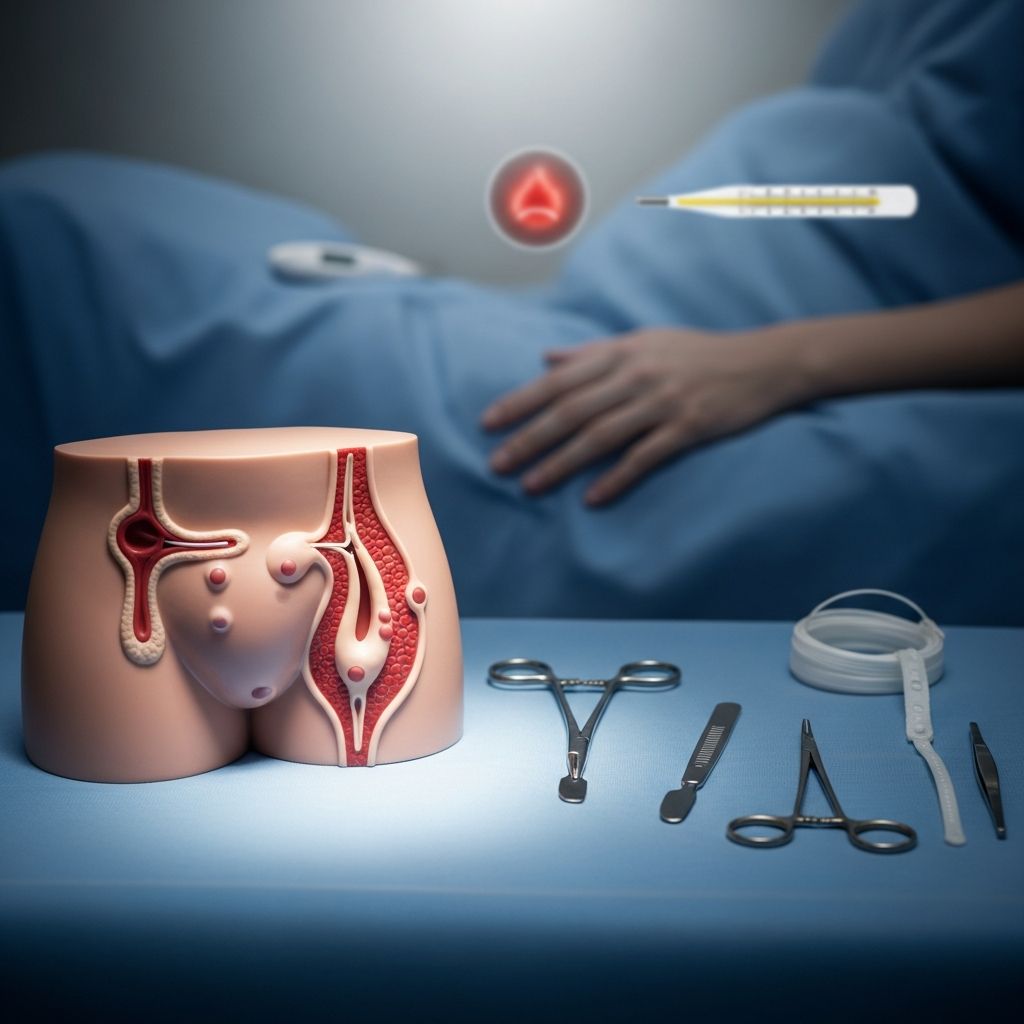
A hemorrhoidectomy is a surgical procedure designed to permanently remove hemorrhoids—enlarged blood vessels in your anus that can cause uncomfortable symptoms like anal pain, bleeding, and itching. While most people won’t need surgery for hemorrhoids, certain circumstances make hemorrhoidectomy the best treatment option. This comprehensive guide covers everything you need to know about the procedure, from preparation through recovery.
What is a Hemorrhoidectomy?
Hemorrhoids are common and usually harmless, affecting millions of people worldwide. Most cases resolve without medical intervention or respond well to conservative treatments. However, when hemorrhoids keep returning, cause serious complications, or significantly impact quality of life, a hemorrhoidectomy becomes an important treatment option. During this surgical procedure, your surgeon will locate your hemorrhoids, cut out the affected tissue, and seal the blood vessels to provide permanent relief.
The procedure is relatively straightforward in terms of execution, though the recovery period requires careful attention and management. Many patients find that the temporary discomfort during recovery is worthwhile for the permanent relief hemorrhoidectomy provides.
When is Hemorrhoidectomy Recommended?
Your healthcare provider may recommend a hemorrhoidectomy in several situations:
– Large external hemorrhoids or prolapsed internal hemorrhoids- Grade III or IV hemorrhoids (severe cases)- Recurrent hemorrhoids that keep returning despite other treatments- Mixed internal and external hemorrhoids- Thrombosed hemorrhoids (blood clots) causing severe pain- Emergency situations where other treatments have failed- When office-based procedures haven’t provided adequate relief
A hemorrhoidectomy is also an important emergency option if you have a thrombosed hemorrhoid or strangulated hemorrhoid, which can prevent worse outcomes and provide urgent relief.
Pre-Surgery Preparation
Proper preparation is essential for a successful hemorrhoidectomy. Your surgical team will guide you through several important steps:
Medical Consultation
Your surgeon will discuss the risks and benefits of the procedure and obtain your informed consent before surgery. They’ll review your complete medical history and current medications, determining which ones you need to stop taking before your procedure to reduce bleeding risks.
Fasting Requirements
You’ll be asked to stop eating and drinking within eight hours before the procedure. This fasting period is necessary because you’ll receive anesthesia during surgery, and an empty stomach reduces the risk of complications.
Bowel Preparation
Your anal canal will need to be clear for optimal visualization during surgery. If you have constipation, your surgical team might give you an enema before the procedure to ensure the area is clean and ready. This preparation helps your surgeon work more effectively and reduces the risk of complications.
The Hemorrhoidectomy Procedure
During your hemorrhoidectomy, you’ll be under anesthesia, so you won’t feel or notice what’s happening. Your surgeon will use one of several established techniques to remove the hemorrhoidal tissue:
Surgical Techniques
Traditional Scalpel Method: The traditional approach involves cutting with a scalpel, sealing the blood vessels, and closing the wound with dissolvable stitches. This proven technique has been used successfully for many years.
Related Stories



Electrothermal Device Method: More recently, surgeons have begun using an electrothermal device to both cut and seal the tissues and blood vessels. The electrothermal energy promotes healing of the tissues, leading to faster recovery and potentially less postoperative pain compared to traditional methods.
Wound Closure Options
Your surgeon may close the wounds by bringing the edges back together (closed hemorrhoidectomy) or leave them open (open hemorrhoidectomy), depending on where the hemorrhoids are located and how wide they are. Each approach has distinct advantages:
– Closed Hemorrhoidectomy (Ferguson): Complete closure of wounds with absorbable stitches, often resulting in less postoperative pain and better wound healing- Open Hemorrhoidectomy (Milligan-Morgan): Wounds are left open, chosen when location makes closure difficult or infection risk is high- Stapled Hemorrhoidopexy: The prolapsing part of the internal hemorrhoidal cushion is moved upward by stapling the rectal mucosa, offering reduced postoperative pain- Doppler-Guided Hemorrhoidal Artery Ligation: Surgeons identify and suture ligate the hemorrhoidal arteries using a Doppler probe, resulting in reduced postoperative pain with low complication rates
Advantages of Hemorrhoidectomy
The primary advantage of hemorrhoidectomy is that it works effectively. Hemorrhoids removed in surgery generally don’t return, providing permanent relief from this troublesome condition. While it has a longer recovery time than other treatments, surgery should bring you permanent relief in the end.
Surgery is the most effective and strongly recommended treatment for patients with high-grade internal hemorrhoids (grades III and IV), external and mixed hemorrhoids, and recurrent hemorrhoids. Excisional hemorrhoidectomy is associated with higher pain scores than other surgical methods, but offers the lowest recurrence rates among all treatment options.
Recovery After Hemorrhoidectomy
Recovery from a hemorrhoidectomy requires patience and careful management. While the procedure itself is straightforward, the recovery period can be challenging, and following your surgeon’s advice is crucial to minimize pain and prevent complications like constipation.
Recovery Timeline
Most patients can return to light activities within one to two weeks, though complete healing typically takes two to four weeks. The first few days are usually the most uncomfortable, with pain gradually decreasing over time. Your surgeon will provide specific instructions based on your individual situation and the technique used.
Pain Management
Your surgeon will prescribe appropriate pain medication to manage discomfort during recovery. Some studies have shown that getting a hemorrhoidectomy under local anesthesia results in less pain after surgery and shorter hospital stays than with regional or general anesthesia. However, your surgeon will determine the best type of anesthesia for your specific case.
Dietary and Lifestyle Considerations
During recovery, maintaining proper bowel function is essential to avoid complications. Eat high-fiber foods, drink plenty of water, and consider stool softeners if recommended by your healthcare provider. Avoid straining during bowel movements, as this can irritate the surgical site. Light physical activity, such as walking, is encouraged to promote healing and maintain circulation.
Potential Complications
While hemorrhoidectomy is generally safe, like any surgical procedure, it carries some risks. Understanding these potential complications can help you recognize warning signs and seek prompt medical attention if needed:
– Pain: Most common complication, generally manageable with prescribed medications- Bleeding: Minor bleeding is normal, but excessive bleeding should be reported immediately- Infection: Rare but serious; watch for signs like fever, increasing pain, or drainage- Urinary Retention: May occur after surgery, potentially indicating underlying complications- Anal Stenosis: Narrowing of the anal opening, preventable through proper surgical technique- Incontinence: Rarely occurs when sphincter function is affected- Recurrence: While uncommon after hemorrhoidectomy, some hemorrhoids may return in rare cases
The incidence of major complications is rare with proper surgical technique and postoperative care. Your surgical team will monitor you closely for any signs of complications and provide guidance on when to seek medical attention.
When to Contact Your Doctor
Contact your healthcare provider immediately if you experience:
– Severe bleeding that doesn’t stop with pressure- Signs of infection (fever above 101°F, increasing redness, swelling, or discharge)- Severe pain not controlled by prescribed medications- Inability to urinate- Signs of perianal sepsis (severe pain, fever, systemic symptoms)- Any concerning symptoms during recovery
Frequently Asked Questions
Q: How long does a hemorrhoidectomy procedure take?
A: The actual surgical procedure typically takes 30 to 45 minutes, depending on the number and severity of hemorrhoids being removed. The entire appointment, including anesthesia preparation and recovery room time, usually takes 1 to 2 hours.
Q: Will my hemorrhoids return after hemorrhoidectomy?
A: Hemorrhoids removed in surgery generally don’t return, making hemorrhoidectomy one of the most effective long-term treatments. The recurrence rates are significantly lower compared to other procedures, though new hemorrhoids can theoretically develop in different locations.
Q: How long is the recovery period?
A: Most people can return to light activities within one to two weeks, with complete healing typically occurring within two to four weeks. However, individual recovery times vary based on the surgical technique used, the extent of the procedure, and your overall health.
Q: Can I have a hemorrhoidectomy as an office-based procedure?
A: While some smaller hemorrhoid procedures can be done in an office setting, a full hemorrhoidectomy typically requires an operating room under appropriate anesthesia. However, certain techniques like external hemorrhoid excision for thrombosed hemorrhoids can be performed as office-based procedures under local anesthesia.
Q: What should I eat after hemorrhoidectomy?
A: Eat high-fiber foods, including fruits, vegetables, whole grains, and legumes. Drink plenty of water to prevent constipation. Avoid hard, spicy, and processed foods that might irritate the surgical site. Your surgeon may recommend specific dietary guidelines based on your individual needs.
Q: How effective is hemorrhoidectomy compared to other treatments?
A: While nonsurgical treatments have substantially improved, surgery is the most effective treatment for high-grade internal hemorrhoids, external and mixed hemorrhoids, and recurrent cases. Hemorrhoidectomy offers the lowest recurrence rates among all treatment options, though it does involve a longer recovery period and more postoperative pain than some alternatives.
Q: Can I return to normal activities immediately after surgery?
A: No, you’ll need time to recover. Most people can resume light activities within one to two weeks and return to normal exercise within four to six weeks. Your surgeon will provide specific guidelines based on your individual situation.
Conclusion
Hemorrhoidectomy remains one of the most effective surgical solutions for severe, recurrent, or complicated hemorrhoids. While the recovery period requires patience and careful management, the permanent relief and low recurrence rates make it an excellent option for those with severe hemorrhoidal disease. By following your surgeon’s preoperative and postoperative instructions, maintaining proper bowel function, and staying alert for potential complications, you can minimize discomfort and ensure successful healing. If you’re considering this procedure, discuss all available options with your healthcare provider to determine if hemorrhoidectomy is right for your specific situation.
References
- Hemorrhoidectomy: Surgery, Recovery & Complications — Cleveland Clinic. 2024. https://my.clevelandclinic.org/health/procedures/hemorrhoidectomy
- Management of Acute Hemorrhoidal Crisis: Evaluation, Treatment and Prevention of Complications — National Center for Biotechnology Information (NCBI). 2024. https://pmc.ncbi.nlm.nih.gov/articles/PMC11466518/
- Hemorrhoids: A range of treatments — Cleveland Clinic Journal of Medicine. 2019. https://www.ccjm.org/content/86/9/612
- Hemorrhoid Surgery: When is it Necessary and What to Expect — Crohn’s and Colitis Canada. 2023. https://cdhf.ca/en/hemorrhoid-surgery-when-is-it-necessary-and-what-to-expect/
- Hemorrhoids: Symptoms, Causes & Treatment — Cleveland Clinic. 2024. https://my.clevelandclinic.org/health/diseases/15120-hemorrhoids
Similar Articles








Read full bio of Sneha Tete