Hemorrhoidectomy: Guide To Surgery, Recovery, And Risks
Everything you need to know about hemorrhoidectomy surgery, recovery, risks, and when it's necessary for lasting relief from severe hemorrhoids.
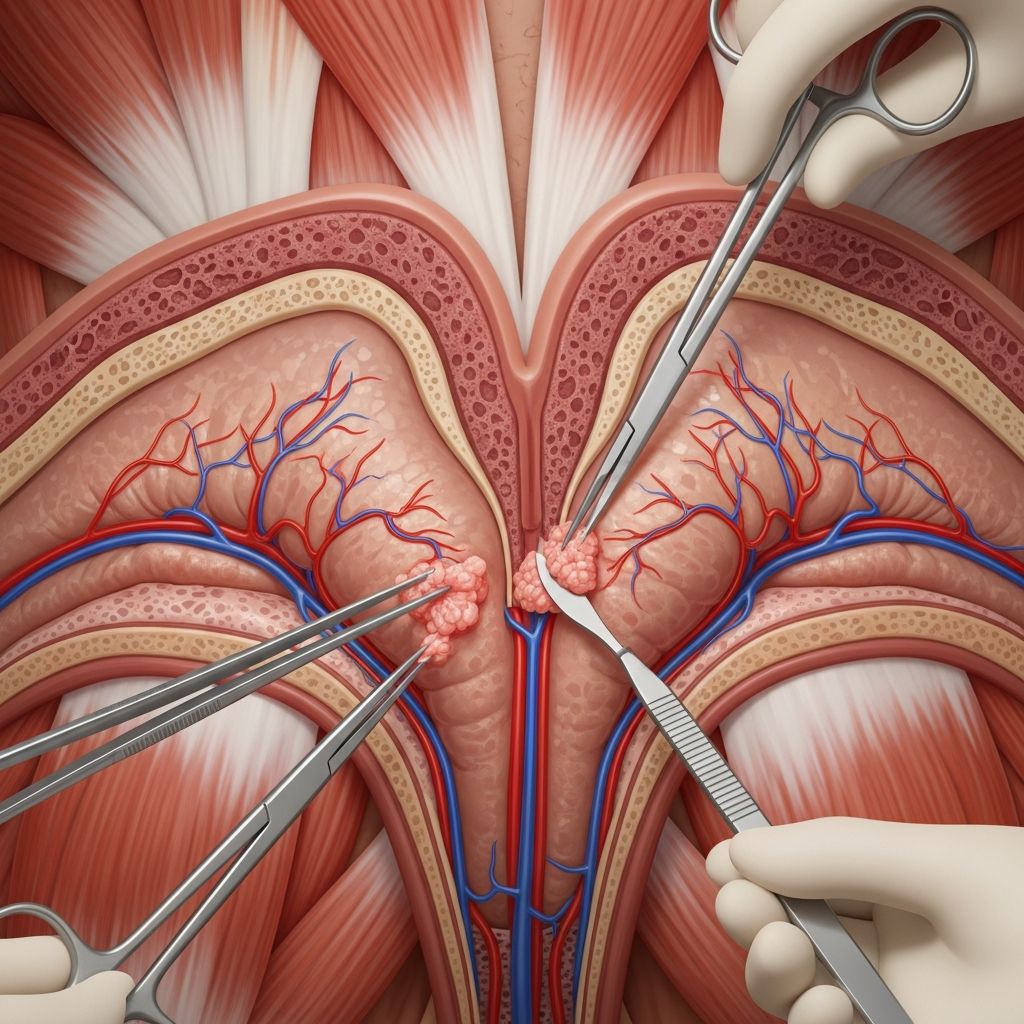
A hemorrhoidectomy is a surgical procedure to remove severe or recurring hemorrhoids, offering permanent relief when other treatments fail. This surgery targets enlarged anal blood vessels causing pain, bleeding, and discomfort, though recovery can be challenging but temporary.
What Is a Hemorrhoidectomy?
Hemorrhoidectomy involves surgically excising hemorrhoids—swollen veins in the anus or lower rectum that affect millions but rarely require surgery. Only about 5% of people experience symptomatic hemorrhoids, 30% seek treatment, and just 10% need this operation. It’s reserved for grade 3-4 internal hemorrhoids, thrombosed external ones, or cases with complications like prolapse or strangulated tissue.
Hemorrhoids form from straining, constipation, pregnancy, or prolonged sitting, leading to symptoms like itching, bleeding, and pain. While conservative measures suffice for most, surgery provides definitive treatment for persistent cases.
Do You Need a Hemorrhoidectomy?
Your doctor may recommend hemorrhoidectomy if hemorrhoids are large, prolapsed, thrombosed (blood-clotted), or unresponsive to banding, sclerotherapy, or infrared coagulation. Key indications include:
- Severe, recurrent bleeding or pain unresponsive to non-surgical options.
- Grade IV hemorrhoids that prolapse and cannot be manually reduced.
- Thrombosed or strangulated hemorrhoids requiring urgent intervention.
- Associated issues like anal fissures, warts, or hypertrophied papillae.
Not everyone qualifies; those with high anesthesia risks, inflammatory bowel disease, or immunosuppression may need alternatives.
How to Prepare for Hemorrhoidectomy
Preparation ensures safety and smooth surgery:
- Pre-op consultation: Discuss medications; stop blood thinners like aspirin 7-10 days prior.
- Fasting: No food or drink 8 hours before.
- Bowel prep: Enemas or laxatives to clear the anal canal.
- Anesthesia discussion: General, spinal, or local with sedation.
- Lifestyle adjustments: Increase fiber and water intake weeks before to soften stools.
Arrange post-op support, as mobility and self-care will be limited initially.
What Happens During Hemorrhoidectomy Surgery?
The procedure, lasting 30-60 minutes, is outpatient or short-stay:
- Anesthesia: Patient is sedated or asleep.
- Positioning: Lithotomy (legs elevated).
- Excision: Surgeon identifies hemorrhoids, cuts them out, and ligates vessels.
- Wound management: Open (heals naturally, common for external) or closed (stitched, for internal).
Modern techniques use electrothermal devices (e.g., LigaSure) for cutting and sealing, reducing bleeding and promoting faster healing compared to scalpel methods.
| Technique | Description | Pros | Cons |
|---|---|---|---|
| Open | Wounds left open to heal | Lower infection risk | Slower healing, more pain |
| Closed | Wounds sutured | Faster healing | Higher stenosis risk |
| Electrothermal | Heat-based cutting/sealing | Less bleeding, quicker recovery | Requires specialized equipment |
Hemorrhoidectomy Recovery and Care
Recovery spans 2-8 weeks, with peak pain in the first 1-2 weeks. Expect soreness, swelling, and drainage; full healing takes 4-6 weeks.
Immediate Post-Op (First 24-48 Hours)
- Rest in a recovery room; manage nausea from anesthesia.
- Apply ice packs to reduce swelling.
- Start pain meds (opioids initially, then NSAIDs).
- First bowel movement aided by stool softeners.
Pain Management
Pain is rated moderate-severe (VAS 5-8/10), worst during bowel movements. Strategies include:
- Oral/topical analgesics (acetaminophen, ibuprofen).
- Sitz baths (warm water soaks) 3-4 times daily for 15 minutes.
- Topical nitroglycerin or lidocaine for sphincter relaxation.
Factors worsening pain: constipation, anxiety, prior fissures.
Diet and Bowel Care
Related Stories



Prevent straining:
- High-fiber diet (25-30g/day): fruits, veggies, whole grains.
- Hydrate (8-10 glasses water daily).
- Stool softeners (docusate) and mild laxatives (polyethylene glycol).
- Avoid spicy foods, alcohol, caffeine.
Activity and Wound Care
- Walk short distances to prevent clots; avoid heavy lifting for 2 weeks.
- Keep area clean; pat dry after baths.
- No driving until off narcotics (1 week).
Return to work: 1-2 weeks for desk jobs, longer for physical labor.
Risks and Complications of Hemorrhoidectomy
While effective (recurrence <5%), risks exist:
Short-Term
- Pain (universal, peaks day 3-5).
- Bleeding (minor, up to 6%).
- Urinary retention (20%).
- Infection/abscess (0.5%).
Long-Term
- Fecal incontinence/flatulence (rare, 1-5%).
- Anal stenosis/stricture.
- Recurrence (low with proper technique).
- Sexual dysfunction (very rare).
Patient-reported issues: prolonged healing, defecation pain, psychological distress from incontinence fears. Serious complications are rare with skilled surgeons.
When to Contact Your Doctor
Seek immediate care for:
- Fever >101°F or chills.
- Heavy bleeding soaking pads.
- Severe pain unrelieved by meds.
- Inability to urinate >8 hours.
- Pus/drainage with foul odor.
- Worsening swelling or prolapse.
Hemorrhoidectomy vs. Other Treatments
| Treatment | Best For | Recovery | Recurrence Risk |
|---|---|---|---|
| Hemorrhoidectomy | Grade 3-4, thrombosed | 2-8 weeks | Low (<5%) |
| Rubber Band Ligation | Grade 1-3 internal | 1-3 days | 10-50% |
| Sclerotherapy | Small internal | Minimal | Medium |
| Stapled (PPH) | Prolapsing internal | 1-2 weeks | Medium |
Surgery offers permanence but longer recovery; minimally invasive options suit milder cases.
Life After Hemorrhoidectomy
Most patients report lasting relief worth the discomfort. Prevent recurrence with fiber-rich diet, exercise, and prompt constipation treatment. Long-term, monitor for stenosis; follow-up at 2-6 weeks.
Frequently Asked Questions (FAQs)
How long does hemorrhoidectomy pain last?
Pain typically peaks in 3-5 days and subsides significantly by 2 weeks, with full resolution in 4-6 weeks using proper management.
Can hemorrhoids come back after surgery?
Rarely (<5%); lifestyle changes minimize risk.
Is hemorrhoidectomy done under general anesthesia?
Often spinal or local with sedation; general for complex cases.
What is the success rate of hemorrhoidectomy?
Over 95% for symptom relief in severe cases.
How to poop after hemorrhoidectomy?
Use stool softeners, fiber, hydration; sitz baths post-bowel movement to ease pain.
References
- Hemorrhoidectomy: Surgery, Recovery & Complications — Cleveland Clinic. 2023-10-11. https://my.clevelandclinic.org/health/procedures/hemorrhoidectomy
- The Complications of Hemorrhoidectomy From Patients’ Perspective — PMC (PubMed Central). 2024. https://pmc.ncbi.nlm.nih.gov/articles/PMC12037693/
- Hemorrhoidectomy: What to Expect at Home — MyHealth Alberta. Accessed 2026. https://myhealth.alberta.ca/Health/aftercareinformation/pages/conditions.aspx?hwid=ud1119
Similar Articles








Read full bio of Sneha Tete