Hemorrhoids: Causes, Symptoms, and Treatment Options
Comprehensive guide to understanding hemorrhoids, their symptoms, diagnosis, and effective treatment approaches.
Understanding Hemorrhoids
Hemorrhoids are a common condition affecting millions of people worldwide. They occur when blood vessels in the lower rectum and anus become swollen and inflamed. While hemorrhoids can be uncomfortable and cause concern, they are generally not dangerous and often resolve on their own with conservative treatment. Understanding what hemorrhoids are, their symptoms, and available treatment options can help you manage this condition effectively and know when to seek medical attention.
What Are Hemorrhoids?
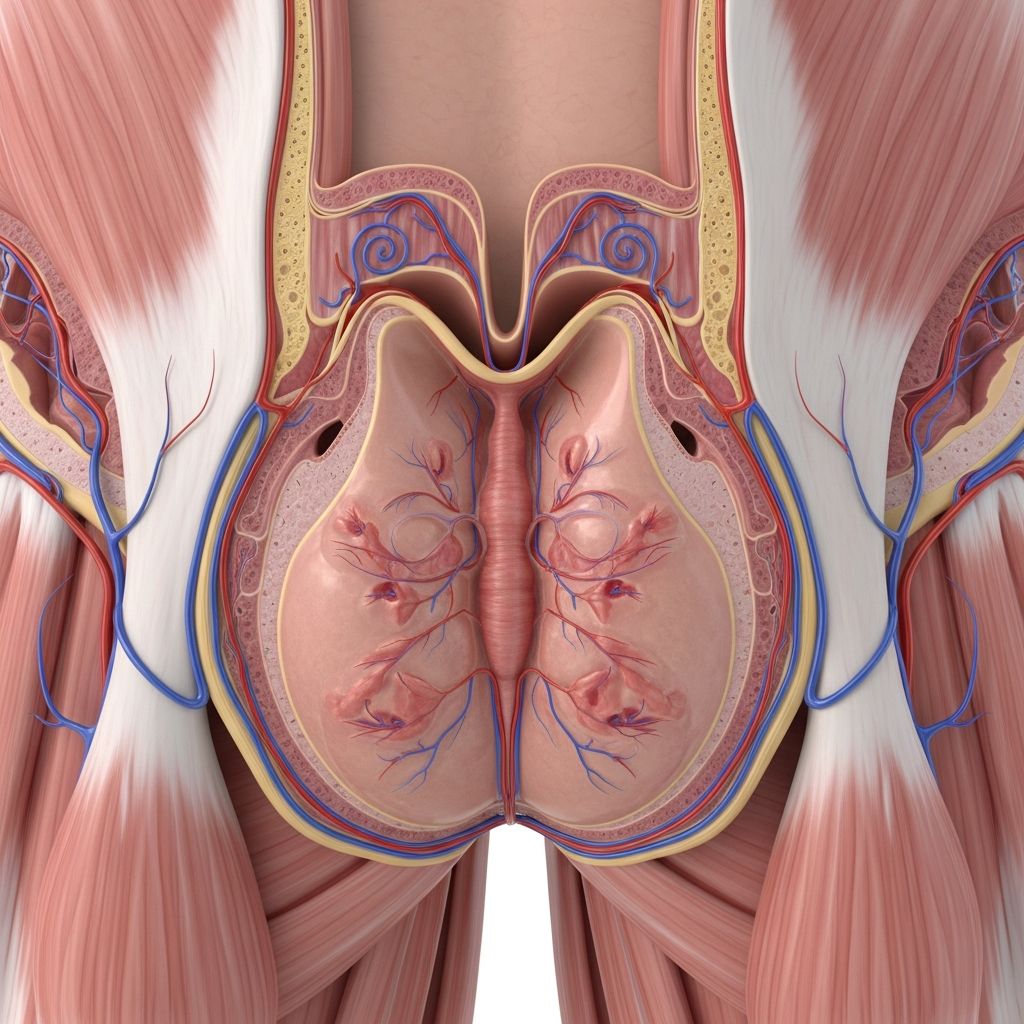
Hemorrhoids are enlarged veins in the lower rectum and anus. They develop when there is increased pressure in the veins, causing them to swell. The condition is very common and affects people of all ages, though it becomes more prevalent with age. There are different types of hemorrhoids based on their location and severity, each with distinct characteristics and treatment approaches.
Types of Hemorrhoids
Hemorrhoids are classified into two main categories based on their location: internal and external. Understanding the difference between these types is important for recognizing symptoms and determining appropriate treatment.
Internal Hemorrhoids
Internal hemorrhoids develop inside the rectum, above the pectinate line where there are fewer pain-sensing nerves. Because of this anatomical feature, internal hemorrhoids typically do not cause pain unless they become severely inflamed or prolapsed. They are usually not visible from the outside and cannot be felt during normal activities. However, they can cause bleeding, which may be noticed as blood on toilet paper, in the toilet bowl, or on stool. Internal hemorrhoids may prolapse through the anus during bowel movements and can be graded based on their severity from Grade I through Grade IV.
External Hemorrhoids
External hemorrhoids occur under the skin around the anus, where there are significantly more pain-sensing nerves. This increased nerve density makes external hemorrhoids more likely to cause discomfort and pain. They are often visible as small lumps around the anus and may cause itching, pain, and bleeding. External hemorrhoids are frequently described as thrombosed when a blood clot forms inside them, causing them to appear purple or blue and become acutely painful.
Prolapsed Hemorrhoids
Prolapsed hemorrhoids occur when internal hemorrhoids extend through the anus and protrude outside the body. These hemorrhoids may retract spontaneously or require manual replacement. They are often more symptomatic than non-prolapsed internal hemorrhoids and may require more aggressive treatment.
Grades and Severity of Hemorrhoids
The Goligher classification system grades internal hemorrhoids from Grade I to Grade IV based on the appearance of the hemorrhoid and the degree of prolapse. This grading system helps healthcare providers determine the most appropriate treatment approach.
Grade I Hemorrhoids
First-degree hemorrhoids involve anal cushion bleeding without prolapse. These hemorrhoids remain inside the anus and do not move outside or slip over during bowel movements. Individuals with Grade I hemorrhoids typically experience bleeding, which may appear as blood in the stool or on toilet paper, but usually do not experience significant pain during bowel movements. Treatment typically begins with increased fiber intake and over-the-counter hemorrhoid treatments such as Proctofoam, Preparation H, hydrocortisone ointment, or Analpram hydrocortisone cream, which reduce inflammation and prevent itching, swelling, and irritation.
Grade II Hemorrhoids
Second-degree hemorrhoids involve anal cushion prolapse through the anus during straining or bowel movements. Patients notice tissue protruding via the anus as the stool passes; however, the hemorrhoid typically returns to its previous position spontaneously. Common symptoms include blood in the stool, swelling, itching in the anal region, painful lumps around the anus, and painful bowel movements. Treatment usually begins with Grade I medications, and if necessary, proceeds to Grade II-specific procedures such as injection sclerotherapy, where a chemical solution is manually injected into the area surrounding the hemorrhoid to create a scarring reaction that gradually shrinks the tissue.
Grade III Hemorrhoids
Third-degree hemorrhoids involve anal cushion prolapse through the anus on exertion and straining. This stage is more chronic than Grade II and requires manual replacement of the cushion into the anal canal after bowel movements. Symptoms include blood on toilet paper, pain, discomfort, and itching in the rectal area. The most problematic aspect of Grade III hemorrhoids is that patients must manually push the hemorrhoids back into the anus after each bowel movement. Without treatment, they can progress to chronic Grade IV hemorrhoids that are significantly more painful. Treatment options are primarily surgical but utilize advanced minimally invasive technologies, including hemorrhoid banding and laser removal procedures.
Grade IV Hemorrhoids
Fourth-degree hemorrhoids come with prolapse that remains outside the anus and requires forceful pushing to return inside. These hemorrhoids are irreducible and enlarge over time. Thrombosed hemorrhoids are also classified as Grade IV. Symptoms include pain, discomfort, rectal bleeding, soreness, and mucus discharge, making it difficult for patients to walk, sit, and stand. This most severe degree requires invasive treatment procedures such as hemorrhoidectomy or stapled hemorrhoidectomy.
Symptoms of Hemorrhoids
Hemorrhoid symptoms vary depending on the type and severity of the condition. Some individuals experience no symptoms at all, while others have significant discomfort.
Common symptoms include:
– Blood on toilet paper after wiping or in the toilet bowl- Itching or irritation around the anal area- Pain or discomfort, especially during bowel movements- A lump or bumps around the anus, particularly with external hemorrhoids- Mucus discharge- Feeling of incomplete bowel evacuation
Internal hemorrhoids may have no noticeable symptoms except for bleeding. If prolapsed internal hemorrhoids are present, symptoms may include pain (especially when defecating) and moist bumps that appear pinker than the surrounding area.
Causes and Risk Factors
Hemorrhoids develop when increased pressure occurs in the veins of the lower rectum and anus. Several factors can contribute to this pressure increase. Risk factors include family history of hemorrhoids, frequent straining during bowel movements, and chronic constipation or diarrhea. Additional contributing factors include prolonged sitting or standing, pregnancy, aging, a low-fiber diet, dehydration, and heavy lifting or strenuous physical activity. Understanding these risk factors can help with both prevention and management strategies.
Diagnosis of Hemorrhoids
Proper diagnosis is essential to distinguish hemorrhoids from other conditions that may present with similar symptoms. A healthcare provider will typically ask about your medical history and symptoms before performing diagnostic procedures.
Physical Examination
The initial diagnostic step usually involves a physical examination where your doctor visually inspects the anus and rectum to check for lumps, swelling, irritation, or other problems. This simple examination can often identify external hemorrhoids and assess the general condition of the anal area.
Digital Rectal Examination
During a digital rectal examination, your doctor puts on gloves, applies lubrication, and inserts a finger into the rectum to check muscle tone and feel for tenderness, lumps, or other problems. This examination helps identify internal hemorrhoids and assess their severity.
Advanced Diagnostic Procedures
To diagnose internal hemorrhoids more thoroughly or rule out other conditions, healthcare providers may recommend additional tests including:
– Anoscopy: Your doctor uses a short plastic tube called an anoscope to look into your anal canal.- Sigmoidoscopy: Your doctor looks into your lower colon with a flexible lighted tube called a sigmoidoscope, which can also be used to take tissue samples for testing.- Colonoscopy: Your doctor examines all of your large intestine with a long, flexible tube called a colonoscope, which allows for tissue sampling or treatment of other identified problems.
Treatment Options
Treatment for hemorrhoids ranges from conservative lifestyle modifications to surgical interventions, depending on severity and patient response. The most important aspect of hemorrhoid management is the exclusion of other, more serious conditions. Hemorrhoidal banding remains the most successful method to manage hemorrhoids in the outpatient clinical setting.
Conservative Treatment Approaches
For mild hemorrhoids, conservative measures are typically the first line of treatment. Dietary manipulation, including fiber supplementation, should always accompany other therapies. Increasing fiber intake through fruits, vegetables, whole grains, and water consumption helps soften stool and reduces straining during bowel movements. Sitz baths—sitting in warm water for 10-15 minutes several times daily—can provide symptom relief.
Over-the-counter treatments are available and often effective for mild symptoms. These include topical creams, ointments, and suppositories containing ingredients that reduce inflammation and itching. Witch hazel, a natural herb available in liquid form, can temporarily ease symptoms when used in sitz baths or applied directly to affected areas.
Minimally Invasive Procedures
Hemorrhoid Banding: This procedure involves placing a rubber band around the base of an internal hemorrhoid to cut off its blood supply. The hemorrhoid gradually shrinks and falls off within a few days. This technique is primarily utilized for Grade II hemorrhoids and occasionally for Grade I hemorrhoids, but can also treat Grade III hemorrhoids. It is typically performed without anesthesia with minimal discomfort, though the procedure may need to be repeated every six months if hemorrhoids recur.
Injection Sclerotherapy: In this procedure, doctors manually inject a chemical solution into the area surrounding the hemorrhoid to create a scarring reaction that gradually shrinks the tissue. This treatment is usually performed without anesthesia, resulting in minimal patient discomfort.
Laser Removal: This advanced procedure directs a small laser beam to close off the blood supply to the hemorrhoid, causing blood clotting that fades the hemorrhoid over time. It is a painless procedure with minimal recovery time, allowing patients to return to normal activities within a few days.
Surgical Treatments
For large hemorrhoids or when other treatments have not provided adequate relief, surgical options may be necessary.
Hemorrhoidectomy: This procedure involves surgical excision of the hemorrhoid with a sharp tool called a scalpel. Hemorrhoidctomy is effective but can be painful, and recovery requires time. However, it provides a definitive solution for severe hemorrhoids.
Stapled Hemorrhoidectomy: This more advanced surgical approach is less painful than traditional hemorrhoidectomy. Doctors use a specialized device to cut the rim of hemorrhoid tissue that has no nerve endings. The removal disrupts the blood supply, causing the hemorrhoid to lift back into its normal position.
After surgical procedures, doctors recommend gentle care of the healing rectum and may prescribe stool softeners or recommend a bowel-friendly diet. It is safe to manage acutely inflamed hemorrhoids surgically.
Prevention of Hemorrhoids
The main way to prevent hemorrhoids is to avoid straining during bowel movements. To prevent constipation and reduce hemorrhoid risk, maintain adequate hydration by drinking plenty of water and consume a diet rich in fruits, vegetables, and whole grains. Regular physical activity, proper toilet habits (avoiding prolonged sitting on the toilet), and managing underlying conditions like chronic diarrhea or constipation are also important preventive measures.
When to Seek Medical Attention
If you experience bleeding from the bottom, it is important to see a doctor, as this can also be a symptom of other more serious conditions. Additionally, if hemorrhoid symptoms do not improve within a week of home treatment or if symptoms worsen, seek medical evaluation. Persistent or recurrent hemorrhoids warrant professional assessment to determine the most appropriate treatment approach.
Frequently Asked Questions
Q: How long do hemorrhoids typically last?
A: Hemorrhoids usually improve within a few days with conservative treatment. However, some people experience repeated cases of hemorrhoids. The duration depends on the severity and type of hemorrhoid and the effectiveness of treatment measures implemented.
Q: What is the fastest way to heal hemorrhoids?
A: For most people, sitz baths and a high-fiber diet are effective first-line treatments. These measures work together to reduce inflammation and prevent straining, promoting natural healing. More severe cases may require medical procedures for faster resolution.
Q: Can hemorrhoids be treated at home?
A: Yes, you can often treat mild cases with lifestyle changes, home remedies like sitz baths, and over-the-counter treatments. However, if you do not experience improvement within a week, contact your doctor for further evaluation and treatment options.
Q: What happens if hemorrhoids are left untreated?
A: If hemorrhoids do not resolve or if symptoms worsen, treatment becomes necessary to obtain relief. Without intervention, hemorrhoids can progress from lower grades to higher grades, causing increasingly severe symptoms and complications that may eventually require surgical intervention.
Q: Are hemorrhoids dangerous?
A: Hemorrhoids themselves are generally not dangerous, though they can be uncomfortable. However, bleeding from the rectum can sometimes indicate other serious conditions, so medical evaluation is important to rule out other potential problems.
References
- Four Grades of Hemorrhoids: Guide with Treatment Options — iBi Laser Therapy. 2024. https://www.ibilasertherapy.com/four-grades-of-hemorrhoids/
- Symptomatic Hemorrhoids — Johns Hopkins University Department of Surgery. 2024. https://pure.johnshopkins.edu/en/publications/symptomatic-hemorrhoids-9
- Hemorrhoids: Symptoms, Causes, and Treatment — WebMD. 2024. https://www.webmd.com/digestive-disorders/understanding-hemorrhoids-basics
- A Simple Fix for Internal Hemorrhoids — AAPC Knowledge Center. 2023. https://www.aapc.com/blog/93132-a-simple-fix-for-internal-hemorrhoids/
- Colorectal Surgery Services — Johns Hopkins Aramco Healthcare. 2024. https://www.jhah.com/en/care-services/specialty-care/general-surgery/colorectal-surgery/
Similar Articles








Read full bio of medha deb