Hemorrhoids: Understanding Causes, Symptoms, and Treatment Options
Complete guide to understanding hemorrhoids, their causes, and effective treatment strategies.
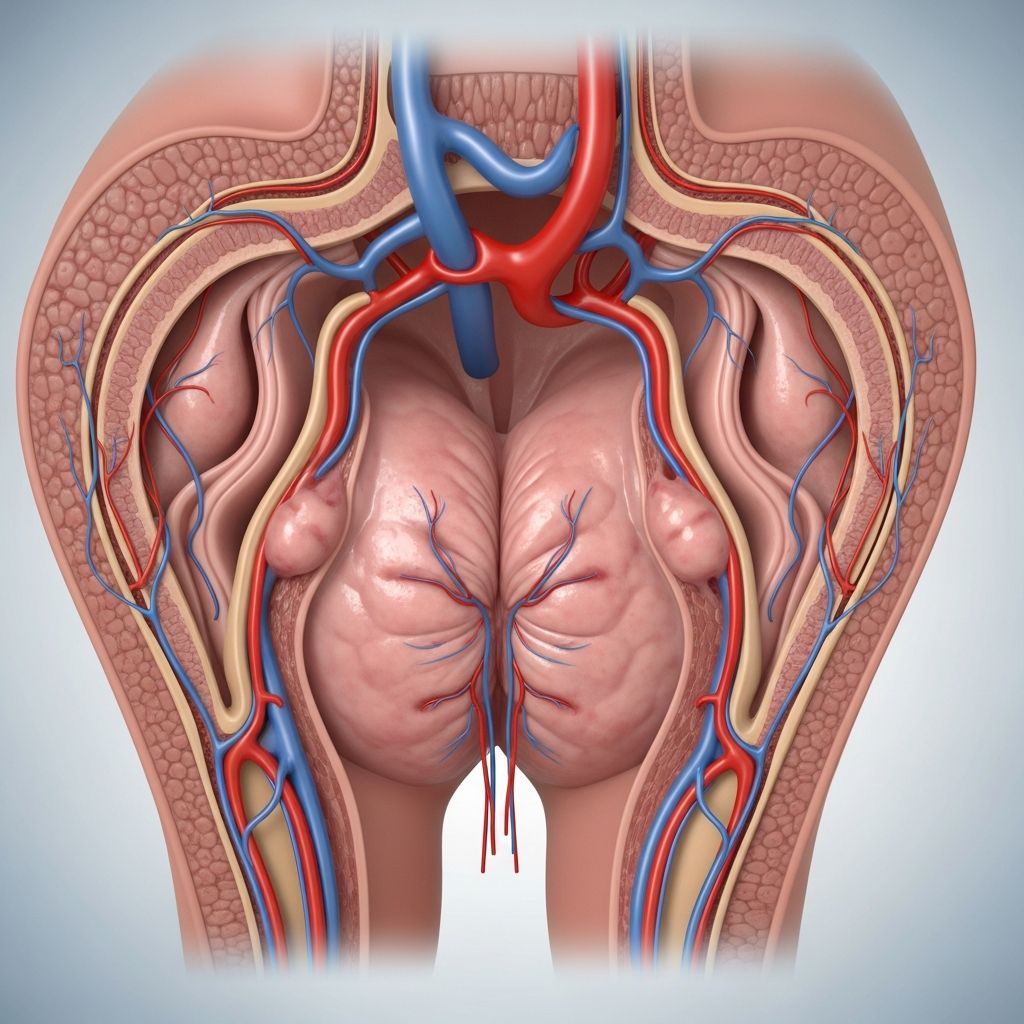
What Are Hemorrhoids?
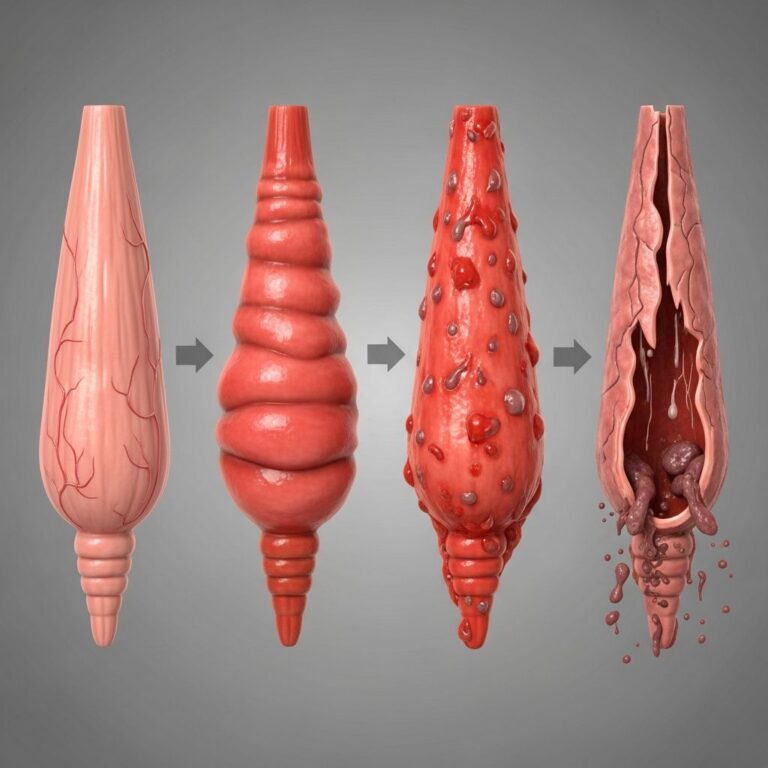
Hemorrhoids are swollen, inflamed veins in the anal or rectal area that can cause significant discomfort and affect quality of life. These common vascular conditions develop when blood vessels in the lower rectum and anus become enlarged due to increased pressure or straining. Hemorrhoidal disease is a pathological condition resulting from abnormal engorgement of the arteriovenous plexus beneath the anal mucosa. Understanding the nature of hemorrhoids and their underlying causes is essential for effective management and prevention of complications.
Hemorrhoids are one of the most prevalent medical conditions, with nearly 4 million doctor visits and emergency room consultations annually in the United States, resulting in over $800 million in healthcare spending. Despite their frequency and the associated healthcare burden, many people feel embarrassed discussing hemorrhoids with healthcare providers, often leading to delayed diagnosis and treatment.
Types of Hemorrhoids
Hemorrhoids are classified anatomically into two main categories based on their location relative to the dentate line, which marks the junction between the upper two-thirds and lower one-third of the anal canal.
External Hemorrhoids
External hemorrhoids develop beneath the skin on the outer part of the dentate line. These hemorrhoids are typically more visible and often cause noticeable symptoms because the area contains highly sensitive nerve endings. External hemorrhoids can become thrombosed, meaning a blood clot forms within the vein, causing severe pain and swelling that requires prompt medical attention. While external hemorrhoids are often more uncomfortable initially, they may be easier to treat due to their accessible location.
Internal Hemorrhoids
Internal hemorrhoids occur inside the anus on the proximal part of the dentate line, making them less visible during casual examination. These hemorrhoids may initially present as painless masses, but can progress to become protruded and painful as they develop throughout the anal canal, often accompanied by inflammation and more severe symptoms. Internal hemorrhoids frequently cause bleeding during bowel movements, which appears as bright red blood on toilet paper or in the toilet bowl. Many patients discover internal hemorrhoids only when they notice bleeding or when hemorrhoids prolapse outside the body during straining.
Common Causes and Risk Factors
Several factors contribute to the development of hemorrhoids by increasing pressure in the anal area or weakening the supporting tissue structures.
Constipation and Straining
Constipation is one of the most common causes of hemorrhoids. When bowel movements are infrequent or difficult, individuals often strain during defecation, which increases pressure in the anal and rectal veins. This prolonged straining can lead to the development or worsening of existing hemorrhoids. A low-fiber diet significantly contributes to constipation by reducing stool bulk and slowing intestinal transit time.
Prolonged Toilet Time
Recent research has revealed an unexpected risk factor: extended time spent on the toilet while using smartphones. A study of 125 adults found that participants who used smartphones on the toilet had a 46 percent higher risk of hemorrhoids than non-users. The mechanism involves prolonged engagement with digital devices inadvertently extending toilet time, which increases pressure in anal tissues and may lead to hemorrhoid development. The most common activities performed on the toilet were reading news (54.3%) and checking social media (44.4%).
Related Stories



Lifestyle and Behavioral Factors
A sedentary lifestyle contributes to hemorrhoid development by promoting constipation and reducing overall bowel function efficiency. Obesity and excess weight increase intra-abdominal pressure, straining the vascular structures in the anal region. Pregnancy also significantly increases hemorrhoid risk due to hormonal changes that relax blood vessel walls and increased pressure from the growing fetus.
Underlying Medical Conditions
Certain medical conditions predispose individuals to hemorrhoids. Liver cirrhosis and portal hypertension increase blood pressure in abdominal veins, affecting the hemorrhoidal plexus. Inflammatory bowel diseases such as Crohn’s disease and ulcerative colitis can contribute to hemorrhoid development through chronic inflammation and altered bowel habits.
Symptoms and Diagnosis
Hemorrhoid symptoms vary depending on the type and severity of the condition.
Common Symptoms
External hemorrhoids typically cause itching, pain, and swelling around the anus, particularly when sitting or during bowel movements. Patients may notice tenderness or a hard lump near the anus. Internal hemorrhoids often produce bright red bleeding during bowel movements, visible on toilet paper or in the toilet bowl. Prolapsed internal hemorrhoids may cause pain and require manual reduction back into the body. Some patients experience a feeling of fullness or incomplete evacuation despite successful bowel movements.
Diagnostic Approach
Healthcare providers diagnose hemorrhoids through careful clinical examination and patient history. Visual inspection of the external anal area can identify external hemorrhoids. Internal hemorrhoids are typically diagnosed through anoscopy, a procedure using a short, lighted tube to visualize the anal canal and lower rectum. Endoscopic evaluation, including colonoscopy during screening procedures, can definitively identify internal hemorrhoids and rule out other conditions. When bleeding is present, additional diagnostic studies may be warranted to exclude other causes such as inflammatory bowel disease, polyps, or colorectal malignancy.
Conservative Management Strategies
Conservative management represents the initial and most appropriate treatment stage for most hemorrhoid patients and can significantly improve symptoms and quality of life.
Dietary Modifications
Increasing fiber intake through diet is fundamental to hemorrhoid management. High-fiber nutrition promotes softer stools and more regular bowel movements, reducing the need for straining. Patients should consume adequate water throughout the day to maintain proper hydration and promote healthy bowel function. Increasing daily fiber intake gradually helps prevent gas and bloating that can occur with sudden dietary changes.
Lifestyle and Behavioral Changes
Education regarding proper bathroom habits is crucial for prevention and management. Patients should avoid prolonged time on the toilet, using smartphones or reading materials while sitting. Responding promptly to the urge to have a bowel movement prevents fecal impaction and associated straining. Regular physical activity enhances overall bowel function and helps maintain healthy body weight, reducing intra-abdominal pressure on hemorrhoidal vessels.
Topical and Soothing Treatments
Several natural treatments effectively alleviate hemorrhoid discomfort. Sitz baths—sitting in warm water for 10-15 minutes several times daily or after bowel movements—provide soothing relief and reduce inflammation. Topical applications of aloe vera and coconut oil may possess anti-inflammatory properties that ease symptoms. Over-the-counter hemorrhoid creams and suppositories containing hydrocortisone or phenylephrine can reduce itching and swelling temporarily.
Bioflavonoid Therapy
Bioflavonoids, particularly citrus bioflavonoids like diosmin and hesperidin, have demonstrated clinical efficacy in reducing hemorrhoid frequency and severity. A double-blind, placebo-controlled trial found that combined diosmin and hesperidin significantly reduced both the frequency and severity of recurrent hemorrhoid flare-ups over two months. Another study of 100 persons showed positive results with these bioflavonoids in relieving acute hemorrhoid pain symptoms. A 90-day trial involving 100 persons with bleeding hemorrhoids found significant benefits for both acute attack treatment and prevention of new episodes. Bilberry extract has also shown promise in reducing hemorrhoid symptoms compared to placebo in controlled studies. These substances are thought to stabilize blood vessel walls, making them less susceptible to injury and rupture.
Additional Natural Remedies
Several herbal treatments have been proposed for hemorrhoid management, though scientific evaluation remains limited for many options. Witch hazel provides astringent properties that may reduce inflammation and itching. Horse chestnut, butcher’s broom, and calendula have traditional use in hemorrhoid treatment. Tea tree oil is noted for antiseptic qualities potentially aiding symptom relief. Psyllium husk and slippery elm provide additional fiber sources that support healthy bowel function. While these natural approaches can be beneficial, consultation with healthcare providers ensures appropriate and safe treatment selection.
Medical and Surgical Treatment Options
When conservative management fails to provide adequate symptom relief, various medical and surgical interventions are available.
Outpatient Procedures
Outpatient interventions represent less invasive approaches suitable for many hemorrhoid cases. Rubber band ligation remains one of the most common procedures, involving placement of small rubber bands around internal hemorrhoids to cut off blood supply, causing them to shrink and eventually fall off. Sclerotherapy involves injecting a chemical agent directly into hemorrhoids to shrink them. Infrared coagulation uses heat to destroy hemorrhoidal tissue. These procedures can typically be performed in outpatient settings with minimal downtime and recovery periods.
Conventional Surgical Procedures
Conventional surgical therapy addresses more severe or resistant cases. Hemorrhoidectomy, complete surgical removal of hemorrhoids, provides the most definitive treatment but involves longer recovery periods compared to outpatient procedures. Stapled hemorrhoidopexy involves using specialized stapling instruments to reposition prolapsed tissue rather than excising it. These procedures are generally reserved for severe cases or when other interventions have proven unsuccessful.
Frequently Asked Questions
Q: Do spicy foods worsen hemorrhoids?
Contrary to popular belief, spicy foods do not appear to cause discomfort or harm in people with hemorrhoids. A double-blind study found no difference in hemorrhoid symptoms following consumption of hot peppers compared to placebo.
Q: Can hemorrhoids be prevented?
Yes, hemorrhoid prevention focuses on adopting high-fiber diets, maintaining regular exercise, regulating body weight, establishing regular bowel habits, and avoiding prolonged toilet time especially while using smartphones.
Q: When should I see a healthcare provider?
Consult a healthcare provider if you experience persistent rectal bleeding, severe pain, signs of infection, or if hemorrhoid symptoms do not improve with conservative management within a week.
Q: Are hemorrhoids dangerous?
While rarely dangerous, hemorrhoids can occasionally lead to complications including infection, thrombosis, or severe bleeding requiring medical intervention. Persistent bleeding should be evaluated to exclude other conditions.
Q: How long do hemorrhoids typically last?
With appropriate treatment and lifestyle modifications, most hemorrhoid symptoms improve within one to two weeks. However, recurring episodes are common without addressing underlying causes.
When to Seek Medical Care
Patients should consult healthcare providers if experiencing severe pain unrelieved by over-the-counter treatments, significant bleeding or signs of anemia, signs of infection such as fever or increasing warmth around the area, or symptoms persisting beyond one week despite conservative management. Additionally, first-time rectal bleeding warrants professional evaluation to exclude other serious conditions.
Conclusion
Hemorrhoids represent a common condition significantly impacting millions of individuals annually. Understanding hemorrhoid types, causes, symptoms, and appropriate management strategies enables patients and healthcare providers to select optimal treatment approaches. Conservative management through dietary modifications, lifestyle changes, and natural remedies successfully addresses most cases. For resistant or severe hemorrhoids, various outpatient and surgical interventions provide effective symptom relief. Importantly, recent research has identified smartphone use on the toilet as an unexpected risk factor, highlighting the importance of limiting prolonged toilet time. By implementing evidence-based prevention strategies and seeking timely medical care, individuals can effectively manage hemorrhoids and maintain optimal quality of life.
References
- Diagnosis and Management of Internal Hemorrhoids: A Brief Review — Egyptian Journal of Medical Research. 2024. https://www.ej-med.org/index.php/ejmed/article/view/1014
- Natural Treatments for Hemorrhoids — EBSCO Research Starters. 2024. https://www.ebsco.com/research-starters/complementary-and-alternative-medicine/natural-treatments-hemorrhoids
- Scrolling While on the Toilet Linked to Higher Risk of Hemorrhoids — EurekAlert!. 2025-09-03. https://www.eurekalert.org/news-releases/1096101
- Smartphone Use on the Toilet and the Risk of Hemorrhoids — PubMed/NCBI. 2024. https://pubmed.ncbi.nlm.nih.gov/40901789/
Similar Articles








Read full bio of Sneha Tete