Hemorrhoids Self-Care: 11 Easy Ways To Get Relief At Home
Effective at-home remedies and lifestyle changes to relieve hemorrhoid symptoms and promote healing.
Hemorrhoids, often called piles, affect about 1 in 20 Americans and up to 50% of people by age 50. These swollen veins in the anus or lower rectum cause itching, pain, bleeding, and discomfort. While severe cases require medical attention, most hemorrhoids respond well to self-care measures that reduce symptoms and promote healing.
This guide covers 11 evidence-based self-care strategies, drawing from guidelines by the National Institute of Diabetes and Digestive and Kidney Diseases (NIDDK) and the American Medical Association (AMA). Implementing these steps can provide relief within days.
What Are Hemorrhoids?
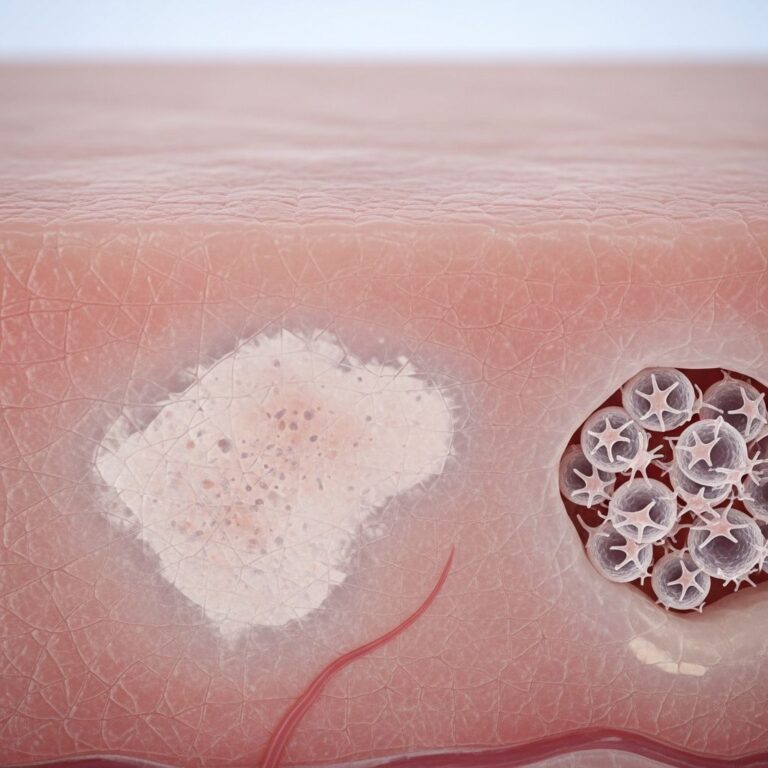
Hemorrhoids develop when veins in the anus or rectum swell due to increased pressure. They are classified as:
- Internal: Inside the rectum; often painless but may bleed or prolapse.
- External: Under the skin around the anus; cause pain, itching, and thrombosis (blood clots).
Common triggers include chronic constipation, straining during bowel movements, pregnancy, obesity, prolonged sitting, and low-fiber diets. According to NIDDK data, symptoms include bright red blood on toilet paper, pain during bowel movements, and a lump near the anus.
11 Hemorrhoids Self-Care Tips
1. Eat More Fiber
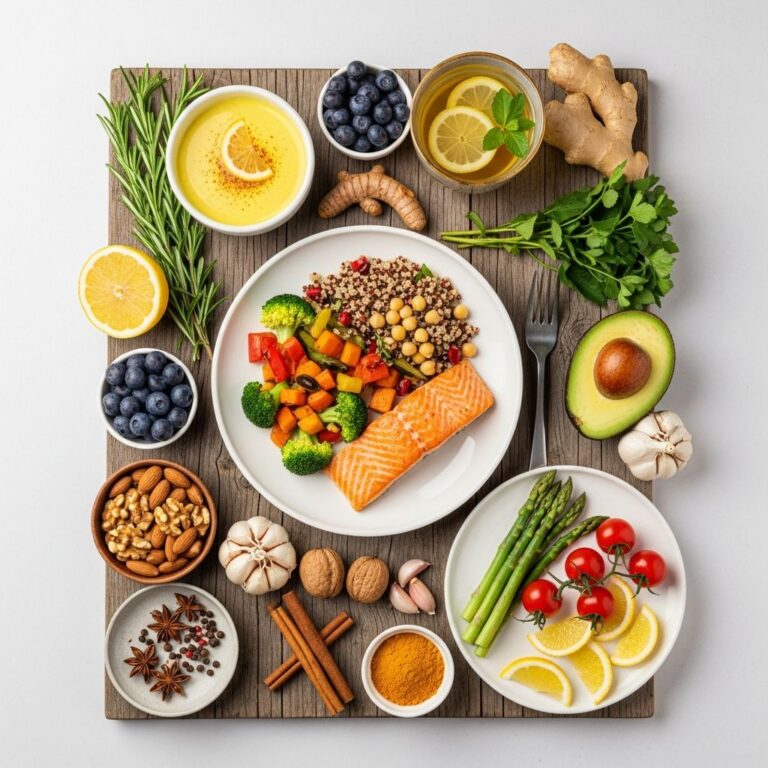
A high-fiber diet softens stool and reduces straining, the leading cause of hemorrhoids. The USDA Dietary Guidelines recommend 14 grams of fiber per 1,000 calories consumed daily—about 25–38 grams for adults.
| High-Fiber Foods | Serving Size | Fiber (g) |
|---|---|---|
| Oats | 1 cup cooked | 4 |
| Black beans | 1 cup cooked | 15 |
| Raspberries | 1 cup | 8 |
| Pears (with skin) | 1 medium | 6 |
| Broccoli | 1 cup cooked | 5 |
Increase fiber gradually to avoid gas and bloating. If diet alone isn’t enough, consider psyllium supplements like Metamucil (follow package dosing).
2. Drink Plenty of Water
Fiber absorbs water to bulk and soften stool. Aim for 8–10 cups (64–80 oz) daily, more if active or in hot climates. Dehydration hardens stool, worsening symptoms. Herbal teas and water-rich fruits like watermelon count toward intake.
3. Don’t Strain or Sit Long on the Toilet
Straining increases rectal pressure. Limit toilet time to 5 minutes. Avoid reading or using your phone—set a timer. Use a footstool (like a Squatty Potty) to elevate knees above hips, mimicking a squatting position for easier elimination.
4. Use a Sitz Bath
Soaking the anal area in warm water reduces swelling and pain. Fill a bathtub with 3–4 inches of warm water or use a sitz bath device over the toilet. Soak 10–20 minutes, 2–3 times daily, especially after bowel movements. Add Epsom salts for extra soothing (1/2 cup per bath). Pat dry gently afterward.
5. Apply OTC Creams or Ointments
Over-the-counter products provide targeted relief:
- Hydrocortisone cream (1%): Reduces inflammation and itching (e.g., Preparation H).
- Witch hazel pads: Astringent that shrinks swollen veins (e.g., Tucks).
- Lidocaine: Numbs pain.
Use for up to 7 days; consult a doctor if no improvement. Avoid products with benzocaine if allergic.
6. Take Oral Pain Relievers
Acetaminophen (Tylenol) or ibuprofen (Advil) ease pain and inflammation. Follow dosing instructions: max 3,000 mg acetaminophen or 1,200 mg ibuprofen daily for adults. Topical NSAIDs may also help.
7. Use a Stool Softener
Docusate sodium (Colace) moistens stool without stimulating contractions. Take 100–200 mg daily. Combine with fiber for best results. Avoid stimulant laxatives like senna long-term, as they can worsen hemorrhoids.
Related Stories



8. Apply a Cold Compress
For acute swelling or thrombosis, wrap ice in a cloth and apply 10–15 minutes several times daily. Alternate with warm sitz baths for vasoconstriction and dilation benefits.
9. Wear Cotton Underwear and Loose Clothing
Breathable fabrics prevent moisture buildup and irritation. Avoid thongs or tight pants that rub the area.
10. Avoid Holding in a Bowel Movement
Respond to the urge promptly. Delaying hardens stool and increases straining risk.
11. Exercise Regularly
30 minutes of moderate activity daily (walking, swimming) improves circulation and prevents constipation. Avoid heavy lifting or high-impact exercises during flare-ups. Kegel exercises strengthen pelvic floor muscles: contract for 5 seconds, relax, repeat 10 times, 3 sets daily.
When to See a Doctor
Self-care works for most, but seek medical help if:
- Bleeding lasts >1 week or is heavy.
- Pain is severe or worsening.
- Lump doesn’t improve in 7 days.
- Symptoms include fever, chills, or black stool.
Doctors may recommend rubber band ligation, sclerotherapy, or surgery for persistent cases. Per UpToDate, 90% resolve with conservative care.
Prevention Tips
- Maintain fiber/water intake lifelong.
- Exercise 150 minutes weekly.
- Manage weight (BMI <25 ideal).
- Respond to bowel urges immediately.
Frequently Asked Questions (FAQs)
Do hemorrhoids go away on their own?
Yes, most resolve in 1–2 weeks with self-care. Chronic cases may need treatment.
Can I pop a thrombosed hemorrhoid?
No—risks infection. See a doctor for incision if needed.
Are hemorrhoids dangerous during pregnancy?
Common and usually safe, but consult your OB-GYN for safe treatments.
How long do external hemorrhoids last?
3–7 days with proper care; thrombosed ones up to 2 weeks.
Does Preparation H work for internal hemorrhoids?
Yes, suppositories deliver medicine inside; use as directed.
References
- Hemorrhoids Treatment — National Institute of Diabetes and Digestive and Kidney Diseases (NIDDK). 2023-06-15. https://www.niddk.nih.gov/health-information/digestive-diseases/hemorrhoids/treatment
- Dietary Guidelines for Americans, 2020-2025 — U.S. Department of Agriculture (USDA). 2020-12-01. https://www.dietaryguidelines.gov/sites/default/files/2020-12/Dietary_Guidelines_for_Americans_2020-2025.pdf
- Hemorrhoids: What doctors wish patients knew — American Medical Association (AMA). 2024-01-10. https://www.ama-assn.org/delivering-care/public-health/what-doctors-wish-patients-knew-about-hemorrhoids
- Hemorrhoids (Beyond the Basics) — UpToDate. 2025-09-01. https://www.uptodate.com/contents/hemorrhoids-beyond-the-basics
- Clinical Practice Guidelines for Hemorrhoids — American Society of Colon and Rectal Surgeons. 2023-05-20. https://fascrs.org/patients/disease-condition/hemorrhoids-expanded-information
Similar Articles








Read full bio of medha deb