Hemorrhoids: Symptoms, Causes & Treatment
Learn about hemorrhoids, their symptoms, causes, and effective treatments to find relief and prevent recurrence.
What Are Hemorrhoids?
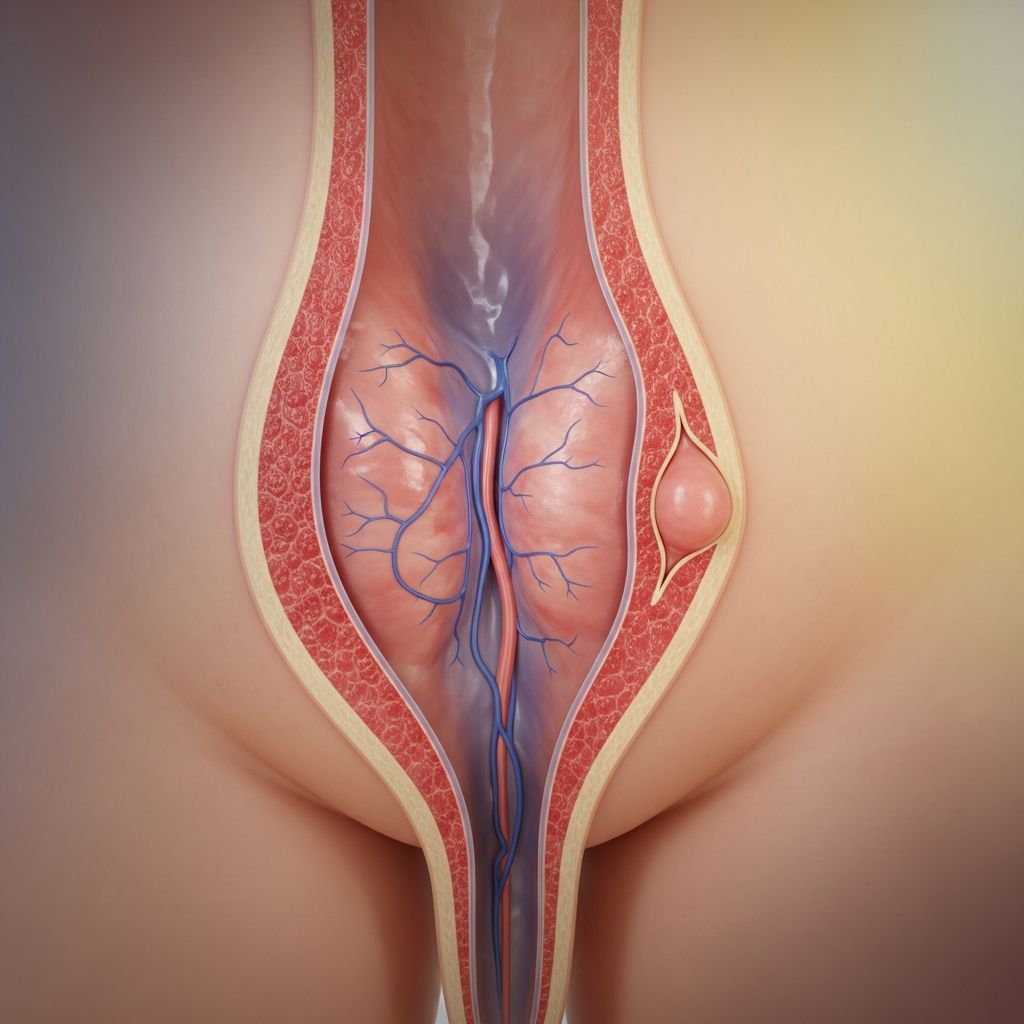
Hemorrhoids, also known as piles, are swollen veins in the rectum or around the anus. These veins can become inflamed and irritated, causing discomfort, pain, and sometimes bleeding. Hemorrhoids are a common condition that affects millions of people worldwide, and while they can be uncomfortable, they are rarely dangerous.
Symptoms of Hemorrhoids
The symptoms of hemorrhoids can vary depending on their location and severity. Common symptoms include:
- Rectal bleeding, often noticed as bright red blood on toilet paper or in the toilet bowl
- Anal itching or irritation
- Pain or discomfort, especially during bowel movements
- Swelling or a lump near the anus
- Leakage of stool
Internal hemorrhoids are located inside the rectum and are usually painless, but they can cause bleeding. External hemorrhoids are under the skin around the anus and can be painful, especially if a blood clot forms (thrombosed hemorrhoid).
Causes of Hemorrhoids
Hemorrhoids can develop due to increased pressure in the veins of the rectum and anus. Common causes include:
- Straining during bowel movements
- Chronic constipation or diarrhea
- Sitting for long periods, especially on the toilet
- Obesity
- Pregnancy
- Aging
- Heavy lifting
These factors can weaken the veins and lead to the formation of hemorrhoids.
Diagnosis of Hemorrhoids
To diagnose hemorrhoids, a healthcare provider will typically perform a physical examination and ask about your symptoms and medical history. The examination may include:
- Visual inspection of the anus
- Digital rectal exam
- Anoscopy, where a small, lighted tube is inserted into the anus to view the inside of the rectum
In some cases, additional tests such as a colonoscopy may be recommended to rule out other conditions, especially if there is significant bleeding or if you are over 50 years old.
Grading Hemorrhoids
Hemorrhoids are graded on a scale from I to IV based on their severity:
| Grade | Description |
|---|---|
| I | Small swellings inside the rectum, not visible externally |
| II | Larger swellings that may protrude during bowel movements but retract on their own |
| III | Swelling that protrudes and must be pushed back in |
| IV | Swelling that protrudes and cannot be pushed back in |
Treatment Options for Hemorrhoids
There are several treatment options available for hemorrhoids, ranging from lifestyle changes to medical procedures. The choice of treatment depends on the severity of the hemorrhoids and the symptoms experienced.
Lifestyle Changes
For mild hemorrhoids, lifestyle changes can often provide relief and prevent recurrence. These include:
- Eating a high-fiber diet to soften stools and reduce straining
- Drinking plenty of fluids
- Exercising regularly
- Avoiding prolonged sitting on the toilet
- Using over-the-counter creams or suppositories to relieve symptoms
Related Stories



Office-Based Treatments
For more severe hemorrhoids, office-based treatments may be recommended. These include:
- Rubber band ligation: A small rubber band is placed around the base of the hemorrhoid to cut off its blood supply, causing it to shrink and fall off
- Sclerotherapy: A chemical solution is injected into the hemorrhoid to shrink it
- Infrared coagulation: Heat is used to shrink the hemorrhoid
Surgical Treatments
For high-grade hemorrhoids or those that do not respond to other treatments, surgical options may be necessary. These include:
- Hemorrhoidectomy: Surgical removal of the hemorrhoid tissue
- Stapled hemorrhoidopexy: A procedure that staples the hemorrhoid tissue back into place
- Doppler-guided hemorrhoidal artery ligation: A procedure that uses ultrasound to locate and ligate the arteries supplying the hemorrhoid
Recovery and Follow-Up
Recovery from hemorrhoid treatment varies depending on the procedure. For office-based treatments, most people can return to normal activities within a few days. For surgical treatments, recovery may take several weeks. Follow-up care typically includes:
- Continuing a high-fiber diet
- Staying hydrated
- Using pain relief medications as needed
- Attending follow-up appointments to monitor healing
Prevention of Hemorrhoids
Preventing hemorrhoids involves making lifestyle changes that reduce pressure on the veins in the rectum and anus. These include:
- Eating a high-fiber diet
- Drinking plenty of fluids
- Exercising regularly
- Avoiding prolonged sitting on the toilet
- Not straining during bowel movements
Frequently Asked Questions (FAQs)
Q: What are the most common symptoms of hemorrhoids?
A: The most common symptoms include rectal bleeding, anal itching, pain or discomfort, swelling, and leakage of stool.
Q: Can hemorrhoids be prevented?
A: Yes, hemorrhoids can often be prevented by eating a high-fiber diet, staying hydrated, exercising regularly, and avoiding prolonged sitting on the toilet.
Q: When should I see a doctor for hemorrhoids?
A: You should see a doctor if you experience persistent bleeding, severe pain, or if your symptoms do not improve with home treatment.
Q: Are hemorrhoids dangerous?
A: Hemorrhoids are rarely dangerous, but they can cause significant discomfort and should be evaluated by a healthcare provider if symptoms are severe or persistent.
Q: What are the treatment options for hemorrhoids?
A: Treatment options include lifestyle changes, office-based treatments like rubber band ligation, and surgical procedures such as hemorrhoidectomy.
References
- Hemorrhoids: Symptoms, Causes & Treatment — Cleveland Clinic. 2025-05-05. https://my.clevelandclinic.org/health/diseases/15120-hemorrhoids
- Hemorrhoids: The Definitive Guide to Medical and Surgical Treatment — Cleveland Clinic. 2025. https://consultqd.clevelandclinic.org/hemorrhoids-the-definitive-guide-to-medical-and-surgical-treatment
- Hemorrhoidectomy: Surgery, Recovery & Complications — Cleveland Clinic. 2025. https://my.clevelandclinic.org/health/procedures/hemorrhoidectomy
Similar Articles








Read full bio of medha deb