Hemorrhoids Symptoms: Signs, Causes, And Treatments
Recognize the signs of hemorrhoids early: bleeding, pain, itching, and more to seek timely relief and treatment.
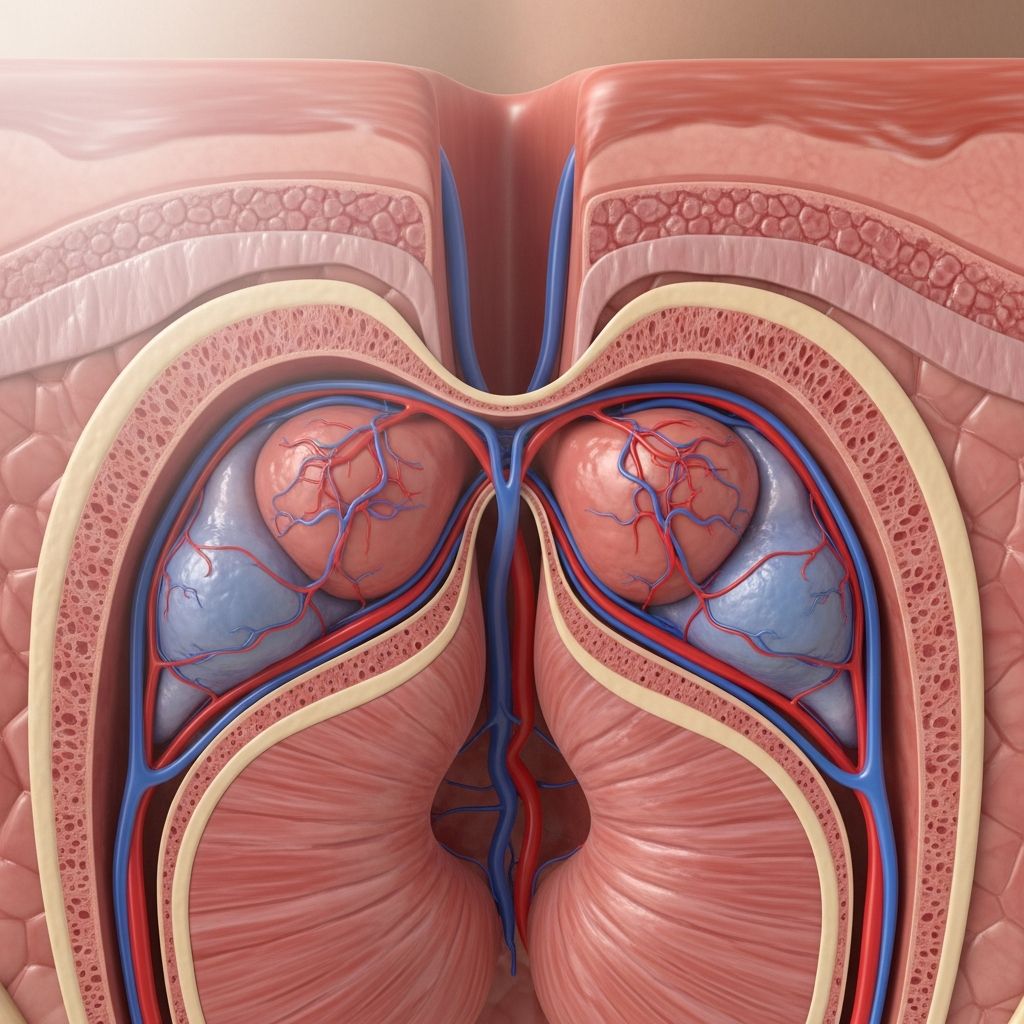
Hemorrhoids, also known as piles, are swollen veins in the anus and lower rectum that affect millions worldwide. These normal anatomical structures can become symptomatic due to swelling, leading to discomfort that ranges from mild itching to severe pain. Recognizing
hemorrhoids symptoms
early is crucial for effective management and preventing complications. This article covers types, symptoms, causes, diagnosis, treatments, prevention, and FAQs based on authoritative medical insights.What Are Hemorrhoids?
Hemorrhoids are clusters of vascular tissue, smooth muscle, and connective tissue in the anal canal, present in healthy individuals to aid continence. They become problematic when swollen or inflamed. There are two main types:
internal hemorrhoids
, located above the dentate line inside the rectum and typically painless due to visceral innervation, andexternal hemorrhoids
, below the dentate line, covered by sensitive squamous epithelium that can cause significant pain if irritated or thrombosed.Internal hemorrhoids are graded by prolapse extent: Grade I (no prolapse), Grade II (prolapse that reduces spontaneously), Grade III (manual reduction needed), and Grade IV (irreducible). External hemorrhoids may develop skin tags after resolution, complicating hygiene.
Hemorrhoids Symptoms
Symptoms commonly linked to hemorrhoids include
rectal bleeding
,pain
,pruritus (itching)
,fecal seepage
,prolapse
, andmucus discharge
. However, research shows these symptoms occur equally in patients with and without hemorrhoids, suggesting other causes like anal fissures or irritable bowel syndrome may be misattributed.Internal Hemorrhoids Symptoms
- Painless bleeding: Bright red blood on toilet paper or in the bowl from straining.
- Prolapse: Tissue protrusion through the anus, potentially causing irritation or pain if persistent.
- Mucus discharge: Clear or white secretion leading to soiling.
Internal hemorrhoids rarely cause pain unless prolapsed and strangulated.
External Hemorrhoids Symptoms
- Itching or irritation: In the anal area due to skin stretching.
- Pain or discomfort: Especially during bowel movements or sitting.
- Swelling: Visible lump around the anus.
- Bleeding: If irritated.
Thrombosed Hemorrhoids Symptoms
When blood clots in an external hemorrhoid, it causes:
- Severe pain: Acute and intense.
- Swelling and inflammation: Hard, discolored lump.
Patients may also report bloating, abdominal pain, and reduced quality of life, overlapping with other conditions.
Hemorrhoids Causes and Risk Factors
Hemorrhoids develop from increased pressure on rectal veins, causing them to stretch and bulge. Key causes include:
- Straining during bowel movements.
- Prolonged sitting, especially on the toilet.
- Chronic constipation or diarrhea.
- Obesity.
- Pregnancy.
- Anal intercourse.
- Low-fiber diet.
- Heavy lifting.
Risk increases with age as supporting tissues weaken, and during pregnancy due to fetal pressure. Physiological factors like elevated resting anal pressure or collagen abnormalities may contribute, though causality is unclear.
When to See a Doctor
Not all rectal bleeding is from hemorrhoids—don’t assume. Consult a healthcare provider if:
Related Stories



- Bleeding persists beyond a week of home care.
- You notice changes in bowel habits, stool color, or consistency.
- Symptoms include severe pain, large blood amounts, dizziness, or faintness (seek emergency care).
- Prolapse doesn’t reduce or there’s chronic mucus discharge.
Diagnosis involves physical exam, anoscopy, or colonoscopy to rule out colorectal cancer or other issues.
Hemorrhoids Diagnosis
Healthcare providers assess via:
- History and exam: Symptom review and visual/digital rectal exam.
- Anoscopy: To visualize internal hemorrhoids and grade them.
- Colonoscopy: For bleeding patients over 45 or with risk factors to exclude malignancy.
Studies show no strong link between hemorrhoid grade and symptoms, emphasizing thorough evaluation.
Hemorrhoids Treatment
Treatments range from conservative to surgical, focusing on symptom relief and recurrence prevention.
Home Remedies and Lifestyle Changes
- Fiber supplements: Psyllium or methylcellulose softens stools; inconsistent results but recommended with ample fluids.
- Sitz baths: Warm water soaks 2-3 times daily for 10-15 minutes.
- Topicals: Hydrocortisone or witch hazel for itching/pain.
- Don’t strain: Avoid breath-holding during defecation.
Medical Therapies
Phlebotonics (e.g., diosmin) show benefits in bleeding, pruritus, and leakage per Cochrane review (OR 0.12-0.23). Office procedures like rubber band ligation or infrared coagulation are effective and cost-efficient.
Surgical Options
| Procedure | Description | Pros | Cons |
|---|---|---|---|
| Hemorrhoidectomy | Surgical excision | Effective for Grade III/IV | Painful recovery |
| Stapled hemorrhoidopexy | Circumferential resection | Less pain | Higher recurrence |
| Thrombectomy | Clot removal | Quick pain relief | For acute cases only |
Surgery eliminates hemorrhoids but pain varies; long-term outcomes need better study.
Hemorrhoids Prevention
Prevent by softening stools and reducing vein pressure:
- Eat high-fiber foods (25-30g daily) or supplements.
- Drink 8+ glasses of water.
- Exercise regularly to avoid constipation and obesity.
- Avoid prolonged toilet sitting.
- Don’t strain or lift heavily without proper form.
Complications of Hemorrhoids
Rare but serious:
- Anemia: From chronic bleeding.
- Strangulated hemorrhoid: Blood supply cutoff causing extreme pain.
- Thrombosis: Painful clot requiring drainage.
Frequently Asked Questions (FAQs)
What does hemorrhoid bleeding look like?
Bright red blood on toilet paper or streaking the stool; painless for internal types.
Do hemorrhoids go away on their own?
Mild cases may resolve with lifestyle changes, but persistent ones need treatment.
Can hemorrhoids cause severe pain?
Yes, especially thrombosed external or prolapsed internal hemorrhoids.
Are hemorrhoids dangerous?
Usually not, but bleeding warrants evaluation to rule out cancer.
How long do hemorrhoids last?
Symptoms improve in days to weeks with care; untreated may recur.
Is surgery the only cure for hemorrhoids?
No, many respond to conservative measures or office procedures.
This comprehensive guide empowers you to identify and manage
hemorrhoids symptoms
effectively. Always consult a professional for personalized advice.References
- Rethinking What We Know About Hemorrhoids — PMC – NIH. 2020-03-18. https://pmc.ncbi.nlm.nih.gov/articles/PMC7075634/
- Hemorrhoids – Symptoms and causes — Mayo Clinic. 2025-08-23. https://www.mayoclinic.org/diseases-conditions/hemorrhoids/symptoms-causes/syc-20360268
Similar Articles








Read full bio of Sneha Tete