Henoch-Schönlein Purpura: Causes, Symptoms, and Treatment
Complete guide to HSP (IgA vasculitis): understanding symptoms, diagnosis, and evidence-based treatment approaches.
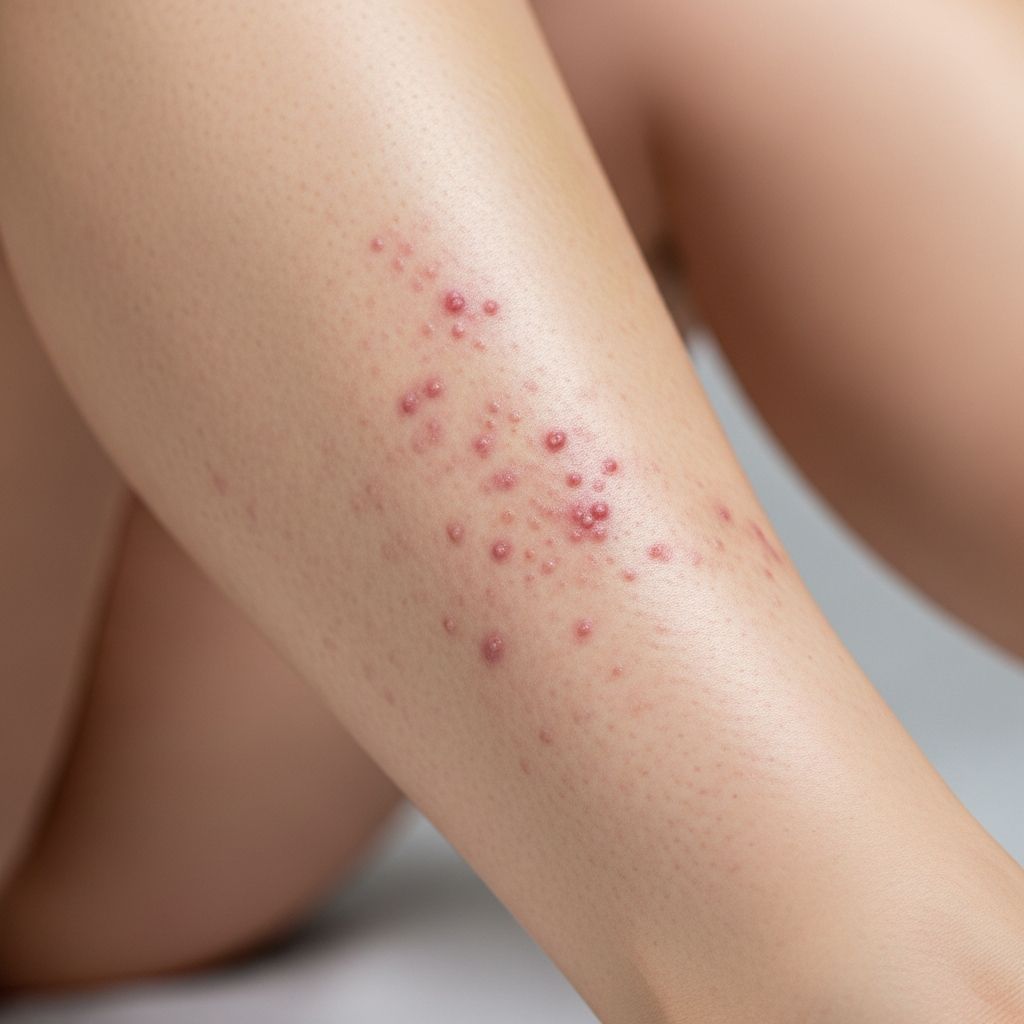
Henoch-Schönlein Purpura: Overview and Definition
Henoch-Schönlein purpura (HSP), now more formally known as IgA vasculitis, is a systemic small vessel vasculitis characterized by inflammation of small blood vessels throughout the body. This condition results in a distinctive clinical presentation affecting multiple organ systems, most notably the skin, joints, gastrointestinal tract, and kidneys. The disease predominantly affects children but can occur in adults of any age. The hallmark feature is a palpable purpuric rash that typically appears on the lower extremities and buttocks, though it may progress to involve other areas of the body.
The inflammatory cascade in HSP involves abnormal immune complex deposition, primarily composed of immunoglobulin A (IgA), in small blood vessels throughout affected tissues. This leads to vasculitis characterized by leukocyte infiltration and subsequent endothelial damage. The condition is generally self-limited, with most cases resolving within four weeks without long-term complications.
Epidemiology and Risk Factors
Henoch-Schönlein purpura affects individuals across all age groups, though it is most common in children between the ages of 4 and 6 years. Adults can develop HSP, though it occurs less frequently in this population. The condition shows no significant gender predilection and affects all ethnic groups worldwide.
Several risk factors have been identified that may predispose individuals to developing HSP:
- Infections: Upper respiratory tract infections, particularly those caused by Group A Streptococcus, are the most common triggering factor, with symptoms appearing in approximately 75% of cases following such infections. Other implicated organisms include Epstein-Barr virus and varicella-zoster virus.
- Genetic predisposition: Certain genetic polymorphisms may increase susceptibility to HSP, though the exact mechanisms remain under investigation.
- Medications: Various pharmaceuticals including nifedipine, diltiazem, cefuroxime, diclofenac, and antibiotics such as penicillin have been implicated in triggering HSP in susceptible individuals.
- Dietary factors: Allergic reactions to specific foods including chocolate, milk, eggs, and legumes have been suggested as potential triggers in some cases.
- Environmental exposures: Insect bites, cold weather exposure, and inhaled environmental irritants may contribute to disease development.
- Viral infections: Recent data indicate that viral infections, including COVID-19 and post-COVID-19 vaccination, may trigger HSP in a small proportion of patients.
Pathophysiology and Causes
The precise etiology of Henoch-Schönlein purpura remains incompletely understood, though current evidence supports an autoimmune mechanism as the underlying pathophysiology. In this disease, the immune system inappropriately targets and attacks the body’s own small blood vessels. The central immunological abnormality involves abnormal production of IgA antibodies that form immune complexes, which deposit in small vessels throughout the body.
The inflammatory cascade proceeds as follows: IgA immune complexes deposit in small blood vessels, activating the complement cascade and recruiting inflammatory cells including neutrophils and leukocytes. This leads to vessel wall inflammation, endothelial damage, and increased vascular permeability, resulting in extravasation of red blood cells and the characteristic purpuric rash.
While the exact trigger for this abnormal immune response remains elusive, evidence strongly suggests that infectious agents—particularly upper respiratory infections—serve as the primary precipitating factor in the majority of cases. The immune system’s response to these infections appears to cross-react with small vessel endothelium, initiating the cascade of vasculitis.
Other proposed mechanisms include:
- Molecular mimicry between pathogenic antigens and self-antigens on endothelial cells
- Defects in immune tolerance and regulatory T-cell function
- Abnormalities in IgA glycosylation promoting immune complex formation
- Genetic susceptibility interacting with environmental triggers
Clinical Presentation and Symptoms
Henoch-Schönlein purpura typically presents with the acute onset of symptoms that may develop over several days. The clinical manifestations are diverse and can involve multiple organ systems, though symptoms tend to be self-limited.
Related Stories



The primary clinical features include:
- Palpable purpuric rash: The most characteristic finding, appearing as a purple-red rash that does not blanch (turn white) when pressure is applied. The rash is typically distributed over the lower extremities, buttocks, and posterior aspects of the legs, though it may progress to involve the trunk and upper extremities. In some cases, the rash may evolve into ulcerative lesions, particularly in severe disease.
- Arthralgia and arthritis: Joint pain and swelling commonly affect the knees and ankles, though other joints may be involved. Joint pain typically resolves spontaneously within 72 hours.[10]
- Abdominal manifestations: Gastrointestinal involvement includes cramping, abdominal pain, nausea, vomiting, and diarrhea. In severe cases, intestinal bleeding may occur, leading to bloody stools. Abdominal pain can be severe and may precede the rash, creating diagnostic uncertainty.
- Constitutional symptoms: Patients frequently experience headache, fever, and loss of appetite.
- Renal manifestations: Kidney involvement may present as hematuria (blood in urine), proteinuria (protein in urine), or more serious glomerulonephritis. In most cases, renal involvement is mild; however, severe renal disease can develop in a subset of patients.
- Gynecological symptoms: Female patients may experience painful menstruation (dysmenorrhea).
- Swelling: Angioedema (swelling of soft tissues) may occur, particularly affecting the lower extremities.
Symptoms typically begin suddenly and may wax and wane over several weeks or even months in some cases. The clinical course is generally benign, though the recurrent nature of symptoms can be distressing to patients and families.
Diagnosis
The diagnosis of Henoch-Schönlein purpura is primarily clinical, based on the characteristic presentation of palpable purpura on the lower extremities combined with involvement of other organ systems. The diagnosis is typically made when patients present with the classic tetrad of findings: palpable purpura, arthralgia or arthritis, abdominal pain, and renal involvement, though not all features need be present simultaneously.
Diagnostic approaches include:
- Clinical examination: Assessment of the characteristic distribution and appearance of the purpuric rash is fundamental to diagnosis. The rash should not blanch with pressure, helping distinguish it from petechiae in other conditions.
- Laboratory investigations: Routine blood work is generally nonspecific but may reveal elevated inflammatory markers. Urinalysis and assessment of renal function are essential to detect kidney involvement. Blood pressure monitoring is important, as hypertension may indicate renal disease.
- Skin biopsy: While not always necessary for diagnosis, a skin biopsy demonstrating IgA immune complex deposition on immunofluorescence microscopy can confirm the diagnosis when clinical features are unclear.
- Renal biopsy: Performed in cases of progressive renal disease to assess the extent of glomerular involvement and guide treatment decisions.
- Imaging studies: CT scanning of the abdomen may be performed when gastrointestinal involvement is suspected to assess for complications such as intussusception or perforation.
Treatment Approaches
There is no specific curative treatment for Henoch-Schönlein purpura; however, management focuses on symptom relief and prevention of complications, particularly renal disease. The good news is that in most cases, particularly mild disease in children, the condition resolves spontaneously within a limited time frame.
Supportive and Symptomatic Care
Rest and hydration form the cornerstone of management for all patients with HSP. Adequate fluid intake supports kidney function and aids overall recovery. Patients should be counseled to maintain normal activity levels as tolerated, as complete bed rest is unnecessary in most cases.
Pain management: For mild to moderate pain, paracetamol (acetaminophen) is the preferred analgesic. Nonsteroidal anti-inflammatory drugs (NSAIDs) such as ibuprofen can relieve joint and abdominal pain; however, these should be used cautiously and only under medical supervision, as NSAIDs may adversely affect renal function in patients with kidney involvement. Patients should not self-administer NSAIDs without consulting their healthcare provider.
Wound care: When purpuric lesions progress to ulcerative skin lesions, appropriate wound care including cleansing and dressing changes is necessary to prevent infection.
Pharmacological Treatment
Corticosteroids: When joint or abdominal pain is severe or when other complications arise, corticosteroid therapy, typically prednisone, may be prescribed. Corticosteroids are particularly useful for controlling acute joint pain and severe abdominal pain. Evidence also suggests that early corticosteroid therapy may reduce the risk of kidney damage. However, because these medications carry potential for serious side effects, the risks and benefits must be carefully discussed with healthcare providers before initiation. A standardized treatment algorithm for severe renal disease involves oral prednisolone for low-level vasculitis nephritis, oral or pulse steroids for moderate disease, and combined oral/pulse steroids with intravenous cyclophosphamide for severe renal involvement.
Antibiotic therapy: When evidence of streptococcal infection is present, antibiotic therapy should be prescribed to eliminate the offending pathogen.
Immunosuppressive agents: For patients with significant kidney involvement or severe systemic disease, immunosuppressant medications may be necessary. These agents include:
- Azathioprine: Used as an immunosuppressive agent in moderate to severe disease.
- Mycophenolate mofetil: An alternative immunosuppressant for patients with renal involvement.
- Cyclophosphamide: Employed in severe cases with significant renal disease requiring pulse therapy.
- Rituximab: A monoclonal antibody against B cells, used as second-line therapy in selected cases.
Renal protective agents: For patients with evidence of kidney involvement, additional medications are employed to prevent progressive renal damage. Angiotensin-converting enzyme (ACE) inhibitors and angiotensin-receptor blockers (ARBs) help reduce proteinuria and slow the progression of kidney disease by lowering intraglomerular pressure.
Management of Severe Disease
For patients with severe renal involvement or advanced kidney disease, more aggressive interventions may be necessary:
- Plasmapheresis: This experimental treatment involves removing plasma from the patient’s blood and replacing it with donor plasma, thereby removing harmful immune complexes and mediators of inflammation. While still under investigation, plasmapheresis is reserved for the most severe cases of HSP until further evidence supports its broader use.
- Hemodialysis: Patients who develop renal failure may require mechanical cleansing of waste products through hemodialysis to support kidney function.
- Kidney transplantation: In cases of end-stage renal disease, kidney transplantation may be considered; however, disease recurrence in the transplanted kidney is possible.
Management of Specific Complications
Avoidance of triggering factors: When HSP is suspected to be triggered by allergic reactions to specific foods or medications, strict avoidance of the offending substance is essential. Common food triggers include chocolate, milk, eggs, and legumes, while medications implicated in triggering HSP should be replaced with safe alternatives when possible.
Prognosis and Long-Term Outcomes
The prognosis for Henoch-Schönlein purpura is generally excellent, particularly in children with uncomplicated disease. Most cases resolve within 4 weeks without long-term health consequences.[10] The rash typically improves and disappears completely within approximately 2 months.
However, renal involvement is the primary determinant of long-term outcomes. While severe renal involvement is rare, it carries the most significant prognostic implications. Patients with kidney involvement require regular monitoring to ensure that renal function is preserved and to detect any progression of disease.
Long-term follow-up is essential, with regular check-ups recommended for 6 to 12 months following diagnosis. During these appointments, urinalysis and blood pressure assessment should be performed at regular intervals to monitor for kidney complications. Early detection of progressive renal disease allows for timely intervention to prevent irreversible kidney damage.
Frequently Asked Questions
Q: Is Henoch-Schönlein purpura contagious?
A: No, HSP is not contagious. It is an autoimmune condition triggered by the body’s own immune response, not by a transmissible pathogen. However, the infections that may trigger HSP in susceptible individuals (such as strep throat) are contagious.
Q: Can adults develop Henoch-Schönlein purpura?
A: Yes, although HSP is most common in children, it can occur in adults of any age. The presentation and course may be similar to that seen in children, though adults may have a higher risk of renal complications.
Q: What is the difference between HSP and IgA vasculitis?
A: There is no clinical difference. IgA vasculitis is simply the updated medical terminology for what was previously called Henoch-Schönlein purpura. The name was changed to more accurately reflect the pathophysiological mechanism involving IgA immune complex deposition.
Q: Can Henoch-Schönlein purpura recur?
A: Yes, recurrence of symptoms is possible in some patients, though this is not the typical course. Recurrences may occur months or even years after the initial episode. Close follow-up helps detect recurrence early.
Q: Does HSP cause permanent scarring?
A: In most cases, the purpuric rash resolves without scarring. However, when ulcerative lesions develop, particularly in severe disease, some scarring may occur. Proper wound care can minimize scarring.
Q: What dietary modifications help during HSP?
A: There are no specific dietary restrictions required for HSP. However, if certain foods are identified as triggering the condition, they should be strictly avoided. Maintaining adequate hydration and nutritional intake supports recovery.
References
- Henoch-Schönlein Purpura (HSP): Causes, Symptoms, Treatment — WebMD. 2024. https://www.webmd.com/skin-problems-and-treatments/henoch-schonlein-purpura-causes-symptoms-treatment
- Henoch-Schönlein Purpura – Symptoms, Causes, Treatment — National Organization for Rare Disorders (NORD). 2024. https://rarediseases.org/rare-diseases/henoch-schonlein-purpura/
- Henoch-Schonlein purpura – Diagnosis & Treatment — Mayo Clinic. 2024. https://www.mayoclinic.org/diseases-conditions/henoch-schonlein-purpura/diagnosis-treatment/drc-20354045
- Henoch-Schönlein Purpura (HSP) — Great Ormond Street Hospital for Children NHS Trust. 2024. https://www.gosh.nhs.uk/conditions-and-treatments/conditions-we-treat/henoch-sch-nlein-purpura-hsp/
- Henoch-Schönlein purpura (HSP) — National Health Service (NHS). 2024. https://www.nhs.uk/conditions/henoch-schonlein-purpura-hsp/
- IgA Vasculitis (Henoch-Schönlein Purpura) – StatPearls — National Center for Biotechnology Information (NCBI). 2023. https://www.ncbi.nlm.nih.gov/books/NBK537252/
- HenochSchönlein Purpura (HSP) (IgA Vasculitis) — NHG Health. 2024. https://www.nhghealth.com.sg/FindDS/diseases-conditions/henochschnlein-purpura-hsp-iga-vasculitis
Similar Articles








Read full bio of Sneha Tete