Heparin-Induced Thrombocytopenia: Diagnosis & Treatment Guide
Understanding HIT: A dangerous immune reaction to heparin causing low platelets and high clot risk.
Revised: January 2026
What is heparin-induced thrombocytopenia?
Heparin-induced thrombocytopenia (HIT) is a potentially life-threatening immune-mediated adverse reaction to heparin exposure. Despite the name suggesting low platelets would cause bleeding, HIT paradoxically increases the risk of venous and arterial thrombosis. HIT occurs in up to 5% of patients receiving unfractionated heparin (UFH) and less frequently with low-molecular-weight heparin (LMWH).
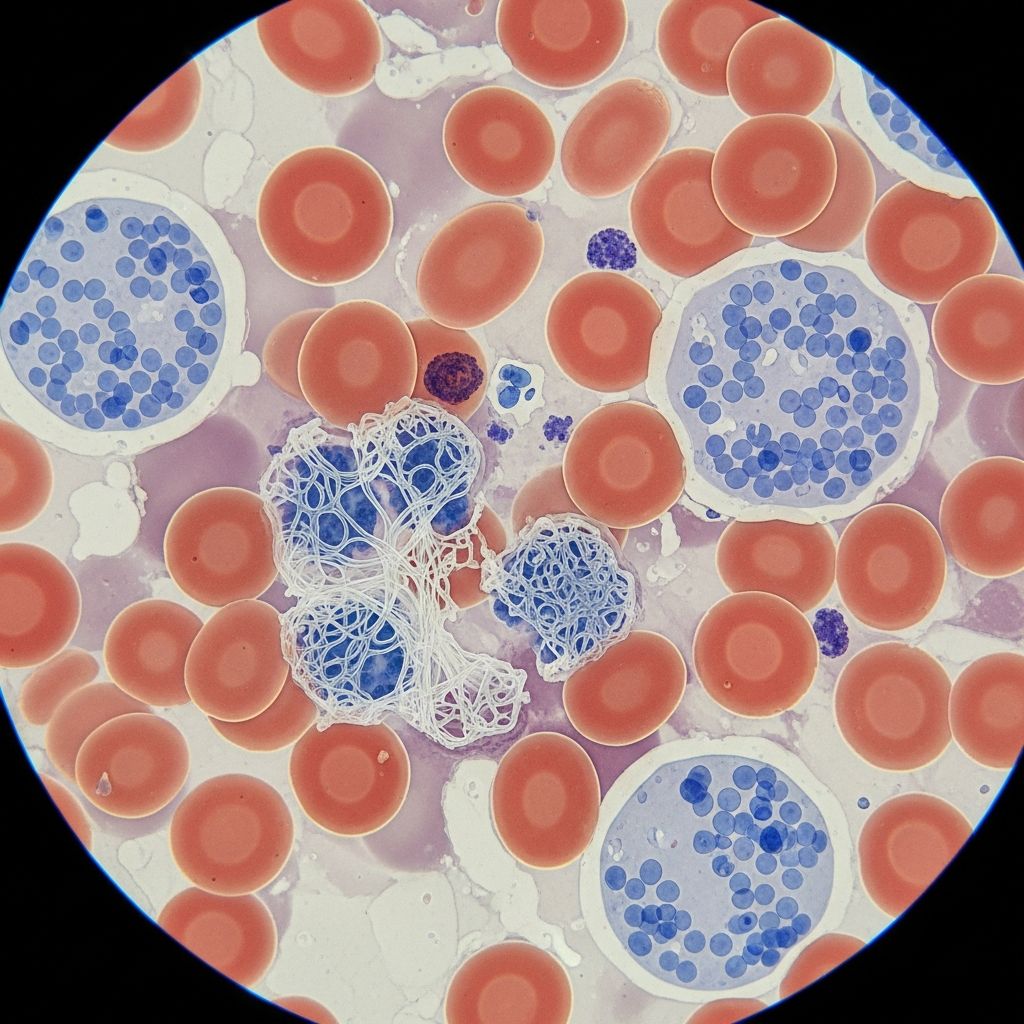
The condition arises when antibodies form against complexes of platelet factor 4 (PF4) and heparin, activating platelets and leading to their consumption (thrombocytopenia) and release of procoagulant microparticles that promote clotting.
Who gets heparin-induced thrombocytopenia (epidemiology)?
HIT affects patients exposed to heparin, particularly in hospital settings for prophylaxis or treatment of thromboembolic disease. Risk is higher with UFH (2-3% incidence) compared to LMWH (0.2-0.5%). Postoperative patients, especially after cardiac or orthopedic surgery, are at greatest risk due to frequent UFH use.
- UFH exposure: Subcutaneous or intravenous administration increases risk.
- Surgical patients: Up to 50% seroconversion rate post-cardiac surgery, though clinical HIT in 1-2%.
- Duration: Risk rises after 4-5 days of exposure.
- Previous exposure: Rapid onset if re-exposed within 100 days.
Types of heparin-induced thrombocytopenia
There are two distinct types of HIT:
- Type 1 HIT (non-immune): Benign, direct platelet activation by heparin, mild thrombocytopenia (nadir >100 × 109/L) within 2 days, self-resolving, no thrombosis risk.
- Type 2 HIT (immune-mediated): Clinically significant, IgG antibodies against heparin-PF4, moderate-severe thrombocytopenia (50-80 × 109/L), high thrombosis risk (50% of cases).
Type 2 HIT subtypes include typical-onset (days 5-10), rapid-onset (prior exposure), delayed-onset (up to 2 weeks post-heparin), and refractory HIT.
Pathophysiology of heparin-induced thrombocytopenia
Heparin binds PF4, inducing conformational change that exposes neoantigens. IgG antibodies bind these complexes, activating platelets via FcγIIa receptors. This causes platelet aggregation, microparticle release, and activation of coagulation promoting thrombosis despite thrombocytopenia.
Key features:
- Antibody specificity: High-titer IgG against PF4/heparin.
- Platelet activation independent of heparin at high antibody levels.
- Endothelial activation contributes to thrombosis.
Clinical features of heparin-induced thrombocytopenia
HIT typically manifests 5-10 days after heparin initiation (or sooner with re-exposure). Core feature is thrombocytopenia: >50% platelet fall from baseline, absolute count often 50-80 × 109/L.
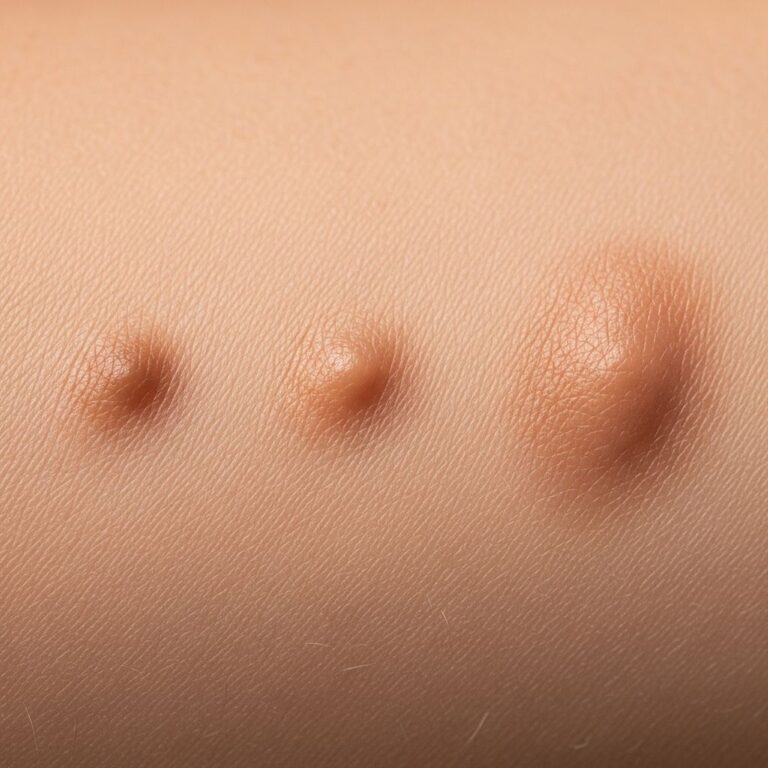
Skin lesions
Characteristic skin findings include:
- Heparin necrosis: Painful, reticulated purpura at injection sites progressing to necrosis (resembles warfarin necrosis).
- Distant skin necrosis: Non-injection site lesions.
- Acute systemic reaction: Fever, chills after IV heparin bolus.
Thrombotic complications (50% of cases)
| Venous Thrombosis | Arterial Thrombosis |
|---|---|
| Deep vein thrombosis (DVT) Pulmonary embolism (PE) Cerebral sinus thrombosis Adrenal vein thrombosis (bilateral adrenal hemorrhage) | Cerebral arterial thrombosis (stroke) Limb arterial thrombosis (gangrene) Myocardial infarction Mesenteric thrombosis |
Other symptoms: leg swelling/pain, dyspnea, chest pain, limb ischemia (blue toes/fingers), fever.
Diagnosis of heparin-induced thrombocytopenia
Diagnosis combines clinical suspicion (4Ts score) and lab confirmation. Pretest probability guides testing.
4Ts Score
The 4Ts score assesses HIT likelihood:
Related Stories



| Category | 2 points | 1 point | 0 points |
|---|---|---|---|
| Thrombocytopenia | >50% fall, nadir ≥20 × 109/L | 30-50% fall or nadir 10-19 × 109/L | <30% fall or nadir <10 × 109/L |
| Timing | Day 5-10 or ≤1 day (prior exposure) | >10 days or unclear | ≤4 days (no prior) |
| Thrombosis | New thrombosis/skin necrosis | Progressive/recurrent | None |
| Other causes | None apparent | Possible | Definite |
Score: 6-8 high (test/ treat), 4-5 intermediate, 0-3 low probability.
Laboratory tests
- Immunoassays: PF4/heparin ELISA (sensitive, rapid; high negative predictive value).
- Functional assays: Serotonin release assay (SRA, gold standard), HIPA (specific).
Algorithm: High 4Ts → immunoassay → if positive, SRA confirmation. Stop heparin immediately on suspicion.
Differential diagnosis
- Other thrombocytopenias: Sepsis, DIC, drugs (e.g., GPIIb/IIIa inhibitors).
- Thrombosis mimics: VITT, antiphospholipid syndrome.
- Postoperative thrombocytopenia.
Investigations for heparin-induced thrombocytopenia
See Diagnosis section. Additional: D-dimer (often elevated), imaging for thrombosis (ultrasound, CT).
Management and treatment of heparin-induced thrombocytopenia
Immediate: Discontinue ALL heparin (UFH, LMWH, flushes). Do NOT use alternative heparins.
Anticoagulation (critical despite thrombocytopenia)
- Non-heparin anticoagulants: Argatroban (direct thrombin inhibitor, IV), bivalirudin, fondaparinux (factor Xa inhibitor, cautious).
- DOACs: Rivaroxaban, apixaban (oral, preferred post-acute phase).
Supportive care
- Treat thrombosis if present.
- Avoid platelet transfusion (worsens thrombosis).
- Monitor platelets (recover 4-5 days post-heparin cessation).
Prevention of heparin-induced thrombocytopenia
- Prefer LMWH over UFH for prophylaxis.
- Limit heparin duration.
- Routine platelet monitoring in high-risk patients (e.g., post-cardiac surgery: check days 5-14).
- Avoid heparin in known HIT patients.
Timeline and resolution
Platelets recover 4-8 days after heparin cessation. HIT antibodies persist weeks to months; avoid heparin re-exposure.
Patient follow-up
Document HIT in records. Use DOAC card. Future procedures: non-heparin anticoagulants.
Prevention of heparin-induced thrombocytopenia in future pregnancies
Pregnant women with prior HIT: Avoid heparin; use danaparoid, fondaparinux, or LMWH with monitoring.
References for heparin in patients with HIT
- No heparin use.
- Alternatives: Argatroban, bivalirudin for procedures.
Frequently Asked Questions (FAQs)
What is the most serious complication of HIT?
Thrombosis occurs in ~50% of cases, with 20-30% mortality if untreated.
How soon after heparin does HIT occur?
Typically 5-10 days; rapid (<24h) with recent exposure.
Can LMWH cause HIT?
Yes, but risk is 10-fold lower than UFH.
Should platelets be transfused in HIT?
No, it fuels thrombosis; transfuse only for bleeding.
How long do HIT antibodies last?
Weeks to months; test before re-exposure.
References
- Heparin-Induced Thrombocytopenia (HIT) | Types, Signs & Symptoms, Diagnosis, Treatment — Ninja Nerd. 2023. https://www.youtube.com/watch?v=qAPFvMfVdEo
- Heparin-Induced Thrombocytopenia (HIT): Causes, Symptoms — WebMD. 2025-01-15. https://www.webmd.com/dvt/heparin-induced-thrombocytopenia-overview
- Heparin induced thrombocytopenia: diagnosis and management — PMC / NIH. 2008-11-28. https://pmc.ncbi.nlm.nih.gov/articles/PMC2600013/
- Heparin Induced Thrombocytopenia: Symptoms & Treatment — Cleveland Clinic. 2025. https://my.clevelandclinic.org/health/diseases/24014-heparin-induced-thrombocytopenia
- Heparin-Induced Thrombocytopenia – HIT | Choose the Right Test — ARUP Consult. 2025. https://arupconsult.com/content/heparin-induced-thrombocytopenia
- Clinical Guides – Heparin-Induced Thrombocytopenia (HIT) — Thrombosis Canada. 2025. https://thrombosiscanada.ca/hcp/practice/clinical_guides?language=en-ca&guideID=HEPARININDUCEDTHROMBOCYTOPENIA
Similar Articles








Read full bio of medha deb