Hepatic Encephalopathy: Symptoms, Causes, Grading & Treatment
Understanding hepatic encephalopathy: comprehensive guide to symptoms, grading systems, causes, diagnosis and treatment options.
Understanding Hepatic Encephalopathy
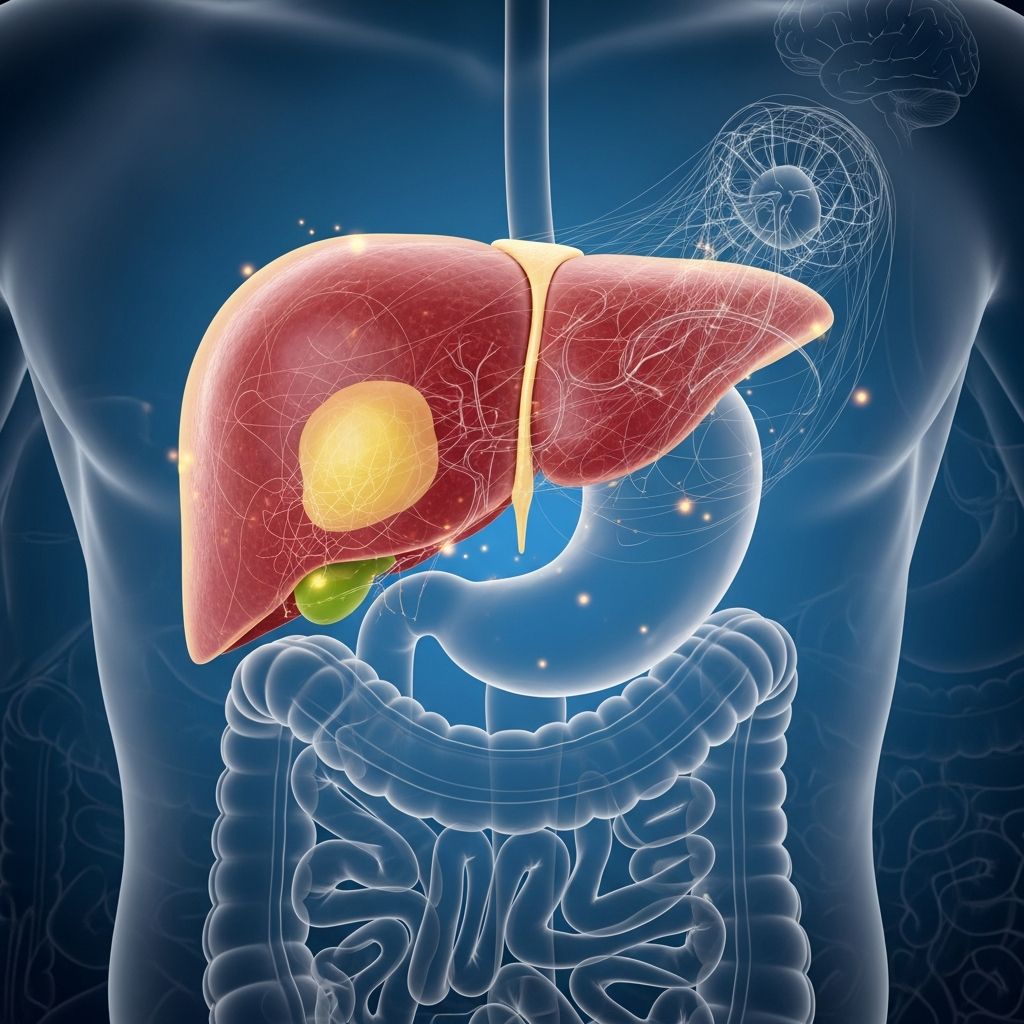
Hepatic encephalopathy is a serious medical condition that develops when the liver becomes unable to filter toxins effectively from the bloodstream. The term “encephalopathy” refers to brain dysfunction, while “hepatic” means liver-related. When severe liver disease or dysfunction occurs, toxic substances—particularly ammonia from the intestines—accumulate in the blood and travel to the brain, causing impaired cognitive function and neuropsychiatric symptoms. This condition represents one of the most concerning complications of advanced liver disease and requires prompt medical attention and appropriate management.
Hepatic encephalopathy describes a spectrum of potentially reversible neuropsychiatric abnormalities seen in patients with liver dysfunction. The full reversibility of symptoms after improvement of liver function is considered direct proof of the causal relationship between liver dysfunction and brain impairment. However, recent research suggests that even a single episode of hepatic encephalopathy may be associated with persistent cognitive defects, indicating this condition may not be truly completely reversible in all cases.
The West Haven Criteria: Grading System for Hepatic Encephalopathy
The West Haven Criteria is the most commonly used grading system by healthcare providers to classify and monitor hepatic encephalopathy severity. This classification system grades symptoms on a scale from 0 to 4, allowing medical professionals to track disease progression and adjust treatment accordingly. The severity grades help determine the urgency of intervention and guide treatment decisions.
| Grade | Consciousness Level | Intellect & Behavior | Neurologic Findings |
|---|---|---|---|
| 0 | Normal | Normal | Normal examination; if impaired psychomotor testing, consider minimal hepatic encephalopathy (MHE) |
| 1 | Mild lack of awareness | Shortened attention span, sleep disturbances | Impaired addition or subtraction; mild asterixis or tremor |
| 2 | Lethargic or apathetic | Disoriented to time; inappropriate behavior | Asterixis present; ataxia; slurred speech |
| 3 | Somnolent but arousable | Confused; amnesia; personality changes | Rigidity; tremor; hyperreflexia; positive Babinski sign |
| 4 | Comatose; may not respond to painful stimuli | No pupillary responses; no corneal reflexes | Decerebrate posturing |
Covert vs. Overt Hepatic Encephalopathy
Hepatic encephalopathy is classified into two main categories based on symptom visibility and clinical presentation. Stages 0 to 1 are sometimes called minimal hepatic encephalopathy (MHE) or covert HE, where symptoms may not be outwardly noticeable to casual observation. These early stages require careful assessment through patient history, physical examination, and specialized neuropsychological testing to detect cognitive or neurophysiological abnormalities.
Stages 2 to 4 are classified as overt hepatic encephalopathy, which features more obvious and clinically apparent symptoms. Any symptoms of overt hepatic encephalopathy are serious medical emergencies that require immediate treatment to prevent progression to permanent damage, coma, or death. The transition from covert to overt encephalopathy represents a critical point where clinical intervention becomes urgent.
Types of Hepatic Encephalopathy
Healthcare providers define different types of hepatic encephalopathy based on the underlying cause of liver dysfunction. Understanding these classifications helps guide appropriate treatment strategies and prognostic assessment.
Type A: Acute Hepatic Encephalopathy
Type A hepatic encephalopathy is caused by acute liver failure, which represents a sudden loss of liver function due to severe liver injury occurring over days or weeks. Common causes include viral infections (such as hepatitis A, B, C, E, and herpes simplex), autoimmune liver disease, acetaminophen poisoning, and other acute toxins. A frequent and serious side effect of acute hepatic encephalopathy is cerebral edema, which is swelling of the brain tissue that may significantly contribute to the severity of neurological symptoms. Acute liver failure is considered a medical emergency, and some cases may require urgent liver transplantation to save the patient’s life.
Related Stories



Type B: Portal-Systemic Encephalopathy
Type B hepatic encephalopathy occurs due to portal-systemic shunting without associated cirrhosis or with extrahepatic portal hypertension. This type includes cases where patients have a transjugular intrahepatic portosystemic shunt (TIPS), which is a procedure used to reduce portal pressure in patients with portal hypertension. The shunt creates an abnormal connection that allows blood to bypass the liver’s filtering mechanisms.
Type C: Hepatic Encephalopathy Associated with Cirrhosis
Type C hepatic encephalopathy is associated with cirrhosis and portal hypertension. Cirrhosis represents end-stage liver disease characterized by permanent scarring and loss of liver function. This is the most common type of hepatic encephalopathy seen in clinical practice. Type C can present as either acute episodes or as chronic, recurrent, or persistent manifestations depending on the severity of the underlying cirrhosis and the presence of precipitating factors.
Symptoms and Clinical Presentation
The symptoms of hepatic encephalopathy vary depending on the severity grade, ranging from subtle cognitive changes to profound neurological dysfunction. In the earliest stages (Grade 0-1), symptoms may be barely noticeable and include mild memory impairment, shortened attention span, sleep pattern disturbances (such as excessive daytime sleepiness or nighttime insomnia), and subtle behavioral changes. Patients and their families may not immediately recognize these symptoms as signs of a serious condition.
As hepatic encephalopathy progresses to moderate severity (Grade 2), symptoms become more apparent and include disorientation to time and place, lethargy or apathy, inappropriate or rude behavior, poor judgment, and slurred or difficult speech. Asterixis, commonly described as a “flapping tremor” of the hands when arms are extended, becomes noticeable during neurological examination.
In severe stages (Grade 3), patients experience significant confusion, personality changes, amnesia, inability to perform basic self-care tasks, severe drowsiness, involuntary movements, and difficulty with coordination. Grade 4 represents a medical emergency characterized by coma where patients may not respond to painful stimuli and require intensive care monitoring and supportive measures.
Diagnosis of Hepatic Encephalopathy
A hepatologist or gastroenterologist typically diagnoses hepatic encephalopathy through a comprehensive clinical approach that involves exclusion of other causes of encephalopathy, identification of precipitating factors, and response to empiric treatment. The diagnostic approach comprises several key components:
Clinical Assessment
The healthcare provider obtains a detailed patient history and performs a thorough physical examination. They assess mental status, cognitive function, and neurological findings. In patients with known liver disease or cirrhosis who present with neuropsychiatric manifestations, hepatic encephalopathy should be considered as a primary diagnosis in the absence of another obvious brain disorder.
Laboratory Abnormalities
Laboratory tests typically reveal evidence of hepatic biochemical and synthetic dysfunction, including elevated liver enzymes, elevated bilirubin, prolonged prothrombin time, and decreased albumin. Electrolyte disturbances such as hyponatremia (low sodium) and hypokalemia (low potassium) are frequently observed. Ammonia is the best characterized neurotoxin that precipitates hepatic encephalopathy, and elevated blood ammonia levels support the diagnosis. However, serial ammonia measurements are not routinely advised for clinical decision-making, as there is frequently a significant temporal disconnect between blood ammonia levels and actual brain function.
Diagnostic Criteria for Minimal Hepatic Encephalopathy
The diagnostic criteria for minimal hepatic encephalopathy have not been standardized but rest on careful patient history and physical examination, normal mental status examination, demonstration of abnormalities in cognition and/or neurophysiological function, and exclusion of concomitant neurological disorders. No consensus on diagnostic criteria or diagnostic tests has been established among experts.
Empiric Treatment Trial
A rapid response to empiric treatment for hepatic encephalopathy confirms the diagnosis, whereas lack of response within 72 hours indicates that further diagnostic options should be considered. Additional testing is usually not required or helpful for diagnosis once other causes have been excluded.
Differential Diagnosis
Distinguishing hepatic encephalopathy from other acute and chronic causes of altered mental status may be challenging in patients with cirrhosis. Several other conditions can present with similar neuropsychiatric symptoms and must be excluded:
Neurological Causes: Intracranial lesions such as subdural hematoma, intracranial bleeding, stroke, tumor, and brain abscess can mimic hepatic encephalopathy. Infections including meningitis, encephalitis, and intracranial abscess must be ruled out.
Metabolic Causes: Metabolic encephalopathy may result from hypoglycemia, electrolyte imbalance, anoxia, hypercarbia, or uremia. These conditions require different treatment approaches.
Other Considerations: Seizures, hallucinations, and falls are not uncommonly seen with hepatic encephalopathy itself, which can complicate differentiation. A decision to perform additional neurologic studies should be based on the severity of mental dysfunction and the presence of focal neurologic findings, which are observed infrequently in pure hepatic encephalopathy.
Treatment Approaches for Hepatic Encephalopathy
Treatment for hepatic encephalopathy includes multiple complementary strategies aimed at addressing the underlying liver dysfunction, identifying and treating precipitating factors, and managing symptoms. The main objectives in treatment are fourfold: providing supportive care, correcting precipitating factors, addressing ammonia metabolism, and assessing the need for liver transplantation.
Supportive Care
Standard supportive care is required for all hospitalized patients with hepatic encephalopathy. Patient safety and frequent bedside monitoring of mental status are crucial components of management. This may require additional nursing personnel and, in the case of comatose patients, admission to the intensive care unit, endotracheal intubation, or both. Although temporary restriction of dietary protein may be necessary during acute episodes, patients with hepatic encephalopathy should avoid prolonged periods of fasting, as adequate nutritional support is important for recovery.
Correcting Precipitating Factors
Healthcare providers must identify and treat precipitating factors that have triggered or worsened hepatic encephalopathy. Common precipitants include hypovolemia (fluid depletion), metabolic disturbances (electrolyte imbalances), gastrointestinal bleeding, infections (including spontaneous bacterial peritonitis, urinary tract infections, and pneumonia), constipation, medication use, and renal failure. Correcting these underlying problems is essential for clinical improvement.
Medication Management
Healthcare providers should avoid medications that depress central nervous system function, especially benzodiazepines and narcotics, as these can worsen hepatic encephalopathy. Patients with severe agitation and hepatic encephalopathy may receive haloperidol as a sedative when necessary, though other medications directed towards lowering gut nitrogen load and serum ammonia levels are preferred.
Therapeutic Agents for Ammonia Reduction
Many therapeutic agents are available for managing hepatic encephalopathy, most of which are directed towards lowering the gut nitrogen load and thus reducing serum ammonia levels. These medications address the biochemical basis of encephalopathy and help restore normal brain function.
Treatment for Liver Failure and Portosystemic Shunts
For acute or chronic liver failure, there is often no direct treatment of the liver failure itself. Healthcare providers focus on reducing stress factors affecting the liver and offering supportive care to address symptoms and complications. If deemed necessary, patients are placed on waiting lists for liver transplantation. For portosystemic shunts, providers may use interventional radiology techniques to redirect blood flow and reduce the shunt’s effects on ammonia metabolism.
Prognosis and Long-Term Outcomes
The development of overt hepatic encephalopathy carries a poor prognosis, with a 1-year survival of approximately 40% in untreated cases. This sobering statistic underscores the severity of the condition and the importance of early recognition and aggressive management. Appropriate candidates should be referred to transplant centers after the first episode of overt encephalopathy of any type.
Both acute and chronic hepatic encephalopathy, once advanced to stage 4 (coma), is associated with an 80% overall mortality rate, making prevention of progression to this stage absolutely critical. Even though hepatic encephalopathy is potentially reversible when the underlying liver dysfunction improves, the true prevalence of this condition is not well defined but is estimated to involve up to 60% of patients with cirrhosis.
Frequently Asked Questions About Hepatic Encephalopathy
Q: What is the difference between minimal hepatic encephalopathy and overt hepatic encephalopathy?
A: Minimal hepatic encephalopathy (stages 0-1) involves subtle cognitive and neuropsychological changes that may not be immediately noticeable to casual observation, while overt hepatic encephalopathy (stages 2-4) presents with obvious clinical symptoms including disorientation, confusion, sleep disturbances, and in severe cases, coma. Both require medical evaluation and treatment.
Q: Can hepatic encephalopathy be reversed?
A: Yes, hepatic encephalopathy is potentially reversible with appropriate treatment of the underlying liver dysfunction and identification and correction of precipitating factors. However, recent evidence suggests that even a single episode may cause some persistent cognitive effects, so the condition is not necessarily completely reversible in all cases.
Q: What role does ammonia play in hepatic encephalopathy?
A: Ammonia is the best characterized neurotoxin that precipitates hepatic encephalopathy. When the liver cannot adequately filter ammonia from the blood, toxic levels accumulate and travel to the brain, causing cognitive and neurological dysfunction. Treatment focuses on reducing ammonia levels through various therapeutic approaches.
Q: How urgent is the treatment of hepatic encephalopathy?
A: Treatment urgency depends on the severity grade. Any symptoms of overt hepatic encephalopathy (grades 2-4) require immediate medical attention. Grade 3 symptoms including severe drowsiness, confusion, disorientation, and involuntary movements demand especially urgent treatment to prevent progression to coma or death.
Q: What is the role of liver transplantation in hepatic encephalopathy?
A: Appropriate candidates with hepatic encephalopathy should be referred to transplant centers after the first episode of overt encephalopathy. Liver transplantation offers the best long-term outcome for patients with end-stage liver disease and recurrent or persistent hepatic encephalopathy, though it carries its own risks and requires lifelong immunosuppression.
References
- Hepatic Encephalopathy: Symptoms, Causes, Grading & Treatment — Cleveland Clinic. 2024. https://my.clevelandclinic.org/health/diseases/21220-hepatic-encephalopathy
- Evidence-based approach to management of hepatic encephalopathy — PubMed Central/National Institutes of Health. 2022. https://pubmed.ncbi.nlm.nih.gov/35646276/
- Hepatic Encephalopathy: Symptoms and Causes — Mayo Clinic. 2024. https://www.mayoclinic.org/diseases-conditions/hepatic-encephalopathy/symptoms-causes/syc-20583828
- Hepatic Encephalopathy: Symptoms, Stages, and Outlook — Healthline. 2024. https://www.healthline.com/health/hepatic-encephalopathy-2
- Hepatic Encephalopathy Definition and Diagnosis — Cleveland Clinic Department of Digestive Disease. 2024. https://my.clevelandclinic.org/departments/digestive/medical-professionals/hepatology/hepatic-encephalopathy
Similar Articles








Read full bio of Sneha Tete