Hepatic Veins: Anatomy, Function & Disorders
Explore the anatomy, function, and common disorders of hepatic veins and their impact on liver health.
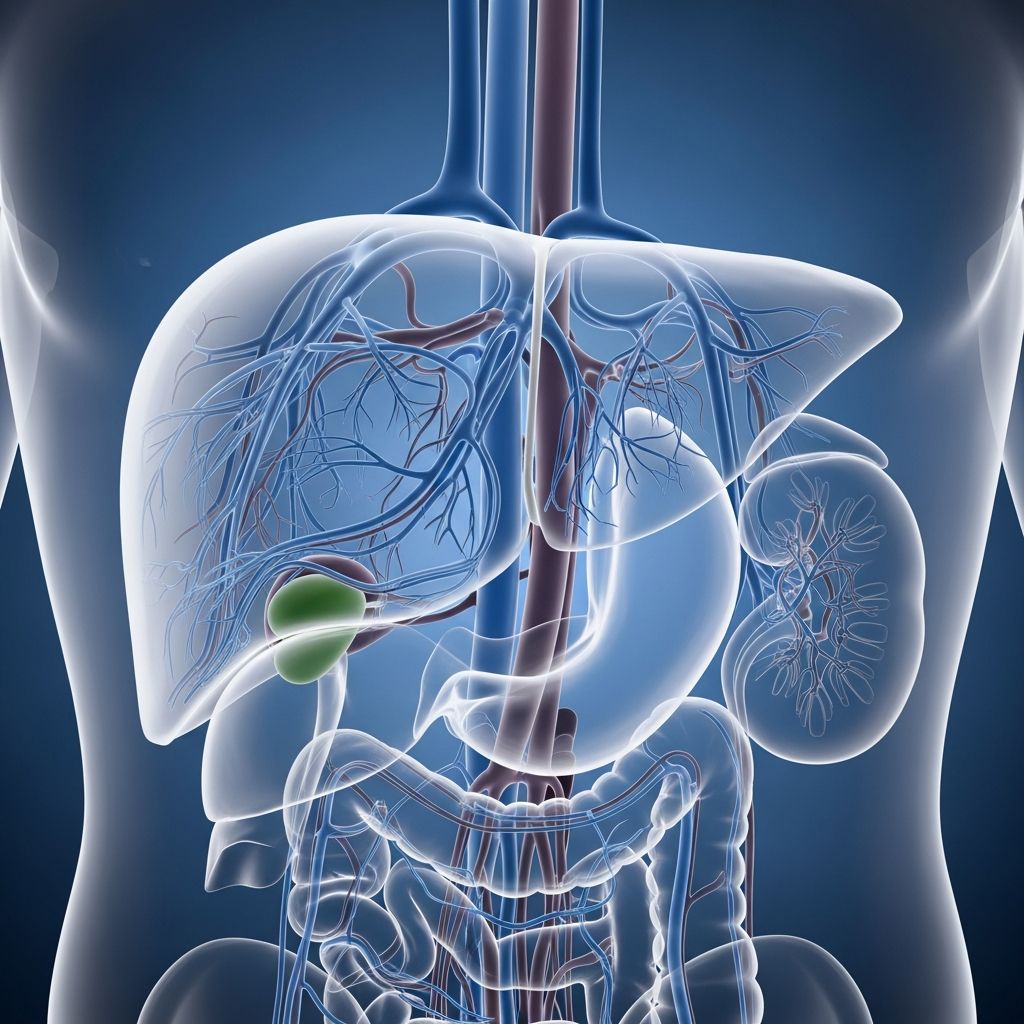
What Are Hepatic Veins?
The hepatic veins are a group of blood vessels located within the liver. Their primary function is to drain oxygen-poor blood from the liver and transport it to the inferior vena cava (IVC), which then carries the blood back to the heart. This process is essential for maintaining healthy circulation and ensuring the liver can efficiently process waste and toxins.
Location and Anatomy of Hepatic Veins
The hepatic veins are situated in the liver and travel through its eight anatomical segments. These segments are organized into four sectors: right anterior, right posterior, left medial, and left lateral. The hepatic veins mark the boundaries of these sectors and are crucial for the structural organization of the liver.
There are three major hepatic veins:
- Right Hepatic Vein: Drains blood from segments VI and VII.
- Middle Hepatic Vein: Drains blood from segments IV, V, and VIII.
- Left Hepatic Vein: Drains blood from segments II and III.
The right hepatic vein typically enters the IVC independently, while the middle and left hepatic veins often merge to form a common trunk before draining into the IVC. However, anatomical variations are common and can include:
- A large inferior right accessory vein draining directly into the IVC.
- A small accessory vein from segment VII draining into the IVC.
- Branching of segmental veins close to the hepatocaval confluence.
- Duplication of the right hepatic vein.
These variations are generally harmless but are important for surgeons to identify before procedures such as liver transplantation or resection.
Function of Hepatic Veins
The hepatic veins play a vital role in the circulatory system by draining blood that has been processed by the liver. This blood is oxygen-poor and contains waste products that have been filtered out by the liver. The hepatic veins transport this blood to the IVC, which then sends it to the heart for re-oxygenation.
Within the liver, the hepatic veins collect blood from the central veins, which are tiny vessels that gather blood from the liver’s capillaries. The hepatic veins then exit the liver and enter the IVC near the spine, just below the diaphragm.
Portal Vein vs. Hepatic Vein
It’s important to distinguish between the portal vein and the hepatic veins:
- Portal Vein: Part of the portal venous system, which drains blood from organs in the abdomen (such as the stomach, intestines, and spleen) and sends it to the liver for processing.
- Hepatic Veins: Not part of the portal venous system. They carry blood that has already been processed by the liver and deliver it to the IVC.
Common Disorders of Hepatic Veins
Several disorders can affect the hepatic veins, with the most notable being Budd-Chiari syndrome.
Budd-Chiari Syndrome
Budd-Chiari syndrome occurs when blood clots form in the hepatic veins, causing them to narrow or become blocked. This obstruction leads to a backup of blood in the liver, resulting in congestion and disruption of the liver’s blood vessel network.
Related Stories



Symptoms of Budd-Chiari syndrome include:
- Abdominal pain
- Swelling in the abdomen (ascites)
- Enlarged liver (hepatomegaly)
- Jaundice (yellowing of the skin and eyes)
- Leg swelling
Possible complications:
- Liver failure
- Portal hypertension
- Variceal bleeding
Diagnosis of Hepatic Vein Disorders
Healthcare providers diagnose hepatic vein issues through a combination of physical examination and imaging tests, such as:
- Ultrasound
- CT scan
- MRI
- Angiography
Treatment of Hepatic Vein Disorders
Treatment for hepatic vein disorders depends on the specific condition and its severity. Common approaches include:
- Medication to dissolve blood clots (thrombolytic therapy)
- Procedures to improve blood flow, such as angioplasty or stent placement
- Surgical interventions in severe cases
Maintaining Hepatic Vein Health
Keeping the hepatic veins and the rest of the circulatory system healthy is crucial for overall liver function. Here are some tips:
- Limit alcohol consumption
- Avoid tobacco use
- Exercise regularly
- Maintain a healthy diet
- Manage underlying health conditions, such as high blood pressure and diabetes
FAQs About Hepatic Veins
Q: What is the main function of the hepatic veins?
A: The hepatic veins drain oxygen-poor blood from the liver and transport it to the inferior vena cava, which sends it back to the heart.
Q: What are the three major hepatic veins?
A: The three major hepatic veins are the right hepatic vein, middle hepatic vein, and left hepatic vein.
Q: What is Budd-Chiari syndrome?
A: Budd-Chiari syndrome is a condition where blood clots form in the hepatic veins, causing them to narrow or block, leading to liver congestion and potential complications.
Q: How are hepatic vein disorders diagnosed?
A: Hepatic vein disorders are diagnosed through physical examination and imaging tests such as ultrasound, CT scan, MRI, and angiography.
Q: What are some ways to maintain hepatic vein health?
A: Limiting alcohol, avoiding tobacco, exercising regularly, maintaining a healthy diet, and managing underlying health conditions can help maintain hepatic vein health.
References
- Hepatic Vein: Location, Anatomy & Function — Cleveland Clinic. 2023. https://my.clevelandclinic.org/health/body/hepatic-veins
- Liver Venous Deprivation Using Amplatzer Vascular Plug–Assisted — PMC. 2023. https://pmc.ncbi.nlm.nih.gov/articles/PMC10275680/
- Impact of Untreated Portal Vein Thrombosis on Pre and Post Liver — Annals of Hepatology. 2019. https://www.elsevier.es/en-revista-annals-hepatology-16-articulo-impact-untreated-portal-vein-thrombosis-S1665268119313018
Similar Articles








Read full bio of medha deb