Hepatitis A and E Treatment: Management & Care
Comprehensive guide to treating hepatitis A and E with supportive care and preventive strategies.

Hepatitis A and E Treatment: Understanding Your Options
Hepatitis A and hepatitis E are viral infections that affect the liver, but fortunately, both conditions are manageable with proper care and treatment strategies. While these infections share some similarities, understanding the differences in their treatment approaches is essential for patients and healthcare providers. This comprehensive guide covers the various treatment options, preventive measures, and when to seek emergency medical care.
Understanding Hepatitis A and E
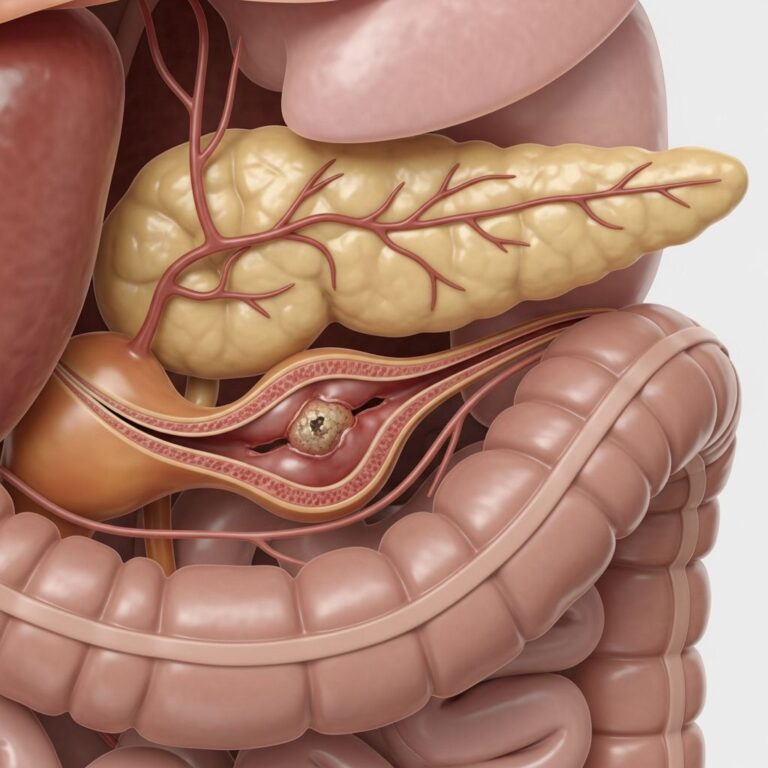
Hepatitis A and hepatitis E are both caused by viral infections that primarily affect liver function. Hepatitis A is transmitted through contaminated food and water or close personal contact with an infected individual, while hepatitis E spreads similarly but is more commonly found in areas with poor sanitation. Both viruses can cause acute hepatitis, characterized by inflammation of the liver, but neither typically leads to chronic infection in immunocompetent individuals.
Treatment Approach for Hepatitis A and E
The primary treatment strategy for both hepatitis A and hepatitis E focuses on supportive care rather than antiviral medications. There is no specific antiviral treatment that directly eliminates these viruses; instead, management concentrates on maintaining patient comfort and allowing the body’s immune system to clear the infection naturally.
Supportive Care Management
Supportive care forms the foundation of hepatitis A and E treatment. This approach includes several key components designed to help patients recover while minimizing complications:
– Adequate hydration: Maintaining proper fluid intake is crucial, especially when experiencing vomiting or diarrhea. Oral rehydration solutions can help replace lost electrolytes and fluids.- Nutritional support: Eating balanced meals that are easy to digest supports the body’s healing process. While appetite may be diminished during acute infection, maintaining adequate nutrition helps strengthen immune response.- Rest: Relative rest is recommended to allow the body to focus energy on fighting the infection and recovering from liver inflammation.- Symptom management: Treatment of nausea, vomiting, and diarrhea through appropriate medications can improve comfort and reduce complications.- Antipyretics for fever: Temperature management can be achieved through fever-reducing medications, though careful medication selection is necessary.
Medications to Avoid
During hepatitis A and E infection, certain medications should be strictly avoided due to their potential to cause additional liver damage. Most importantly, acetaminophen (paracetamol) and alcohol must be avoided, as these substances can significantly stress the liver during recovery. Patients should discuss all medications and supplements with their healthcare provider before use, as many substances are processed by the liver and could cause harm during infection.
Experimental and Emerging Treatments
While traditional supportive care remains the standard approach, researchers have investigated several emerging treatment options that may show promise for future use.
Interferon Therapy
Some studies have examined interferon-based regimens, particularly interferon-alpha and interferon-beta, for treating severe cases of hepatitis A. Early research demonstrated in vitro inhibition of viral replication, and limited clinical reports showed improvement in liver function among patients with fulminant hepatitis A. However, these treatments are not yet standard recommendations and remain largely investigational.
Related Stories



Corticosteroid Therapy
Corticosteroids have been investigated as complementary therapy for acute hepatitis A, based on evidence that immune system activation contributes to liver injury. A significant clinical study demonstrated that children with fulminant hepatitis A receiving corticosteroids (prednisolone 1 mg/kg/day or methylprednisolone 0.8 mg/kg/day) had substantially improved outcomes, with only 3 deaths compared to 11 deaths in the control group. Additionally, corticosteroids have shown promise in reducing the risk of prolonged cholestasis (bile flow obstruction) after acute hepatitis A, helping reduce bilirubin levels and itching.
Novel Antiviral Agents
Researchers have identified several molecules that demonstrate potential in laboratory studies. These include AZD 1480, zinc chloride, and heme oxygenase-1 upregulation, all of which have shown viral replication reduction in vitro. Zinc chloride, in particular, suppressed hepatitis A viral replication up to 62% in infected human hepatoma cells, with enhanced effectiveness when combined with interferon-alpha. However, these remain experimental options requiring further clinical validation.
Prevention Through Vaccination
Vaccination represents the most effective strategy for preventing hepatitis A infection. The inactivated hepatitis A vaccine has demonstrated exceptional safety and efficacy profiles worldwide.
Vaccine Types and Schedules
Two primary single-antigen hepatitis A vaccines are available: Havrix and Vaqta. A combination vaccine, Twinrix, combines hepatitis A and B antigens for simultaneous protection against both viruses. Vaccine effectiveness reaches 94% for Havrix after two doses and 100% for Vaqta after one dose, with long-term data suggesting lifelong immunity following the complete series.
| Vaccine Name | Age Group | Dose | Number of Doses | Schedule |
|---|---|---|---|---|
| Havrix | 12 months to 18 years | 360 ELISA units per 0.5 mL | 2 | 0 and 6 to 12 months |
| Havrix | 18 years and older | 1,440 ELISA units per mL | 2 | 0 and 6 to 12 months |
| Vaqta | 12 months to 18 years | 25 U per 0.5 mL | 2 | 0 and 6 to 18 months |
| Vaqta | 18 years and older | 50 U per mL | 2 | 0 and 6 to 18 months |
| Twinrix (A and B) | 18 years and older | 720 ELISA units/20 mcg per mL | 3 | 0, 1, and 6 months |
Post-Exposure Prophylaxis
Post-exposure prophylaxis is recommended for unvaccinated individuals who have had significant exposure to people with hepatitis A within the preceding two weeks. Inactivated vaccines administered by intramuscular injection provide protection, with seroconversion achieved in 95% of individuals after the first dose and 100% after the second dose. Antibody production begins approximately one week after vaccination.
Immune Globulin Administration
For certain populations, immune globulin (Gamastan) provides passive immunization through the introduction of anti-hepatitis A antibodies. This option is recommended for specific groups:
– Children younger than 12 months- Persons with contraindications to hepatitis A vaccine- Individuals older than 40 years with chronic liver disease (combined with vaccine)- Immunocompromised persons older than 6 months (combined with vaccine)
When to Seek Emergency Care
While most cases of hepatitis A and E resolve within six months without lasting liver damage, severe complications can occur. Hospitalization becomes necessary if fulminant hepatic failure develops, characterized by acute mental status changes, new coagulopathy (bleeding disorders), or severe liver dysfunction. In rare cases of acute liver failure, liver transplantation may be considered as a life-saving intervention.
Expected Recovery Timeline
Recovery from hepatitis A and E varies by individual and infection severity. In most cases of hepatitis A, the liver heals within six months with no permanent damage. However, recovery from symptoms following infection may be slow, taking several weeks to months. Some individuals may experience prolonged fatigue even after laboratory values normalize.
Frequently Asked Questions
Q: Is there a cure for hepatitis A?
A: There is no specific antiviral cure for hepatitis A. The body’s immune system naturally clears the virus over time. Treatment focuses on supportive care to manage symptoms while allowing recovery.
Q: How long does hepatitis A last?
A: Most cases of hepatitis A resolve within six months. However, symptoms may persist for several weeks to months, and some individuals experience prolonged fatigue during recovery.
Q: Can I prevent hepatitis A through vaccination?
A: Yes, hepatitis A vaccination is highly effective at preventing infection. The inactivated vaccine provides 94-100% protection depending on the specific vaccine used, with evidence suggesting lifelong immunity.
Q: What should I avoid during hepatitis A infection?
A: Avoid alcohol and acetaminophen (paracetamol), as these substances can cause additional liver damage. Discuss all medications with your healthcare provider before use.
Q: Does hepatitis A become chronic?
A: No, hepatitis A does not cause chronic infection in immunocompetent individuals. The virus is cleared by the body, and immunity develops after recovery.
Q: What is the difference between post-exposure prophylaxis and vaccination?
A: Post-exposure prophylaxis is an emergency measure after known exposure to hepatitis A virus, providing rapid immune response. Routine vaccination is preventive, building immunity before potential exposure.
Summary and Key Takeaways
Hepatitis A and E are treatable viral infections managed primarily through supportive care rather than specific antiviral medications. The body’s immune system naturally clears both viruses, typically achieving full recovery within six months in most cases. Key treatment components include adequate hydration, nutrition, rest, and symptom management, while avoiding hepatotoxic substances like alcohol and acetaminophen. Vaccination remains the most effective prevention strategy, offering 94-100% protection with evidence of lifelong immunity. For individuals exposed to hepatitis A, post-exposure prophylaxis through vaccination or immune globulin can prevent infection if administered promptly. While emerging treatments like corticosteroids and novel antivirals show promise in research settings, they remain investigational for routine use. Patients should maintain close communication with healthcare providers, avoid unnecessary medications, and seek emergency care if signs of acute liver failure develop.
References
- Treatment Options for Hepatitis A and E: A Non-Systematic Review — National Center for Biotechnology Information (NCBI). 2023-05-15. https://pmc.ncbi.nlm.nih.gov/articles/PMC10221699/
- Hepatitis A — American Academy of Family Physicians (AAFP). 2021-10-00. https://www.aafp.org/pubs/afp/issues/2021/1000/p368.html
- Hepatitis A — World Health Organization (WHO). 2024-11-01. https://www.who.int/news-room/fact-sheets/detail/hepatitis-a
- Hepatitis A, B, and C: Learn the Differences — Immunize.org. 2024-01-15. https://www.immunize.org/
- Hepatitis A — Diagnosis and Treatment — Mayo Clinic. 2024-06-01. https://www.mayoclinic.org/diseases-conditions/hepatitis-a/diagnosis-treatment/drc-20367055
Similar Articles








Read full bio of medha deb