Hepatitis A: Symptoms, Causes, Treatment
Understand hepatitis A: causes, symptoms, prevention, and treatment for this highly contagious liver infection.
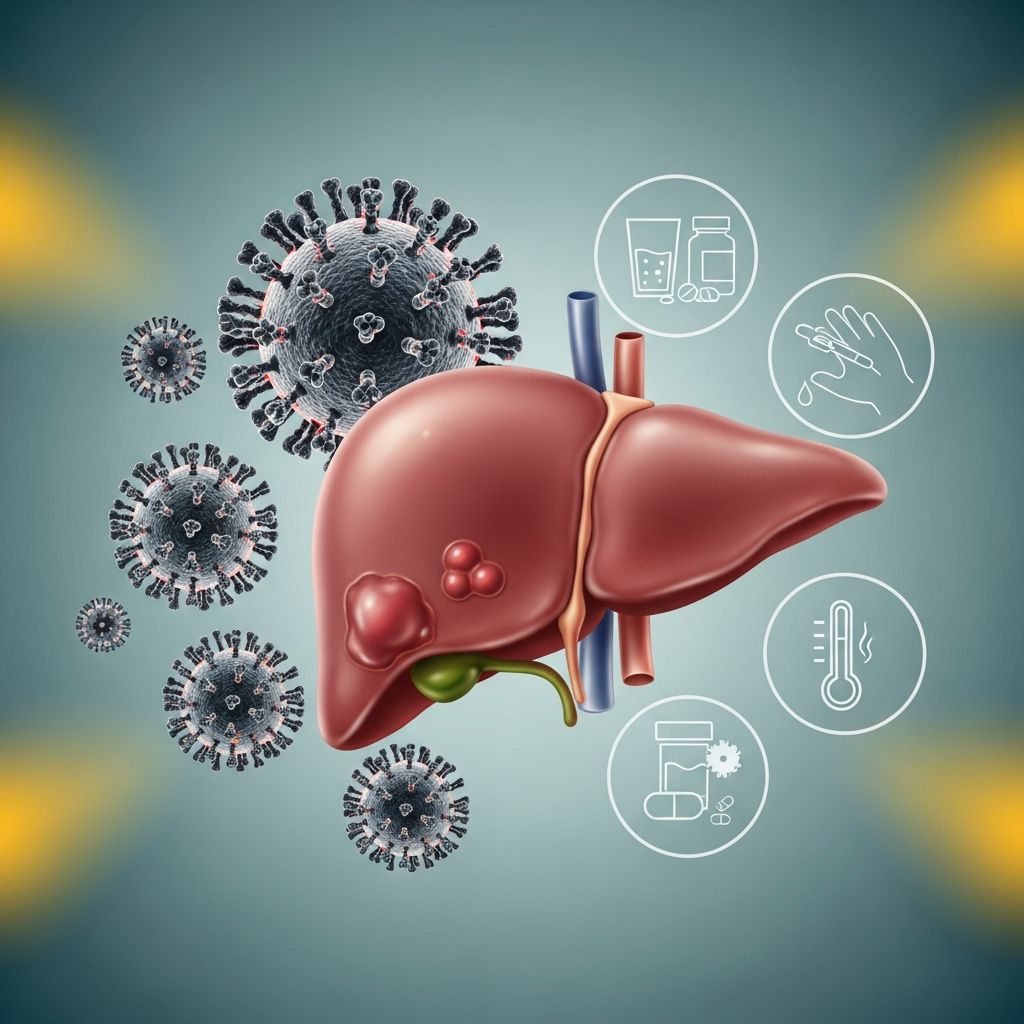
Hepatitis A is a highly contagious liver infection caused by the hepatitis A virus (HAV), leading to acute inflammation of the liver without causing chronic disease.
What Is Hepatitis A?
Hepatitis A, caused by an RNA picornavirus known as HAV, results in acute liver inflammation typically acquired through fecal-oral transmission. Unlike hepatitis B or C, it does not progress to chronic liver disease but can range from asymptomatic to severe, rarely fulminant cases. Humans are the only natural reservoir, with the virus stable in the environment for months under certain conditions but inactivated by heat above 85°C, formalin, or chlorine.
The disease closely links to poor sanitation, unsafe water, inadequate hygiene, and contaminated food. Globally, WHO estimated 7,134 deaths from hepatitis A in 2016, representing 0.5% of viral hepatitis mortality. Infection rates are low in high-resource countries but higher in developing areas and among high-risk groups like travelers, men who have sex with men (MSM), injection drug users, and isolated communities.
Symptoms of Hepatitis A
The incubation period averages 28 days (range 15-50 days). Symptoms vary by age: children under 6 often asymptomatic or mild, while over 70% of older children and adults develop jaundice and pronounced symptoms.
- Common prodromal symptoms: Fever, malaise, loss of appetite, diarrhea, nausea, abdominal discomfort.
- Jaundice phase: Yellowing of skin/eyes, dark urine, light stools.
- Duration: Typically 2 weeks to 2 months; 10-15% experience prolonged or relapsing symptoms up to 6 months.
Severe cases may involve cholestatic hepatitis (pruritus, elevated ALP/ GGT), with rare progression to fulminant hepatitis, especially in older adults or those with preexisting liver conditions. Relapse occurs in up to 10%, lasting under 3 weeks clinically but up to 12 months biochemically.
Causes and Risk Factors
HAV spreads primarily via ingestion of fecal-contaminated food/water or close contact like oral-anal sex. Peak infectivity is 2 weeks before and 1 week after symptom onset, with virus in feces before blood.
| Risk Factor | Description |
|---|---|
| Poor sanitation/hygiene | Unsafe water, inadequate facilities in developing regions. |
| Contaminated food | Raw shellfish, unwashed produce, undercooked foods. |
| High-risk behaviors | Injection drug use, MSM, close household contact. |
| Travel | Endemic areas with low vaccination coverage. |
| Age & health | Severe in adults >40 or with chronic liver disease. |
Casual contact does not transmit HAV.
How Does Hepatitis A Spread?
Fecal-oral route dominates: infected individuals shed virus in stool, contaminating hands, food, water, or objects. After liver replication (10-12 days post-ingestion), virus appears in blood and bile. Outbreaks link to contaminated produce, frozen berries, or shellfish from polluted waters. Person-to-person spread occurs in households or via sexual contact.
Hepatitis A Diagnosis
Diagnosis relies on serology: IgM anti-HAV detectable 5-10 days pre-symptoms, persisting up to 6 months, confirming acute infection. IgG anti-HAV indicates past infection or vaccination, lifelong immunity. Elevated ALT (10-100x normal, often > AST), bilirubin, mild lymphocytosis; prolonged PT signals severity.
No routine stool HAV testing; exclude other hepatitides clinically. Cholestatic variant shows high ALP, GGT, bile acids.
Hepatitis A Treatment
No specific antiviral; supportive care manages symptoms. Most recover fully without permanent damage.
- Rest, hydration, nutrition.
- Antiemetics for nausea, analgesics for pain (avoid acetaminophen in severe cases).
- Hospitalization for fulminant hepatitis (rare, <1%).
- Monitor for relapse or complications like cholestasis.
Related Stories



Avoid alcohol, hepatotoxins during recovery.
Prevention and Vaccine
Vaccination is key: inactivated HAV vaccine provides >95% protection after 2 doses. Recommended for children, travelers, high-risk groups.
- Hygiene: Handwashing with soap, especially post-toilet/food prep.
- Food safety: Cook thoroughly, wash produce, avoid raw shellfish.
- Post-exposure: Vaccine or immune globulin within 2 weeks.
Improved sanitation reduces incidence in developed nations.
Complications
Generally self-limiting, but:
- Relapsing hepatitis (10%).
- Cholestatic (pruritus, 50%).
- Fulminant (acute liver failure, 0.1-0.35%, higher in elderly/preexisting disease).
- No chronicity or cirrhosis.
Epidemiology
Endemic in low-sanitation areas; outbreaks in high-risk groups. Declined in U.S. post-vaccination.
Frequently Asked Questions (FAQs)
What is the incubation period for hepatitis A?
A: Average 28 days (15-50 days).
Is hepatitis A curable?
A: Yes, acute and self-resolving; no chronic form.
Can you get hepatitis A twice?
A: No, lifelong immunity via IgG anti-HAV.
Who should get the hepatitis A vaccine?
A: Travelers, high-risk groups, children per schedule.
Does hepatitis A cause liver cancer?
A: No, unlike B/C; acute only.
References
- Hepatitis A Fact Sheet — World Health Organization. 2024-10-17. https://www.who.int/news-room/fact-sheets/detail/hepatitis-a
- Hepatitis A – Symptoms and Causes — Mayo Clinic. 2025-01-01. https://www.mayoclinic.org/diseases-conditions/hepatitis-a/symptoms-causes/syc-20367007
- Hepatitis A — StatPearls, NCBI Bookshelf, NIH. 2024-07-04. https://www.ncbi.nlm.nih.gov/books/NBK459290/
- Chapter 9: Hepatitis A — CDC Pink Book. 2024-11-19. https://www.cdc.gov/pinkbook/hcp/table-of-contents/chapter-9-hepatitis-a.html
Similar Articles








Read full bio of Sneha Tete