Hepatitis A Symptoms: Signs, Causes, Treatment, Prevention
Recognizing the signs of hepatitis A, from early fatigue to jaundice, and understanding diagnosis, treatment, and prevention strategies.
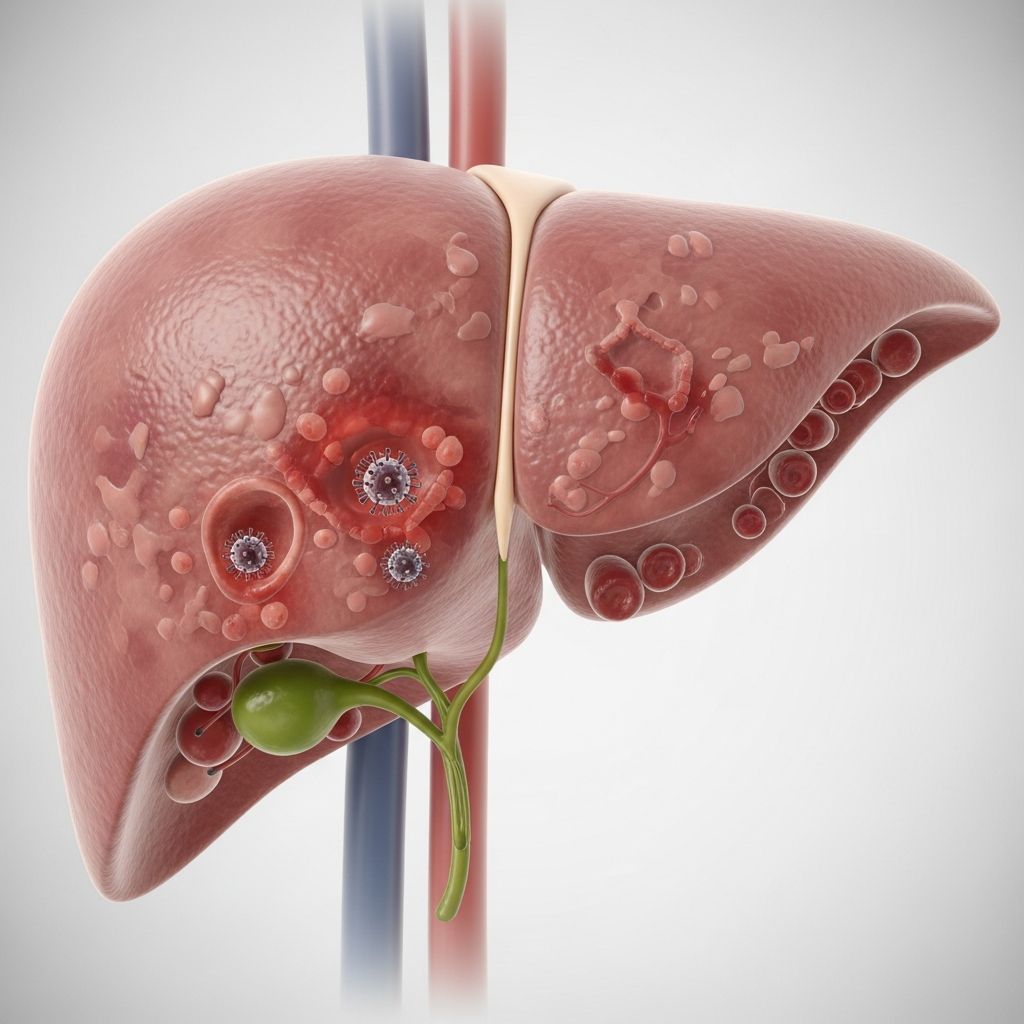
Hepatitis A is a highly contagious viral infection that inflames the liver, often spread through contaminated food, water, or close contact with an infected person. While many cases, especially in young children, remain asymptomatic, adults frequently experience symptoms ranging from mild fatigue to severe jaundice and liver distress.
What Is Hepatitis A?
Hepatitis A, caused by the hepatitis A virus (HAV), targets liver cells, leading to inflammation that impairs liver function. Unlike hepatitis B or C, it does not cause chronic liver disease; most people recover fully within weeks to months without lasting damage. The virus spreads via the fecal-oral route, thriving in areas with poor sanitation. Globally, it affects millions annually, though vaccination has reduced incidence in many regions.
The liver, the body’s largest internal organ, filters toxins, produces bile, and metabolizes nutrients. HAV disrupts these processes, causing symptoms that mimic other gastrointestinal illnesses initially. Infection is acute and self-limiting in over 99% of cases, but rare fulminant hepatitis can lead to liver failure, particularly in older adults or those with pre-existing conditions.
Hepatitis A Symptoms
Symptoms typically emerge 2-6 weeks after exposure, during the 15-50 day incubation period. Not everyone develops noticeable signs: about 70% of infected children under 6 show none, while 30% of adults may be asymptomatic. When present, symptoms progress from prodromal (early flu-like) to icteric (jaundice) phases.
Common early symptoms include:
- Fatigue and weakness: Profound tiredness affects 52-91% of symptomatic cases, often the first sign.
- Nausea, vomiting, and loss of appetite: Anorexia impacts 42-90%, with sudden gastrointestinal upset.
- Abdominal pain: Discomfort in the upper right quadrant (over the liver) occurs in about one-third of patients.
- Low-grade fever and malaise: General unwell feeling with mild fever.
Later symptoms signal liver involvement:
- Jaundice: Yellowing of skin and eyes in 40-80% of cases, more common in adults over 6.
- Dark urine and clay-colored stools: Due to bilirubin buildup; dark urine in 68-94%.
- Joint pain and muscle aches: Reported alongside headache and diarrhea.
- Intense itching (pruritus): In cholestatic cases from bile salt accumulation.
Symptoms last 2-8 weeks on average, resolving spontaneously. Severity increases with age: children often have mild or no illness, while adults face prolonged recovery.
Less Common Symptoms of Hepatitis A
Beyond core symptoms, hepatitis A can present atypical patterns in <5-10% of cases.
- Cholestatic hepatitis: Prolonged jaundice, pruritus, elevated alkaline phosphatase, and pale stools; resolves without intervention.
- Relapsing disease: Milder recurrence weeks after initial recovery, with persistent IgM antibodies and stool shedding.
- Fulminant hepatitis: Rare (<1%), causing acute liver failure with encephalopathy, coagulopathy, and high mortality; higher risk in elderly or chronic liver disease patients.
- Extrahepatic manifestations: Arthritis, rash, lymphadenopathy, or pleural effusion; splenomegaly in some.
Related Stories



Physical exam may reveal tender hepatomegaly, icterus, or scratch marks from itching. These variants underscore the need for medical evaluation if symptoms persist beyond two weeks.
Causes of Hepatitis A
HAV transmits fecal-orally: infected stool contaminates food, water, surfaces, or hands. Tiny viral amounts suffice; it survives months on surfaces but not via air or casual contact. Key transmission modes:
- Contaminated food/water: Undercooked shellfish, raw produce, or unpasteurized juices from endemic areas.
- Close personal contact: Household, sexual (oral-anal), or caregiving for infected individuals.
- Poor hygiene: Inadequate handwashing after toilet use or diaper changes.
Outbreaks link to restaurants, travel to high-risk regions (e.g., parts of Asia, Africa, Latin America), or injection drug use. Peak infectivity precedes symptoms by 2 weeks.
Hepatitis A Diagnosis
Diagnosis combines history, exam, and labs. Blood tests detect:
- Anti-HAV IgM: Indicates acute infection; rises post-exposure.
- Elevated liver enzymes (ALT/AST): >1000 IU/L possible; peaks early.
- Bilirubin and ALP: For jaundice/cholestasis.
Stool HAV RNA confirms early shedding, but rarely needed. Rule out other hepatitides (B/C, alcohol, drugs). Imaging (ultrasound) assesses liver if fulminant suspected.
Hepatitis A Treatment
No specific antiviral exists; treatment is supportive.
- Rest and hydration: Combat fatigue and prevent dehydration.
- Antiemetics: For nausea (e.g., ondansetron).
- Nutritious diet: Avoid alcohol/fatty foods; no special restrictions otherwise.
- Pruritus relief: Antihistamines or cholestyramine in cholestasis.
- Hospitalization: Rare, for fulminant cases (may need transplant).
Recovery typically full within 2 months; monitor liver function.
When to See a Doctor for Hepatitis A Symptoms
Seek care for persistent nausea, jaundice, severe pain, confusion, or bleeding—signs of complications. High-risk groups (travelers, outbreaks) should test early. Prompt diagnosis prevents spread.
Preventing Hepatitis A
Vaccination is key: two-dose series (Havrix/Vaqta) provides >95% protection; effective pre- and post-exposure. Recommended for:
| Group | Rationale |
|---|---|
| Travelers to endemic areas | High outbreak risk |
| Men who have sex with men | Increased close contact |
| Drug users | Poor hygiene/equipment |
| Daycare workers | Child fecal exposure |
| Chronic liver disease patients | Severe outcomes |
Other measures: Handwashing, safe water/food (boil/avoid raw), sanitation. Post-exposure vaccine within 2 weeks.
Frequently Asked Questions (FAQs)
Is hepatitis A contagious?
Yes, highly via fecal-oral route; most infectious 2 weeks before/1 week after symptoms.
Can you die from hepatitis A?
Rarely; fulminant failure in <1%, fatal without transplant. Overall mortality low.
Does hepatitis A go away on its own?
Yes, in nearly all cases; full immunity follows recovery.
Is there a vaccine for hepatitis A?
Yes, safe and highly effective; routine for children, travelers.
How long is hepatitis A contagious?
From ~2 weeks pre-symptoms to 1 week post-jaundice; longer in infants.
Can hepatitis A turn into chronic hepatitis?
No, always acute.
References
- Hepatitis A – Symptoms and causes — Mayo Clinic. 2023-10-03. https://www.mayoclinic.org/diseases-conditions/hepatitis-a/symptoms-causes/syc-20367007
- Hepatitis A: Symptoms, Causes and Treatments — Orlando Health. 2023-01-15. https://www.orlandohealth.com/content-hub/hepatitis-a-symptoms-causes-and-treatments/
- Hepatitis A — NCBI Bookshelf, StatPearls. 2023-07-17. https://www.ncbi.nlm.nih.gov/books/NBK459290/
- Hepatitis A — World Health Organization. 2024-04-22. https://www.who.int/news-room/fact-sheets/detail/hepatitis-a
- Hepatitis A Virus (HAV) — U.S. Food and Drug Administration. 2023-05-12. https://www.fda.gov/food/foodborne-pathogens/hepatitis-virus-hav
Similar Articles








Read full bio of Sneha Tete