Hepatitis B Surface Antigen (HBsAg) Screen Test
Understanding HBsAg screening: A quick blood test to detect hepatitis B virus infection.
What is HBsAg Screening?
HBsAg screening is a blood test that tells you if you have hepatitis B virus (HBV) in your blood. HBsAg stands for hepatitis B surface antigen, which is a protein found on the surface of the hepatitis B virus. This screening test is the most common and accurate way to detect hepatitis B virus infection and determine if you are contagious. A simple blood draw takes less than five minutes to complete, making it one of the quickest diagnostic tests available in healthcare settings.
When you test positive for HBsAg, it means you have the hepatitis B virus in your bloodstream and are contagious. This protein is what healthcare providers look for when screening for the presence of active hepatitis B infection. Understanding this test is crucial because hepatitis B is a serious viral infection that can lead to significant liver complications if left untreated.
Why You May Need HBsAg Screening
Your healthcare provider may recommend HBsAg screening for several important reasons. Understanding these reasons can help you appreciate the importance of getting tested when appropriate. The test is essential for protecting both your health and the health of others around you.
Common reasons for HBsAg screening include:
– Routine health screenings and annual check-ups- Exposure to someone with hepatitis B- Before starting certain medications or medical procedures- Pregnancy planning or during prenatal care- If you have symptoms suggesting hepatitis or liver disease- Healthcare worker or occupational exposure risk- Immigration or travel requirements- Drug use or sexual contact history- Family history of hepatitis B
How the Test Works
The Testing Procedure
HBsAg screening is a straightforward blood test that requires minimal preparation and causes minimal discomfort. Your healthcare provider will take a blood sample from a vein in your arm using a sterile needle. Most people experience only a slight prick or sting when the needle enters the vein. The entire blood draw process typically takes less than five minutes, allowing you to return to your normal activities immediately afterward.
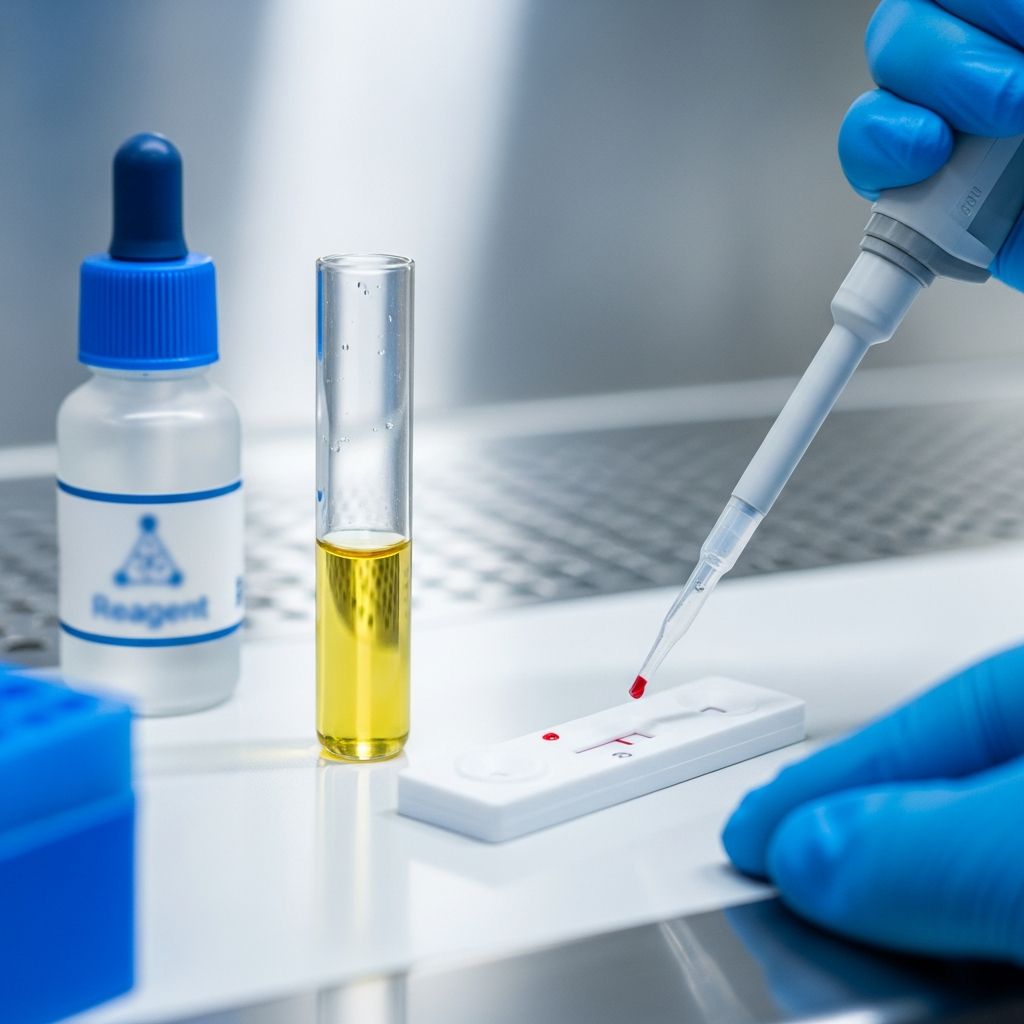
The blood sample is then sent to a laboratory where trained technicians and automated systems analyze it for the presence of hepatitis B surface antigen. The laboratory uses specialized equipment and validated methods to detect even small amounts of the antigen in your blood sample, ensuring accurate and reliable results.
Laboratory Analysis
At the laboratory, technicians perform several steps to analyze your blood sample. The sample is processed using immunoassay techniques that are designed to detect the HBsAg protein with high sensitivity and specificity. These sophisticated laboratory methods can identify the presence of the antigen even in early stages of infection when viral levels might be relatively low.
If the initial screening test is positive, a confirmatory test is typically performed to ensure accuracy. This confirmatory test helps eliminate false positives and provides definitive evidence of hepatitis B infection. The confirmatory process is a standard part of hepatitis B diagnostic protocols to ensure patients receive accurate diagnoses.
Related Stories



Preparation and What to Expect
Pre-Test Preparation
One of the advantages of HBsAg screening is that no special preparation is required. You do not need to fast, avoid certain foods, or take any special precautions before the test. You can eat and drink normally, take your regular medications, and maintain your usual daily routine. This accessibility makes HBsAg screening convenient for busy individuals who need quick diagnostic testing.
Simply arrive at your healthcare provider’s office or laboratory at your scheduled appointment time. Wear comfortable clothing that allows easy access to your arm for the blood draw. If you have questions about whether anything might affect your test results, discuss them with your healthcare provider beforehand.
During and After the Test
When you arrive for your appointment, a healthcare professional will confirm your identity and explain the testing procedure. You will sit in a comfortable chair, and the phlebotomist will clean the area of your arm where the blood will be drawn. You may feel a small prick when the needle enters your vein, but this discomfort is typically minimal and brief.
After the blood draw is complete, pressure is applied to the needle site to prevent bleeding, and a bandage is placed over the area. You can return to your normal activities immediately, including work, exercise, or other daily routines. There are no restrictions on your activities following the test.
Safety and Side Effects
HBsAg screening is a very safe procedure with no significant risks or side effects. The test does not expose you to hepatitis B virus and is not harmful to your overall health. Unlike some medical procedures, there is no infection risk from the test itself.
Like all blood draws, you may experience minor bruising or temporary discomfort at the needle site where blood was drawn. Some people develop a small bruise that typically fades within a few days. These minor side effects are temporary and resolve without intervention. If you have bleeding disorders or take blood-thinning medications, inform your healthcare provider before the test so they can take appropriate precautions.
Understanding Your Results
Positive Results
A positive or reactive result on your HBsAg confirmatory test means you have hepatitis B virus infection and are contagious. This finding indicates that the virus is present in your bloodstream. If you have received recent hepatitis B vaccinations, this should be communicated to your healthcare provider, as vaccine responses can sometimes cause temporary positive results.
A positive result requires follow-up testing and consultation with your healthcare provider. Additional tests may be performed to determine whether you have acute or chronic hepatitis B infection. Your healthcare team will discuss treatment options, monitoring requirements, and lifestyle modifications to protect your health and prevent transmission to others.
Negative Results
A negative result means you do not have an active hepatitis B virus infection. If you had no prior vaccinations, a negative result indicates you are susceptible to hepatitis B. If you have been vaccinated against hepatitis B, a negative HBsAg result is expected and indicates the vaccine has not caused infection.
If you are at ongoing risk for hepatitis B exposure, discuss with your healthcare provider whether hepatitis B vaccination is appropriate. Vaccination is an effective way to prevent infection if you are not already immune.
Result Timeline
The timeframe for receiving your HBsAg screening results varies depending on your healthcare facility and laboratory. In many cases, you can receive results within 24 hours. However, it can take up to three business days for complete results to be available. Ask your healthcare provider when you can expect your results during your appointment, as different laboratories may have different processing times.
Once your results are available, your healthcare provider will contact you to discuss the findings. If your results are positive, your provider will explain what this means and outline the next steps in your care plan. If you have questions about your results, do not hesitate to contact your healthcare provider for clarification.
What Happens After a Positive Result
If your HBsAg screening is positive, your healthcare team will develop an individualized care plan. Additional testing will likely be performed to determine your infection status and guide treatment decisions. These tests may include hepatitis B e antigen (HBeAg), hepatitis B antibodies, and hepatitis B DNA viral load testing.
Your healthcare provider will discuss treatment options if appropriate, lifestyle modifications to protect your liver, and monitoring schedules. It is important to understand that many people with hepatitis B can live healthy lives with proper medical management and monitoring. Your healthcare team is committed to providing the care and support you need.
Untreated hepatitis B can potentially cause liver damage, cirrhosis, or liver failure over time. However, with modern medical treatments and proper management, outcomes have improved significantly. Working closely with your healthcare provider ensures you receive appropriate care and monitoring to protect your long-term health.
The Importance of HBsAg Screening
HBsAg screening is a critical tool in hepatitis B detection and prevention. Because many people with hepatitis B have no symptoms in the early stages, screening is the only way to identify infection. Early detection allows for timely intervention and prevents serious liver complications.
This test also plays an important role in public health by identifying individuals who may transmit the virus to others. Healthcare workers, pregnant women, and people with occupational exposure benefit particularly from regular screening. Additionally, screening helps identify people who would benefit from hepatitis B vaccination to prevent future infection.
Frequently Asked Questions
Q: How long does an HBsAg screening take?
A: The blood draw itself takes less than five minutes. You do not need any preparation time, and you can return to normal activities immediately afterward. Laboratory analysis typically takes 24 hours to three business days.
Q: Is fasting required before HBsAg screening?
A: No, fasting is not required for HBsAg screening. You can eat and drink normally before your test and take your regular medications as prescribed.
Q: Can HBsAg screening give false positive results?
A: While initial screening tests can occasionally yield false positive results, a confirmatory test is typically performed to verify positive results. This two-step process helps ensure accuracy and eliminate false positives.
Q: What should I do if my HBsAg test is positive?
A: Contact your healthcare provider to discuss your results and next steps. Additional testing will likely be recommended to determine your infection stage. Your provider will develop an appropriate treatment and monitoring plan for your situation.
Q: Can I get hepatitis B from the HBsAg test itself?
A: No, the HBsAg test cannot give you hepatitis B. The test uses sterile equipment and does not involve contact with the hepatitis B virus. It is completely safe.
Q: How often should I get HBsAg screening?
A: Screening recommendations depend on your risk factors and medical history. If you are at risk for hepatitis B exposure, discuss appropriate screening frequency with your healthcare provider. Some guidelines recommend screening at least once during adulthood.
Q: Does hepatitis B vaccination affect HBsAg test results?
A: Recent hepatitis B vaccination should not cause a positive HBsAg result. However, inform your healthcare provider about recent vaccinations when taking the test to ensure proper result interpretation.
References
- Hepatitis B Surface Antigen (HBsAg) Screen — Cleveland Clinic. 2025-06-05. https://my.clevelandclinic.org/health/diagnostics/hbsag-screen
- Screening and Testing for Hepatitis B Virus Infection — Centers for Disease Control and Prevention (CDC). 2023. https://www.cdc.gov/mmwr/volumes/72/rr/rr7201a1.htm
- Common Tests for Liver Disease — Cleveland Clinic. 2025. https://my.clevelandclinic.org/departments/digestive/medical-professionals/hepatology/liver-tests
- Hepatitis B Virus (HBV) DNA, Quantitative PCR, Plasma/Serum — Cleveland Clinic Laboratories. 2025. https://clevelandcliniclabs.com/test/hepatitis-b-virus-hbv-dna-quantitative-pcr-plasma-serum/
- Hepatitis B — Cleveland Clinic. 2025. https://my.clevelandclinic.org/departments/digestive/medical-professionals/hepatology/hepatitis-b
- Antigen: What It Is, Function, Types, & Testing — Cleveland Clinic. 2025. https://my.clevelandclinic.org/health/diseases/24067-antigen
Similar Articles








Read full bio of medha deb