Hepatitis B: Symptoms, Transmission & Treatment
Understanding hepatitis B: From infection and symptoms to diagnosis and effective treatment options.
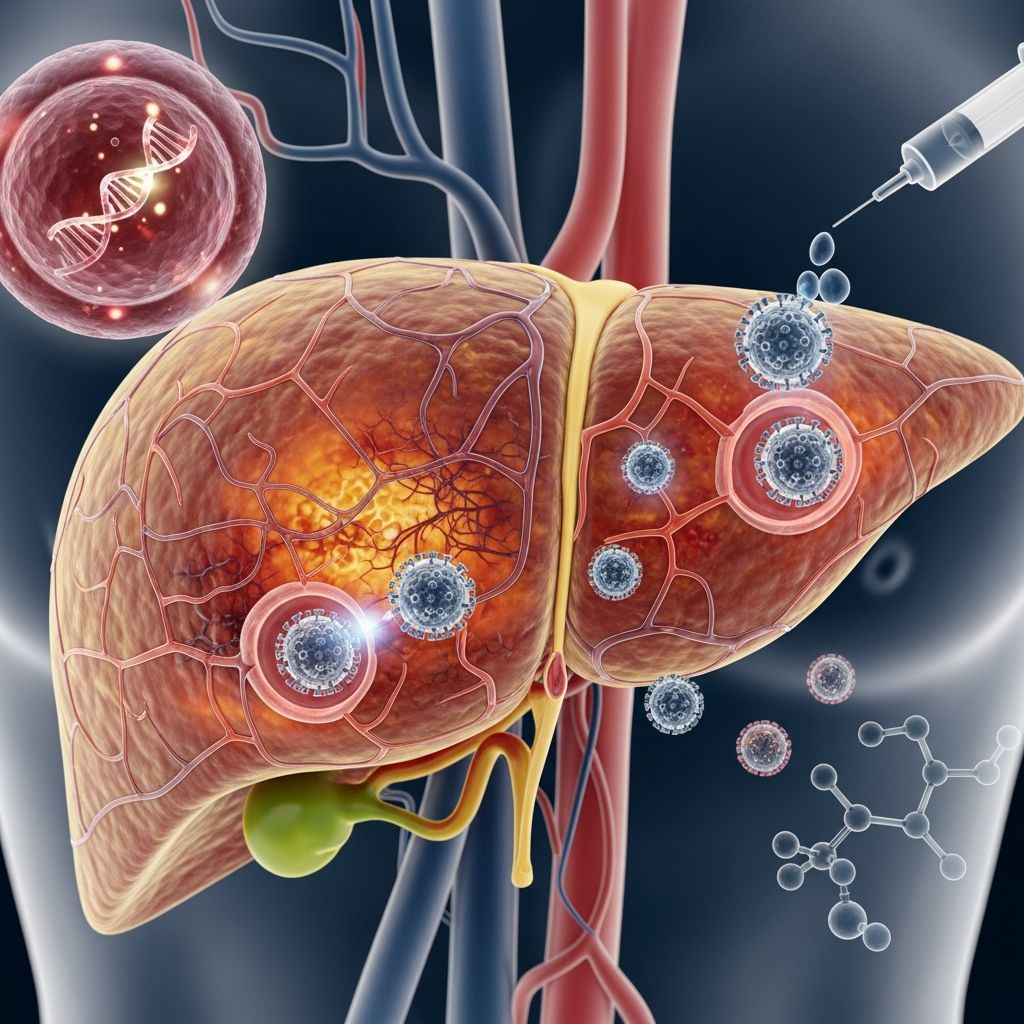
Hepatitis B is a viral infection that causes inflammation in your liver. It can be a brief illness that may not cause symptoms and goes away without treatment. However, some people develop a chronic form of the virus that can lead to serious complications. Understanding hepatitis B, including how it spreads, its symptoms, and available treatments, is essential for protecting your health and the health of those around you.
What Is Hepatitis B?
Hepatitis B is a viral infection caused by the hepatitis B virus (HBV) that damages your liver. The virus can cause inflammation in your liver tissues, leading to a range of symptoms from mild to severe. The infection occurs when you’re exposed to infected bodily fluids, such as blood, semen, or vaginal fluids. The acute form of the virus often goes away without treatment in most individuals. However, chronic hepatitis B is an incurable illness that requires ongoing management. While treatment cannot eliminate the virus completely, medication can reduce the risk that the virus will spread or cause serious complications like cirrhosis and liver failure.
How Does Hepatitis B Spread?
Hepatitis B spreads through exposure to infected bodily fluids. Understanding the transmission routes is crucial for prevention:
- Hepatitis B can spread through blood contact, including needle-sharing among intravenous drug users
- The virus spreads through saliva, semen, and vaginal fluids
- Unprotected sexual contact with someone who has the virus is a common transmission route
- Mother-to-child transmission during childbirth can occur
- Sharing personal items like razors or toothbrushes with an infected person
- Healthcare workers may be exposed through needle-stick injuries
- The virus does not spread through casual contact, sharing food or utensils, or through respiratory droplets
Symptoms of Hepatitis B
The symptoms of hepatitis B vary depending on whether you have acute or chronic infection. Many people with acute hepatitis B may not experience any symptoms at all. When symptoms do occur, they typically appear within 45 to 180 days after infection. Common symptoms include:
- Fatigue and weakness
- Abdominal pain or discomfort
- Jaundice (yellowing of the skin and eyes)
- Dark urine
- Pale or clay-colored stools
- Nausea and vomiting
- Loss of appetite
- Joint pain
Chronic hepatitis B often produces no symptoms for years, which is why screening is so important. Many people discover they have the infection only when routine testing reveals it.
Acute versus Chronic Hepatitis B
Understanding the difference between acute and chronic hepatitis B is essential for determining treatment approaches. Acute hepatitis B refers to the initial infection that typically lasts less than six months. Most people with acute hepatitis B recover completely without any long-term liver damage. However, the virus persists in a small percentage of adults, developing into chronic infection.
Chronic hepatitis B is defined as the persistence of hepatitis B surface antigen (HBsAg) in serum for at least 6 months. The clinical course of chronic hepatitis B varies considerably between individuals and even in the same person over time. The risk of developing chronic infection depends on the age and immune function of the patient at the time of initial infection. Infants and young children are at much higher risk of developing chronic infection than adults.
Related Stories



Diagnosis of Hepatitis B
Accurate diagnosis of hepatitis B requires specific laboratory tests that detect viral markers. The CDC recommends that everyone aged 18 and older have a hepatitis B test at least once during their lifetime. There are six laboratory tests of importance in diagnosing hepatitis B:
| Test | Abbreviation | Purpose |
|---|---|---|
| Hepatitis B surface antigen | HBsAg | Indicates current infection |
| Antibody to Hepatitis B surface antigen | Anti-HBs | Indicates immunity from vaccination or recovery |
| Antibody to hepatitis B core antigen | Anti-HBc | Indicates past or present infection |
| Hepatitis B e antigen | HBeAg | Indicates high viral replication |
| Antibody to HBeAg | Anti-HBe | Indicates lower viral replication |
| Hepatitis B virus DNA | HBV DNA | Measures viral load |
The three main serologic markers used to determine HBV infection status are hepatitis B surface antigen (HBsAg), antibody to hepatitis B surface antigen (anti-HBs), and antibody to hepatitis B core antigen (anti-HBc). The presence of HBsAg indicates HBV infection, either acute or chronic. Your healthcare provider will use these tests to determine your infection status and guide treatment decisions.
Interpreting Test Results
Acute Infection
- IgM HBc antibody positive
- HBsAb negative
- HBsAg positive
- HBV DNA-positive (usually)
Chronic Infection
- IgG HBc antibody positive
- HBsAb negative
- HBsAg positive
- HBV DNA positive (usually)
The serologic hallmarks of chronic hepatitis B include persistence of HBsAg and anti-HBc, but absence of anti-HBs. Those with chronic disease will have varying levels of circulating HBV DNA and liver inflammation.
Treatment Options
Treatment approaches differ significantly depending on whether you have acute or chronic hepatitis B.
Acute Hepatitis B Treatment
There is no specific antiviral treatment for acute hepatitis B. Instead, treatment is primarily supportive. Your provider may give you intravenous (IV) fluids if you experience excessive vomiting and diarrhea, as this prevents dehydration, which can cause serious complications. Most people with acute hepatitis B recover completely without residual liver injury or chronic infection. These individuals should be followed with repeat testing for HBsAg and ALT levels to determine whether seroconversion and clearance of surface antigen have occurred. An exception is made for individuals with fulminant hepatitis B (severe, acute liver failure), in which case antiviral therapy is usually initiated and a liver transplant may be contemplated.
Chronic Hepatitis B Treatment
Chronic hepatitis B treatment varies depending on your symptoms and your overall health. In chronic hepatitis B, therapy is administered to suppress viral replication and prevent progression of liver disease. Many treatment programs have been shown to be effective and have been approved by the FDA and other governmental health agencies around the world. Treatment options include:
- Antiviral medications: These medications suppress the replication of the hepatitis B virus and reduce the viral load in your blood. They work by inhibiting the enzyme that the virus needs to replicate. Each antiviral medication is excreted by the kidney, so dose reductions are required for those with impaired kidney function. These medications reliably cause remarkable reduction in viral loads and viral resistance is rare.
- Interferon therapy: This immune-boosting medication helps your body fight the virus
- Regular monitoring: Your healthcare provider will monitor your liver function and viral load to assess treatment effectiveness
Prophylactic Treatment and Post-Exposure Prophylaxis
Prophylactic treatment is medication given to prevent a disease before infection occurs. For unvaccinated individuals with a documented hepatitis B exposure, post-exposure prophylaxis consists of a single dose of hepatitis B immunoglobulin (HBIG) injected intramuscularly, followed immediately by HBV vaccination. Providers prescribe prophylactic treatment if you were exposed to the virus within the past 24 hours. This combination approach provides immediate protection while the vaccine stimulates your immune system to develop long-term immunity.
Prevention Through Vaccination
Vaccination is the best way to prevent hepatitis B infection. Three recombinant hepatitis B vaccines are available in the United States: Engerix-B, Recombivax HB, and Heplisav B. It takes three doses of the hepatitis B vaccine before you’re completely protected. You’ll receive shots over six months. The hepatitis B vaccine prevents infections from hepatitis B and is given as an injection into a muscle by your healthcare provider.
Beyond vaccination, you can reduce your risk of hepatitis B infection through the following measures:
- Practice safe sex and use condoms consistently
- Do not share needles, razors, toothbrushes, or other personal items
- Get tested if you have had unprotected sex or potential exposure
- Ensure any tattoos or body piercings are done with sterile equipment at reputable facilities
- Follow proper infection control procedures if you work in healthcare
- Cover cuts and wounds to prevent blood exposure
Living with Hepatitis B
If you have acute hepatitis B, you should stay home from work and not spend time with others until your symptoms go away. This protects those around you from potential exposure. If you have the chronic form of the disease, your healthcare provider may prescribe medication that reduces the risk you’ll spread the virus. Regular medical monitoring is essential to track your liver health and adjust treatment as needed.
Untreated hepatitis can cause liver damage or failure, including serious conditions like cirrhosis. Working closely with your healthcare provider and adhering to treatment recommendations significantly improves outcomes and reduces the risk of complications.
When to See a Healthcare Provider
Your first step is to find out if you have the virus. If you experience symptoms suggestive of hepatitis B, such as jaundice, persistent fatigue, abdominal pain, or dark urine, contact your healthcare provider immediately. If you’ve had potential exposure to hepatitis B, seek medical attention within 24 hours to discuss post-exposure prophylaxis options. The CDC recommends that everyone aged 18 and older have a hepatitis B test at least once during their lifetime.
Frequently Asked Questions (FAQs)
Q: Can hepatitis B be cured?
A: Acute hepatitis B often goes away on its own without treatment. However, chronic hepatitis B is an incurable illness that requires ongoing treatment and monitoring to prevent complications. Treatment aims to suppress viral replication and reduce the risk of liver damage.
Q: How long does it take for hepatitis B symptoms to appear?
A: Symptoms typically appear within 45 to 180 days after infection. However, many people with hepatitis B, especially those with chronic infection, may not experience any symptoms at all.
Q: Is the hepatitis B vaccine safe?
A: Yes, the hepatitis B vaccine is safe and effective. It has been used for decades with an excellent safety profile. Side effects are typically mild, such as soreness at the injection site or low-grade fever.
Q: Can I get hepatitis B from casual contact?
A: No, hepatitis B does not spread through casual contact, sharing food or utensils, or respiratory droplets. It spreads through exposure to infected blood or bodily fluids like semen or vaginal fluids.
Q: How often do I need to get tested for hepatitis B?
A: The CDC recommends that everyone aged 18 and older have a hepatitis B test at least once during their lifetime. Those with certain risk factors may need more frequent testing as recommended by their healthcare provider.
References
- Hepatitis B — Cleveland Clinic Department of Gastroenterology & Hepatology. 2025. https://my.clevelandclinic.org/departments/digestive/medical-professionals/hepatology/hepatitis-b
- Hepatitis B: What It Is, Symptoms, Transmission & Treatment — Cleveland Clinic Health Library. Updated 02/08/2025. https://my.clevelandclinic.org/health/diseases/4246-hepatitis-b
- Screening and Testing for Hepatitis B Virus Infection — Centers for Disease Control and Prevention. 2023. https://www.cdc.gov/mmwr/volumes/72/rr/rr7201a1.htm
- Hepatitis B Vaccine: Benefits & Side Effects — Cleveland Clinic Health Library. 2025. https://my.clevelandclinic.org/health/drugs/18870-hepatitis-b-vaccine-recombinant-injection
- Hepatitis: What It Is, Symptoms, Transmission & Treatments — Cleveland Clinic Health Library. Updated 02/08/2025. https://my.clevelandclinic.org/health/diseases/hepatitis
- Viral Hepatitis Guide for Practicing Physicians — Cleveland Clinic Journal of Medicine. https://www.ccjm.org/content/ccjom/67/7_suppl_1/SI-6.full.pdf
Similar Articles








Read full bio of medha deb