Hepatitis C: Causes, Symptoms, Transmission & Treatment
Comprehensive guide to hepatitis C: Understanding transmission, symptoms, diagnosis, and modern cure rates.
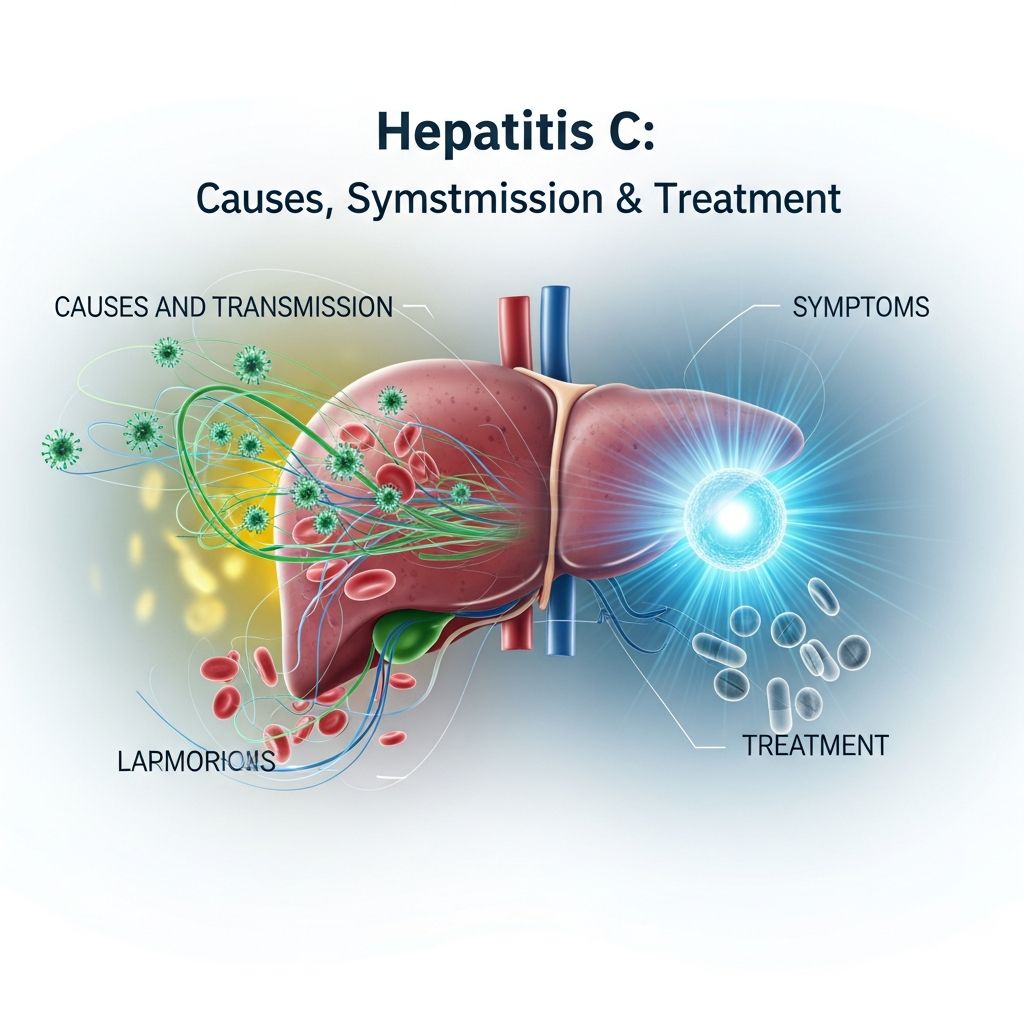
What Is Hepatitis C?
Hepatitis C is a viral infection caused by the hepatitis C virus (HCV) that results in inflammation and damage to your liver. The condition is characterized by chronic inflammation that can progressively damage liver tissue if left untreated. While hepatitis C is potentially serious, modern medical advances have made it one of the most treatable viral infections available today.
One of the most important aspects of hepatitis C is that it often develops without causing noticeable symptoms. Many people infected with the virus are completely unaware of their condition, which creates a significant public health challenge. The infection can persist in the body for years or even decades without causing obvious signs, all while potentially damaging liver tissue.
It’s crucial to understand the distinction between having hepatitis C as an infection and having it as a liver disease. Most people with HCV have minimal or no visible evidence of liver damage initially. For these individuals, managing the underlying infection is the primary focus. However, once someone is cured of HCV and has no significant hepatic fibrosis, no additional follow-up care is necessary. Those with significant liver damage require both antiviral therapy and careful monitoring of potential complications.
How Is Hepatitis C Transmitted?
Hepatitis C spreads through contact with the blood of an infected person. The virus enters the bloodstream of an uninfected person, establishing infection. Understanding transmission routes is essential for prevention and risk assessment.
The primary transmission methods include:
– Sharing needles, syringes, or other drug preparation equipment- Receiving blood transfusions or blood products before July 1992, when screening procedures improved- Receiving organ transplants before July 1992- Healthcare workers experiencing needlestick injuries with contaminated needles- From mother to child during pregnancy or childbirth (perinatal transmission)- Sharing personal items that may have blood on them, such as razors or toothbrushes- Hemodialysis procedures with contaminated equipment
Importantly, hepatitis C is not spread through casual contact, sharing food or drinks, hugging, kissing, or sharing utensils. The virus requires direct blood-to-blood contact to establish infection.
Symptoms of Hepatitis C
One of the most challenging aspects of hepatitis C is that many people experience no symptoms at all, especially in the early stages of infection. This asymptomatic nature means that infected individuals may unknowingly transmit the virus to others.
When symptoms do occur, they may include:
– Jaundice (yellowing of the skin and eyes)- Fatigue and weakness- Joint and muscle pain- Fever- Loss of appetite- Nausea and vomiting- Abdominal pain or discomfort- Dark urine- Pale or clay-colored stools
Related Stories



Acute hepatitis C, which occurs immediately after infection, may cause more noticeable symptoms. However, up to 50% of people who develop acute hepatitis C infection will spontaneously clear the virus without any treatment. For those who don’t clear the infection naturally, it progresses to chronic hepatitis C.
Screening and Diagnosis
Who Should Be Screened?
Because hepatitis C is most often asymptomatic, the CDC recommends universal hepatitis C screening for all adults 18 years and older and all pregnant women during each pregnancy. Additionally, certain high-risk groups should receive more frequent testing.
High-risk individuals who should be screened include:
– People who currently or have previously injected drugs- People who have shared needles, syringes, or other drug preparation equipment- People with HIV infection- People who have ever received maintenance hemodialysis- People with persistently abnormal ALT levels- People who received blood transfusions or blood components before July 1992- People who received organ transplants before July 1992- People notified they received blood from a donor later testing positive for HCV- Healthcare workers and others with occupational exposure to blood
Diagnostic Testing
Diagnosis of hepatitis C involves a systematic approach using blood tests. The process begins with an HCV antibody test, which screens for exposure to the virus. If the antibody test is reactive (positive), the next step is HCV RNA testing to confirm active infection.
The CDC recommends that clinicians collect all samples needed to diagnose hepatitis C in a single visit, with HCV antibody testing initiated first and HCV RNA testing ordered automatically when the antibody test is reactive. This streamlined approach improves patient outcomes and reduces the number of visits required.
It’s important to note that a positive antibody test does not automatically mean you have hepatitis C—it simply indicates exposure to the virus at some point. Only when HCV RNA is detected does it confirm active infection requiring treatment.
Pretreatment Assessment
Before starting treatment for chronic hepatitis C, patients undergo comprehensive evaluation to determine the most appropriate therapy and monitor baseline health status. This assessment includes:
– HCV viral load testing- HCV genotype determination (performed once per lifetime)- Complete blood count (CBC) including platelet count- Hepatic function panel- International normalization ratio (INR)- Basic metabolic panel- Assessment of liver fibrosis level- Anti-HAV (hepatitis A antibody) testing with immunization if negative- Hepatitis B markers testing (HBsAg, anti-HBc, anti-HBs) with immunization if negative
HCV genotype is particularly important because it determines treatment duration and helps predict how well therapy will work. There are six main genotypes of hepatitis C, and different treatment regimens may be recommended based on the specific genotype.
Modern Treatment Options
Direct-Acting Antiviral Medications
The revolution in hepatitis C treatment occurred over the past five to ten years with the development of direct-acting antiviral (DAA) medications. These breakthrough drugs are highly effective at clearing the hepatitis C virus from the body, with cure rates of 98% to 99%. Most regimens combine two or more antivirals that target different steps in the viral replication process, making resistance extremely unlikely.
Treatment typically lasts between 8 to 24 weeks, depending on the HCV genotype, presence of cirrhosis, and previous treatment history. These medications are generally well-tolerated with manageable side effects.
Important Considerations During Treatment
Several factors require attention during hepatitis C treatment. Some common medications, including certain heartburn medicines, can interfere with antiviral drugs. Therefore, it’s essential to inform your doctor about all medications you’re taking before starting treatment.
Particular care is needed for patients with a history of hepatitis B exposure. Some hepatitis C medications can potentially reactivate hepatitis B virus in individuals who have been exposed to it previously. Your doctor will need a complete medical history to ensure safe treatment selection.
Treatment Goals and Success
Understanding Sustained Virologic Response
The goal of hepatitis C treatment is permanent elimination of the virus. The primary measure of treatment success is sustained virologic response (SVR), defined as the absence of detectable HCV RNA in the blood 12 weeks or more after treatment ends. This milestone is referred to as SVR12 by convention.
People who achieve SVR will have hepatitis C antibodies but will no longer have detectable levels of HCV RNA. The terms “SVR” and “cure” are increasingly used interchangeably in medical practice because SVR represents true viral elimination.
Post-Treatment Monitoring
After treatment completion, doctors continue monitoring viral load through blood tests. In some individuals, the virus may relapse within a few weeks of treatment ending. However, if no relapse occurs by three months after treatment completion, doctors can confidently state that the virus will not return. At this point, patients are considered cured of hepatitis C.
For individuals without significant hepatic fibrosis who achieve cure, no additional follow-up is needed. Those with significant liver damage require ongoing monitoring for potential complications.
Acute Hepatitis C Treatment
Acute hepatitis C infection is frequently undiagnosed due to lack of specific symptoms. Because approximately 50% of acutely infected individuals will spontaneously clear the infection without intervention, healthcare providers must balance watchful waiting against early treatment.
Current recommendations suggest monitoring for HCV RNA for at least 3 months before starting treatment, though delaying for 6 months is also acceptable. This monitoring period allows time for spontaneous clearance to occur naturally.
For individuals diagnosed with acute HCV infection (positive anti-HCV antibodies and positive HCV RNA), there is no clear benefit to early treatment. Monitoring for 6 months is acceptable as most cases will spontaneously resolve without intervention. When treatment becomes necessary after 6 months, treating as described for chronic hepatitis C is recommended, given its high efficacy and safety profile.
Complications Without Treatment
Without treatment, hepatitis C can cause serious liver complications over time. The progression of liver damage can lead to:
– Cirrhosis (scarring and hardening of the liver)- Liver failure- Hepatocellular carcinoma (liver cancer)- Portal hypertension- Ascites (fluid accumulation in the abdomen)- Esophageal varices (enlarged veins that can bleed)
The severity and timeline of complications vary among individuals. Some people may develop significant liver damage within years, while others may take decades. This variability depends on factors such as age at infection, alcohol consumption, presence of other liver diseases, and individual immune response.
Lifestyle Recommendations After Diagnosis
Receiving a hepatitis C diagnosis can be concerning, but it’s important to remember that modern treatments are highly effective. To support your health while managing hepatitis C:
– Rest adequately and allow your body to recover- Drink plenty of fluids to support liver function- Avoid alcohol, which stresses the liver and can accelerate damage- Avoid smoking, which also impacts liver health- Take only medications prescribed by your healthcare providers- Maintain regular follow-up appointments- Report any side effects or concerns to your medical team- Inform sexual partners and family members about your diagnosis- Avoid behaviors that could transmit the virus to others
Frequently Asked Questions
Can hepatitis C be cured?
Yes, hepatitis C can be cured with modern direct-acting antiviral medications. Current treatments have cure rates of 98-99%, with most patients achieving sustained virologic response within 8-24 weeks of treatment.
How long does hepatitis C treatment take?
Treatment duration typically ranges from 8 to 24 weeks, depending on HCV genotype, presence of cirrhosis, and treatment history. Your healthcare provider will determine the appropriate duration for your specific situation.
What happens if I don’t treat hepatitis C?
Without treatment, hepatitis C can progress to chronic liver disease, cirrhosis, liver failure, and liver cancer over time. Early detection and treatment can prevent these serious complications.
Can I transmit hepatitis C to others after treatment?
Once you achieve sustained virologic response and are considered cured, you cannot transmit the virus to others through blood contact, as the virus is no longer present in your blood.
Is hepatitis C screening painful?
Hepatitis C screening requires only a simple blood test. While there may be minor discomfort from the needle, the procedure is generally quick and well-tolerated.
Who should get vaccinated for hepatitis A and B?
The CDC recommends that all people diagnosed with hepatitis C be tested for immunity to hepatitis A and B. If you lack immunity (negative antibody tests), vaccination is recommended to prevent coinfection with these viruses.
References
- Hepatitis C | Cleveland Clinic — Cleveland Clinic. 2025-05-19. https://my.clevelandclinic.org/health/diseases/15664-hepatitis-c
- Clinical Screening and Diagnosis for Hepatitis C — Centers for Disease Control and Prevention (CDC). 2024. https://www.cdc.gov/hepatitis-c/hcp/diagnosis-testing/index.html
- Important Things To Know After a Hepatitis C Diagnosis — Cleveland Clinic. 2024. https://health.clevelandclinic.org/important-things-to-know-after-a-hepatitis-c-diagnosis
- Hepatitis C: What It Is, Symptoms, Transmission & Treatment — Cleveland Clinic Department of Digestive Diseases. 2025. https://my.clevelandclinic.org/departments/digestive/medical-professionals/hepatology/hepatitis-c
- Hepatitis C (HCV) — National Institutes of Health (NIH) HIVinfo. 2024. https://hivinfo.nih.gov/hiv-source/hiv-related-conditions/hepatitis/hepatitis-c-hcv
Similar Articles








Read full bio of medha deb