Hepatitis C and Itchy Skin: Causes and Treatment
Understanding why hepatitis C causes itching and how to manage skin symptoms.
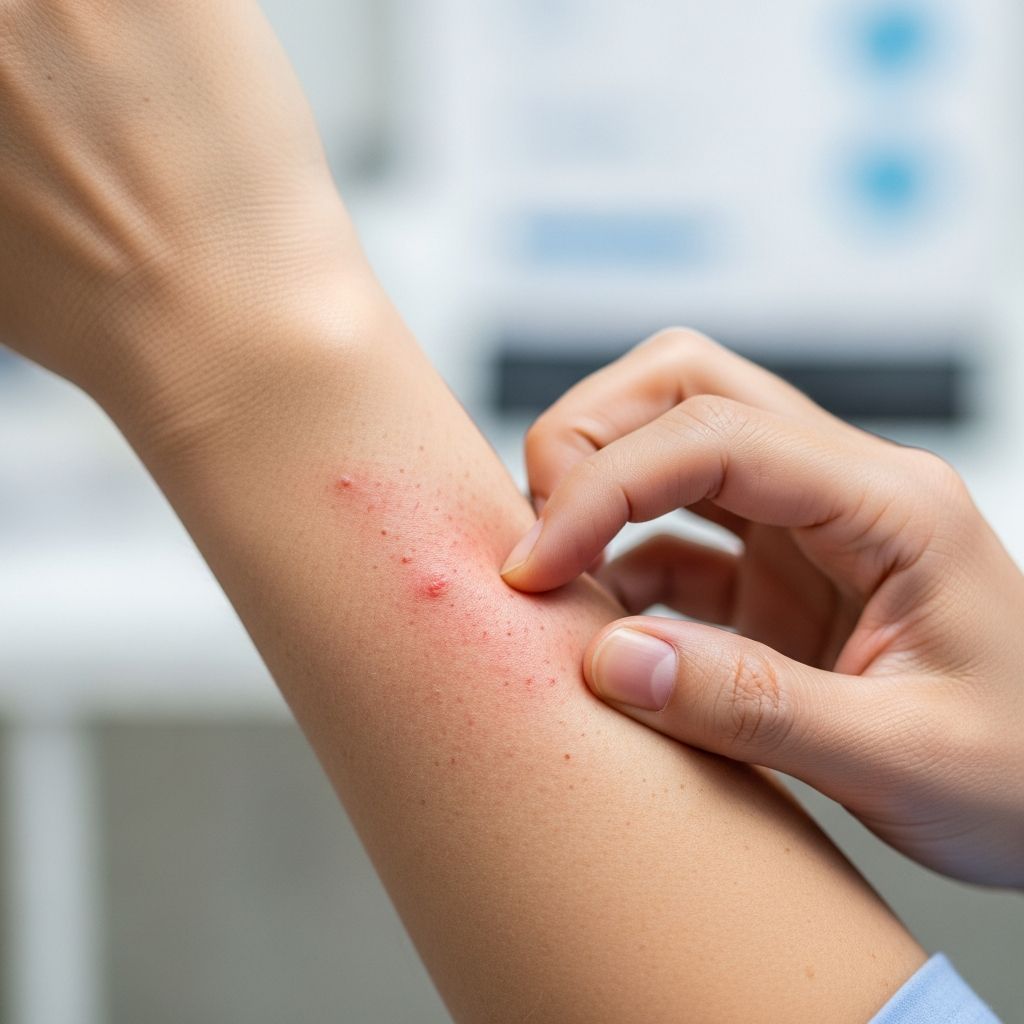
Hepatitis C and Itchy Skin: Understanding the Connection
Hepatitis C is a viral infection that primarily affects the liver, but many people don’t realize it can cause significant skin problems. While most individuals infected with the hepatitis C virus experience no symptoms for years,
skin manifestations are often among the first noticeable signs
that the infection has progressed and begun damaging the liver. Itchy skin, rashes, and other dermatological conditions can develop as either direct results of the infection or side effects of treatment. Understanding these skin symptoms is crucial for early recognition and management of hepatitis C.How Hepatitis C Damages Skin
When hepatitis C infection becomes chronic, the virus causes progressive liver damage that affects multiple body systems, including the skin. The mechanism behind skin problems is related to liver dysfunction.
When your liver doesn’t function properly, it cannot effectively filter out toxins and proteins
. These harmful substances accumulate in the liver, enter the bloodstream, and subsequently impact skin health in various ways.The buildup of toxins in your blood is responsible for several skin complications. These toxins can trigger inflammatory responses, alter blood vessel function, and disrupt normal skin physiology. This is why people with chronic hepatitis C develop such a wide variety of skin conditions—the underlying cause is systemic toxin accumulation affecting different aspects of skin function.
Common Skin Conditions Associated with Hepatitis C
Several specific skin conditions are commonly seen in people with hepatitis C infection. These range from temporary, manageable rashes to more distinctive dermatological signs of liver disease:
Urticaria (Hives)
**Urticaria, commonly known as hives, is one of the most frequent skin rashes affecting people with hepatitis C**. Unlike hives caused by allergic reactions, which typically resolve within a few hours, hives from hepatitis C may persist for much longer and can leave behind brown stains on the skin. These appear as red or skin-toned bumps and welts that may be localized to specific areas or spread across wider sections of the body. The affected skin is often itchy and can become swollen. Research indicates that hives in hepatitis C patients are a common manifestation of the infection.
Pruritis (General Itching)
**Pruritis, or general itchy skin, is another prevalent symptom** that affects many people with hepatitis C. The itching can be localized to specific areas such as the hands and feet, or it may affect the entire body. Some patients report that the sensation feels like their internal organs are itching—a distinctive and often distressing symptom. This itching is directly caused by the buildup of toxins in the blood that also contribute to jaundice. Managing pruritis is an important part of hepatitis C care, as severe itching significantly impacts quality of life.
Lichen Planus
**Lichen planus is a less common but distinctive skin condition associated with hepatitis C**. This condition appears as small purple or reddish-purple flat bumps that can develop in various locations on the body. Unlike many other skin conditions, lichen planus can affect not only the skin surface but also the mouth (oral lichen planus), genitalia, hair follicles, and nails. This widespread distribution can make lichen planus particularly bothersome for patients.
Related Stories



Spider Angiomas
Spider angiomas are distinctive vascular lesions that appear as a spiderweb-like pattern of thin blood vessels spreading across the skin. These develop due to liver dysfunction and represent a visible sign of cirrhosis or advanced liver disease. Spider angiomas typically appear on the chest, face, and upper body and are considered a clinical indicator of significant hepatic impairment.
Necrolytic Acral Erythema (NAE)
**Necrolytic acral erythema is a rare but important skin manifestation that may be an early sign of hepatitis C infection**. This condition causes skin patches on the feet or hands that resemble psoriasis, appearing as dusky-colored plaques. The exact mechanism causing NAE is not fully understood, but interestingly, zinc supplements have been shown to clear this condition quickly. Because NAE can be an early warning sign, recognizing this condition is important for prompt diagnosis.
Purpura (Blood Spots)
**Purpura appears as red or purple blotches on the skin that can range from pinhead-sized to half an inch in diameter**. In hepatitis C patients, purpura is usually a symptom of leukocytoclastic vasculitis. These lesions can hurt or itch and typically involve the lower extremities. Purpura may occur in conjunction with essential mixed cryoglobulinemia, presenting with palpable purpura and petechiae.
Additional Skin Manifestations
Other skin conditions associated with hepatitis C include palmar erythema (redness in the palms of the hands), easy bruising or excessive bruising, and jaundice (yellowing of the skin and whites of the eyes). These signs indicate varying degrees of liver dysfunction and may suggest the need for medical evaluation.
Terry’s Nails
Terry’s nails, a condition where nails turn opaque white with pink or reddish-brown lines at the top, can be associated with hepatitis C-related cirrhosis. While not exclusively caused by hepatitis C, this nail condition is an important indicator of advanced liver disease and warrants medical attention.
Skin Problems Caused by Hepatitis C Treatment
While antiviral medications can successfully cure hepatitis C, treatment itself can cause skin problems. Understanding these medication-related side effects helps patients distinguish between symptoms caused by the infection and those caused by therapy.
Treatment-Related Rashes
Skin rashes are among the most common side effects of hepatitis C medications. Research from clinical trials shows that
the incidence of skin lesions during antiviral therapy is 24–28%
. These rashes typically appear as dry, itchy skin on the hands and feet, medically termed pruritus. The exact mechanism of these rashes is not fully understood, but researchers believe that medications such as ribavirin may cause histamine-like side effects that trigger itching, nasal stuffiness, and rash development.Injection-Site Reactions
For patients receiving injectable hepatitis C medications like pegylated interferon, injection-site reactions are common.
Research suggests that approximately 60% of people who inject medication to treat hepatitis C experience some form of injection-site reaction
. These reactions can manifest as localized inflammation, redness, swelling, or lesions and sores at the injection site. The good news is that these reactions are typically temporary and resolve with proper care.Other Medication-Related Side Effects
**Hepatitis C treatments can also cause dry, itchy skin** as a general side effect. Additionally, hair loss (alopecia) is a rare but documented side effect of hepatitis C medications. When these medication-related skin problems occur, patients should discuss them with their healthcare provider, as prescription medications and topical treatments can help manage symptoms.
Management and Treatment of Hepatitis C-Related Itching
Managing itchy skin in hepatitis C requires a multifaceted approach that may include topical treatments, oral medications, and lifestyle modifications.
Topical Treatments
**Topical therapies are typically the first-line treatment for hepatitis C-related skin problems**. These include:
- Moisturizing lotions to hydrate and protect the skin barrier
- Steroid creams such as 1% hydrocortisone or triamcinolone to reduce inflammation
- Oatmeal baths to soothe irritated skin
Oral Medications
When topical treatments are insufficient, oral medications may be recommended.
Antihistamines such as diphenhydramine can be helpful if topical therapies do not adequately relieve symptoms
. These medications work by blocking histamine receptors that trigger itching responses. Additionally, prescription medications may be available to address specific skin conditions.Lifestyle Modifications
Several lifestyle changes can help reduce itching.
Quitting smoking can ease itching symptoms
, likely due to improved circulation and reduced inflammatory markers. Avoiding harsh soaps, staying well-hydrated, and maintaining a cool, humid environment can also help manage skin symptoms.Managing Treatment-Related Rashes
If a rash develops during hepatitis C treatment, management depends on severity.
For mild rashes, moisturizing lotions and topical steroid creams are recommended as initial therapy
. If symptoms don’t improve or worsen,oral antihistamines may be added
. In cases where rashes become severe despite conservative treatment, healthcare providers may recommend temporarily discontinuing ribavirin until the rash resolves, then reintroducing the medication at a potentially lower dose.When to See a Doctor
Skin symptoms associated with hepatitis C warrant medical evaluation. You should consult a healthcare provider if you experience:
- Unexplained itching that persists for more than a few weeks
- Rashes that spread or worsen despite home treatment
- Skin lesions that are painful or show signs of infection
- Jaundice (yellowing of skin and eyes)
- Easy bruising or purpura (purple spots)
- Severe itching that affects sleep or daily functioning
Frequently Asked Questions
Q: Can itchy skin be the first sign of hepatitis C?
A: Yes, skin symptoms can be among the first noticeable signs of hepatitis C, especially when the infection has progressed to a chronic stage. By the time you notice skin changes, the virus has already been damaging your liver for some time.
Q: Why does hepatitis C cause itching?
A: Itching occurs because hepatitis C impairs liver function, preventing it from filtering toxins and proteins effectively. These toxins accumulate in your bloodstream and trigger itching sensations throughout your body.
Q: Are hepatitis C-related hives the same as allergy-related hives?
A: No. While they may look similar, hepatitis C-related hives typically last longer than a few hours and may leave brown stains on the skin, unlike hives from allergic reactions.
Q: Can skin problems be caused by hepatitis C medications rather than the infection?
A: Yes. Approximately 24–28% of people undergoing hepatitis C treatment develop skin lesions during therapy, often caused by medications like ribavirin. These are usually manageable with topical or oral treatments.
Q: What should I do if I develop a rash while taking hepatitis C medication?
A: Inform your healthcare provider immediately. Most rashes can be managed with moisturizing lotions, steroid creams, or antihistamines. Only discontinue medication if instructed by your doctor.
Q: Can zinc supplements help with hepatitis C skin problems?
A: Zinc supplements have been shown to effectively clear necrolytic acral erythema, a rare hepatitis C-related skin condition. Consult your doctor before starting any supplements.
Q: Is itching a sign of advanced liver disease?
A: Itching can indicate that hepatitis C has progressed and caused significant liver dysfunction. However, it can also occur early in infection. Any persistent itching warrants evaluation by a healthcare provider.
References
- How Hepatitis C Affects Your Skin — Healthgrades. 2024. https://resources.healthgrades.com/right-care/hepatitis-c/how-hepatitis-c-affects-your-skin
- Skin Problems and Rashes Caused By Hepatitis C — WebMD. 2024. https://www.webmd.com/hepatitis/hepatitis-c-skin-problems
- Skin Rash During Chronic Hepatitis C Therapy — National Center for Biotechnology Information (NIH). PubMed Central. https://pmc.ncbi.nlm.nih.gov/articles/PMC2886494/
Similar Articles








Read full bio of medha deb