Hepatitis C: Symptoms, Causes, Diagnosis, Treatment
Understand hepatitis C: viral liver infection, transmission risks, symptoms, diagnosis, and curative treatments for better health outcomes.
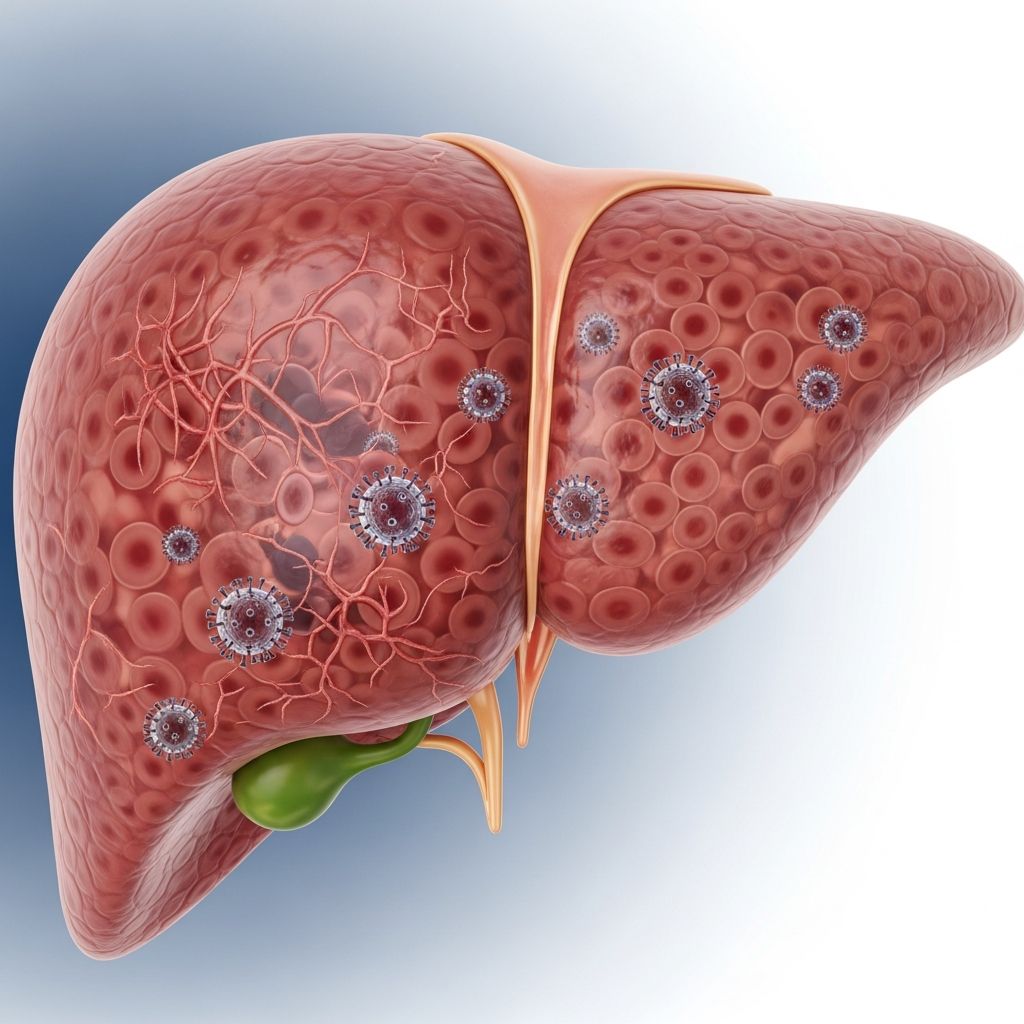
Hepatitis C is a viral infection caused by the hepatitis C virus (HCV) that primarily targets the liver, leading to inflammation and potential long-term damage including cirrhosis and liver cancer. It manifests as acute (short-term) or chronic (lifelong) illness, often asymptomatic in early stages, but treatable with antiviral medications that cure over 95% of cases when detected early.
What Is Hepatitis C?
Hepatitis C, abbreviated as HCV, is a bloodborne virus that infects liver cells, causing
hepatitis
—an inflammation of the liver. Globally, it affects millions, with the World Health Organization (WHO) estimating significant prevalence due to its stealthy progression. In the United States, the Centers for Disease Control and Prevention (CDC) reports over 2.4 million people living with the virus from 2017-2020, though many remain undiagnosed. Unlike hepatitis A or B, there is no vaccine for HCV, but advancements in therapy have transformed it from a lifelong burden to a curable condition.The virus exists in seven major genotypes worldwide, with type 1 most common in the U.S., influencing treatment approaches though modern drugs cover multiple strains. Acute infections occur upon initial exposure, while chronic develops in 70-85% of cases if the body fails to clear the virus naturally within six months.
Symptoms of Hepatitis C
Most people with hepatitis C—up to 80%—experience no symptoms during the acute phase, allowing the virus to silently progress. When symptoms appear, typically 2-12 weeks post-infection, they mimic flu-like illness and include:
- Fever and fatigue
- Loss of appetite, nausea, vomiting
- Abdominal pain, joint pain
- Dark urine, pale stools
- Jaundice (yellowing of skin or eyes)
In chronic hepatitis C, symptoms may not emerge for decades until liver damage advances. Late-stage signs signal serious complications:
- Bleeding/bruising easily
- Itchy skin, ascites (fluid buildup in abdomen)
- Leg swelling, weight loss
- Hepatic encephalopathy (confusion, drowsiness)
- Spider angiomas on skin
Chronic fatigue and depression-like symptoms are common even without overt liver failure. Around 30% spontaneously clear acute infection via immune response, but survivors retain antibodies.
Causes and Risk Factors of Hepatitis C
HCV spreads exclusively through blood-to-blood contact, not casual interactions like hugging or sharing food. Primary transmission routes include:
- Sharing needles/syringes among people who inject drugs (most common in high-income countries)
- Unsafe medical injections or procedures in low-resource settings
- Unscreened blood transfusions (rare post-1992 screening)
- Mother-to-child during birth (6% risk if mother infected)
- Sex involving blood exposure (higher risk with rough sex or multiple partners)
- Needlestick injuries in healthcare
Risk factors elevate exposure odds:
| Risk Factor | Description |
|---|---|
| Drug use | Injecting drugs, even once, accounts for 60%+ U.S. cases |
| Born 1945-1965 | Baby boomers exposed via unscreened transfusions |
| HIV positive | 10x higher HCV prevalence |
| Hemodialysis | Equipment contamination risk |
| Incarcerated | Tattooing/sharing razors |
Reinfection is possible post-cure, especially with ongoing risks.
How Hepatitis C Spreads
Hepatitis C requires direct entry of infected blood into the bloodstream—even microscopic amounts suffice. Unlike airborne viruses, HCV survives outside the body for days on surfaces, heightening risks from contaminated needles. Sexual transmission is low (1-3% per act) unless blood is present, but MSM with HIV face 2-5x risk. Household transmission is negligible without shared razors or toothbrushes with visible blood. Globally, unsafe healthcare practices drive 10 million new infections yearly.
Related Stories



Diagnosis and Testing for Hepatitis C
Diagnosis starts with a blood test for anti-HCV antibodies, indicating past or current exposure. Positive results prompt HCV RNA test to confirm active infection—essential since 30% clear spontaneously yet retain antibodies.
Testing algorithm:
- Antibody screen (reactive/non-reactive)
- RNA PCR if positive (quantifies viral load)
- Genotype if needed (less critical now)
- Liver function tests, FibroScan for damage assessment
CDC recommends universal screening once in lifetime for adults 18+, plus pregnancy and high-risk groups. Early detection prevents cirrhosis (15-30% risk over 20 years).
Treatment for Hepatitis C
Direct-acting antivirals (DAAs) cure 95-99% of cases in 8-12 weeks, with pangenotypic options like glecaprevir/pibrentasvir suiting most. No longer genotype-specific, treatment is oral, side-effect minimal. Success depends on adherence; monitoring via blood tests confirms sustained virologic response (SVR), equating to cure.
Untreated chronic HCV progresses:
- 15-30% develop cirrhosis in 20 years
- 1-5% annual liver cancer risk post-cirrhosis
- Leading cause of U.S. liver transplants
Advanced cases may need interferon (older, less effective) or transplant evaluation.
Prevention of Hepatitis C
No vaccine exists due to HCV genetic variability, so prevention focuses on harm reduction:
- Never share needles/works: Use syringe services programs
- Safe sex: Condoms reduce blood exposure risk
- Sterile tattoo/piercing equipment
- Safe healthcare: Screened blood, gloves
- Test and treat high-risk groups aggressively
Living With Hepatitis C
Post-cure, patients avoid alcohol, maintain healthy weight, get vaccinated for hep A/B. Monitor cured patients with cirrhosis for cancer via ultrasound/AFP every 6 months. Mental health support addresses stigma; many resume normal life. Pregnancy post-cure safe; transmission risk drops to background levels.
Frequently Asked Questions (FAQs)
Can hepatitis C be cured?
Yes, over 95% cure rate with 8-12 weeks DAAs.
Is there a vaccine for hepatitis C?
No vaccine currently; research ongoing.
How do you get hepatitis C?
Primarily blood-to-blood via shared needles, unsafe injections.
Does hepatitis C go away on its own?
30% clear acute spontaneously; 70% become chronic needing treatment.
Can I donate blood if I had hepatitis C?
No, permanent deferral even post-cure.
Is hepatitis C sexually transmitted?
Low risk; higher with blood exposure or HIV co-infection.
References
- Hepatitis C Fact Sheet — World Health Organization. 2023-04-06. https://www.who.int/news-room/fact-sheets/detail/hepatitis-c
- Hepatitis C: What It Is, Symptoms, Transmission & Treatment — Cleveland Clinic. 2024-08-15. https://my.clevelandclinic.org/health/diseases/15664-hepatitis-c
- Hepatitis C Basics — Centers for Disease Control and Prevention. 2024-06-20. https://www.cdc.gov/hepatitis-c/about/index.html
- Hepatitis C – Symptoms and Causes — Mayo Clinic. 2024-02-14. https://www.mayoclinic.org/diseases-conditions/hepatitis-c/symptoms-causes/syc-20354278
- State-of-the-Art Review: Hepatitis C — PubMed/NCBI. 2024-10-01. https://pubmed.ncbi.nlm.nih.gov/40971900/
Similar Articles








Read full bio of Sneha Tete