Hepatitis C Signs And Symptoms: 9 Acute, 8 Chronic Signs
Recognizing the subtle and advanced signs of hepatitis C to enable early detection and effective treatment.
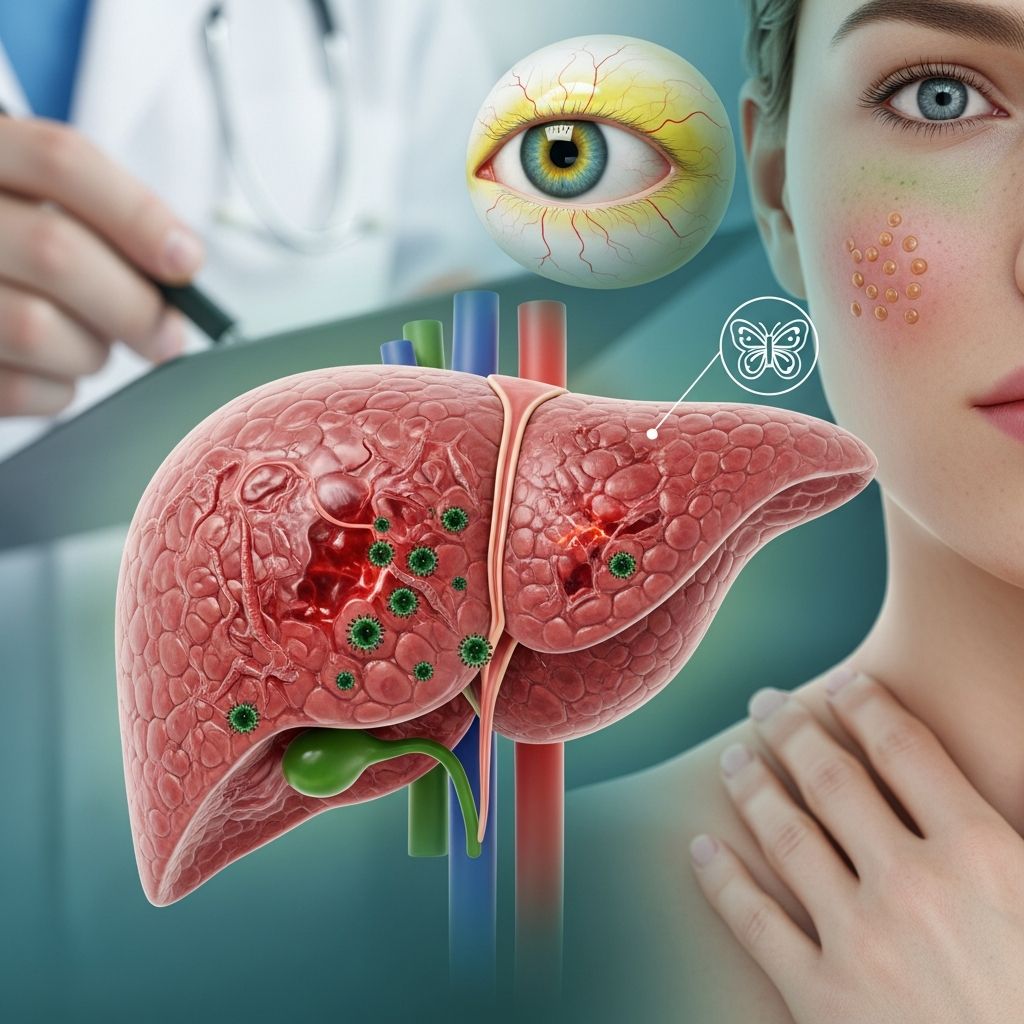
Hepatitis C is a viral infection caused by the hepatitis C virus (HCV) that primarily targets the liver, leading to inflammation and potential long-term damage. Most individuals with HCV experience no symptoms for years or even decades, making routine screening crucial, especially since newer antiviral treatments can cure over 95% of cases when detected early.
What Is Hepatitis C?
The liver, the body’s largest internal organ located in the upper right abdomen, filters blood, processes nutrients, and fights infections. Hepatitis C causes liver inflammation, which if chronic, can progress to scarring (cirrhosis), liver failure, or cancer. In the U.S., the most common genotype is type 1, but treatments work across genotypes. Globally, millions live with undiagnosed HCV, as acute infections rarely cause noticeable issues, with symptoms appearing 2-12 weeks post-exposure in those affected. Chronic infection develops in 75-85% of cases, often silently until advanced disease emerges.
Hepatitis C Symptoms: Acute vs. Chronic
Hepatitis C progresses in two phases: acute (initial 6 months) and chronic (lifelong if untreated). Acute HCV is typically asymptomatic, but when symptoms occur, they mimic flu-like illness. Chronic symptoms signal significant liver damage and include more severe manifestations.
Acute Hepatitis C Symptoms
During the acute phase, fewer than 30% of people show signs, which usually appear 2-12 weeks after exposure and last 2-12 weeks. Common symptoms include:
- Fatigue: Persistent tiredness despite adequate rest.
- Fever: Low-grade fever accompanying other signs.
- Nausea and vomiting: Upset stomach leading to reduced food intake.
- Loss of appetite: Anorexia, contributing to unintended weight loss.
- Abdominal pain: Discomfort in the upper right abdomen near the liver.
- Dark urine: Due to bilirubin buildup from liver stress.
- Clay-colored stools: Pale stools from impaired bile processing.
- Joint pain: Aching joints without swelling.
- Jaundice: Yellowing of skin or eyes, more visible in lighter skin tones.
Even without symptoms, acute HCV can transmit via blood contact, emphasizing testing for at-risk individuals.
Chronic Hepatitis C Symptoms
Chronic HCV often remains silent for 20-30 years until liver damage accumulates. When symptoms arise, they indicate advanced disease like cirrhosis in 20-30% of untreated cases. Key signs include:
- Persistent fatigue: Extreme exhaustion impacting daily life.
- Easy bruising and bleeding: Due to reduced clotting factors from liver dysfunction.
- Itchy skin: From bile salt buildup.
- Ascites: Fluid accumulation in the abdomen causing swelling.
- Leg swelling (edema): From portal hypertension.
- Weight loss: Unexplained due to metabolic changes.
- Hepatic encephalopathy: Confusion, drowsiness, slurred speech from toxin buildup in the brain.
- Spider angiomas: Visible spider-like blood vessels on the skin.
Additional chronic symptoms may involve depression and muscle aches, worsening quality of life.
Risk Factors for Hepatitis C
HCV spreads exclusively through blood-to-blood contact, not casual touch, food, or water. The CDC recommends universal screening for adults 18-79, pregnant individuals, and those with risk factors. High-risk groups include:
- Injection drug users, even once.
- Recipients of unscreened blood products before 1992.
- Long-term hemodialysis patients.
- Babies born to HCV-positive mothers.
- Healthcare workers with needle-stick injuries.
- People with unexplained liver enzyme elevations.
- Those with tattoos/piercings from unregulated settings.
Genotypes (7 main types) influence transmission but not disease course; U.S. cases are mostly genotype 1.
Complications of Untreated Hepatitis C
Related Stories



Without intervention, chronic HCV leads to severe outcomes. Cirrhosis develops in 15-30% after 20 years, increasing risks of:
- Liver failure: End-stage dysfunction requiring transplant.
- Hepatocellular carcinoma: Liver cancer in 1-5% of cirrhotic patients.
- Extrahepatic issues: Kidney disease, lymphoma, diabetes.
Alcohol exacerbates damage; heavy use accelerates cirrhosis. Early treatment prevents 90% of these complications.
Diagnosis and Testing
Diagnosis starts with an antibody blood test detecting past/current exposure. Positive results require RNA PCR to confirm active infection. Liver function tests and FibroScan assess damage. Universal screening catches silent cases; the USPSTF endorses it for ages 18-79 regardless of risk.
| Test Type | Purpose | Timing |
|---|---|---|
| HCV Antibody Test | Detects exposure | Initial screen |
| HCV RNA PCR | Confirms active virus | Follow-up if antibody+ |
| Liver Enzymes (ALT/AST) | Monitors damage | Ongoing |
| FibroScan/Elastography | Fibrosis staging | Damage assessment |
Treatment and Cure
Direct-acting antivirals (DAAs) cure 95-99% of chronic HCV in 8-12 weeks, with minimal side effects. Genotype-specific regimens are outdated; pan-genotypic drugs treat all types. Post-cure monitoring prevents reinfection.
Prevention Strategies
No vaccine exists, but prevention focuses on blood safety:
- Avoid sharing needles/razors.
- Use sterile equipment for tattoos/piercings.
- Safe sex practices reduce rare sexual transmission.
- Screen blood donations (standard since 1992).
Frequently Asked Questions (FAQs)
Do most people with hepatitis C have symptoms?
No, 70-80% remain asymptomatic for decades; symptoms often indicate advanced disease.
Can hepatitis C be cured?
Yes, antiviral medications cure over 95% of cases.
Who should get tested for HCV?
All adults 18-79, pregnant people, and high-risk individuals per CDC guidelines.
Is hepatitis C contagious through casual contact?
No, only blood-to-blood transmission occurs.
What causes dark urine in hepatitis C?
Bilirubin excess from liver inflammation.
Can you have hepatitis C without jaundice?
Yes, jaundice is uncommon in early stages.
References
- Hepatitis C Signs & Symptoms — HepC.com. 2023. https://www.hepc.com/hepatitis-c-symptoms
- Hepatitis C – Symptoms and causes — Mayo Clinic. 2024-10-03. https://www.mayoclinic.org/diseases-conditions/hepatitis-c/symptoms-causes/syc-20354278
- Hepatitis C General Information — Centers for Disease Control and Prevention (CDC). 2023. https://www.cdc.gov/hepatitis/hcv/pdfs/hepcgeneralfactsheet.pdf
- Hepatitis C Symptoms, Diagnosis & Treatment — AndHealth. 2024. https://andhealth.com/infectious-disease/hepatitis-c/
Similar Articles








Read full bio of Sneha Tete