Hepatitis Causes: 10 Viral And Non-Viral Reasons
Understand the diverse causes of hepatitis, from viral infections to alcohol and toxins, and learn prevention strategies.
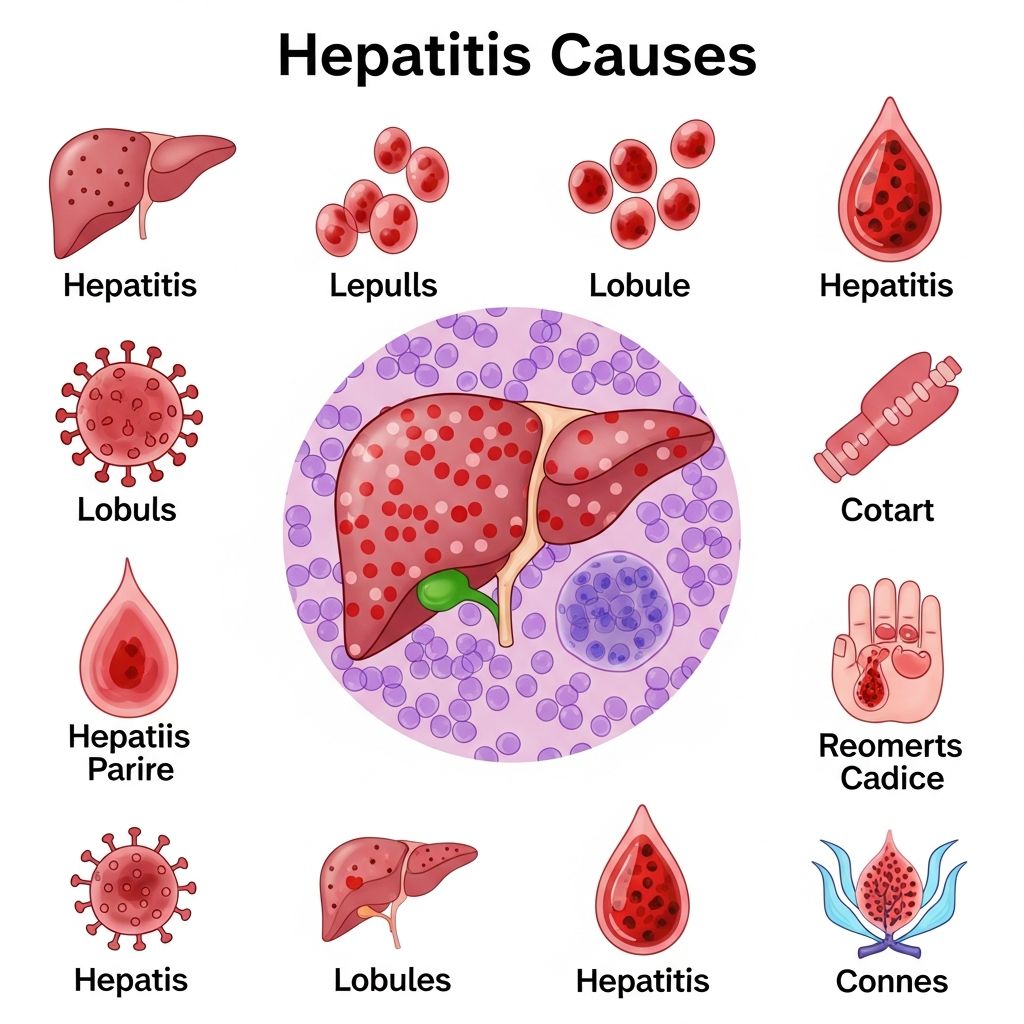
Hepatitis refers to inflammation of the liver, a vital organ responsible for detoxification, metabolism, and bile production. This condition can arise from various causes, primarily viral infections but also alcohol, toxins, autoimmune disorders, and medications. Understanding these causes is crucial for prevention, early detection, and effective management to avoid severe complications like cirrhosis, liver failure, or cancer.
What Is Hepatitis?
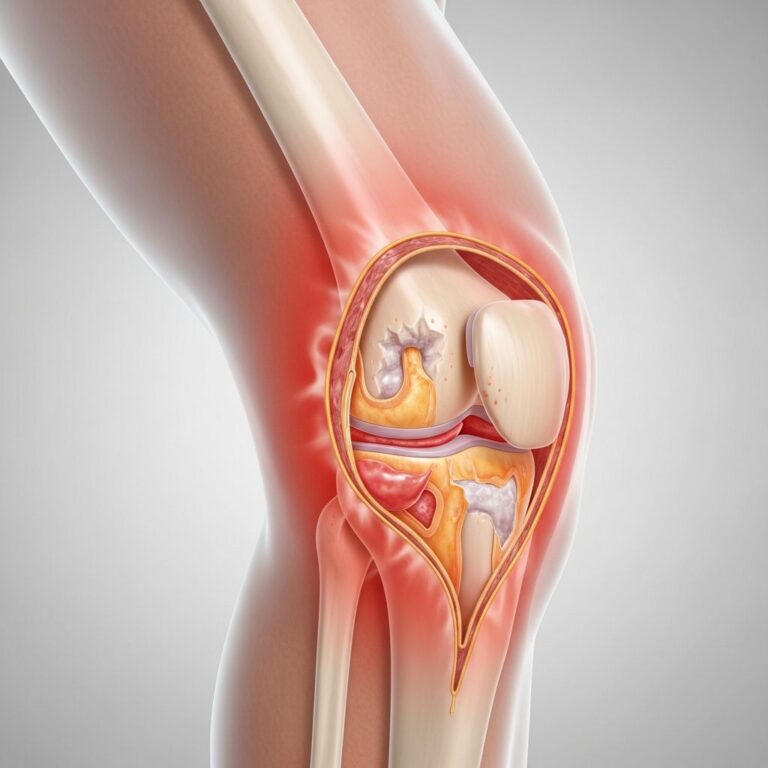
The liver, weighing about 3 pounds and located in the upper right abdomen, performs over 500 functions, including filtering toxins from the blood and producing proteins essential for clotting and immune response. Hepatitis disrupts these processes by causing swelling and damage to liver cells (hepatocytes). Acute hepatitis lasts less than six months and often resolves, while chronic forms persist longer, leading to progressive scarring (fibrosis) and potentially life-threatening outcomes.
Symptoms vary but may include fatigue, jaundice (yellowing of skin and eyes), abdominal pain, dark urine, nausea, and loss of appetite. Many cases, especially chronic ones, remain asymptomatic for years, making screening vital.
Types of Hepatitis
Five main viral types—A, B, C, D, and E—dominate discussions, though non-viral forms exist. Each has distinct transmission routes, durations, and prevention strategies.
- Hepatitis A (HAV): Acute, self-limiting; spreads fecal-orally via contaminated food/water.
- Hepatitis B (HBV): Can be acute or chronic; bloodborne and sexual transmission.
- Hepatitis C (HCV): Mostly chronic; primary bloodborne pathogen.
- Hepatitis D (HDV): Requires HBV coinfection; rare but severe.
- Hepatitis E (HEV): Acute, fecal-oral; common in developing regions.
In the U.S., HAV, HBV, and HCV are most prevalent, per CDC data. Globally, WHO estimates 354 million people live with chronic HBV or HCV.
Hepatitis A Causes and Transmission
Hepatitis A virus infects liver cells, causing acute inflammation typically resolving in weeks to months. Primary cause: ingestion of fecal matter from infected individuals via contaminated food, water, or close contact. Outbreaks often link to undercooked shellfish, unwashed produce, or poor sanitation.
Risk factors include travel to endemic areas (e.g., parts of Asia, Africa, Latin America), daycare attendance, men who have sex with men (MSM), and illicit drug use. Unlike B/C, HAV does not become chronic but can cause fulminant (rapid) liver failure in rare cases, especially in older adults or those with underlying liver disease.
Hepatitis B Causes and Transmission
HBV, a DNA virus, spreads through percutaneous (needle sticks) or mucosal exposure to infected blood or fluids. Common modes: unprotected sex, sharing needles, mother-to-child during birth (vertical transmission), and unsterilized tattoo/piercing equipment. Chronic infection risk is highest in infants (90%) versus adults (5-10%).
Over 296 million people worldwide have chronic HBV, leading to 820,000 deaths yearly from cirrhosis/cancer, per WHO. In the U.S., ~850,000-2.2 million are affected.
Hepatitis C Causes and Transmission
HCV, an RNA virus, is chiefly transmitted via blood-to-blood contact. Historically from transfusions pre-1992; now mainly injection drug use (60-80% cases), sharing razors/glass pipes, or healthcare exposures. Sexual transmission is low-risk except among HIV-coinfected or MSM. Vertical transmission occurs in 4-8% of HCV-positive pregnancies.
Related Stories



Chronicity develops in 55-85% of cases, silently progressing to fibrosis. Globally, 58 million chronic cases; U.S. prevalence ~2.4 million. Direct-acting antivirals cure >95%.
Hepatitis D Causes and Transmission
HDV is a defective RNA virus needing HBV for replication, infecting 5% of HBV carriers. Transmission mirrors HBV: blood/sexual/perinatal. Superinfection (HDV in HBV-negative) leads to chronicity in 70-90%; coinfection (simultaneous) resolves like acute HBV. HDV accelerates liver damage, increasing cirrhosis risk 2-3 fold.
Rare in the U.S. (~50,000 cases) but endemic in Amazon Basin, Eastern Europe.
Hepatitis E Causes and Transmission
HEV, an RNA virus, spreads fecal-orally, akin to HAV. Genotype 1/2 prevalent in developing countries via contaminated water; genotype 3/4 zoonotic in developed nations via undercooked pork/deer. Acute, self-resolving except in pregnancy (20-30% mortality) or chronic cases in immunocompromised.
No U.S. vaccine; global burden ~20 million infections yearly.
Non-Viral Causes of Hepatitis
Beyond viruses, other etiologies inflame the liver:
- Alcoholic Hepatitis: From excessive drinking; fat accumulation (steatosis) progresses to inflammation/fibrosis. Affects 10-35% heavy drinkers.
- Autoimmune Hepatitis: Immune attack on hepatocytes; more common in women; treated with immunosuppressants.
- Drug-Induced Liver Injury (DILI): Acetaminophen overdose tops list; others include antibiotics, statins. Dose-dependent or idiosyncratic.
- Toxins: Industrial chemicals (vinyl chloride), aflatoxins from moldy grains.
- Other: Metabolic (Wilson’s, hemochromatosis), ischemic (shock liver), biliary obstruction.
CDC notes heavy alcohol, toxins, medications as key non-viral causes.
Risk Factors for Hepatitis
Shared risks amplify transmission:
| Risk Factor | Associated Types |
|---|---|
| Injection drug use | B, C |
| Unprotected/multiple partners | B (A less) |
| Perinatal exposure | B, C |
| Travel to endemic areas | A, E |
| Pre-1992 transfusion | B, C |
| Healthcare exposures | B, C |
Occupations like healthcare, incarceration, or hemodialysis elevate risks.
Preventing Hepatitis
Prevention combines vaccines, behavior, and screening.
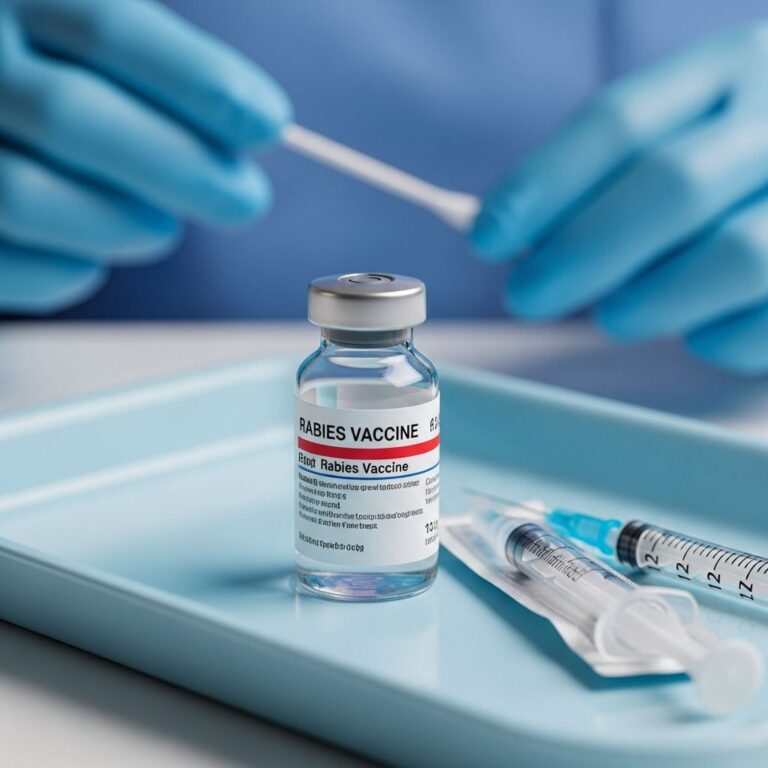
- Vaccines: HAV (2 doses), HBV (3 doses); combined available. Universal infant HBV vaccination slashed U.S. rates 90%.
- Hygiene/Safe Practices: Handwashing, safe water/food, condom use, sterile needles.
- Screening/Treatment: CDC recommends HBV/HCV birth cohort (1945-1965), drug users; pregnant women.
For HBV+ mothers, neonatal vaccination + HBIG prevents 85-95% vertical transmission.
Treatment Options
Acute cases supportive (hydration, nutrition). Chronic HBV: antivirals (tenofovir) suppress replication. HCV: 8-12 week oral regimens cure most. Alcoholic: abstinence, steroids. Autoimmune: prednisone/azathioprine. Liver transplant for end-stage.
Hepatitis in Local Contexts (e.g., U.S. Counties)
Local surveillance tracks outbreaks. Bexar County saw rising HAV/HBV despite vaccines, tied to declining child immunization. Community programs offer free testing/treatment.
Frequently Asked Questions (FAQs)
What causes hepatitis?
Mainly viruses (A-E), but also alcohol, drugs, toxins, autoimmune issues.
Is hepatitis curable?
HAV/HEV self-resolve; HCV curable >95%; HBV manageable lifelong.
How does hepatitis spread?
A/E fecal-oral; B/C blood/sexual/perinatal.
Are there hepatitis vaccines?
Yes for A and B; no routine for C/D/E.
Who is at risk for hepatitis C?
Injection users, baby boomers, HIV+ individuals.
References
- Hepatitis — Institute for Public Health, University Health. 2023. https://www.universityhealth.com/public-health/health-topics/hepatitis
- Hepatitis — Centers for Disease Control and Prevention (CDC). 2025-01-10. https://www.cdc.gov/hepatitis/index.htm
- Hepatitis B — World Health Organization (WHO). 2024-04-11. https://www.who.int/news-room/fact-sheets/detail/hepatitis-b
- Hepatitis C — World Health Organization (WHO). 2024-11-07. https://www.who.int/news-room/fact-sheets/detail/hepatitis-c
- Viral Hepatitis Surveillance — Centers for Disease Control and Prevention (CDC). 2024. https://www.cdc.gov/hepatitis/statistics/index.htm
Similar Articles








Read full bio of Sneha Tete