Hepatitis in Children: Causes, Symptoms, and Treatment
Comprehensive guide to understanding hepatitis in children: symptoms, causes, and treatment options.
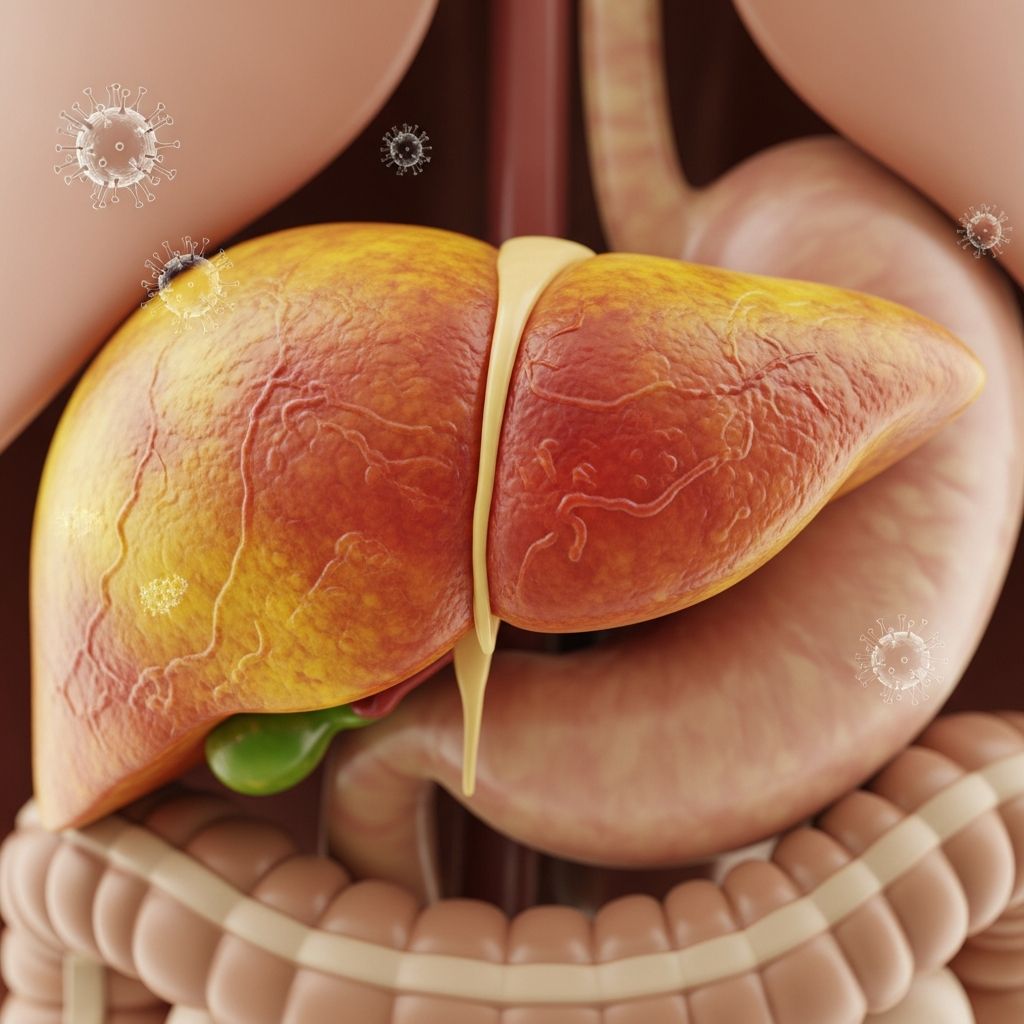
Understanding Hepatitis in Children
Hepatitis is an inflammation of the liver that can occur in children of all ages. The condition can develop suddenly (acute hepatitis) or develop slowly over time (chronic hepatitis). While viral infections are the most common cause, hepatitis can also result from autoimmune diseases, medications, toxins, and other medical conditions. Understanding the causes, symptoms, and treatment options is essential for parents and caregivers to recognize this condition early and ensure appropriate medical intervention.
The liver plays a vital role in maintaining overall health by filtering blood, producing bile to aid digestion, storing glucose, and processing nutrients. When hepatitis develops, these critical functions can be compromised, potentially leading to serious complications if left untreated. Fortunately, with advances in medical care and vaccination programs, many children with hepatitis can recover fully or manage the condition effectively with proper treatment and monitoring.
Causes of Hepatitis in Children
Hepatitis in children can stem from various causes, which are typically categorized as viral, autoimmune, or related to medications and toxins. Identifying the underlying cause is crucial for determining the most appropriate treatment plan.
Viral Hepatitis
Viral infections are the leading cause of hepatitis in children. The hepatitis viruses most commonly affecting children include:
- Hepatitis A virus (HAV): Typically causes acute, short-term illness lasting several weeks to months. Most children recover completely without treatment, and the infection does not progress to chronic disease.
- Hepatitis B virus (HBV): Can cause both acute and chronic hepatitis. Most acute infections clear within one to two months, but some children develop chronic infection requiring long-term monitoring and treatment.
- Hepatitis C virus (HCV): Frequently transmitted from mother to baby during pregnancy or childbirth. Many children with hepatitis C develop chronic infection and require antiviral therapy.
- Hepatitis E virus (HEV): Causes acute hepatitis and is less common in developed countries.
- Other viruses: Epstein-Barr virus, cytomegalovirus, adenovirus, and parvovirus (fifth disease) can also cause hepatitis in children.
Transmission routes vary by virus type. Hepatitis A typically spreads through contaminated food or water, while Hepatitis B and C primarily transmit from mother to child during pregnancy or delivery through bodily fluids. Additionally, teens may contract hepatitis C through intravenous drug use, a concerning trend that researchers have documented in recent years.
Autoimmune Liver Disease
In autoimmune hepatitis, the body’s immune system produces antibodies that mistakenly attack liver cells, causing inflammation and hepatitis. This condition requires specialized treatment to suppress the inappropriate immune response and protect the liver from ongoing damage.
Medication-Related and Other Causes
Certain medications can trigger hepatitis as a side effect. Additionally, toxins, alcohol exposure, and underlying metabolic or genetic diseases may cause liver inflammation. Identifying medication-related hepatitis is important because discontinuing the offending drug often leads to recovery.
Symptoms of Hepatitis in Children
Symptoms of hepatitis can vary significantly among children. Many children, particularly those with chronic hepatitis, may have no symptoms at all, while others experience noticeable signs of liver inflammation.
Common Symptoms
When symptoms do occur, they typically include:
- Jaundice (yellowing of the skin and eyes)
- Fatigue and lack of energy
- Abdominal pain or discomfort, particularly in the upper right side where the liver is located
- Nausea and vomiting
- Fever
- Loss of appetite
- Dark urine and light-colored stools
- Diarrhea
- Joint pain and muscle soreness
- Itchy skin or rash
- General feeling of being unwell
Timeline and Severity
Related Stories



Symptoms of acute hepatitis may appear anywhere from two weeks to six months after exposure to a hepatitis-causing virus. Children with underlying medical conditions such as HIV or cancer may experience more severe symptoms. In chronic hepatitis, particularly with Hepatitis B and C, children may remain asymptomatic for years until complications develop, making regular screening important for at-risk children.
Types of Hepatitis: Acute vs. Chronic
Understanding the distinction between acute and chronic hepatitis is essential for determining prognosis and treatment needs.
Acute Hepatitis
Acute hepatitis is a short-term illness that develops in previously healthy children without preexisting liver injury. Blood tests reveal evidence of active infection that typically lasts from weeks to several months. In most cases, a child’s immune system successfully eliminates the virus, and the infection resolves completely without long-term consequences.
Chronic Hepatitis
Chronic hepatitis occurs when a child’s immune system fails to eliminate the virus during the acute phase, allowing the virus to remain in the bloodstream for more than six months, often for years. Chronic hepatitis can also result from autoimmune disease or underlying liver conditions. Children with chronic hepatitis may develop progressive liver damage, including cirrhosis, which can lead to serious complications such as bleeding, fluid accumulation, and poor growth and development.
Diagnosis of Hepatitis in Children
Diagnosing hepatitis involves a combination of clinical evaluation, blood tests, and imaging studies. Healthcare providers will typically order blood tests to check liver function enzymes, which are elevated when the liver is inflamed or damaged. Specific viral serologies can identify which hepatitis virus is responsible for the infection. In some cases, liver imaging with ultrasound or other modalities may be recommended to assess the extent of liver damage and rule out other conditions.
Treatment Approaches for Hepatitis in Children
Treatment for hepatitis varies significantly depending on the underlying cause, the child’s age, overall health status, and the severity of liver inflammation. Healthcare providers may employ several treatment strategies:
Supportive Care
For many children with acute viral hepatitis, supportive care is the primary treatment approach. This includes:
- Adequate rest to allow the immune system to fight the infection
- Maintaining proper hydration by drinking plenty of fluids
- Eating a nutritious, balanced diet to support liver function and overall health
- Avoiding strenuous activity during the acute phase
Parents should consult with their pediatrician before administering over-the-counter medications for pain or fever, as certain drugs like acetaminophen can stress the liver and may be contraindicated in hepatitis.
Antiviral Medications
For viral hepatitis, antiviral drugs may be prescribed to reduce viral replication and prevent progressive liver damage. Direct-acting antivirals represent a major advance in hepatitis C treatment, with approval for children age three and older. These medications are nearly 100% effective in clearing the hepatitis C virus, typically require treatment lasting eight to twelve weeks, and can be taken orally rather than by injection, making them easier for children to tolerate.
For chronic Hepatitis B, interferon therapy and oral antiviral medications such as lamivudine may be used to suppress viral activity and prevent liver failure.
Immunosuppressive Therapy
Children with autoimmune hepatitis require immunosuppressive medications to prevent the immune system from attacking liver cells. These medications help halt the inflammatory process and allow the liver to recover.
Monitoring and Specialized Care
Many children require regular follow-up appointments and frequent blood testing to monitor disease progression and assess treatment effectiveness. In severe cases, children may need hospitalization to manage complications and receive intensive supportive care. For end-stage liver disease unresponsive to medical therapy, liver transplantation may be necessary to save the child’s life.
Medication Management
If hepatitis is medication-related, the offending drug should be discontinued under medical supervision. In most cases, this leads to complete resolution of liver inflammation.
Complications of Untreated Hepatitis
While many children with hepatitis recover completely, particularly with acute viral hepatitis, some develop serious complications. Chronic hepatitis can progress to cirrhosis, characterized by scarring of the liver tissue and permanent loss of liver function. Advanced complications include portal hypertension (high blood pressure in liver vessels), ascites (fluid accumulation in the abdomen), hepatic encephalopathy (brain dysfunction due to liver failure), and increased risk of liver cancer. Children may also experience growth delays and nutritional deficiencies if chronic hepatitis interferes with nutrient absorption and metabolism.
Prevention of Hepatitis in Children
Vaccination is one of the most effective strategies for preventing hepatitis in children. Vaccines are available for two common hepatitis types:
- Hepatitis A vaccine: Protects against Hepatitis A virus and is routinely recommended for all children.
- Hepatitis B vaccine: Protects against Hepatitis B virus and is part of the standard childhood immunization schedule, with the first dose given at birth.
For children at high risk of exposure to Hepatitis B or C, additional precautions include careful prenatal screening and monitoring, appropriate infant interventions, and education about avoiding intravenous drug use.
Prognosis and Outcomes
The prognosis for children with hepatitis depends on the cause and type of hepatitis. Most children with acute viral hepatitis recover completely without long-term liver damage. Children with uncomplicated cases of medication-induced hepatitis also typically recover fully once the offending medication is discontinued. However, children who develop chronic hepatitis, particularly from Hepatitis B or C, require ongoing medical monitoring and management. With modern treatment options, many children with chronic hepatitis can achieve viral clearance and avoid serious complications, though some may develop progressive liver disease requiring transplantation.
Frequently Asked Questions About Hepatitis in Children
Q: Can hepatitis in children be prevented?
A: Yes, Hepatitis A and B can be prevented through vaccination, which is recommended as part of routine childhood immunizations. For at-risk pregnancies, prenatal screening and appropriate medical interventions can reduce the risk of transmitting Hepatitis B and C to newborns.
Q: How long does it take for hepatitis symptoms to appear?
A: Symptoms typically appear two weeks to six months after exposure to a hepatitis-causing virus, though some children may never develop noticeable symptoms.
Q: Is chronic hepatitis in children common?
A: Chronic hepatitis is relatively uncommon in children. Most children with acute viral hepatitis recover completely, though chronic infection can develop with Hepatitis B and C, particularly when infection occurs at a very young age.
Q: What should I do if I suspect my child has hepatitis?
A: Contact your pediatrician immediately if your child develops jaundice, persistent fatigue, abdominal pain, or other symptoms suggestive of hepatitis. Your doctor can perform appropriate tests to confirm the diagnosis and recommend treatment.
Q: Can children with hepatitis participate in normal activities?
A: During the acute phase, children should rest and avoid strenuous activity. As they recover, activity can gradually increase. Children with well-controlled chronic hepatitis can often participate in normal activities with appropriate medical monitoring.
Q: Are there new treatments available for hepatitis in children?
A: Yes, direct-acting antivirals and other newer medications have significantly improved treatment outcomes for hepatitis C in children. Research continues to develop safer and more effective therapies for all forms of hepatitis.
References
- Hepatitis in Children — Symptoms, Causes & Treatment — Cleveland Clinic. 2025. https://my.clevelandclinic.org/health/diseases/hepatitis-in-children
- Viral Hepatitis — Seattle Children’s Hospital. 2025. https://www.seattlechildrens.org/conditions/viral-hepatitis/
- How Do Children Get Hepatitis? — American Academy of Pediatrics. 2025. https://www.healthychildren.org/English/health-issues/conditions/abdominal/Pages/Hepatitis.aspx
- Hepatitis in Children — Texas Children’s Hospital. 2025. https://www.texaschildrens.org/content/conditions/hepatitis-children
- Hepatitis B Symptoms & Treatment in Children — Children’s Hospital Pittsburgh of UPMC. 2025. https://www.chp.edu/our-services/transplant/liver/education/liver-disease-states/hepatitis-b
- Rise of Hepatitis Cases in Children: What Parents Need To Know — Yale Medicine. 2025. https://www.yalemedicine.org/news/hepatitis-in-children
Similar Articles








Read full bio of Sneha Tete