Hepatitis Overview: 5 Viral Types And Key Prevention Tips
Understand hepatitis types, symptoms, transmission, prevention, and treatment options for this liver inflammation disease.
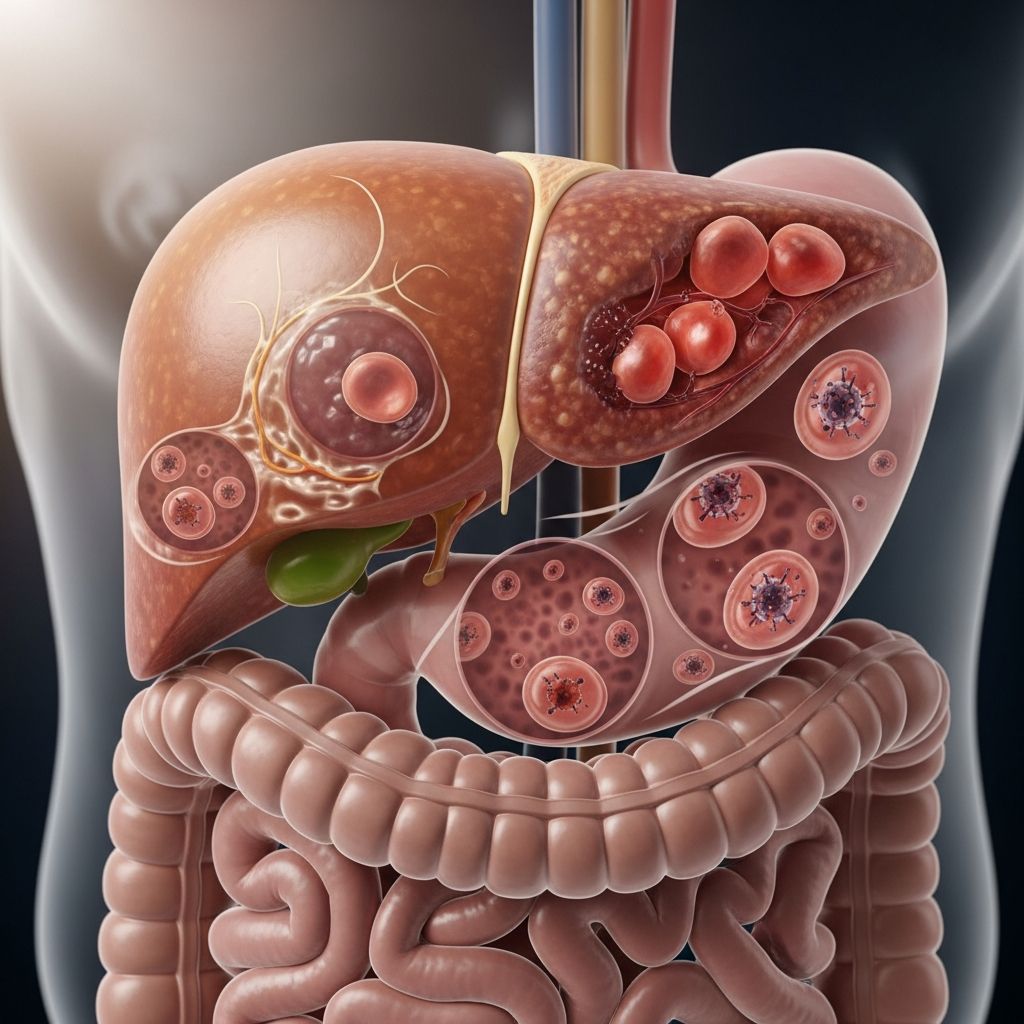
Hepatitis refers to inflammation of the liver, primarily caused by viral infections but also by toxins, alcohol, autoimmune diseases, or medications. The five main viral types A, B, C, D, and E differ in transmission, severity, and prevention, affecting over 304 million people worldwide with chronic B or C infections. These viruses lead to severe outcomes like cirrhosis, liver cancer, and 1.3 million annual deaths, making urgent prevention and treatment essential.
What Is Hepatitis?
The liver, a vital organ for detoxification, metabolism, and nutrient processing, becomes inflamed in hepatitis, impairing these functions. Viral hepatitis dominates global cases, with types B and C causing most chronic diseases and deaths. Acute infections may resolve, but chronic ones progress silently to fibrosis, cirrhosis, or hepatocellular carcinoma. Non-viral causes include excessive alcohol (alcoholic hepatitis), drugs, or metabolic issues, but this overview focuses on viral forms per WHO classifications.
Symptoms often mimic flu-like illness: fever, fatigue, nausea, abdominal pain, dark urine, and jaundice (yellowing of skin/eyes). Many cases are asymptomatic, delaying diagnosis until advanced damage occurs. Pregnant women with hepatitis E face heightened risks of severe outcomes or liver failure.
Types of Hepatitis
Five primary hepatitis viruses exist, each with unique epidemiology and impacts:
- Hepatitis A (HAV): Transmitted fecal-orally via contaminated food/water; common in low-sanitation areas. Acute only, self-resolving with lifelong immunity; rare chronicity.
- Hepatitis B (HBV): Bloodborne/spread via bodily fluids (sex, needles, mother-to-child). Causes 296 million chronic cases; leads to cirrhosis/cancer in 15-25% untreated.
- Hepatitis C (HCV): Primarily bloodborne (sharing needles, unsafe injections). 58 million chronic; 95% curable with antivirals but low global access.
- Hepatitis D (HDV): Requires HBV coinfection; worsens progression to cirrhosis/cancer. Affects 12-20 million; no standalone vaccine.
- Hepatitis E (HEV): Fecal-oral like HAV; waterborne outbreaks in developing regions. Acute, severe in pregnancy (20-25% mortality).
Hepatitis A
Hepatitis A spreads through ingestion of fecal-contaminated food or water, often in travel to endemic areas or via poor hygiene. Incubation lasts 2-6 weeks; illness is acute, with symptoms resolving in weeks to months. Full recovery confers immunity; no chronic carrier state exists.
Symptoms: Sudden nausea, vomiting, fever, fatigue, jaundice, clay-colored stools. Severity peaks in adults over children.
Prevention: Safe vaccine (2-3 doses) recommended for travelers, high-risk groups. Handwashing, safe water/food critical. No specific treatment; supportive care (hydration, rest) suffices.
Hepatitis B
Hepatitis B, highly infectious via blood, semen, vaginal fluids, transmits perinatally (90% chronic risk if unvaccinated), sexually, or via needles. Globally, 296 million live with chronic HBV; it’s carcinogenic, causing 820,000 deaths yearly from cirrhosis/cancer.
Acute phase: 90% adults clear it; 5-10% develop chronic infection, higher in infants. Chronic HBV requires monitoring for liver damage.
Symptoms: Often none; when present: jaundice, dark urine, joint pain, rash.
Prevention: Recombinant vaccine (3 doses from birth) prevents 95% infections, also protecting against HDV. Safe sex, sterile needles essential.
Treatment: Antivirals (tenofovir, entecavir) suppress replication, reduce cancer risk; not always curative but improve survival.
Hepatitis C
HCV spreads mainly via blood (injection drug use, transfusions pre-1992, unsterile tattoos). No sexual/maternal high risk unless HIV-coinfected. 58 million chronic cases; progresses to cirrhosis in 15-30% over decades.
Acute infection asymptomatic in 80%; 75% become chronic. Highly curable now.
Symptoms: Fatigue, appetite loss; extrahepatic: arthritis, kidney issues.
Related Stories



Prevention: No vaccine; harm reduction (needle exchange), blood screening key.
Treatment: Direct-acting antivirals (DAAs) like sofosbuvir cure >95% in 8-12 weeks, averting complications.
Hepatitis D
HDV is a defective virus needing HBV for replication; superinfection (HBV+HDV) or coinfection possible. Accelerates liver damage; 12-20 million affected, higher mortality.
Prevalence highest in Amazon, Africa, Eastern Europe.
Symptoms: Acute flare: severe jaundice, liver failure risk.
Prevention/Treatment: HBV vaccine prevents; pegylated interferon (limited efficacy); antivirals in trials.
Hepatitis E
HEV, enteric like HAV, spreads via contaminated water (genotype 1/2 in developing countries). Zoonotic genotype 3/4 in developed nations via undercooked pork. Acute self-limiting except pregnancy.
Symptoms: Similar to HAV; fulminant failure in 1-2% pregnant women.
Prevention: Vaccine available in China; sanitation primary. Supportive care.
Causes and Risk Factors
Beyond viruses: alcohol (fatty liver to cirrhosis), nonalcoholic steatohepatitis (obesity-related), autoimmune, ischemia, toxins. Risks vary: travel for HAV/HEV, IV drugs for B/C, births for B.
Symptoms and Complications
| Symptom/Complication | Description | Affects Types |
|---|---|---|
| Jaundice | Yellow skin/eyes from bilirubin buildup | All |
| Fatigue/Nausea | General malaise, appetite loss | All acute |
| Cirrhosis | Scarring impairs function | B, C, D chronic |
| Liver Cancer | Hepatocellular carcinoma | B, C, D |
| Fulminant Failure | Rapid liver shutdown | E (pregnancy), rare others |
Chronic silent progression heightens risks.
Diagnosis
Blood tests detect antigens, antibodies, viral load (PCR); liver enzymes (ALT/AST elevated); biopsy/fibrosis scans (FibroScan) assess damage. Serology distinguishes types.
Treatment
Acute: supportive. Chronic B: lifelong antivirals. C: curative DAAs. No HAV/HEV/E specifics beyond rest. Liver transplant for end-stage.
Prevention
- Vaccines: HAV (travelers), HBV (universal newborn/infants).
- Safe practices: hygiene, sterile equipment, condom use.
- Screening: pregnant for HBV, blood donors.
WHO strategy: 90% incidence drop by 2030 via vaccines/testing.
Frequently Asked Questions (FAQs)
What is the most common cause of hepatitis?
Viral infections (A-E), especially B/C chronically; 304 million affected.
Is there a vaccine for hepatitis C?
No; prevent via blood safety. Curable with antivirals.
Can hepatitis B be cured?
Suppressed, not cured; vaccines prevent.
How does hepatitis spread?
A/E: fecal-oral; B/C/D: blood/sex/perinatal.
Who is at risk for hepatitis E?
Pregnant women severely; travelers to endemic areas.
References
- Hepatitis – World Health Organization (WHO)
- Hepatitis B Fact Sheet
- Hepatitis C Fact Sheet
- Global Hepatitis Report 2024
- Hepatitis Surveillance – CDC
Similar Articles








Read full bio of Sneha Tete