Hepatitis Symptoms: Signs, Causes, Tests, And Treatment
Recognizing the signs of hepatitis A, B, C, D, and E to seek timely treatment and prevent liver damage.
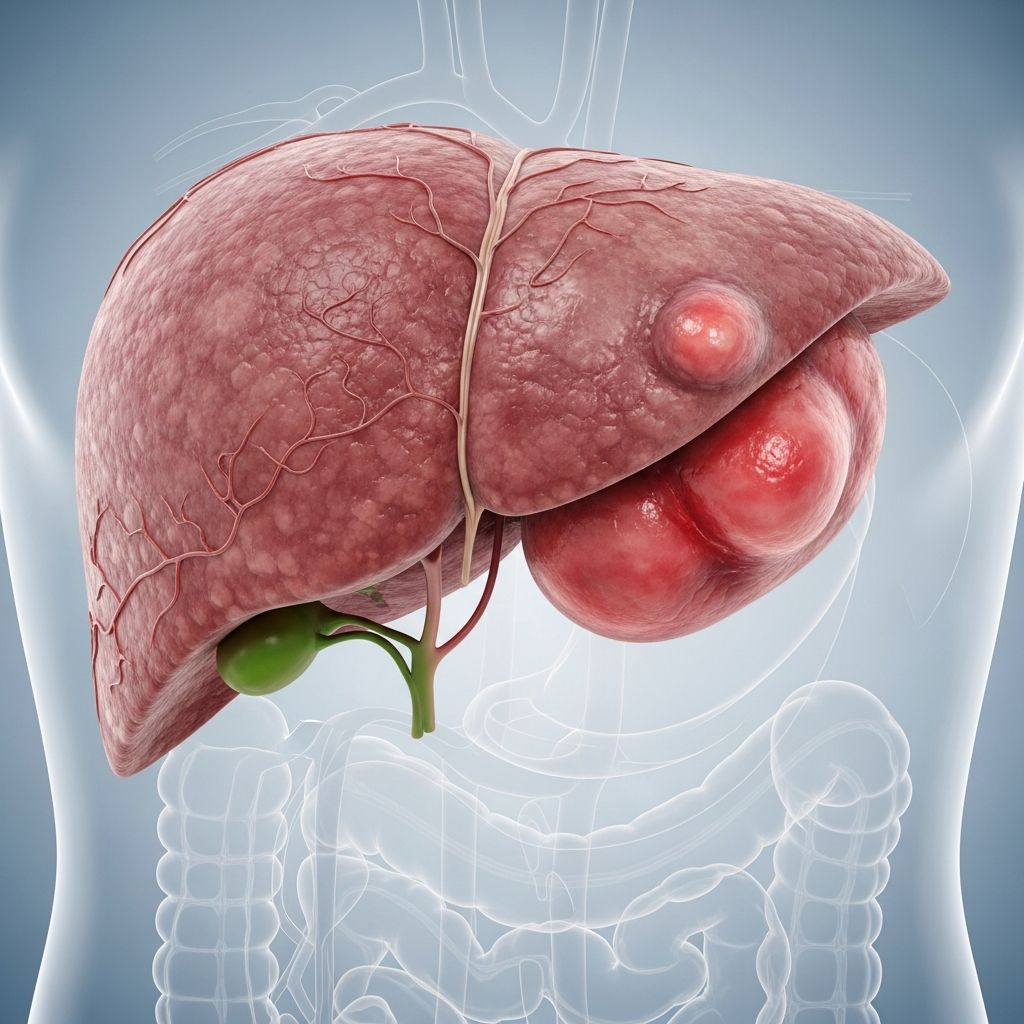
Hepatitis refers to inflammation of the liver, primarily caused by viruses A, B, C, D, and E, leading to symptoms such as jaundice, fatigue, and abdominal pain. Early recognition of these signs is crucial for preventing severe complications like cirrhosis and liver cancer.
What Is Hepatitis?
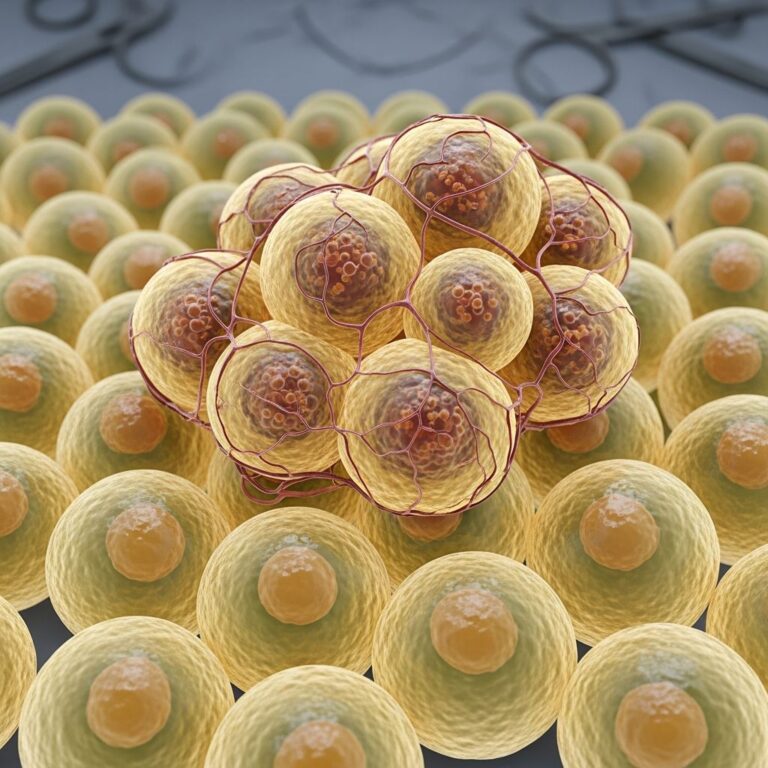
Hepatitis is an inflammation of the liver triggered by infectious viruses or non-infectious agents, resulting in health issues ranging from mild discomfort to fatal liver damage and cancer. The five main viral types—A, B, C, D, and E—differ in transmission, severity, and prevention, with B and C causing chronic infections in millions worldwide, contributing to 1.3 million deaths annually.
The World Health Organization estimates 304 million people live with chronic hepatitis B or C, yet many lack access to testing and treatment. Without intervention, viral hepatitis could lead to 9.5 million new infections, 2.1 million liver cancer cases, and 2.8 million deaths by 2030. Global strategies aim to reduce new cases by 90% and deaths by 65% through vaccination, testing, and education.
Hepatitis Symptoms
Many individuals with hepatitis A, B, C, D, or E experience mild or no symptoms initially. When present, common signs include fever, malaise, loss of appetite, diarrhea, nausea, abdominal discomfort, dark-colored urine, and jaundice—a yellowing of the skin and eyes. These symptoms can escalate, particularly in pregnant women with hepatitis E or those progressing to chronic forms.
- Fever and malaise: General feelings of illness and tiredness.
- Loss of appetite and nausea: Reduced desire to eat, often with vomiting.
- Abdominal discomfort: Pain or tenderness in the upper right abdomen where the liver is located.
- Dark urine and jaundice: Urine appears tea-colored; skin and eyes turn yellow due to bilirubin buildup.
- Diarrhea and joint pain: More common in acute phases of certain types.
Chronic hepatitis B, C, and D can silently progress to cirrhosis (liver scarring) or hepatocellular carcinoma without early symptoms, heightening risks of premature death.
Types of Viral Hepatitis
Hepatitis A (HAV)
Hepatitis A spreads via contaminated food or water, prevalent in areas with poor sanitation. Symptoms appear abruptly 2-6 weeks post-exposure, including fatigue, nausea, abdominal pain, and jaundice, typically resolving in weeks to months with supportive care. Most recover fully, gaining lifelong immunity, though severe cases risk liver failure.
Hepatitis B (HBV)
Transmitted through blood, semen, or mother-to-child, HBV can be acute or chronic. Acute symptoms mimic flu-like illness with jaundice; chronic cases often asymptomatic but lead to cirrhosis or cancer in 15-25% of adults and higher in children. Globally, it’s a leading infectious killer.
Hepatitis C (HCV)
Primarily bloodborne via needles or transfusions, HCV frequently becomes chronic (75-85% cases), with mild acute symptoms like fatigue. Long-term, it causes cirrhosis in 20-30% and liver cancer, curable in over 95% with antivirals but underdiagnosed.
Hepatitis D (HDV)
HDV only infects those with HBV, worsening outcomes via co-infection or superinfection. Symptoms resemble HBV but accelerate to severe liver disease, cirrhosis, and cancer faster.
Hepatitis E (HEV)
Similar to HAV, HEV spreads fecal-orally, common in low-income regions. Acute symptoms include jaundice and nausea; it’s mild usually but life-threatening in pregnancy (20-25% mortality) and chronic in immunocompromised individuals.
Hepatitis Transmission
| Type | Primary Transmission | High-Risk Groups |
|---|---|---|
| HAV | Contaminated food/water | Travelers to endemic areas, poor sanitation |
| HBV | Blood, sexual contact, perinatal | IV drug users, healthcare workers, infants of carriers |
| HCV | Blood (needles, transfusions) | Drug users, hemodialysis patients |
| HDV | Blood (requires HBV) | HBV-infected individuals |
| HEV | Contaminated water/food | Pregnant women, low-income regions |
Related Stories



Prevention focuses on hygiene for A and E, vaccination for A and B, safe practices for B/C/D.
When to See a Doctor for Hepatitis Symptoms
Seek immediate care if experiencing persistent jaundice, severe abdominal pain, confusion, or extreme fatigue, signaling potential liver failure. Routine screening recommended for high-risk groups: IV drug users, HIV patients, born 1945-1965 (HCV), or HBV-exposed infants.
Early diagnosis via blood tests (ALT, viral serology) prevents progression. Delays increase chronicity risks, especially for B and C.
How Is Hepatitis Diagnosed?
Diagnosis involves:
- Blood tests: Liver enzymes (ALT/AST elevated), viral antibodies/antigens.
- Imaging: Ultrasound for cirrhosis/cancer.
- Biopsy: Assesses damage in chronic cases.
- Genotyping: Guides HCV treatment.
WHO urges triple elimination of mother-to-child transmission for HIV, syphilis, and HBV by 2030.
Hepatitis Treatment
- HAV/HEV: Supportive (rest, hydration); self-limiting.
- HBV: Antivirals (tenofovir) for chronic; suppress virus, reduce cancer risk.
- HCV: Direct-acting antivirals cure >95% in 8-12 weeks.
- HDV: Pegylated interferon; limited options.
No cure for chronic HBV, but treatment improves survival. Avoid hepatotoxic drugs.
Hepatitis Prevention and Vaccination
Vaccines prevent HAV (inactivated), HBV (recombinant, birth dose critical), protecting against HDV indirectly. No HCV vaccine; HEV vaccine available in some countries (e.g., China).
- Safe sex, clean needles.
- Handwashing, safe water/food.
- Screen blood donations/organs.
WHO’s 2022-2030 strategy targets 90% incidence drop via scale-up.
Complications of Hepatitis
Untreated, acute forms risk fulminant failure; chronic B/C/D lead to cirrhosis (scarring), portal hypertension, cancer. HBV/HCV/HDV carcinogenic; 1.3M annual deaths.
Living with Hepatitis
Chronic patients monitor liver function, avoid alcohol, eat healthily, vaccinate against HAV/HBV. Support groups aid mental health; treatment adherence key.
Frequently Asked Questions (FAQs)
What are the first signs of hepatitis?
Early signs include fatigue, nausea, loss of appetite, and dark urine, progressing to jaundice.
Is hepatitis curable?
HCV is curable >95%; HBV manageable chronically; HAV/HEV usually resolve without treatment.
Can you have hepatitis without knowing?
Yes, chronic B/C often asymptomatic for years until complications arise.
How does hepatitis damage the liver?
Viral replication causes inflammation, scarring (cirrhosis), impairing function and risking cancer.
Who should get vaccinated for hepatitis?
Infants for HBV; travelers for HAV; high-risk for both.
References
- Hepatitis – World Health Organization (WHO) — World Health Organization. 2024-10-01. https://www.who.int/health-topics/hepatitis
- Hepatitis B Fact Sheet — World Health Organization. 2024-04-11. https://www.who.int/news-room/fact-sheets/detail/hepatitis-b
- Hepatitis C Fact Sheet — World Health Organization. 2024-11-05. https://www.who.int/news-room/fact-sheets/detail/hepatitis-c
- Global Hepatitis Report 2024 — World Health Organization. 2024-04-05. https://www.who.int/publications/i/item/9789240091672
- Hepatitis A Fact Sheet — World Health Organization. 2023-07-11. https://www.who.int/news-room/fact-sheets/detail/hepatitis-a
Similar Articles








Read full bio of medha deb