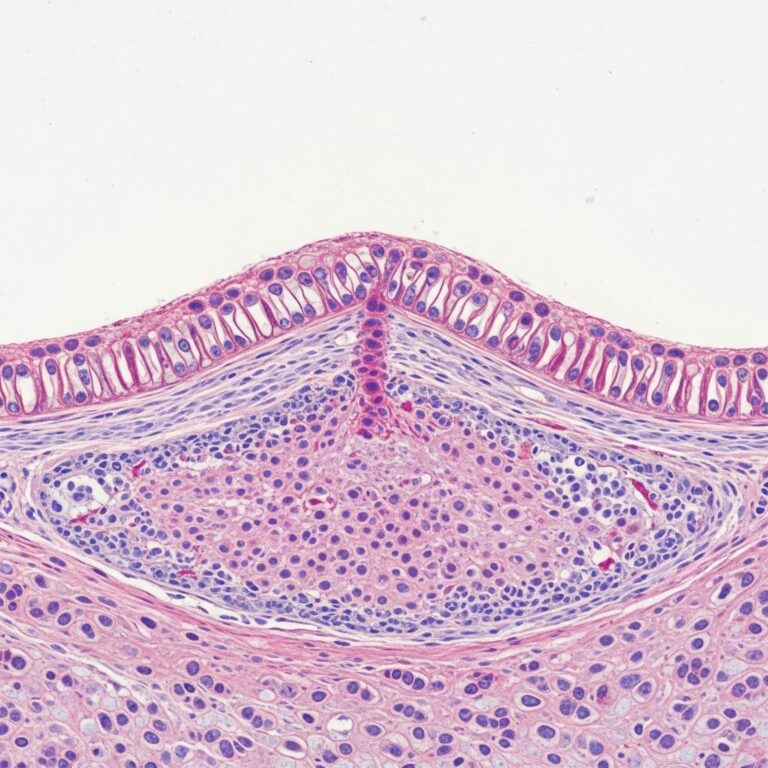
Hepatocellular Carcinoma: Types, Causes, Symptoms & Treatment
Comprehensive guide to hepatocellular carcinoma: understanding risks, symptoms, diagnosis, and treatment options.
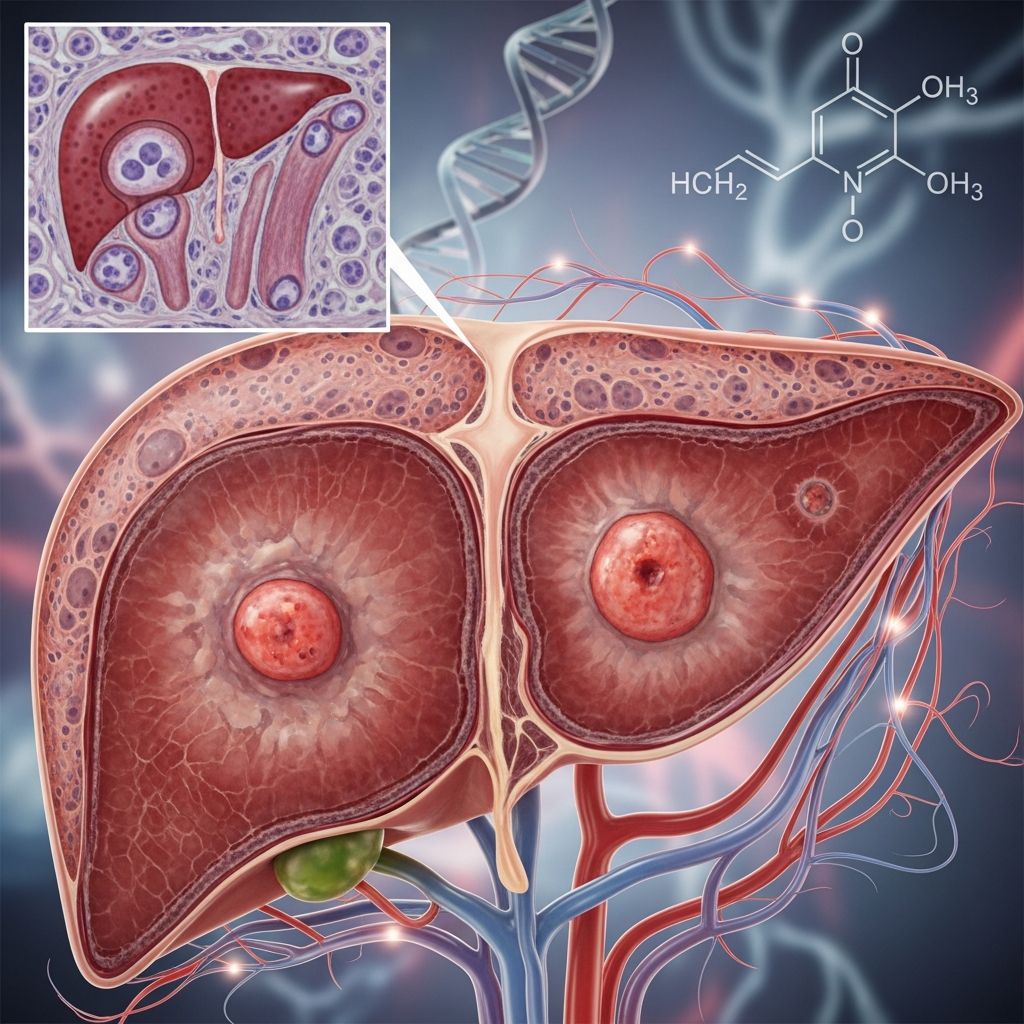
Understanding Hepatocellular Carcinoma
Hepatocellular carcinoma (HCC) is the most common form of liver cancer, accounting for approximately 85% to 90% of all primary liver cancers. This aggressive malignancy represents a significant global health burden, with an estimated incidence exceeding 1 million cases annually by 2025. As the sixth most common cancer diagnosis worldwide, HCC is also the third leading cause of cancer-related deaths, making it a critical public health concern requiring awareness, early detection, and comprehensive treatment strategies.
HCC typically develops in patients who have experienced years of liver disease, with cirrhosis being present in approximately 80% of diagnosed cases. However, the disease can develop in patients with advanced liver fibrosis or other chronic liver conditions, even without progressing to cirrhosis. Understanding this disease is essential for individuals at risk and their healthcare providers.
What Causes Hepatocellular Carcinoma?
Multiple risk factors contribute to the development of hepatocellular carcinoma, with chronic liver inflammation and damage being the common underlying mechanism. The primary causes include:
Viral Hepatitis Infections
Chronic hepatitis B virus (HBV) and hepatitis C virus (HCV) infections are the leading causes of HCC globally, accounting for more than 70% of cases. Hepatitis B is particularly noteworthy as it can lead to liver cancer without necessarily progressing through cirrhosis, though most cases do involve cirrhotic liver disease. The chronic inflammation caused by these viral infections leads to progressive liver fibrosis, scarring, and eventual carcinogenesis. The integration of viral genome into host DNA and specific molecular mutations, particularly in telomerase reverse transcriptase (TERT) promoter sites, contribute to cancer development in approximately 60% of HBV-associated HCC cases.
Alcoholic Liver Disease
Prolonged alcohol abuse can cause cirrhosis through chronic inflammation and oxidative stress, significantly increasing HCC risk. Long-term excessive alcohol consumption damages liver cells and promotes scarring, creating an environment conducive to malignant transformation.
Non-Alcoholic Fatty Liver Disease and Metabolic Syndrome
Non-alcoholic steatohepatitis (NASH) and metabolic dysfunction-associated steatotic liver disease (MASLD) are increasingly recognized risk factors for HCC, particularly in Western populations. These conditions, often associated with obesity, diabetes mellitus, and insulin resistance, can progress to cirrhosis and eventually HCC even without significant alcohol consumption. This represents a growing concern as metabolic disorders become more prevalent globally.
Understanding the Disease Mechanism
Hepatocellular carcinoma develops through a complex process of liver damage, inflammation, and malignant transformation. Cirrhosis, characterized by extensive scarring of liver tissue, represents a critical step in HCC development, particularly in viral hepatitis cases. Chronic inflammation in chronic HCV infection leads to fibrosis, tissue necrosis, and hepatocyte regeneration, which creates an unstable cellular environment. In HBV infection, viral genome integration into host cells drives oncogenic changes, while in NASH-related HCC, metabolic dysfunction and insulin resistance promote carcinogenesis.
The histopathological features of HCC vary depending on tumor differentiation, ranging from well-differentiated to poorly differentiated forms. The most common architectural pattern observed is trabecular, though pseudoacinar, compact, and sarcomatoid patterns also occur.
Related Stories



Recognizing Symptoms and Signs
Early-stage hepatocellular carcinoma often develops silently without noticeable symptoms, making regular screening crucial for at-risk populations. As the disease progresses, patients may experience various clinical manifestations:
Common Symptoms
Advanced HCC may present with abdominal pain or swelling, unintentional weight loss, fatigue, jaundice (yellowing of skin and eyes), and loss of appetite. Some patients develop paraneoplastic syndromes, which are systemic effects of cancer including hypoglycemia, erythrocytosis (elevated red blood cells), hypercalcemia, diarrhea, and specific skin manifestations such as pemphigus foliaceous and dermatomyositis.
Serious Complications
Symptomatic patients may present with variceal bleeding (ruptured esophageal veins), intraperitoneal bleeding, obstructive jaundice, pyogenic liver abscess, and hepatic encephalopathy. These complications indicate advanced disease requiring urgent medical intervention.
Diagnosis and Staging
Early detection of HCC dramatically improves treatment outcomes and survival rates. Diagnosis typically involves imaging studies and laboratory tests:
Diagnostic Imaging
Radiological diagnosis relies on the characteristic “wash-in, wash-out” pattern, a pathognomonic finding of HCC. This hallmark feature is characterized by hyperenhancement (brightening) during the arterial phase and hypoenhancement (dimming) during portal venous or delayed phases. This distinctive radiological pattern, observed in the setting of liver cirrhosis, is highly specific for HCC and can confirm diagnosis without requiring tissue biopsy. Advanced imaging techniques including CT and MRI scans provide detailed tumor characteristics essential for treatment planning.
Laboratory Tests
Blood tests measuring alpha-fetoprotein (AFP) levels serve as an important biomarker, though elevated levels alone are not diagnostic. Liver function tests, including bilirubin, albumin, and transaminases, assess underlying liver disease severity. Hepatitis B and C testing confirms viral status and contributes to understanding disease etiology.
Staging System
The Barcelona Clinic Liver Cancer (BCLC) staging system classifies HCC into stages 0 through D based on tumor size, extent, and liver function:
| Stage | Tumor Characteristics | Prognosis |
|---|---|---|
| 0 | Single nodule less than 2 cm | Cure is possible |
| A | 1 tumor of any size or 2-3 tumors all ≤3 cm confined to liver | Cure is possible |
| B | 2-3 tumors >3 cm or 4 or more tumors confined to liver | Cure less likely; cancer control possible for several years |
| C | Blood vessel invasion or spread beyond liver | Treatment possible; some patients achieve remission with immunotherapy |
| D | Same as C but patient cannot tolerate treatment | Supportive care recommended |
Treatment Options
Treatment approach depends on disease stage, liver function, overall health status, and patient preferences. Multiple therapeutic modalities offer varying outcomes:
Surgical Resection
Surgical removal of the tumor offers the best potential for cure, particularly in early-stage disease. Hepatic resection is considered when adequate liver function remains after tumor removal and no contraindications exist. Success rates are highest for Stage 0 and Stage A tumors, though carefully selected Stage B patients may also benefit.
Liver Transplantation
Orthotopic liver transplantation offers excellent long-term outcomes, particularly for early-stage HCC within transplant criteria. This approach simultaneously removes the cancer and replaces the diseased liver, addressing both malignancy and underlying cirrhosis. However, organ availability and patient eligibility criteria limit transplantation availability.
Ablation Therapies
Percutaneous ablation techniques, including radiofrequency ablation (RFA) and microwave ablation (MWA), destroy tumor tissue through thermal energy. These minimally invasive approaches suit patients with small tumors who cannot undergo surgery and provide effective local disease control with minimal morbidity.
Locoregional Therapies
Transarterial chemoembolization (TACE) delivers chemotherapy directly to the tumor while blocking its blood supply. Selective internal radiation therapy (SIRT) uses yttrium-90 microspheres to target tumors. These approaches are particularly valuable for intermediate-stage disease and bridging patients to transplantation.
Systemic Immunotherapy
Recent advances in immunotherapy have transformed advanced HCC treatment. Checkpoint inhibitors and combination immunotherapy regimens demonstrate promising response rates in advanced-stage disease, offering hope even for patients previously considered incurable. Some patients with very advanced HCC now achieve complete remission through these novel approaches.
Targeted Therapy
Tyrosine kinase inhibitors (TKIs) targeting angiogenesis and other molecular pathways provide systemic treatment options for advanced unresectable HCC. These agents slow disease progression and extend survival in patients ineligible for surgery or ablation.
Prognosis and Survival Outcomes
Hepatocellular carcinoma prognosis depends on multiple factors including tumor size, differentiation grade, underlying liver disease severity, metastatic spread, and treatment response. The five-year relative survival rate for HCC is approximately 18% to 21%, though this varies significantly based on disease stage and treatment approach.
Early-stage disease discovered through screening of at-risk populations demonstrates substantially better outcomes, with curative treatment achieving 5-year survival rates exceeding 50% in selected patients. Conversely, advanced-stage disease with vascular invasion or extrahepatic metastasis carries poor prognosis without effective treatment. The most common sites of HCC metastasis include the lungs, abdominal lymph nodes, bones, and adrenal glands.
Hospital volume and provider expertise significantly influence outcomes, with treatment at high-volume centers experienced in HCC management correlating with improved survival rates. Patient factors including age, performance status, and response to therapy also influence long-term outcomes.
Prevention and Risk Reduction
Several strategies reduce HCC development risk in susceptible populations. Hepatitis B vaccination prevents infection in unvaccinated individuals and should be administered according to recommended schedules. Direct-acting antiviral agents effectively treat chronic hepatitis C, potentially preventing progression to cirrhosis and HCC. Reducing alcohol consumption minimizes alcoholic liver disease risk, while weight management and diabetes control address metabolic syndrome-related risks.
Individuals with cirrhosis or chronic liver disease should receive regular HCC surveillance through imaging and biomarker assessment, typically at 6-month intervals, enabling early detection when curative treatment remains possible.
Living with Hepatocellular Carcinoma
HCC diagnosis profoundly impacts patients and families, requiring comprehensive medical and psychosocial support. Multidisciplinary care teams including hepatologists, oncologists, surgeons, radiologists, and supportive care specialists optimize treatment outcomes. Clinical trial participation may provide access to novel therapeutic approaches for appropriate candidates.
Nutritional support, management of liver disease complications, pain control, and psychosocial counseling enhance quality of life throughout the disease trajectory. Regular follow-up imaging and laboratory monitoring assess treatment response and detect recurrence early when intervention remains possible.
Frequently Asked Questions
Q: What is the difference between hepatocellular carcinoma and secondary liver cancer?
A: Hepatocellular carcinoma (HCC) is primary liver cancer originating in liver cells, while secondary liver cancer (metastatic cancer) starts elsewhere in the body and spreads to the liver. HCC is far more common and typically develops from chronic liver disease.
Q: Can hepatocellular carcinoma develop without cirrhosis?
A: Yes, though rare, HCC can develop without cirrhosis in patients with advanced liver fibrosis or certain viral infections, particularly chronic hepatitis B. However, approximately 80% of HCC patients have cirrhosis.
Q: How often should people at risk for HCC be screened?
A: Current recommendations typically suggest surveillance every 6 months for individuals with cirrhosis or advanced liver disease using imaging and AFP testing, enabling early detection when treatment is most effective.
Q: What is the success rate of hepatocellular carcinoma treatment?
A: Success depends on disease stage and treatment approach. Early-stage disease treated with surgery or transplantation achieves 5-year survival exceeding 50%, while advanced disease treated with immunotherapy shows variable response rates. Overall 5-year survival is approximately 18-21%.
Q: Can hepatocellular carcinoma be cured?
A: Yes, early-stage HCC can be cured through surgical resection, liver transplantation, or ablation. The key to curative treatment is early detection, making screening essential for high-risk patients.
References
- Hepatocellular carcinoma — Nature Reviews Disease Primers. 2020. https://www.nature.com/articles/s41572-020-00240-3
- Hepatocellular Carcinoma (HCC): Symptoms & Treatment — Cleveland Clinic. 2024. https://my.clevelandclinic.org/health/diseases/21709-hepatocellular-carcinoma-hcc
- Hepatocellular Carcinoma — StatPearls, National Center for Biotechnology Information. 2024. https://www.ncbi.nlm.nih.gov/books/NBK559177/
- What is Hepatocellular Carcinoma (HCC)? — Mount Sinai. 2024. https://www.mountsinai.org/care/cancer/services/liver/hepatocellular-carcinoma
- Hepatocellular Carcinoma: Risks, Symptoms & Treatments — American Liver Foundation. 2024. https://liverfoundation.org/liver-diseases/cancer/hepatocellular-carcinoma/
Similar Articles








Read full bio of medha deb