Herb-Drug Interactions: Understanding Safety Risks
Comprehensive guide to understanding potential interactions between herbal supplements and medications.
Understanding Herb-Drug Interactions: A Comprehensive Overview
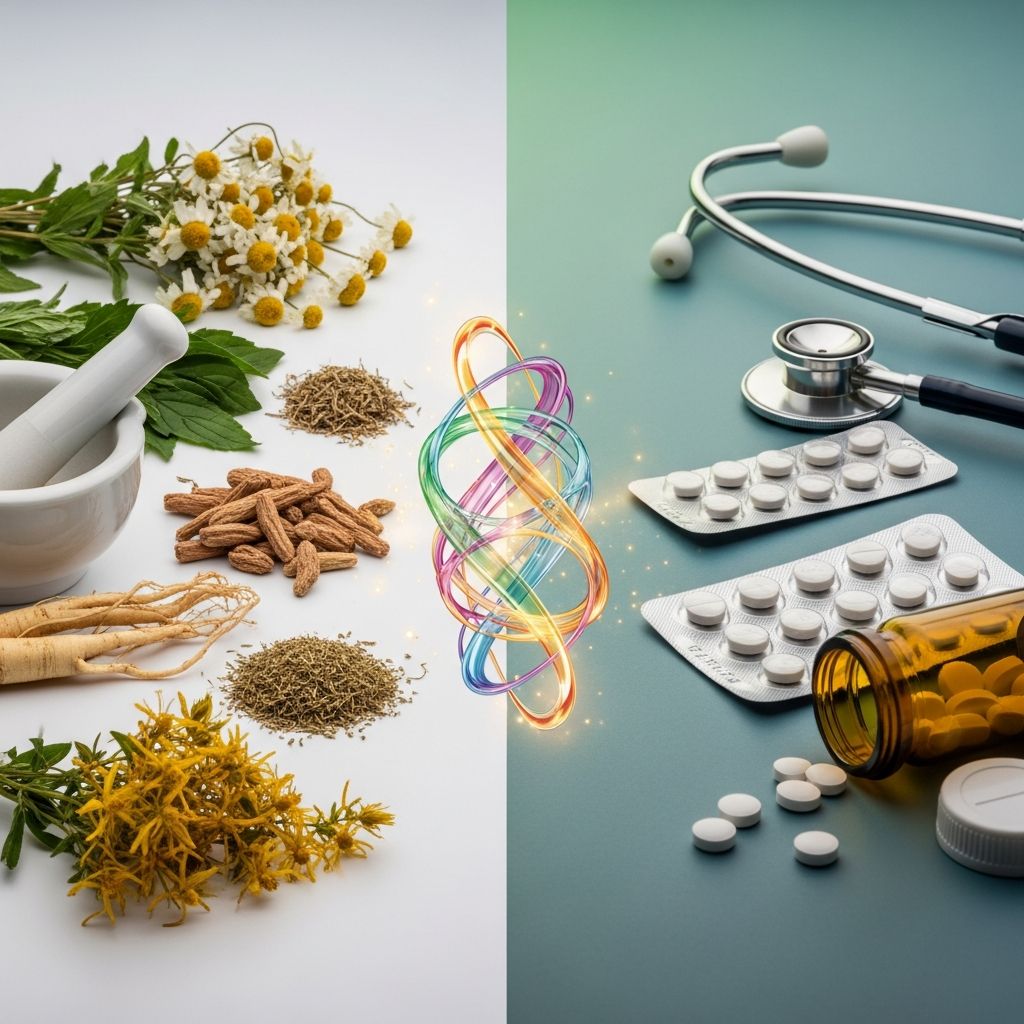
The use of dietary and herbal supplements has become increasingly popular among Americans seeking alternative health solutions. However, with this growing trend comes an important concern: the potential for harmful interactions between herbal products and medications. While many people believe that herbs and botanical products are inherently safe because they come from natural sources, research has demonstrated that these products carry the same dangers as other pharmacologically active compounds. Understanding herb-drug interactions is essential for both healthcare providers and patients who use these supplements alongside prescription or over-the-counter medications.
Interactions may occur between prescription drugs, over-the-counter drugs, dietary supplements, and even small molecules found in food, making it a significant challenge to identify all interactions of clinical concern. The National Center for Complementary and Integrative Health (NCCIH) recognizes that safety concerns about dietary and herbal supplements extend beyond interactions to include direct toxicities and potential contamination with active pharmaceutical agents.
The State of Current Research on Herb-Drug Interactions
One of the most critical issues surrounding herb-drug interactions is the limited nature of rigorous scientific research in this area. Most herb-drug interactions identified in current sources are hypothetical, inferred from animal studies or cellular assays, or based on other indirect means. While individual case reports of possible interactions have been published, they are often difficult to interpret and may not represent widespread concerns. Well-designed clinical studies evaluating herbal supplement-drug interactions remain limited and sometimes inconclusive.
Despite these limitations in research, attention to herb-drug interactions is particularly needed for medications with a narrow therapeutic index. These drugs include cancer chemotherapeutic agents, warfarin (an anticoagulant), and digoxin (a cardiac glycoside). With these medications, even small changes in drug levels can have significant clinical consequences. Patients taking medicines with narrow therapeutic indices should exercise special care in discussing their herbal supplement use with healthcare providers.
Common Herbs with Significant Interaction Potential
Asian Ginseng
Asian ginseng has been used for centuries in traditional medicine and remains one of the most popular herbal supplements in North America. However, there are significant uncertainties about its potential interactions with several classes of medications. Research suggests that ginseng might interact with calcium channel blockers, other high blood pressure medications, statin medications used for cholesterol management, and certain antidepressants.
One of the most concerning potential interactions involves the anticoagulant warfarin. Studies examining the effect of Asian ginseng on warfarin have produced mixed results, making it difficult for clinicians and patients to determine the true risk. This inconsistency underscores the need for more rigorous research on ginseng’s interaction potential.
Cat’s Claw
Cat’s claw, derived from a vine native to the Amazon rainforest, has been used for centuries by indigenous peoples to ward off disease. Today, it is promoted for various conditions including osteoarthritis, rheumatoid arthritis, cancer, and viral infections. However, the herb has demonstrated potential for multiple drug interactions that healthcare providers should consider.
Related Stories



Cat’s claw may interact with several categories of medications, including anticoagulant and antiplatelet drugs, antihypertensive medications, calcium channel blockers, cytochrome P450 3A4 (CYP3A4) substrates, and immunosuppressants. These diverse interaction mechanisms suggest that patients taking any of these medication classes should consult with healthcare providers before using cat’s claw supplements.
Chamomile
Chamomile is one of the most commonly consumed herbal teas worldwide, valued for its calming properties. Despite its widespread use and generally mild safety profile, chamomile has demonstrated potential for clinically significant interactions. Preliminary studies suggest that taking chamomile along with oral contraceptives might decrease the effects of birth control pills, potentially compromising contraceptive efficacy.
Chamomile may also have some of the same effects as estrogen, which raises concerns for individuals with conditions sensitive to estrogen exposure, such as breast or uterine cancer. Additionally, interactions between chamomile and some drugs metabolized by the liver, including warfarin, have been reported. There are theoretical reasons to suspect that chamomile might interact with other drugs as well, such as sedatives and central nervous system depressants.
While side effects from chamomile are generally uncommon, documented adverse reactions include nausea, dizziness, allergic reactions, severe hypersensitivity reactions, and anaphylaxis in susceptible individuals. People allergic to related plants such as ragweed, chrysanthemums, marigolds, or daisies are more likely to experience allergic reactions to chamomile. Additionally, little is known about the safety of chamomile use during pregnancy or while breastfeeding.
Cranberry
Cranberry products have gained considerable attention in recent years as a natural approach to preventing urinary tract infections (UTIs) and recurrent UTIs. This interest has grown partly due to concerns about antibiotic-resistant bacteria and the desire to explore nonantibiotic prevention strategies. However, the evidence regarding cranberry’s interaction with warfarin remains conflicting, making it difficult to provide definitive guidance on this combination.
Ginkgo Biloba
Ginkgo biloba, derived from one of the oldest surviving tree species, is widely used to support cognitive function and memory. However, this popular supplement carries notable interaction risks with certain medications. Taking Ginkgo biloba with warfarin is associated with an increased risk for major bleeding events compared to warfarin alone, making this combination particularly concerning.
Additionally, concomitant use of Ginkgo biloba preparations and efavirenz, a non-nucleoside reverse transcriptase inhibitor used in HIV treatment, is not recommended. Healthcare providers should carefully evaluate the use of ginkgo in patients taking these medications.
Goldenseal
Goldenseal is promoted for various conditions and is often used in combination with other herbal supplements. However, emerging research indicates a high risk of drug interactions with this herb. A 2017 review found goldenseal to have an overall high risk of drug interactions because it has been shown to inhibit two major metabolic enzymes: CYP2D6 and CYP3A4, which are responsible for the metabolism of more than half of currently used pharmaceutical agents.
Particularly concerning is the interaction with metformin, a commonly prescribed diabetes medication. A 2021 study found that levels of metformin decreased approximately 25 percent in healthy adults given goldenseal extract plus metformin. This reduction was substantial enough to potentially hinder glucose control in people with type 2 diabetes taking metformin, making the combination potentially problematic.
Green Tea
Green tea has been celebrated for its antioxidant properties and potential health benefits. However, concentrated green tea supplements at high doses have been shown to reduce blood levels and effectiveness of certain medications. Specifically, high-dose green tea has demonstrated the ability to reduce blood levels of nadolol, a beta-blocker used for high blood pressure and heart problems. Additionally, green tea extract can reduce blood levels of atorvastatin, a cholesterol-lowering statin medication. Green tea may also interact with other medicines, though more research is needed to fully characterize these interactions.
St. John’s Wort
St. John’s wort has become increasingly popular as a natural remedy for depression and mood disorders. However, this herb represents one of the most significant herb-drug interaction concerns among all available herbal supplements. St. John’s wort has an overall high risk of drug interaction because it is a potent inducer of both cytochrome P-450 enzymes and intestinal P-glycoprotein, which are crucial in the metabolism and transport of many medications.
Clinically significant interactions between St. John’s wort and numerous medications have been documented, including interactions with the immunosuppressant drug cyclosporine, the antiretroviral agent indinavir, oral contraceptives, warfarin, digoxin, and benzodiazepines, among others. In most instances, St. John’s wort speeds up the processes that change drugs into inactive substances, leading to a decrease in drug levels in the body and reduced medication effectiveness.
Additionally, taking St. John’s wort with certain antidepressants may lead to increased serotonin-related side effects, which may be potentially serious. This interaction is particularly concerning given that patients taking antidepressants may be attracted to St. John’s wort as a natural alternative or complementary treatment.
Mechanisms of Herb-Drug Interactions
Understanding how herb-drug interactions occur is essential for recognizing potential risks. Interactions typically occur through several mechanisms involving drug-metabolizing enzymes and transport proteins. The cytochrome P-450 enzyme system is particularly important, as many herbs can either inhibit or induce these enzymes, affecting how the body processes medications. When an herb inhibits these enzymes, medication levels may increase, potentially leading to toxicity. Conversely, when an herb induces these enzymes, medication levels may decrease, potentially reducing therapeutic effectiveness.
Another important mechanism involves intestinal P-glycoprotein, a transport protein that affects drug absorption and elimination. Some herbs can alter the function of this protein, affecting medication bioavailability. Additionally, some herbs may have pharmacological effects similar to certain medications, potentially additive or antagonistic effects when combined.
Key Recommendations for Healthcare Providers and Patients
Given the complexity and potential risks of herb-drug interactions, several important recommendations emerge from current evidence. Patients who take medicines with a narrow therapeutic index—including digoxin, cyclosporine, warfarin, and similar medications—should take special care to inform their healthcare providers about their use of herbal supplements. This communication is critical because even small changes in medication levels can cause significant health problems with these drugs.
Healthcare providers should routinely inquire about herbal supplement use during patient consultations, as patients may not spontaneously report this information. Additionally, resources such as the Natural Product/Drug Interaction Checker and the Natural Medicines Comprehensive Database can help healthcare professionals identify potential interactions and make informed recommendations.
Patients should understand that natural does not automatically mean safe, and that herbal supplements warrant the same careful consideration and monitoring as pharmaceutical medications. When considering herbal supplements, patients should discuss their use with healthcare providers, particularly if they are taking prescription medications or have chronic health conditions.
Frequently Asked Questions
Which herbs have the highest risk of drug interactions?
St. John’s wort and goldenseal have among the highest risks of drug interactions due to their potent effects on drug-metabolizing enzymes. Ginkgo biloba also carries significant interaction risks, particularly with anticoagulants like warfarin.
Can taking an herb with a medication increase or decrease the medication’s effects?
Yes. Some herbs can decrease medication effectiveness by speeding up the process that breaks down drugs into inactive substances, such as St. John’s wort. Other herbs can increase medication levels and side effects by slowing drug metabolism. Both scenarios can create clinical problems.
Why is there limited research on herb-drug interactions?
Well-designed clinical studies evaluating herbal supplement-drug interactions are expensive and time-consuming. Many interactions are identified through animal studies, cellular assays, or individual case reports, which provide less definitive evidence than rigorous clinical trials.
Should I stop taking my herbal supplements if I start a new medication?
You should not make this decision independently. Instead, consult with your healthcare provider about any herbal supplements you are taking before starting a new medication, or when starting supplements if you already take medications. Your provider can assess your specific situation and make recommendations.
Are there herbs that are generally considered safe to take with most medications?
While some herbs appear to have lower interaction potential than others, most herbal supplements have not been extensively studied for drug interactions. Fortunately, most herbal supplements don’t seem to have St. John’s wort’s or grapefruit juice’s extreme propensity for interacting with drugs. However, we don’t have enough data to reach conclusions about interactions involving most herbs used for health purposes.
What should I tell my healthcare provider about my herbal supplement use?
Provide your healthcare provider with a complete list of all herbal supplements you take, including the name of the product, the dose, frequency of use, and the reason you are taking it. This information will help your provider assess potential interaction risks.
References
- Herb-Drug Interactions: What the Science Says — National Center for Complementary and Integrative Health (NCCIH), National Institutes of Health. 2024. https://www.nccih.nih.gov/health/providers/digest/herb-drug-interactions-science
- Herb-Drug Interactions — National Center for Complementary and Integrative Health (NCCIH), National Institutes of Health. 2024. https://www.nccih.nih.gov/health/providers/digest/herb-drug-interactions
- 6 Tips: How Herbs Can Interact With Medicines — National Center for Complementary and Integrative Health (NCCIH), National Institutes of Health. 2024. https://www.nccih.nih.gov/health/tips/tips-how-herbs-can-interact-with-medicines
- Finding Answers to Questions About Drug-Herb Interactions — National Center for Complementary and Integrative Health (NCCIH), National Institutes of Health. 2024. https://www.nccih.nih.gov/research/blog/finding-answers-to-questions-about-drug-herb-interactions
Similar Articles








Read full bio of Sneha Tete