Herbal Medicine: Benefits, Risks, and Safe Usage
Understanding herbal medicine: evidence-based guidance on benefits, risks, and safe usage practices.
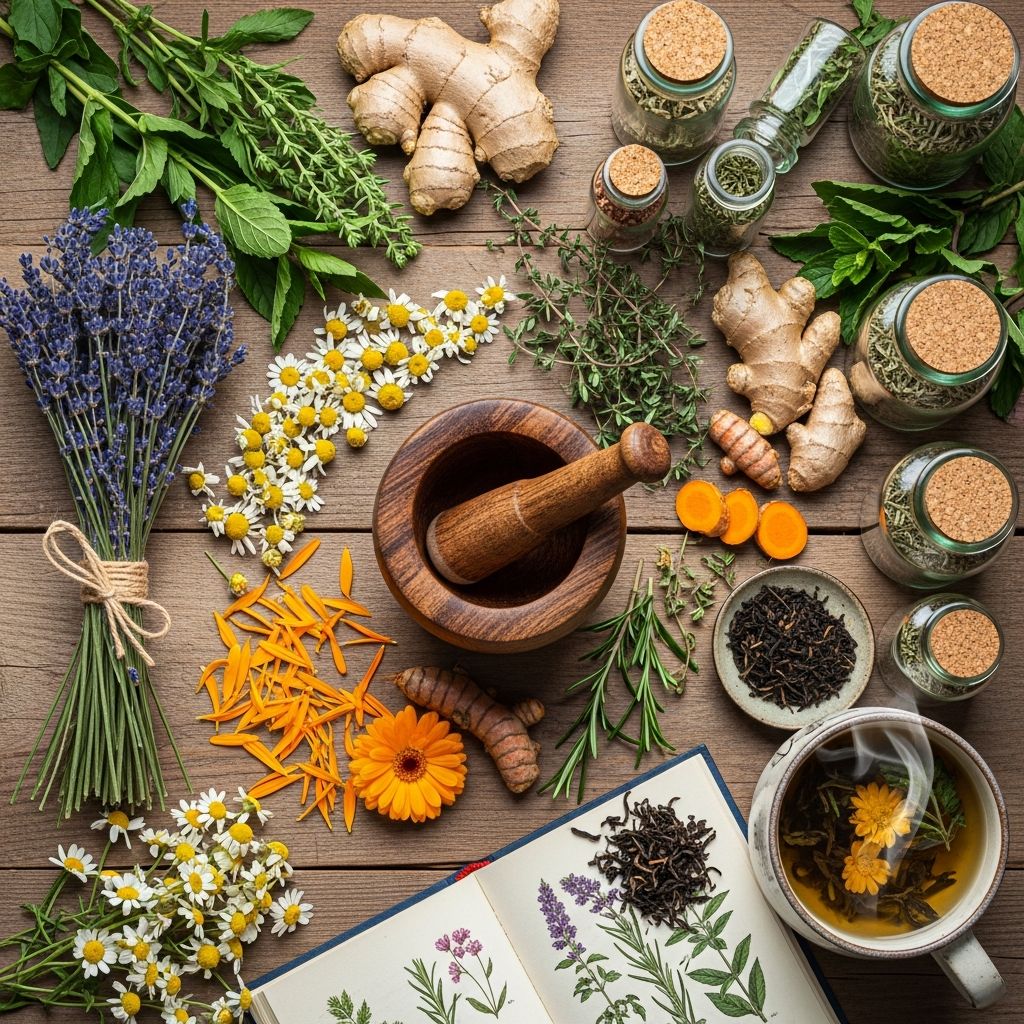
Understanding Herbal Medicine
Herbal medicine, also known as botanical medicine or phytomedicine, refers to the use of plants or plant parts for medicinal purposes. This ancient healing practice has been employed across cultures for thousands of years and continues to play a significant role in modern wellness and preventive health care. Today, millions of people worldwide incorporate herbal remedies into their health routines, either as complementary approaches alongside conventional medicine or as alternative treatments. Understanding what herbal medicine is, how it works, and how to use it safely is essential for anyone considering these natural remedies.
What Are Herbal Supplements?
Herbal supplements are one type of dietary supplement containing one or more herbs that are available without a prescription. According to the Dietary Supplement Health and Education Act (DSHEA) of 1994, dietary supplements are broadly defined as products containing one or more dietary ingredients, including vitamins, minerals, herbs or other botanicals, amino acids, enzymes, or extracts of these, which supplement the diet and are taken by mouth in various forms such as tablets, capsules, powders, liquids, teas, or fresh or dried plants.
Herbal medicines are marketed and sold in numerous formats to accommodate different preferences and needs. Whether you prefer traditional tea preparations, convenient capsules, concentrated extracts, or whole dried plant material, there is a herbal preparation available for most commonly used medicinal plants. This variety in delivery methods has contributed to the widespread adoption and accessibility of herbal remedies in contemporary wellness practices.
Why People Use Herbal Medicine
According to national estimates, herbal supplements are used for multiple wellness purposes among U.S. adults. The primary reasons people turn to herbal remedies include:
- General wellness or disease prevention (83.3%)
- Improving immune function (42.0%)
- Improving energy levels (31.0%)
- Focusing on holistic health—mind, body, and spirit (26.5%)
- Improving memory or concentration (22.2%)
Among herbal supplement users, many use these products concomitantly with prescription medications (38%) and over-the-counter medications (42%). Individuals dealing with chronic conditions such as stroke (48.7%), cancer (43.1%), and arthritis (43.0%) frequently incorporate herbal supplements into their treatment regimens. Higher education levels, regular use of OTC medications, and certain health conditions have been identified as predictors of herbal supplement use.
Potential Benefits of Herbal Medicine
When properly researched and appropriately used, herbal medicines can offer various health benefits. Many herbs contain biologically active compounds that have demonstrated therapeutic potential in scientific studies. Herbal medicines can support immune function, promote relaxation, aid digestion, reduce inflammation, and support overall wellness when used as part of a comprehensive health strategy.
The appeal of herbal medicine lies in its holistic approach to health, addressing not just symptoms but the underlying imbalances that may contribute to illness. Many people appreciate that herbal remedies often work gently with the body’s natural healing processes rather than forcefully suppressing symptoms.
Understanding Herbal-Drug Interactions
One of the most critical concerns regarding herbal supplements is their potential to interact with prescription medications and over-the-counter drugs. Herb-drug interactions (HDI) occur through two primary mechanisms:
Pharmacokinetic Interactions
These interactions result from alterations in drug levels or metabolite levels during the absorption, digestion, metabolism, or excretion (ADME) phases. Some herbs can enhance or inhibit the enzymes responsible for breaking down medications, leading to either increased drug concentrations (which may cause toxicity) or decreased concentrations (which may reduce therapeutic effectiveness).
Related Stories



Pharmacodynamic Interactions
These interactions occur through the direct action of herbs on drug targets or molecular pathways, resulting in additive, synergistic, or antagonistic changes in the pharmacological effects of medications. For example, combining herbs with blood-thinning properties with prescription anticoagulants could increase bleeding risk.
Safety Concerns and Adverse Health Outcomes
Although many people perceive herbal supplements as inherently safe because of their natural source, this assumption is not always accurate. Herbal supplements can produce various side effects and adverse health outcomes originating from biologically active herbal constituents, contaminants, or herb-drug interactions.
Liver Toxicity
One significant concern is herb-induced liver injury (DILI). Research indicates that herbal and dietary supplements account for a notable proportion of drug-induced liver injury cases. An Icelandic study revealed that 16% of DILI was attributed to herbal and dietary supplement use. In the United States, the DILI Network study demonstrated an increase in liver injury caused by herbal and dietary supplements from 7% to 20% during the 2004-2013 study period, resulting in hospitalizations, liver transplantations, and even death in severe cases.
Other Safety Considerations
Beyond liver toxicity, certain herbs can cause serious harm. Some herbs, such as comfrey and ephedra, have been associated with significant adverse effects. Additionally, herbs can interact with prescription or over-the-counter medicines, potentially compromising treatment efficacy or causing harmful interactions. The perioperative period presents particular concerns, as herbal medicines can produce sympathomimetic, sedative, and coagulopathic effects that may complicate anesthesia and surgery.
The Importance of Standardization and Regulation
Unlike pharmaceutical drugs, herbal supplements do not undergo the same rigorous testing and approval processes before being marketed to consumers. Three fundamental scientific principles should underlie the development and clinical use of any herbal medicine:
- Standardization and Regulation: There must be rigorous standardization and enforcement of the product being studied or used clinically to ensure consistency in active ingredient content and quality.
- Proof of Efficacy: Scientific proof of beneficial clinical effects must be established through rigorous clinical research, demonstrating value to the patient.
- Proof of Safety: Scientific proof of acceptable safety and toxicity profiles must be established through rigorous clinical research before widespread use.
Unfortunately, many herbal supplements currently on the market have not been systematically evaluated for both efficacy and safety. This gap in scientific evidence poses challenges for both patients and healthcare providers in making informed decisions about herbal supplement use.
How to Use Herbal Medicine Safely
Communicate with Your Healthcare Provider
The most important step in using herbal medicine safely is to inform your healthcare provider about any herbal supplements you are considering or currently taking. Research indicates that approximately 50% of patients do not inform their healthcare providers about complementary and alternative therapies, creating significant safety gaps. Healthcare providers need complete information about your medication regimen, including herbal supplements, to identify potential interactions and provide appropriate guidance.
Research Your Herbal Supplements
Before starting any herbal supplement, gather reliable information about it. Consult reputable sources such as the National Center for Complementary and Integrative Health (NCCIH), the National Institutes of Health (NIH), and other government health agencies. Avoid relying solely on marketing claims or anecdotal evidence. Look for scientific studies demonstrating both efficacy and safety.
Start with Quality Products
Choose herbal supplements from reputable manufacturers that follow good manufacturing practices (GMP). Quality products will clearly label their contents, ingredient amounts, and potential allergens. Look for third-party testing certifications when available, as these indicate additional quality assurance measures.
Be Aware of Your Individual Risk Factors
Certain individuals face higher risks from herbal supplements, including those taking multiple medications, pregnant or breastfeeding women, individuals with liver or kidney disease, and those scheduled for surgery. These populations should exercise particular caution and consult with healthcare providers before using herbal supplements.
Common Herbal Supplements and Considerations
Many herbs are used for specific health purposes. Some commonly used herbal supplements include ginseng for energy and immune support, ginger for digestive and anti-inflammatory purposes, echinacea for immune enhancement, St. John’s Wort for mood support, and turmeric for anti-inflammatory benefits. Each herb has specific properties, potential benefits, possible side effects, and drug interaction profiles that warrant careful consideration before use.
The Role of Healthcare Providers
Healthcare providers play a pivotal role in minimizing health risks associated with herbal supplements. Physicians can encourage patients to disclose herbal supplement usage through non-judgmental approaches, employ herb-drug interaction (HDI) screening tools, report adverse reactions to the FDA through the MedWatch program, and involve themselves in clinical research to advance the evidence base regarding herbal medicine safety and efficacy.
Future of Herbal Medicine Research
Due to the paucity of evidence concerning the safety and efficacy of herbal supplements in medical practice, healthcare providers can fill critical gaps by involving themselves in clinical research through collaboration with organizations like the National Institutes of Health (NIH). Rigorous scientific investigation is necessary to establish which herbal medicines offer genuine therapeutic benefits and which pose unacceptable safety risks. This research will help transform herbal medicine from a realm of traditional practice and anecdotal evidence into evidence-based medicine supported by solid scientific investigation.
Frequently Asked Questions
Q: Are all natural products safe to use?
A: No. Just because a product is labeled “natural” does not guarantee it is safe. Some herbs can cause serious adverse effects, and natural products can interact with medications. Always research herbal supplements and consult with your healthcare provider before use.
Q: Can herbal supplements replace prescription medications?
A: Herbal supplements should not replace prescribed medications without consulting your healthcare provider. While some herbs may have therapeutic potential, they typically have not undergone the same rigorous testing as pharmaceutical drugs. Any changes to your medication regimen should be made only under professional medical guidance.
Q: What should I do if I experience adverse effects from herbal supplements?
A: Stop taking the supplement immediately and contact your healthcare provider. Report the adverse reaction to the FDA through the MedWatch program. This information helps protect other consumers and contributes to the growing evidence base about herbal supplement safety.
Q: How can I determine if an herbal supplement is of good quality?
A: Look for products from reputable manufacturers that follow good manufacturing practices (GMP), clearly label their contents and ingredient amounts, and have undergone third-party testing. Reputable sources like the NCCIH and NIH can provide guidance on specific herbs and recommended products.
Q: Are there specific populations that should avoid herbal supplements?
A: Pregnant and breastfeeding women, individuals with liver or kidney disease, those taking multiple medications, and individuals scheduled for surgery should exercise particular caution. These groups should consult with healthcare providers before using herbal supplements due to increased risk of adverse effects or interactions.
References
- Clinical Implications of Herbal Supplements in Conventional Medical Practice — National Center for Biotechnology Information (NCBI), National Institutes of Health. 2022-08-25. https://pmc.ncbi.nlm.nih.gov/articles/PMC9375827/
- Herbal Medicine Development: A Plea for a Rigorous Scientific Approach — PubMed, National Library of Medicine. 2012. https://pubmed.ncbi.nlm.nih.gov/22964559/
- Herbal Medicine and Anesthesia — Johns Hopkins University Research Portal. 2024. https://pure.johnshopkins.edu/en/publications/herbal-medicine-and-anesthesia-5/
- Herbal Medicine — MedlinePlus, National Library of Medicine. 2024. https://medlineplus.gov/herbalmedicine.html
- Complementary and Alternative Medicine: Herbals — Johns Hopkins Diabetes Guide, The Johns Hopkins University. 2017-08-03. https://www.hopkinsguides.com/hopkins/view/Johns_Hopkins_Diabetes_Guide/547029/all/Complementary_and_Alternative_Medicine:_Herbals
- About Herbs, Botanicals and Other Products — Memorial Sloan Kettering Cancer Center. 2024. https://www.mskcc.org/cancer-care/diagnosis-treatment/symptom-management/integrative-medicine/herbs
Similar Articles








Read full bio of medha deb