Herbal Medicines While Breastfeeding: Safety Guidelines
Essential guidance on safe herbal use during lactation and protecting your infant
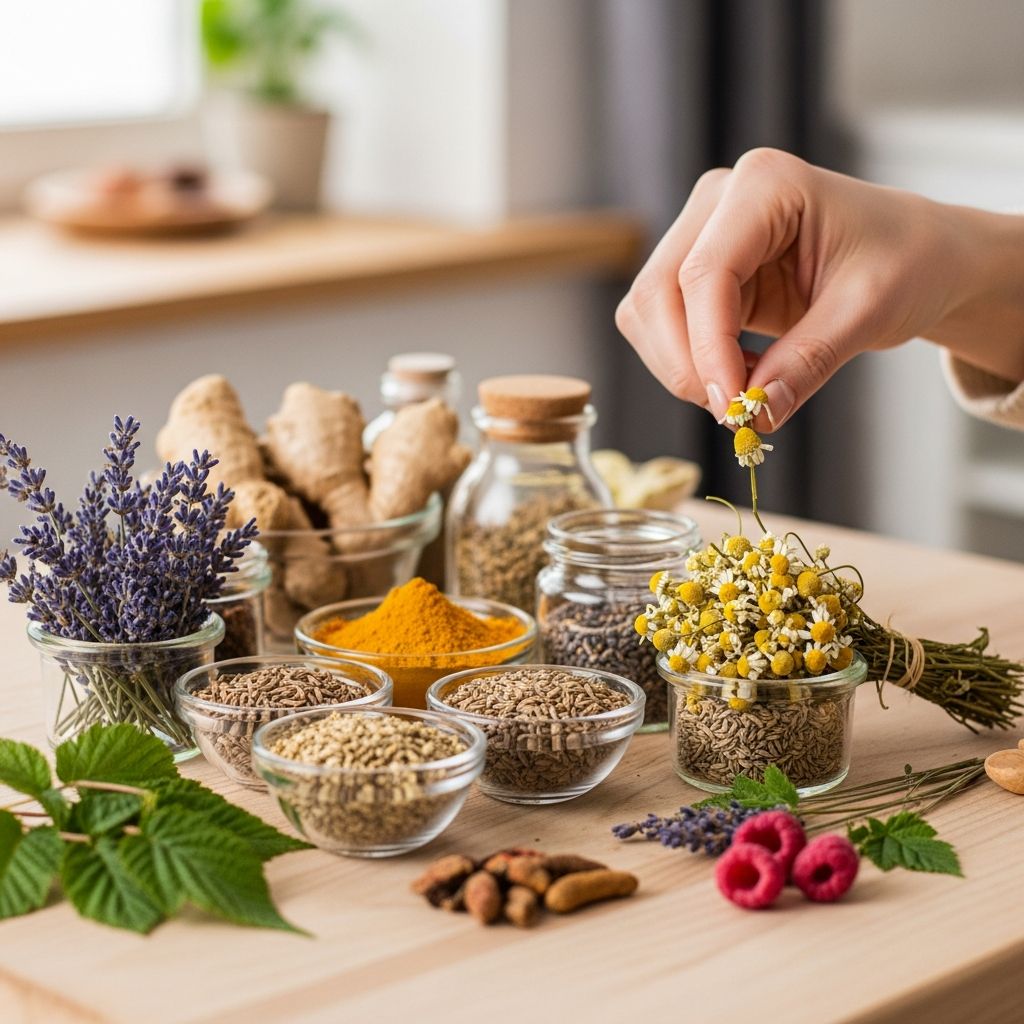
Many breastfeeding mothers seek natural remedies to address health concerns during lactation, turning to herbal medicines as alternatives to conventional pharmaceuticals. However, the decision to use herbal products while nursing requires careful consideration of potential risks to both maternal health and infant well-being. Unlike conventional medications that undergo rigorous regulatory testing before market approval, herbal remedies exist in a less regulated landscape with significant gaps in safety documentation for lactation.
Understanding the Unique Risks of Herbal Use During Breastfeeding
The primary concern with herbal medicines during breastfeeding stems from the reality that active plant compounds can transfer into breast milk, potentially affecting the nursing infant. Breast milk serves as the ideal nutritional source for babies, containing essential nutrients, antibodies, and protective factors that support healthy development. Introducing potentially harmful substances through breast milk undermines these protective benefits and may expose vulnerable infants to compounds their bodies are not equipped to metabolize efficiently.
A critical distinction exists between “natural” and “safe.” Many breastfeeding mothers assume that products labeled natural or herbal automatically pose minimal risk because they derive from plant sources. This assumption proves dangerous, as herbs are pharmacologically active substances—essentially drugs derived from botanical matter. The fact that something occurs naturally does not guarantee safety, particularly when considering how substances pass through breast milk to developing infants with immature metabolic systems.
The regulatory landscape further complicates safety assessment. In the United States and many other countries, herbal products sold as dietary supplements do not require the same rigorous testing and approval processes mandated for conventional medications. This regulatory gap means that comprehensive safety data for herbal medicines during breastfeeding often does not exist. Research specifically examining how herbal constituents affect nursing mothers and infants remains extremely limited compared to conventional drug safety studies.
How Herbal Constituents Transfer to Breast Milk
Understanding the mechanism of transfer helps explain why caution is warranted. When a breastfeeding mother ingests an herbal remedy, the active compounds within that plant material enter her bloodstream through normal digestive processes. From there, these substances have the potential to cross into breast milk through the same physiological pathways that allow beneficial nutrients and antibodies to pass to the infant.
The concentration of herbal constituents in breast milk varies depending on multiple factors including the specific herb, dosage consumed, frequency of administration, and individual maternal metabolism. Some plant compounds remain undetectable in breast milk at therapeutic doses, while others—such as berberine from certain plants—have been documented in measurable quantities in nursing mothers’ milk. This variability makes it impossible to provide universal safety assurances without specific research on individual herbs.
Infants present particular vulnerability during the breastfeeding period because their hepatic (liver) and renal (kidney) systems—the primary organs responsible for metabolizing and eliminating foreign substances—remain functionally immature. What constitutes a safe dose for an adult may represent a significant burden for a newborn or young infant whose metabolic capacity is substantially limited. Additionally, newborns and premature infants require heightened caution as their organ systems remain even less developed.
Practical Safety Considerations for Herbal Medicine Use
If a breastfeeding mother determines that herbal medicine use is necessary, several evidence-based strategies minimize potential risks to her infant:
- Timing of administration: Taking herbal remedies immediately following a nursing session or just before the infant’s longest sleep period reduces exposure to peak drug concentrations in breast milk. This timing strategy allows for maximum metabolism and clearance before the next feeding.
- Dosage minimization: Always use the lowest effective dose rather than standard adult doses or extra-strength formulations. Long-acting or extended-release herbal products should be avoided entirely due to sustained high concentrations in breast milk over extended periods.
- Single-ingredient preference: Avoid combination herbal products that contain multiple active ingredients. Combination formulations present compounded risks because the breastfeeding mother may lack complete knowledge of all constituents and their potential interactions or effects on the nursing infant.
- Brand reliability: Purchase herbal products only from reputable manufacturers that clearly label all ingredients with concentrations, expiration dates, and manufacturer information. Many herbal products contain undisclosed ingredients or inaccurate concentrations, creating additional uncertainty about safety.
- Medical consultation: Always discuss herbal remedy use with a healthcare provider before starting any product. Healthcare providers can assess potential interactions with other medications, evaluate whether the herbal remedy is truly necessary, and help identify safer alternatives if they exist.
Related Stories



Evaluating Specific Herbal Medicines During Lactation
Research has evaluated the safety profile of numerous herbal medicines used by nursing mothers, though conclusions vary based on available evidence quality. Some herbs have accumulated sufficient traditional use or preliminary research to receive cautious approval, while others present documented risks or insufficient safety data.
Herbs with established concerns: Certain herbs warrant outright avoidance during breastfeeding based on documented or theoretical risks. Milk thistle lacks sufficient safety documentation for breastfeeding use and should be avoided. St. John’s Wort presents limited efficacy and safety information, making alternative treatments preferable. Bearberry (uva ursi) contains compounds whose transfer to breast milk is considered inadvisable. Kava-kava has associations with severe liver damage, while buckthorn may cause digestive issues in nursing infants, and ephedra raises concerns about infant heart rate irregularities.
Herbs requiring cautious use: Some herbal medicines may be used cautiously under specific circumstances. Certain herbs containing salicylates have been reported to cause skin rashes in breast-fed infants, requiring careful monitoring. Other herbs have been traditionally used to support milk production (galactagogues) and may be considered at low doses when safety is reasonably established, though individual assessment remains essential.
Herbs with reasonable safety profiles: Some herbal remedies have accumulated sufficient evidence to suggest reasonable safety at appropriate doses. Raspberry leaf, when consumed as a tea in moderate quantities, is generally considered safe for breastfeeding mothers, though supplement forms warrant avoidance due to limited safety documentation. Certain other herbs traditionally used to support lactation have clinical trial evidence supporting their use at specified dose ranges, particularly when limiting doses to established safe thresholds.
Monitoring for Adverse Effects in Mother and Infant
When herbal medicine use proves necessary during breastfeeding, active monitoring becomes essential for early detection of adverse effects. The breastfeeding mother should be thoroughly familiar with all possible side effects of every constituent in any herbal product before initiating use. This knowledge allows her to recognize concerning changes in her own health and distinguish herbal effects from normal postpartum experiences.
Equally important is close observation of the nursing infant for any behavioral changes, physical symptoms, or unusual responses that might indicate adverse effects from herbal constituents in breast milk. Changes in feeding patterns, sleep quality, digestive function, skin appearance, or behavior warrant immediate medical evaluation to determine whether a causal relationship exists with maternal herbal use.
Parents should maintain open communication with their pediatrician regarding all maternal herbal medicine use, as this information helps guide clinical assessment if an infant develops concerning symptoms. Healthcare providers cannot accurately evaluate potential medication-related causes without complete knowledge of all substances the mother is consuming.
Herbal Teas and Beverages During Breastfeeding
Herbal teas occupy a somewhat ambiguous position in breastfeeding safety discussions. While some herbal teas contain only passive flavoring components with minimal pharmacological activity, others represent concentrated sources of active plant compounds. The critical distinction lies in whether the tea functions primarily as a beverage or as a therapeutic delivery method for active herbal constituents.
Recommendations emphasize consuming herbal teas only in moderation during breastfeeding. Excessive consumption of even “safe” herbal teas can lead to unintended high doses of active compounds. Additionally, many herbal tea products may contain undisclosed herbs as ingredients or fillers, creating uncertainty about what constituents are actually being consumed. Reading ingredient labels carefully and restricting consumption to reasonable quantities provides a harm-reduction approach when herbal teas are used.
Frequently Asked Questions About Herbal Use While Breastfeeding
Can I take herbal supplements while exclusively breastfeeding?
Herbal supplements can transfer to breast milk and potentially affect your infant. It is safest to avoid herbal supplements during exclusive breastfeeding unless you have thoroughly discussed the specific product with your healthcare provider and determined that benefits justify potential risks. Many conditions can be managed through non-pharmacological approaches, dietary modifications, or conventional medications with better-established safety profiles during breastfeeding.
How long after taking an herbal medicine should I wait before breastfeeding?
Timing depends on the specific herb and its pharmacological properties. General guidance recommends taking herbal remedies immediately after nursing or right before the infant’s longest sleep period to allow maximum time for maternal metabolism before the next feeding. However, specific recommendations vary by herb, making professional medical guidance essential for individual situations.
Are all natural or organic herbal products safe for breastfeeding?
Natural and organic designations do not guarantee safety during breastfeeding. Natural substances can be pharmacologically active and pose risks to nursing infants. “Organic” certification relates to cultivation practices and does not address safety for breastfeeding use. Each herbal product requires individual safety assessment regardless of natural or organic claims.
What should I do if I’ve already taken an herbal supplement while breastfeeding?
Most single doses of herbal remedies do not cause immediate harm. Monitor your infant for any unusual symptoms, behavioral changes, or physical signs over the following days. Contact your pediatrician if you notice concerning changes or if you consumed a substance known to pose breastfeeding risks. Inform your healthcare providers about what you took so they can provide appropriate guidance and monitoring.
Making Informed Decisions About Herbal Medicine Use
The decision to use herbal medicines during breastfeeding requires balancing several competing considerations. The desire to use natural remedies, the preference to avoid conventional pharmaceuticals, the need to address maternal health concerns, and the paramount obligation to protect infant well-being must all factor into decision-making processes. This complex balance is most effectively navigated through collaborative discussions with knowledgeable healthcare providers.
Before using any herbal product while breastfeeding, consider whether the health concern truly requires treatment, whether non-pharmacological approaches might address the issue, and whether safer alternative treatments exist. If herbal medicine represents the best available option, ensure thorough understanding of the specific product, its active constituents, known safety information for breastfeeding use, proper dosing, timing considerations, and potential adverse effects requiring medical attention.
The limited research available on herbal medicines in breastfeeding populations creates inherent uncertainty that cannot be completely eliminated. Accepting this uncertainty while implementing available safety strategies provides the most reasonable approach to protecting both maternal and infant health during the breastfeeding period.
References
- Kelly Mom — Kelly Bonyata, IBCLC. https://kellymom.com/bf/can-i-breastfeed/herbs/herbal_safety/
- Medications and Breastfeeding — American Academy of Pediatrics. https://www.healthychildren.org/English/ages-stages/baby/breastfeeding/Pages/Medications-and-Breastfeeding.aspx
- Herbal Safety & Breastfeeding — Wholistic Matters. 2024. https://wholisticmatters.com/wp-content/uploads/2024/08/Herbal-Safety-Breastfeeding-Landscape-Final.pdf
- Complementary Medicines and Breastfeeding — Women’s Health, The Royal Australian College of General Practitioners. https://www.thewomens.org.au/health-information/breastfeeding/medicines-drugs-and-breastfeeding/complementary-medicines-and-breastfeeding
- Herbs to Avoid While Breastfeeding — Twin Cities Breastfeeding Center. https://www.twincitiesbc.com/blog/herbs-to-avoid-while-breastfeeding
- Herbal and Traditional Medicines in Breastfeeding — E-Lactancia, Royal Australian College of General Practitioners. 2013. https://www.e-lactancia.org/media/papers/Herbal-traditional-medicines_BF-RoyalAustr2013.pdf
- Advice for Clinicians on Herbs and Breastfeeding — National Center for Biotechnology Information (NCBI). https://pmc.ncbi.nlm.nih.gov/articles/PMC4530286/
Similar Articles








Read full bio of Sneha Tete