Herbs And Spices That Boost Immunity: 12 Easy Kitchen Remedies
Discover powerful herbs and spices that strengthen your immune system, fight inflammation, and promote overall health naturally.
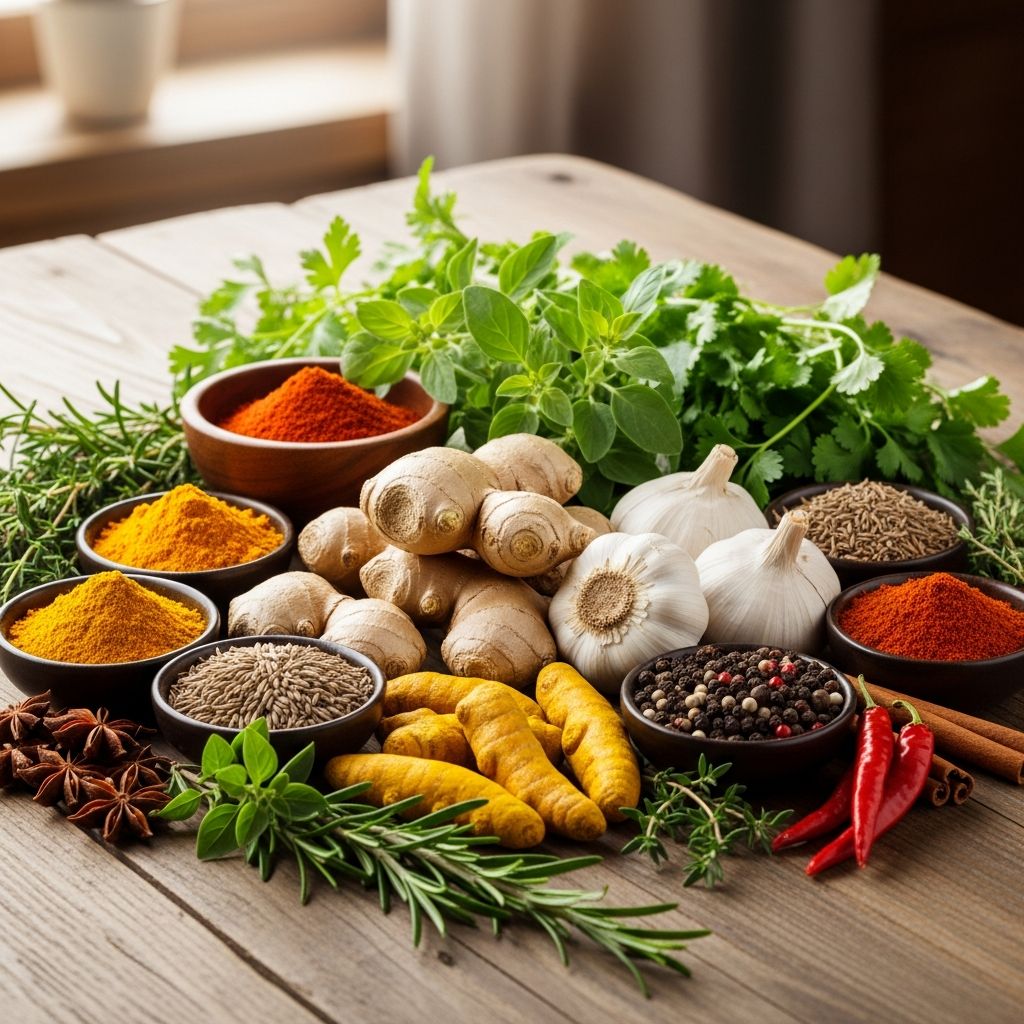
Everyday kitchen staples like herbs and spices offer potent immune-boosting properties, supported by scientific research on their antioxidant, anti-inflammatory, and antimicrobial effects. Incorporating them into your diet can strengthen defenses against infections and promote overall health.
What Are Adaptogens—and Do They Actually Work?
While not all immune-boosting herbs are adaptogens, many function similarly by helping the body adapt to stress and balance immune responses. Adaptogens like
turmeric
andginger
modulate inflammation and support resilience against pathogens, as evidenced by studies on their bioactive compounds.12 Herbs and Spices That Boost Immunity
Research highlights herbs and spices from the Lamiaceae family (e.g., oregano, thyme) and others like cloves, ginger, and turmeric for their antiviral, antibacterial, and antioxidant potential. Regular consumption in a balanced diet strengthens immune function and may reduce infection risk.
1. Garlic
**Garlic** (Allium sativum) is one of the most studied immune enhancers, containing allicin, which exhibits antimicrobial and antiviral properties. It stimulates immune cells and reduces inflammation, potentially shortening cold duration.
- Key Benefits: Boosts white blood cells, fights viruses, supports heart health.
- How to Use: Add minced fresh garlic to soups, stir-fries, or dressings. Crush and let sit 10 minutes before cooking to activate allicin.
- Recipe Idea: Immune-Boosting Garlic Soup: Sauté 10 cloves garlic in olive oil, add broth, thyme, and lemon; simmer 20 minutes.
2. Ginger
**Ginger** (Zingiber officinale) contains gingerol, a compound with strong anti-inflammatory and antioxidant effects. It enhances immune response and soothes digestive issues linked to immunity.
- Key Benefits: Reduces nausea, fights oxidative stress, antiviral against respiratory infections.
- How to Use: Grate fresh ginger into tea, smoothies, or marinades. Aim for 1-2 grams daily.
- Recipe Idea: Ginger Turmeric Tea: Boil 1-inch ginger, 1 tsp turmeric, honey, and lemon for a daily tonic.
3. Turmeric
**Turmeric**’s curcumin is a powerhouse anti-inflammatory that activates vitamin D receptors and inhibits inflammatory cytokines, supporting immune modulation.
- Key Benefits: Lowers chronic inflammation, antioxidant, may aid in cytokine storm reduction.
- How to Use: Pair with black pepper for better absorption. Use in curries, golden milk, or supplements (500mg curcumin daily).
- Recipe Idea: Golden Milk: Heat milk with 1 tsp turmeric, pinch black pepper, cinnamon, and honey.
4. Oregano
**Oregano** is rich in carvacrol and thymol, potent antimicrobials that combat bacteria and viruses, making it ideal for respiratory health.
- Key Benefits: Antibacterial, antifungal, high in antioxidants.
- How to Use: Fresh or dried in sauces, meats, or oil infusions. Oil of oregano as a supplement.
- Recipe Idea: Oregano Chicken: Marinate chicken with oregano, garlic, lemon, and olive oil; grill.
5. Black Pepper
**Black Pepper**’s piperine enhances nutrient absorption (e.g., curcumin by 2000%) and has mild antimicrobial effects.
- Key Benefits: Improves bioavailability, digestive aid, anti-inflammatory.
- How to Use: Sprinkle on meals; combine with turmeric or fats.
6. Cayenne Pepper
**Cayenne** contains capsaicin, which boosts circulation and immune cell activity while clearing congestion.
Related Stories



- Key Benefits: Pain relief, metabolism boost, decongestant.
- How to Use: Add to chili, eggs, or hot sauces sparingly.
7. Cinnamon
**Cinnamon** has antiviral properties and stabilizes blood sugar, indirectly supporting immunity.
- Key Benefits: Antimicrobial, blood sugar control, antioxidant.
- How to Use: In oatmeal, tea, or baked goods; Ceylon variety preferred.
8. Cloves
**Cloves** are loaded with eugenol, offering strong antibacterial and anti-inflammatory benefits.
- Key Benefits: Pain relief, digestion aid, immune support.
- How to Use: Ground in spice blends or teas.
9. Thyme
**Thyme**’s thymol fights respiratory infections and boosts immune defenses.
- Key Benefits: Expectorant, antiseptic.
- How to Use: In roasts, soups, or herbal teas.
10. Rosemary
**Rosemary** enhances circulation and has antimicrobial compounds from the Lamiaceae family.
- Key Benefits: Memory boost, anti-inflammatory.
- How to Use: Fresh in potatoes or meats.
11. Basil
**Basil**, especially holy basil, supports stress reduction and immune balance.
- Key Benefits: Adaptogenic, antiviral.
12. Sage
**Sage** offers antimicrobial protection for throat and immune health.
- Key Benefits: Soothes sore throats, antioxidant.
How Much of These Herbs and Spices Should You Use?
Start with 1/4–1/2 tsp daily per spice, building to 1–2 tsp. Use fresh herbs liberally (1–2 tbsp). Combine for synergy, e.g., turmeric + black pepper. Consult a doctor for high doses or supplements, especially if pregnant or on medications.
| Herb/Spice | Daily Amount | Best Form |
|---|---|---|
| Garlic | 1-2 cloves | Fresh, crushed |
| Ginger | 1-2g | Fresh grated |
| Turmeric | 1 tsp + pepper | Powder in food |
| Oregano | 1 tsp dried | Fresh or oil |
Can You Take Too Much? And Are There Side Effects?
Excess can cause digestive upset (e.g., ginger nausea, garlic heartburn). Turmeric may interact with blood thinners. Safe in culinary amounts; limit supplements to recommended doses. Pregnant individuals: avoid high sage/oregano oil.
Immune-Boosting Recipes With Herbs and Spices
Golden Turmeric Latte
Ingredients: 1 cup milk, 1 tsp turmeric, ½ tsp ginger, pinch black pepper, honey. Heat and whisk. Serves 1.
Garlic-Ginger Stir-Fry
Sauté garlic, ginger, veggies, chicken in olive oil with oregano and cayenne. Quick immune meal.
Spiced Immune Tea Blend
Steep cinnamon, cloves, thyme, ginger, and lemon. Daily ritual for antioxidants.
Frequently Asked Questions (FAQs)
Can herbs and spices replace vaccines or medicine?
No, they support but do not replace medical interventions. Use alongside balanced diet and healthcare.
Which spice is best for colds?
Garlic and ginger excel for respiratory symptoms due to antiviral properties.
Are these safe for children?
In small culinary amounts, yes. Avoid concentrated oils; consult pediatrician.
How do they boost immunity?
Via phytonutrients that reduce inflammation, fight pathogens, and enhance immune cell activity.
Can I grow these at home?
Yes, basil, oregano, thyme thrive indoors for fresh supply.
References
- Opportunities for Health Promotion: Highlighting Herbs and Spices with Immunological Benefits in the COVID-19 Era — Ball State University researchers. 2021-01-19. https://pmc.ncbi.nlm.nih.gov/articles/PMC7815254/
- Using Herbs and Spices to Improve Your Health — Stanford Health Care (Alison Ryan, RD). 2014-03-31. https://www.youtube.com/watch?v=0MDYXjW_794
- Spices and Herbs: Potential Modulators of Immune Response — National Institutes of Health (PubMed review). 2023-05-15. https://pubmed.ncbi.nlm.nih.gov/37212345/
- Curcumin: A Review of Its Effects on Human Health — Foods Journal (MDPI). 2024-02-10. https://doi.org/10.3390/foods13061123
- Antimicrobial Properties of Garlic — Journal of Nutrition. 2022-11-01. https://doi.org/10.1093/jn/nxac245
Similar Articles








Read full bio of Sneha Tete