6 Tips: How Herbs Can Interact With Medicines
Essential guide to understanding herb-drug interactions and protecting your health.
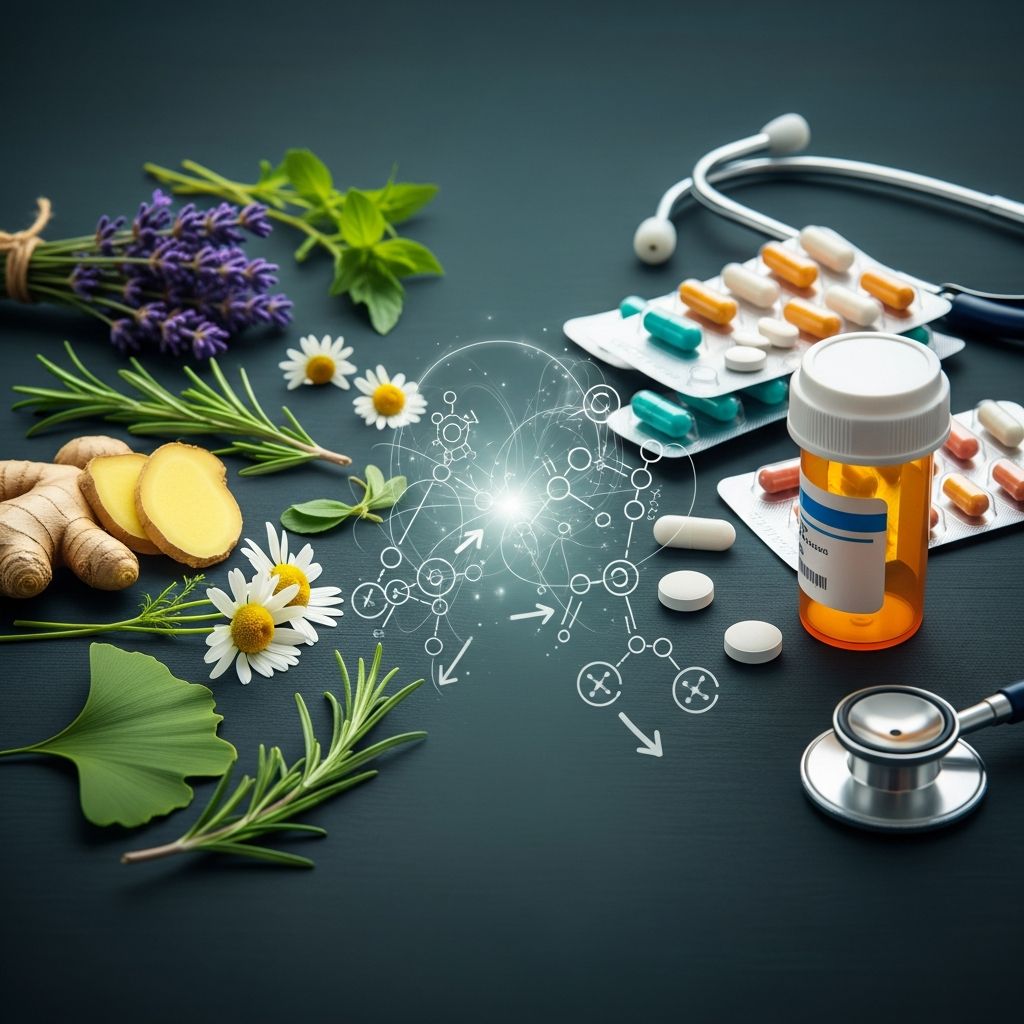
Millions of people worldwide take both herbal supplements and prescription or over-the-counter medications simultaneously. While many believe that natural herbs are inherently safe, the reality is far more complex. Herbal supplements contain pharmacologically active compounds that can significantly interact with conventional medications, potentially compromising treatment effectiveness or causing serious adverse effects. Understanding these interactions is crucial for anyone combining herbal remedies with pharmaceutical treatments.
The challenge of identifying herb-drug interactions is substantial. Many interactions documented in medical literature are hypothetical, inferred from animal studies or laboratory assays rather than rigorous human clinical trials. However, for drugs with a narrow therapeutic index—such as cancer chemotherapy agents, warfarin (a blood thinner), and digoxin (a heart medication)—even small changes in drug levels can create significant health problems. This guide provides six essential tips about herbs that pose the highest risk of interactions with medications.
Understanding Herb-Drug Interactions
Before examining specific herbs, it is important to understand how interactions occur. Herbal supplements can either decrease or increase the effects of medications. When an herb decreases medication effectiveness, patients may not receive the therapeutic benefit they need. Conversely, when an herb increases medication effects, patients may experience dangerous side effects or toxicity. Some herbs work through multiple mechanisms, creating complex interactions that even healthcare providers may not immediately recognize.
The science of herb-drug interactions remains an evolving field. Well-designed clinical studies evaluating herbal supplement interactions with drugs are limited and sometimes inconclusive. Concerns about these interactions are often not based on rigorous research, yet the potential for harm demands attention, particularly for individuals taking multiple medications or those with chronic health conditions.
St. John’s Wort: A High-Risk Herb
St. John’s wort stands out as one of the most problematic herbs regarding drug interactions. This herb, commonly used to support mood and emotional well-being, interacts with many types of drugs through multiple mechanisms. In most cases, St. John’s wort speeds up the metabolic processes that convert drugs into inactive substances, significantly reducing drug levels in the bloodstream. This acceleration of drug metabolism can lead to decreased effectiveness of numerous medications.
The documented interactions are extensive and clinically significant. St. John’s wort has been shown to interact with immunosuppressant drugs like cyclosporine, antiretroviral agents such as indinavir, oral contraceptives (birth control pills), warfarin, digoxin, and benzodiazepines. Additionally, St. John’s wort can interact with certain antidepressants in a different manner, increasing the risk of serious serotonin-related side effects—a potentially life-threatening condition known as serotonin syndrome.
The mechanism behind St. John’s wort’s extensive interactions lies in its potent effects on cytochrome P-450 enzymes and intestinal P-glycoprotein, both crucial in drug metabolism. This makes St. John’s wort a potent inducer of drug-metabolizing systems, explaining its high overall risk of drug interactions.
Asian Ginseng: Uncertain Interactions
Asian ginseng is a popular herbal supplement promoted for energy, immune support, and various other health benefits. However, significant uncertainties surround its interactions with medications. Research suggests that Asian ginseng might interact with several important drug classes, including calcium channel blockers and other high blood pressure medications, statin medications used for cholesterol management, and some antidepressants.
The evidence regarding ginseng and warfarin, a critical blood thinner, is particularly concerning because studies have produced mixed results. Some investigations suggest interactions may occur, while others show minimal effects. This inconsistency makes it difficult for healthcare providers to give clear guidance to patients taking warfarin who wish to use ginseng supplements.
Additionally, some studies of Asian ginseng suggest potential safety concerns during pregnancy. One of the chemicals found in ginseng has demonstrated the ability to cause birth defects in animal studies, raising questions about its safety for pregnant women. Women of childbearing age taking ginseng should discuss pregnancy plans with their healthcare providers.
Green Tea and Concentrated Green Tea Supplements
Green tea, widely consumed for its antioxidant properties and general health benefits, can present problems when taken in concentrated supplement form. While drinking moderate amounts of green tea is generally considered safe, concentrated green tea supplements at high doses have demonstrated the capacity to reduce blood levels and effectiveness of certain medications.
Research has documented that green tea extract can significantly reduce blood levels of atorvastatin, a commonly prescribed cholesterol-lowering drug. Additionally, high doses of green tea have been shown to reduce blood levels of nadolol, a beta-blocker used to treat high blood pressure and heart conditions. The mechanism involves green tea’s effects on drug metabolism and absorption.
The implications are clear: individuals taking cholesterol-lowering medications or beta-blockers should exercise caution with concentrated green tea supplements and inform their healthcare providers about their use. The distinction between drinking green tea and taking concentrated supplements is important, as the concentration of active compounds differs substantially.
Goldenseal: High Risk of Multiple Interactions
Goldenseal, an herb commonly used for immune support and to address various infections, carries a notably high risk of drug interactions. Research has identified that goldenseal inhibits two major metabolic enzymes: CYP2D6 and CYP3A4. These enzymes are responsible for metabolizing more than half of all currently used pharmaceutical agents, making goldenseal’s effects particularly concerning.
A particularly significant finding emerged from a 2021 study examining goldenseal’s interaction with metformin, a first-line medication for type 2 diabetes. The study found that levels of metformin decreased approximately 25 percent in healthy adults who received goldenseal extract alongside metformin. This reduction was substantial enough to potentially hinder glucose control in people with type 2 diabetes who depend on metformin for blood sugar management.
Given goldenseal’s broad effects on drug metabolism, individuals taking any medications should inform their healthcare providers about goldenseal use before starting supplementation. The potential for interactions is simply too significant to ignore.
Other Herbs with Interaction Potential
Beyond the four herbs discussed in detail, other botanical supplements carry notable interaction risks. Cat’s claw, used traditionally and now promoted for arthritis, osteoarthritis, cancer, and viral infections, may interact with anticoagulant and antiplatelet drugs, antihypertensive medications, calcium channel blockers, CYP3A4 substrates, and immunosuppressants.
Chamomile, commonly used for relaxation, digestive support, and sleep, presents its own interaction concerns. Preliminary studies suggest that chamomile taken with oral contraceptives might decrease contraceptive effectiveness. Chamomile also interacts with drugs metabolized by the liver and warfarin, and theoretical concerns exist regarding interactions with sedatives. Additionally, because chamomile may have estrogen-like effects, it could potentially worsen conditions sensitive to estrogen exposure, such as breast or uterine cancer.
Cranberry, promoted for urinary tract infection prevention, presents conflicting evidence regarding interactions with warfarin. This inconsistency means patients on warfarin therapy should seek individual guidance before using cranberry supplements. Ginkgo biloba, popular for cognitive support, demonstrates clear interaction risks. Taking Ginkgo biloba with warfarin is associated with increased risk for major bleeding events compared to warfarin alone. Additionally, concomitant use of Ginkgo biloba and efavirenz, an antiretroviral medication for HIV, is not recommended.
Special Considerations for Narrow Therapeutic Index Drugs
Certain medications require particular vigilance regarding herbal interactions. Drugs with a narrow therapeutic index have a small window between an effective dose and a toxic dose. For these medications, even small changes in blood levels can cause significant problems. Examples include digoxin (used for heart conditions), cyclosporine (an immunosuppressant), warfarin (a blood thinner), and certain cancer chemotherapy agents.
Patients taking any of these medications should inform their healthcare providers about all herbal supplements they use or plan to use. The interaction risks are too substantial to proceed without professional guidance. Healthcare providers can assess individual circumstances and monitor patients more carefully when necessary.
Key Tips for Safe Herbal Use With Medications
Based on current scientific evidence, several practical recommendations can help individuals safely navigate herbal supplement use alongside medications:
Tip 1: Always Inform Healthcare Providers – Before starting any herbal supplement, inform your doctor, pharmacist, or other healthcare provider. This is especially critical if you take prescription medications or have chronic health conditions.
Tip 2: Disclose All Supplements – Provide a complete list of all dietary and herbal supplements you currently take, including vitamins, minerals, and botanical products. Many people fail to mention supplements, assuming healthcare providers only care about prescription medications.
Tip 3: Research Thoroughly – Consult reliable sources such as government health agencies, medical institutions, and peer-reviewed scientific literature when researching herbal supplements and their potential interactions.
Tip 4: Monitor Your Response – After starting an herb-medication combination, pay attention to any changes in how your medications work or new symptoms that develop. Report these observations to your healthcare provider.
Tip 5: Be Cautious With Concentrated Supplements – Concentrated herbal extracts and supplements often contain much higher concentrations of active compounds than whole herbs or herbal teas. Exercise extra caution with concentrated products.
Tip 6: Consider Individual Factors – Pregnancy, breastfeeding, liver disease, kidney disease, and age can all affect how herbs and medications interact. These factors should influence your decisions about supplement use.
The Current State of Research
It is important to recognize that the science of herb-drug interactions remains incomplete. Many documented interactions are based on theoretical concerns rather than extensive human clinical trials. However, this does not mean the risks are negligible. The lack of rigorous research should not be interpreted as proof that interactions do not occur.
Unfortunately, for many medicines and supplements, there is currently little information available on possible interactions, and more research is needed. This knowledge gap underscores the importance of professional guidance when combining herbal supplements with medications. Healthcare providers can assess your individual situation, review current literature, and monitor your health appropriately.
When to Seek Professional Guidance
Certain situations demand immediate professional consultation regarding herbal supplement use:
– You take medications with a narrow therapeutic index (digoxin, cyclosporine, warfarin, cancer drugs)- You are pregnant or breastfeeding- You have liver or kidney disease- You take multiple medications- You experience new or worsening symptoms after starting an herbal supplement- You notice changes in medication effectiveness- You are considering stopping a medication to use an herbal alternative
Frequently Asked Questions About Herb-Drug Interactions
Q: Are all herbal supplements dangerous when taken with medications?
A: Not all herbal supplements pose significant interaction risks. However, many do carry potential for interactions, and the risk varies depending on the specific herb, specific medication, dosage, frequency of use, and individual health factors. Some supplements have minimal documented interactions, while others like St. John’s wort and goldenseal carry high interaction risks.
Q: Can I take herbal supplements if I tell my healthcare provider?
A: Many people can safely take herbal supplements alongside medications with appropriate healthcare provider oversight. The key is informed decision-making. Your healthcare provider can review your specific situation, assess interaction risks, recommend dosing adjustments if necessary, and monitor your health for any problems.
Q: Do natural products automatically mean safer?
A: No. Natural does not equal safe. Herbal supplements contain pharmacologically active compounds that can have potent effects on the body, just like pharmaceutical medications. Many herbs have been associated with serious side effects and significant drug interactions.
Q: How can I find reliable information about herb-drug interactions?
A: Consult government health agencies, academic medical centers, peer-reviewed scientific journals, and your healthcare providers. Avoid relying solely on product marketing materials or unverified online sources. The National Center for Complementary and Integrative Health (NCCIH) provides evidence-based information about herbs and their interactions.
Q: What should I do if I have already been taking an herbal supplement with my medications?
A: Contact your healthcare provider immediately. Do not suddenly stop taking either the supplement or medication without professional guidance. Your provider can assess your situation, check for potential problems, and determine whether adjustments are needed.
References
- Herb-Drug Interactions: What the Science Says — National Center for Complementary and Integrative Health (NCCIH), National Institutes of Health. 2024. https://www.nccih.nih.gov/health/providers/digest/herb-drug-interactions-science
- Herb-Drug Interactions — National Center for Complementary and Integrative Health (NCCIH), National Institutes of Health. 2024. https://www.nccih.nih.gov/health/providers/digest/herb-drug-interactions
- 6 Tips: How Herbs Can Interact With Medicines — National Center for Complementary and Integrative Health (NCCIH), National Institutes of Health. 2024. https://www.nccih.nih.gov/health/tips/tips-how-herbs-can-interact-with-medicines
- A Guide to Herbal Remedies — Mount Sinai Health System, New York. 2024. https://www.mountsinai.org/health-library/special-topic/a-guide-to-herbal-remedies
- Herbs at a Glance — National Center for Complementary and Integrative Health (NCCIH), National Institutes of Health. 2024. https://www.nccih.nih.gov/health/herbsataglance
Similar Articles




Read full bio of Sneha Tete