Hereditary Angioedema: A Comprehensive Guide
Explore the causes, symptoms, diagnosis, and latest treatments for hereditary angioedema, a rare genetic disorder causing severe swelling episodes.

Hereditary angioedema (HAE) is a rare genetic disorder characterized by recurrent episodes of severe swelling in various parts of the body, potentially leading to life-threatening complications if not managed properly. Unlike common allergic reactions, HAE swelling does not respond to standard treatments like antihistamines and stems from defects in specific blood proteins that regulate inflammation.
Understanding the Genetic Roots of HAE
At its core, HAE arises from mutations affecting the body’s control over certain inflammatory pathways. The majority of cases involve the SERPING1 gene, which codes for C1-inhibitor (C1-INH), a crucial protein that suppresses enzymes in the complement, contact, and fibrinolytic systems. In Type I HAE, the most prevalent form accounting for about 85% of cases, C1-INH levels are significantly reduced, often to 5-30% of normal. Type II, comprising around 15%, features normal or elevated C1-INH levels but with dysfunctional protein unable to perform its inhibitory role effectively.
Type III HAE, rarer and historically more challenging to diagnose, occurs with normal C1-INH levels and function. It is linked to mutations in genes like F12, which encodes factor XII, a component of the contact activation pathway that generates bradykinin, the key mediator of swelling in all HAE types. These genetic changes disrupt the balance, allowing unchecked production of bradykinin, a peptide that dilates blood vessels and increases their permeability, forcing fluid into surrounding tissues.
Inheritance follows an autosomal dominant pattern, meaning a single mutated gene from one parent suffices to cause the condition. However, penetrance is nearly 100%, though attack frequency varies widely even within families due to modifiers like hormonal influences or environmental factors. De novo mutations can also occur, explaining sporadic cases without family history.
Recognizing the Signs: Symptoms and Attack Patterns
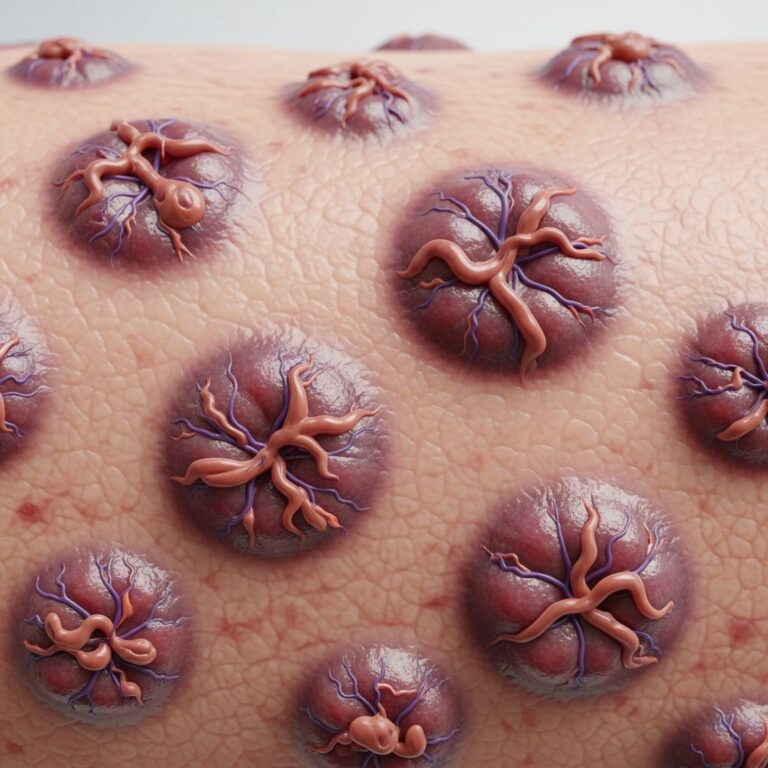
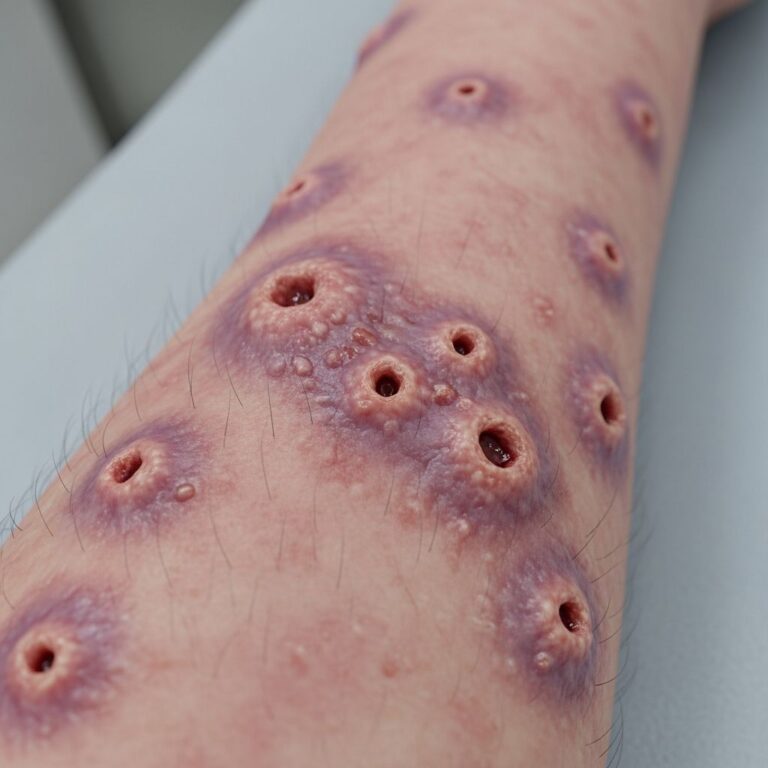
HAE attacks manifest as non-pitting, non-pruritic swelling that can affect the skin, gastrointestinal tract, or upper airways. Cutaneous episodes involve the extremities, face, genitals, or trunk, appearing as asymmetric, doughy swellings that grow over hours and resolve in 2-5 days without intervention. Abdominal attacks, mimicking acute conditions like appendicitis, cause intense pain, nausea, vomiting, and diarrhea from intestinal wall edema; these account for about 50% of episodes and often lead to unnecessary surgeries if misdiagnosed.
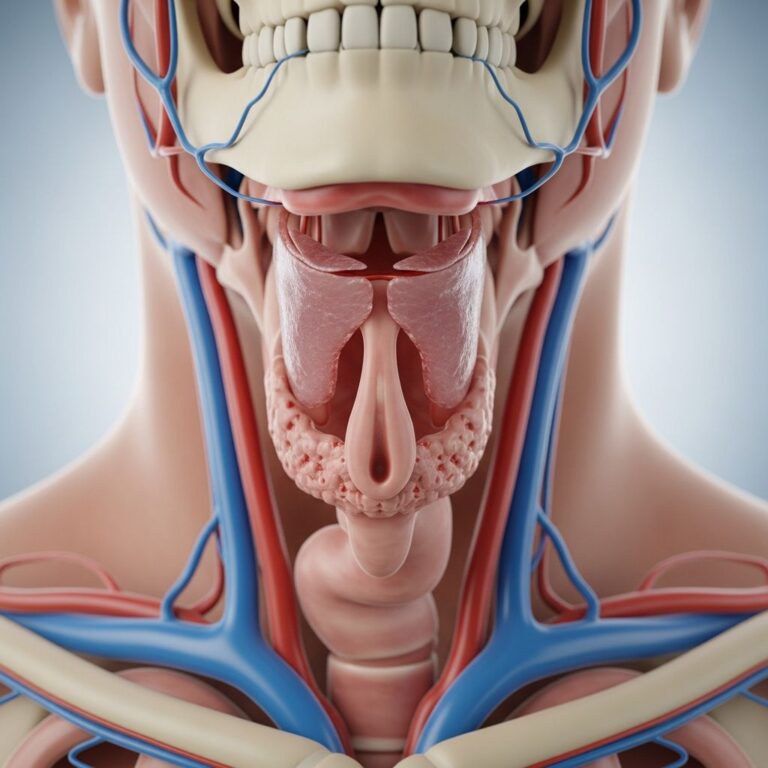
The most dangerous are laryngeal attacks, involving swelling of the tongue, uvula, or vocal cords, which can obstruct the airway and cause asphyxiation. These occur in up to 50% of patients lifetime and demand immediate treatment. Prodromal signs like a serpiginous rash (erythema marginatum) or fatigue precede many attacks, though not reliably. Frequency varies: some experience monthly episodes, others fewer, with untreated attacks lasting 3+ days. Unlike urticaria-associated angioedema, HAE lacks hives or itching.
- Skin swelling: Hands, feet, face – painful, disfiguring but self-limiting.
- Abdominal crises: Severe cramps, bloating – often misdiagnosed as surgical emergencies.
- Airway involvement: Hoarseness, stridor – medical emergency risking death.
Related Stories



Factors That Trigger HAE Episodes
While spontaneous, attacks are often precipitated by identifiable stressors. Physical trauma, including dental procedures or surgery, tops the list, activating the contact system. Emotional stress, infections, and hormonal fluctuations – especially estrogen in women during menstruation, pregnancy, or with oral contraceptives – are common. Medications like ACE inhibitors exacerbate symptoms by inhibiting bradykinin breakdown. Other triggers include minor injuries, excessive exertion, or even temperature extremes.
Understanding personal triggers empowers patients to mitigate risks. For instance, short-term prophylaxis with C1-INH concentrates is standard before invasive procedures.
Navigating Diagnosis: Tests and Challenges
Diagnosis hinges on clinical suspicion plus lab confirmation, yet averages 8-10 years post-symptom onset due to rarity and mimicry of other conditions. Initial screening measures complement C4 levels, invariably low during attacks and often between in Types I/II. Confirmatory tests assess C1-INH antigenic levels and function: low antigen and function indicate Type I; normal antigen but low function signals Type II.
For Type III, normal C4/C1-INH necessitates genetic sequencing of F12 or other genes, alongside family history and exclusion of antihistamine-responsive angioedema. ACE inhibitor challenge can provoke attacks in HAE, aiding differentiation. Genetic counseling is vital for families, as 50% offspring risk inheritance.
| HAE Type | C4 Levels | C1-INH Antigen | C1-INH Function |
|---|---|---|---|
| Type I | Low | Low | Low |
| Type II | Low | Normal/High | Low |
| Type III | Normal | Normal | Normal |
Treatment Strategies: From Acute Relief to Long-Term Control
HAE management targets bradykinin pathways, rendering antihistamines, steroids, and epinephrine ineffective. Therapies divide into on-demand acute treatment, short-term prophylaxis, and long-term prophylaxis.
Acute Attack Management
For rapid resolution, options include:
- C1-INH concentrates: Plasma-derived (Berinert, Cinryze) or recombinant (Ruconest) replace deficient inhibitor.
- Bradykinin receptor antagonists: Icatibant (Firazyr) subcutaneously blocks B2 receptors.
- Kallikrein inhibitors: Ecallantide (Kalbitor) or oral sebetralstat halts bradykinin production.
Self-administration enhances autonomy; laryngeal attacks require ER intervention with airway monitoring.
Preventive Approaches
Long-term prophylaxis reduces attack frequency:
- Monoclonal antibodies: Lanadelumab (Takhzyro) inhibits kallikrein every 2-4 weeks subcutaneously.
- Oral prophylactics: Berotralstat (Orladeyo) daily blocks kallikrein.
- Androgens: Danazol boosts C1-INH production but risks virilization, liver issues – used cautiously.
- Antifibrinolytics: Tranexamic acid as second-line.
Short-term prophylaxis precedes triggers with C1-INH or androgens. Patient-specific plans optimize outcomes.
Recent Advances and Future Horizons
Innovations like subcutaneous icatibant, long-acting lanadelumab, and oral agents like sebetralstat revolutionize care, minimizing clinic visits. Monoclonal antibodies such as garadacimab target factor XIa, showing promise in trials. Gene therapies editing SERPING1 or F12 genes aim for cures, with early studies demonstrating sustained C1-INH normalization. These shift HAE from debilitating to manageable.
Living with HAE: Patient Education and Support
Empowerment through trigger avoidance, action plans, and self-treatment boosts quality of life. Support groups like HAE associations provide resources. Regular monitoring adjusts therapies; women should discuss contraception avoiding estrogens. Children benefit from early diagnosis to avert trauma.
Frequently Asked Questions (FAQs)
What is the main cause of hereditary angioedema?
HAE primarily results from SERPING1 gene mutations causing C1-INH deficiency or dysfunction, leading to bradykinin overproduction.
Can HAE be fatal?
Yes, untreated laryngeal attacks can cause asphyxiation, but prompt treatment prevents most risks.
Is there a cure for HAE?
No cure exists yet, but prophylactics drastically reduce attacks; gene therapies are in development.
How is HAE different from allergic swelling?
HAE lacks itching/hives, doesn’t respond to antihistamines, and involves bradykinin not histamine.
Who should get tested for HAE?
Individuals with recurrent unexplained swelling, family history, or abdominal/laryngeal episodes without hives.
References
- Hereditary Angioedema – StatPearls — NCBI Bookshelf. 2023-10-01. https://www.ncbi.nlm.nih.gov/books/NBK482266/
- Hereditary Angioedema — NORD (National Organization for Rare Disorders). 2023-08-15. https://rarediseases.org/rare-diseases/hereditary-angioedema/
- Hereditary angioedema (HAE) — Cincinnati Children’s Hospital. 2024-01-10. https://www.cincinnatichildrens.org/health/h/hae
- What is HAE? — US Hereditary Angioedema Association. 2023-11-20. https://www.haea.org/pages/p/what_is_hae
- What Is Hereditary Angioedema? — WebMD. 2024-02-05. https://www.webmd.com/skin-problems-and-treatments/hereditary-angioedema
- Hereditary angioedema — MedlinePlus. 2023-09-12. https://medlineplus.gov/ency/article/001456.htm
Similar Articles








Read full bio of Sneha Tete